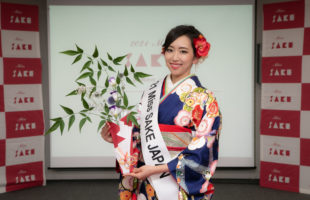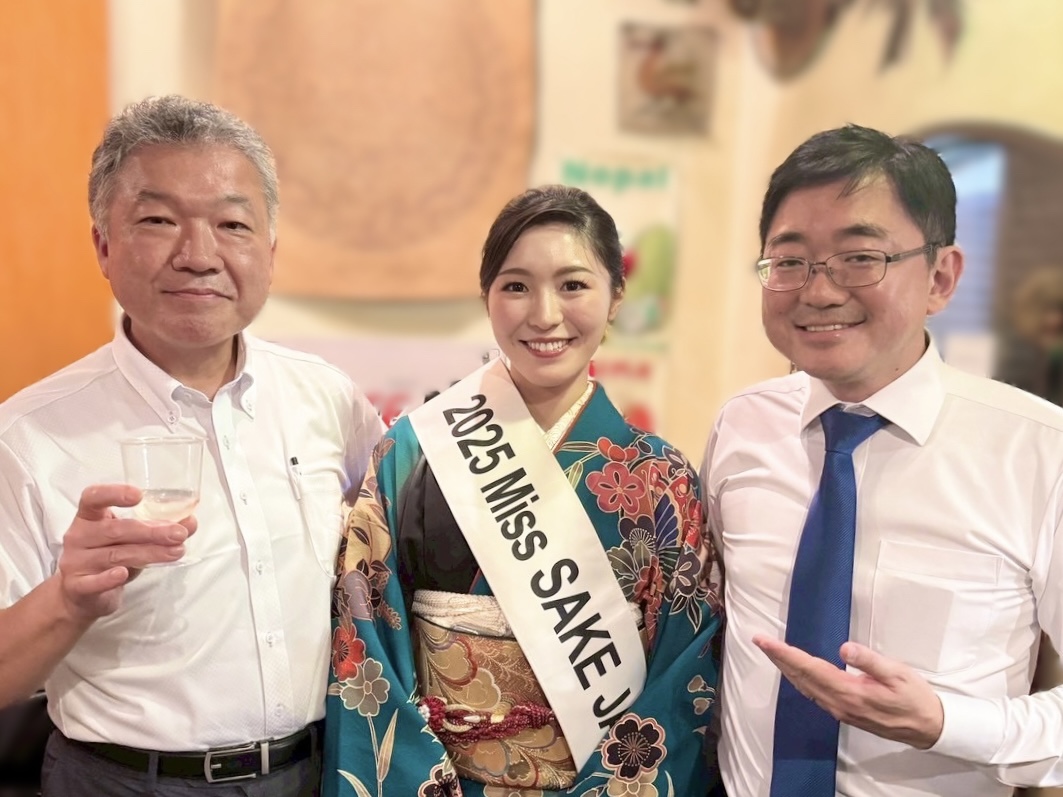
Hello everyone, this is Chisato Tateono, 2025 Miss SAKE Japan.
On Thursday, July 31st, I attended the “Overseas Sake Market Expansion Seminar” held at TKP Ichigaya Conference Center, where I had the opportunity to listen to valuable lectures delivered by speakers who are active in various parts of the world.
Opening Remarks: “Recent Trends in Japanese Sake Exports”
(Speaker: Haruo Matsuzaki, CEO of SAKE Marketing House Co., Ltd.)
The “Overseas Sake Market Expansion Seminar” was held for the second time this year. Mr. Matsuzaki shared insights on the current status of Japanese sake exports.
With the increase in inbound foreign tourists, exports of Japanese sake overseas have also been steadily rising year by year. However, both export volume and value are concentrated in certain regions, and issues such as U.S. tariffs have caused various challenges in the sake market. In particular, the Latin American region, where much sake is imported indirectly from the U.S., faces future concerns regarding sake distribution. Because of this situation, there is growing expectation for an increase in direct sake exports from Japan.
The popularity of Latin American cuisine (such as Peruvian and Brazilian dishes) and the rising number of travelers to this region have brought attention to Latin American countries as a strategic market for the sake industry. Closely linked to this region are Spain and Portugal—former colonial powers sharing the same language spheres. Both countries have sake markets on the order of 100 to 200 million yen, and there is growing anticipation for increased direct imports from Japan.
At this seminar, we had the privilege of listening to valuable lectures from experts active in these countries, focusing on sake exports to Latin America, Spain, and Portugal—markets that are attracting increasing attention in the sake industry.
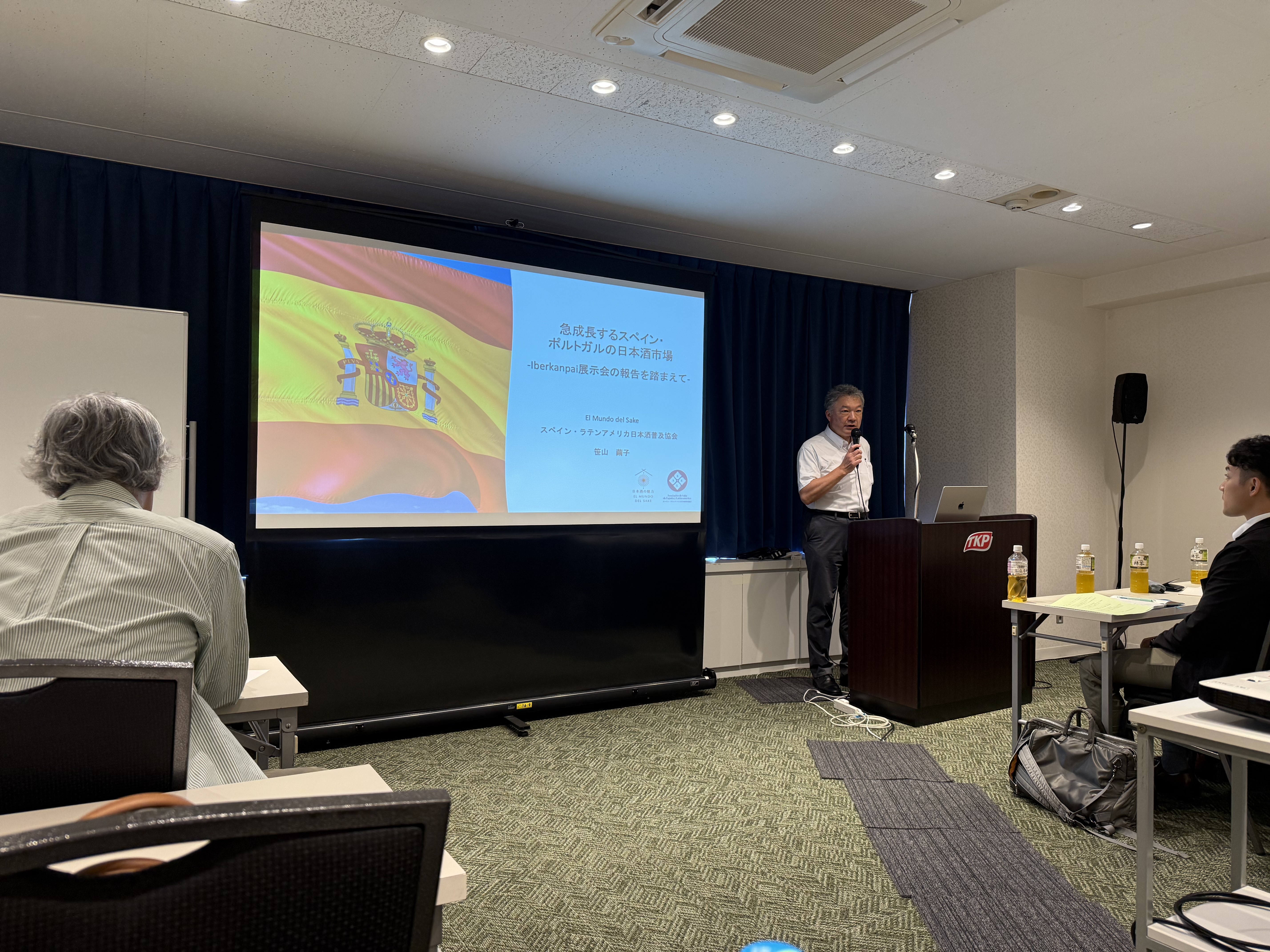
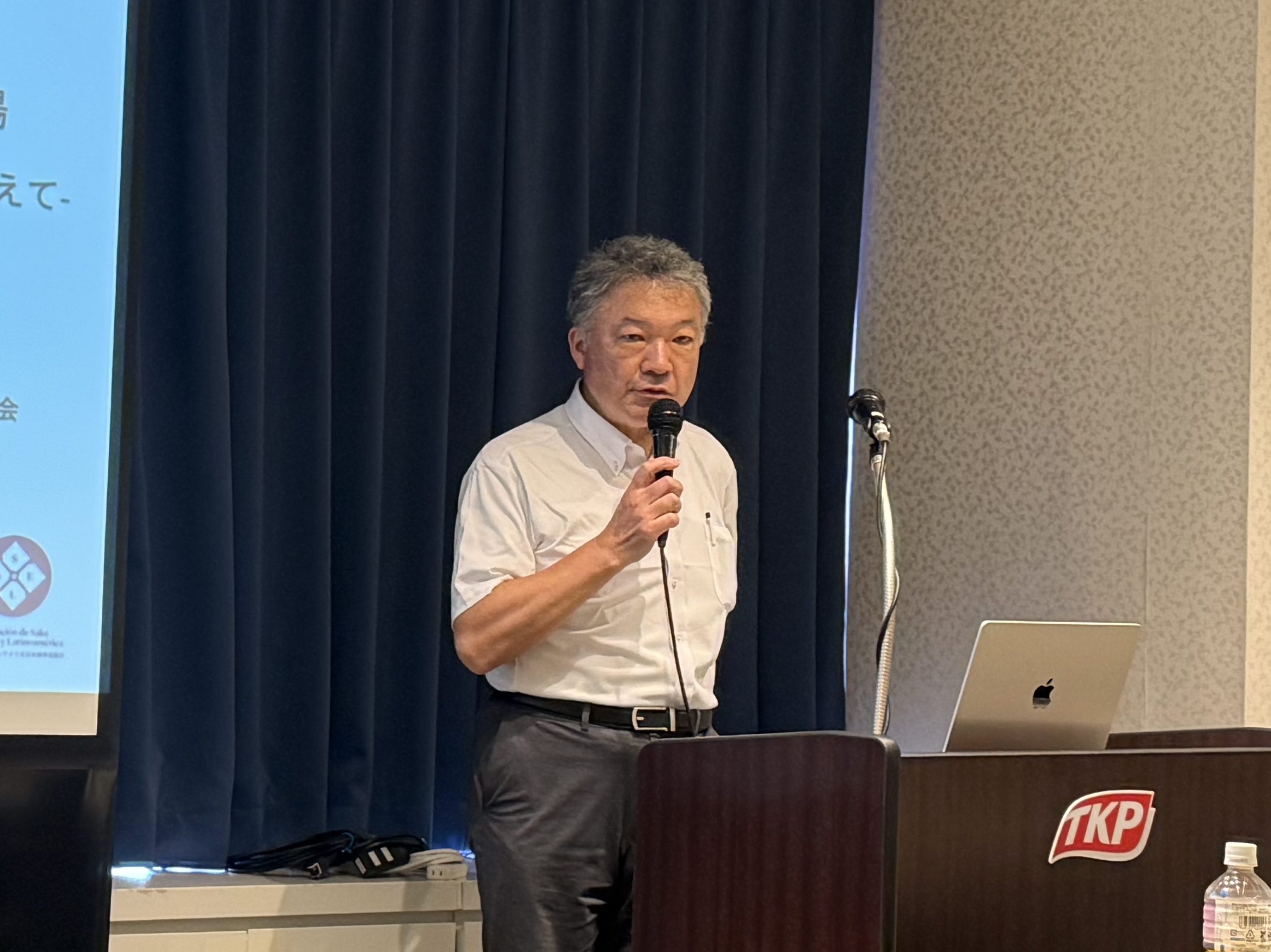
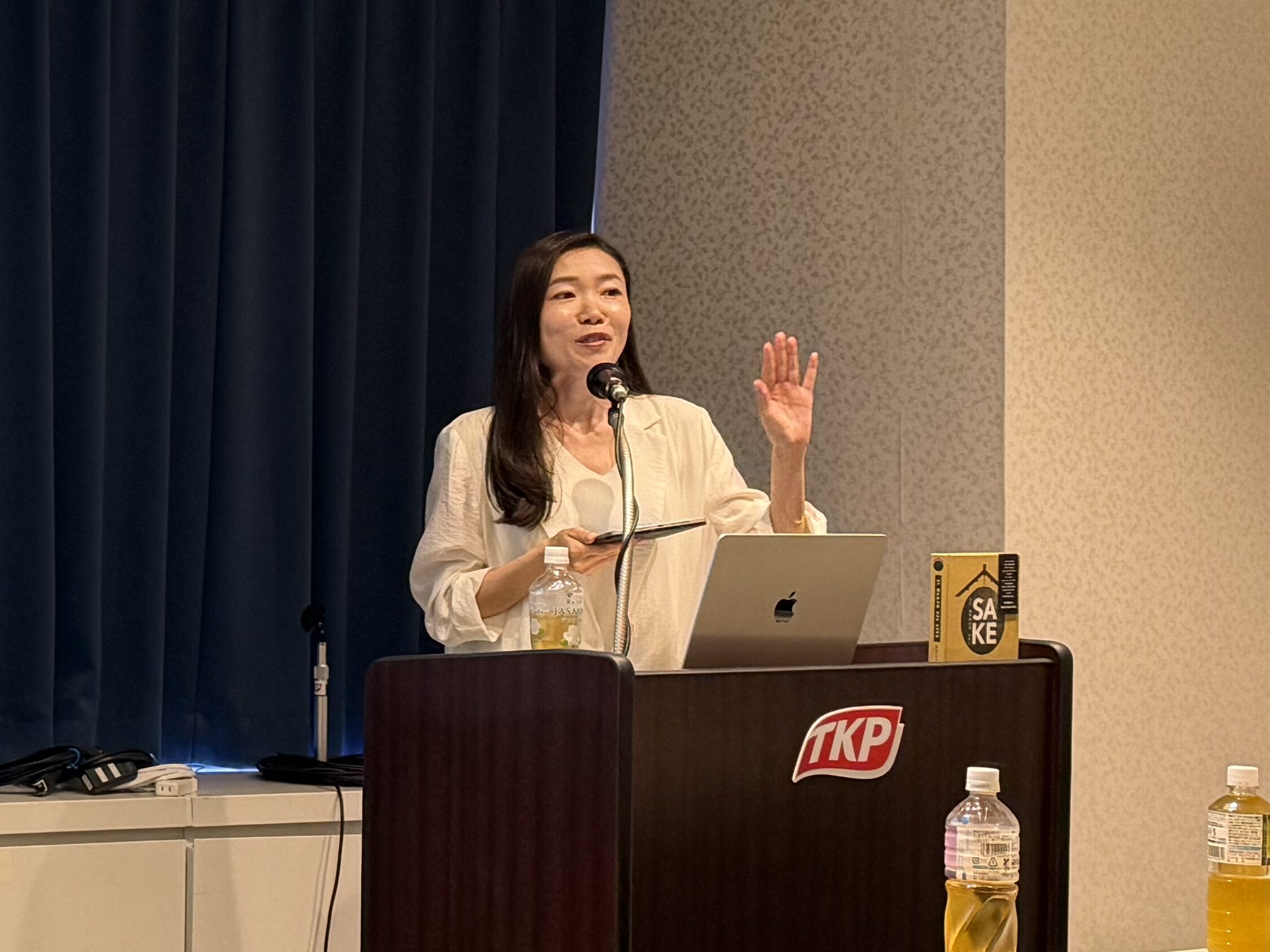
Seminar 1: “The Rapidly Growing Japanese Sake Market in Spain and Portugal”
(Speaker: Mayuko Sasayama, President of the Spain & Latin America Sake Promotion Association)
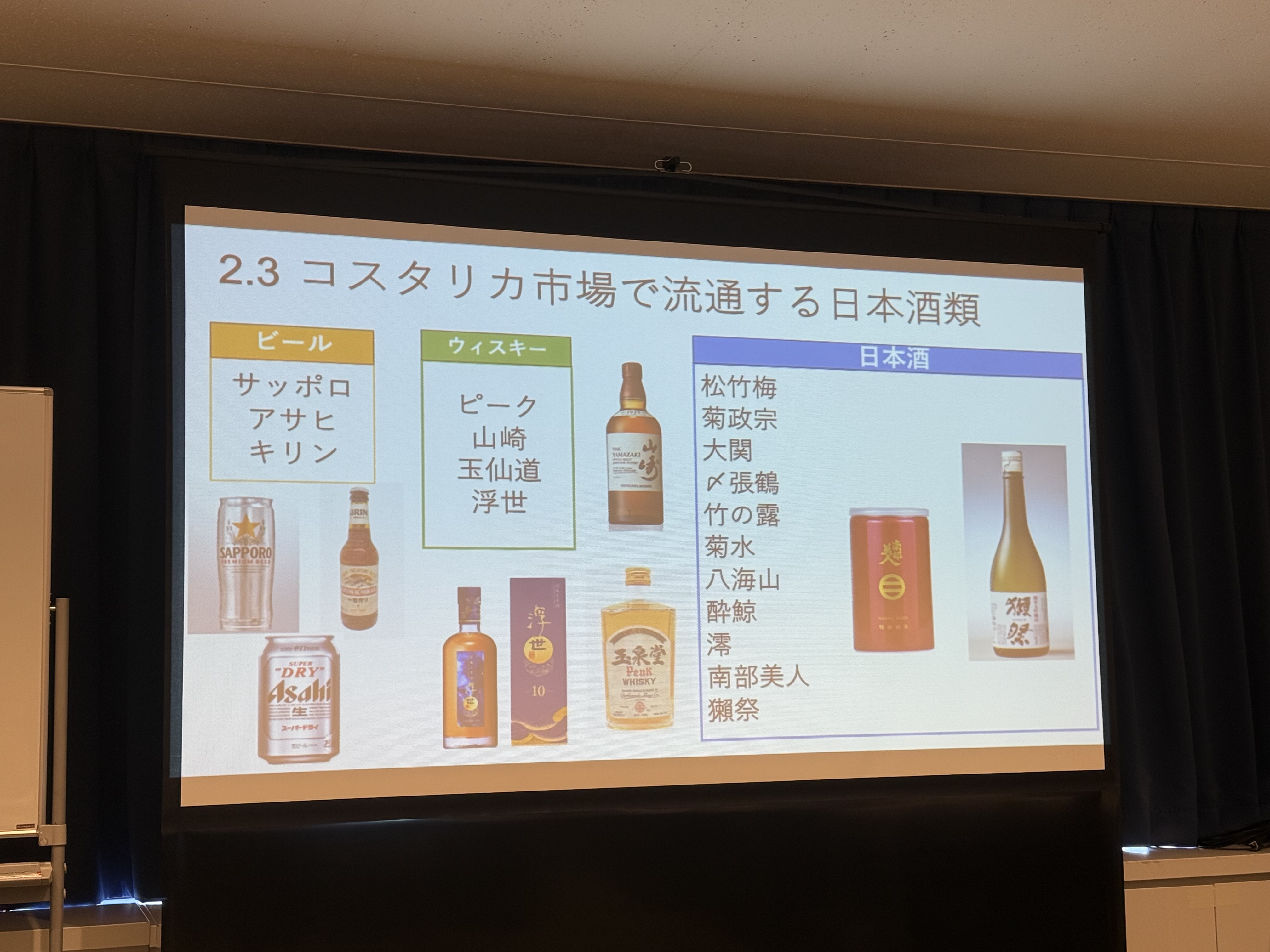
Spain is about 1.34 times larger in area than Japan but has roughly half the population, so its market size is not very large. However, Spanish is spoken by approximately 500 million people worldwide, making it the second-largest language group after Chinese. In terms of sake exports, Spain ranked 17th in the world in export value in 2024, growing rapidly at 132% compared to the previous year. A key driver of this growth is the rising interest in “gastronomy.” The amount spent on food culture is significant, and the price per liter of sake in Spain ranks third worldwide (about 840 yen), making Spain an emerging market for sake.
“Education” is Essential for Promoting Sake
Ms. Sasayama became the sake division manager at Spain’s largest sake import wholesaler in 2015, deeply engaging with “food” and “sake” in Spain for many years. In 2017, she became the first Spanish-language SSI certified sake sommelier instructor and in 2023, she published El Mundo del Sake (“The World of Sake”), a Spanish-language sake guidebook. She also launched the Spanish-language sake course “Sake Master,” actively promoting “education” about sake. One memorable takeaway was her statement: “Education is the most important factor in spreading sake.” To increase sake awareness, it is vital to disseminate accurate knowledge and understanding of sake among sommeliers, restaurant professionals, importers, and ultimately general consumers. Currently, she serves as president of the Spain & Latin America Sake Promotion Association and organized Spain’s first sake and Japanese food exhibition, “Iberkanpai,” in 2025.
About Iberkanpai
Historically, there were few opportunities for sake importers in Spain to interact and exchange information. In 2024, while organizing a sake tasting event co-hosted by the embassy, Ms. Sasayama recognized the importance of networking among importers. This led to the establishment of “Iberkanpai,” Spain’s first sake and Japanese food exhibition. The event featured tastings, seminars, and business meetings with importers, attracting 52 exhibitors and about 800 attendees over two days. Exhibitors noted their surprise at Spaniards’ extensive knowledge of sake, reflecting growing sake popularity and demand for information dissemination in Spain and Europe. Particularly popular were “aged sake” and “koshu” (vintage sake), which share rich characteristics similar to Spain’s full-bodied wines. The event successfully connected Spanish and Portuguese consumers with Japanese producers, deepening their knowledge and appreciation of sake.
Why is the Spanish Market Heating Up Now?
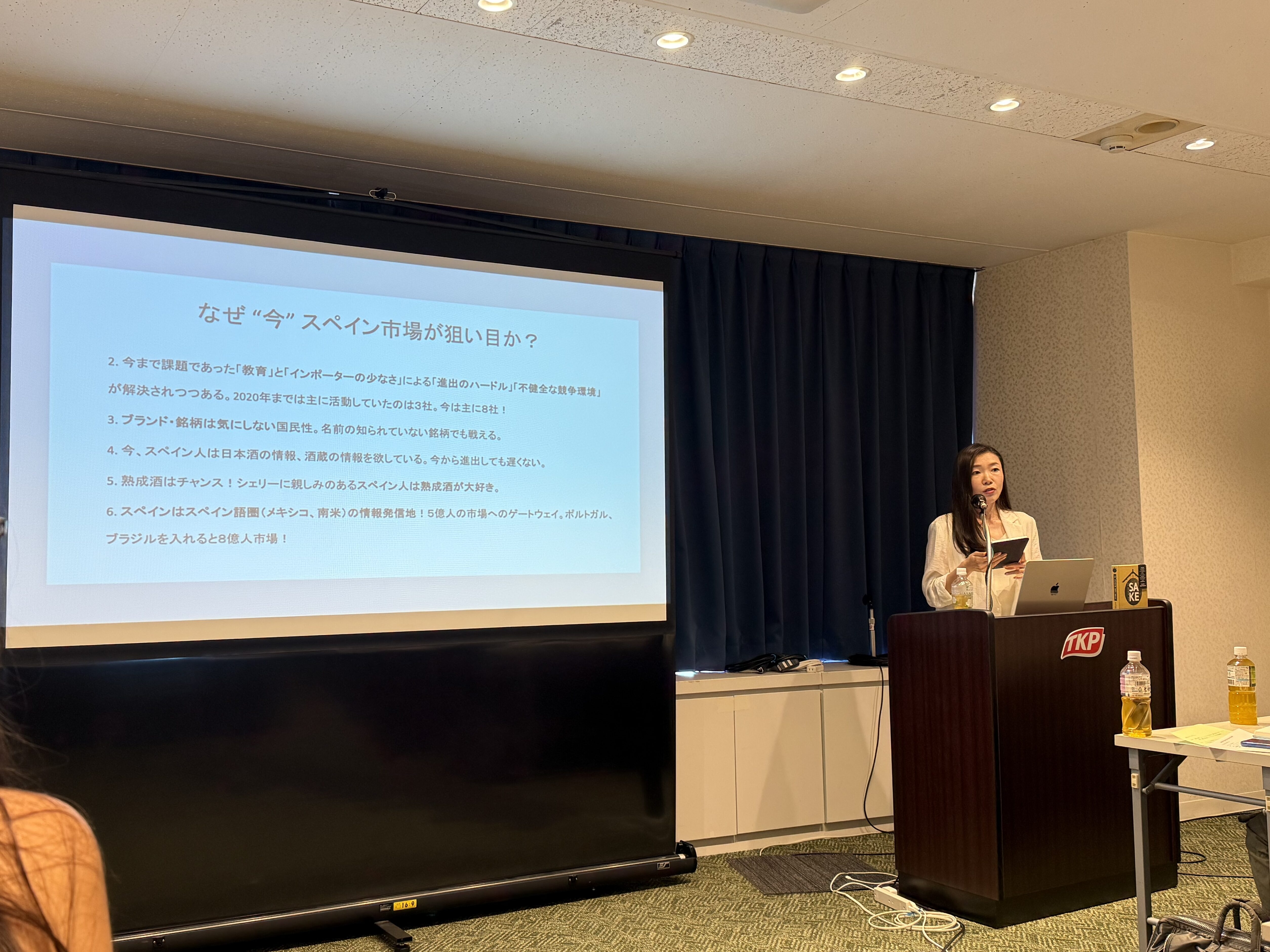
Several factors contribute to the rise of sake in Spain:
-
Spain’s status as a “gastronomic powerhouse.” In 2025, Spain and Peru were the only Spanish-speaking countries with more than two restaurants nominated in the world’s top 10. High regard for food culture and similarities with Japanese cuisine mean that upscale restaurants almost always offer 2–3 types of sake, enjoying food pairings.
-
The spread of education. Thanks to experts like Ms. Sasayama, knowledge of sake among importers and restaurant professionals has improved, increasing demand for sake pairings.
-
Growth in importers. About 13 importers currently operate in Spain. Although customs costs and the small market size limit direct imports from Japan, the market is steadily becoming healthier year by year. Other factors include consumer openness to various brands and labels, and the rising popularity of aged sake with distinct acidity and aromatic complexity.
Spain, as a large Spanish-speaking region and a tourist hub attracting visitors from other areas, has strong potential for sake market expansion through education for sommeliers and restaurant staff, as well as sake events for general consumers. This seminar offered deep insights into Spain’s promising sake market, and I am grateful to Ms. Sasayama for her valuable lecture.
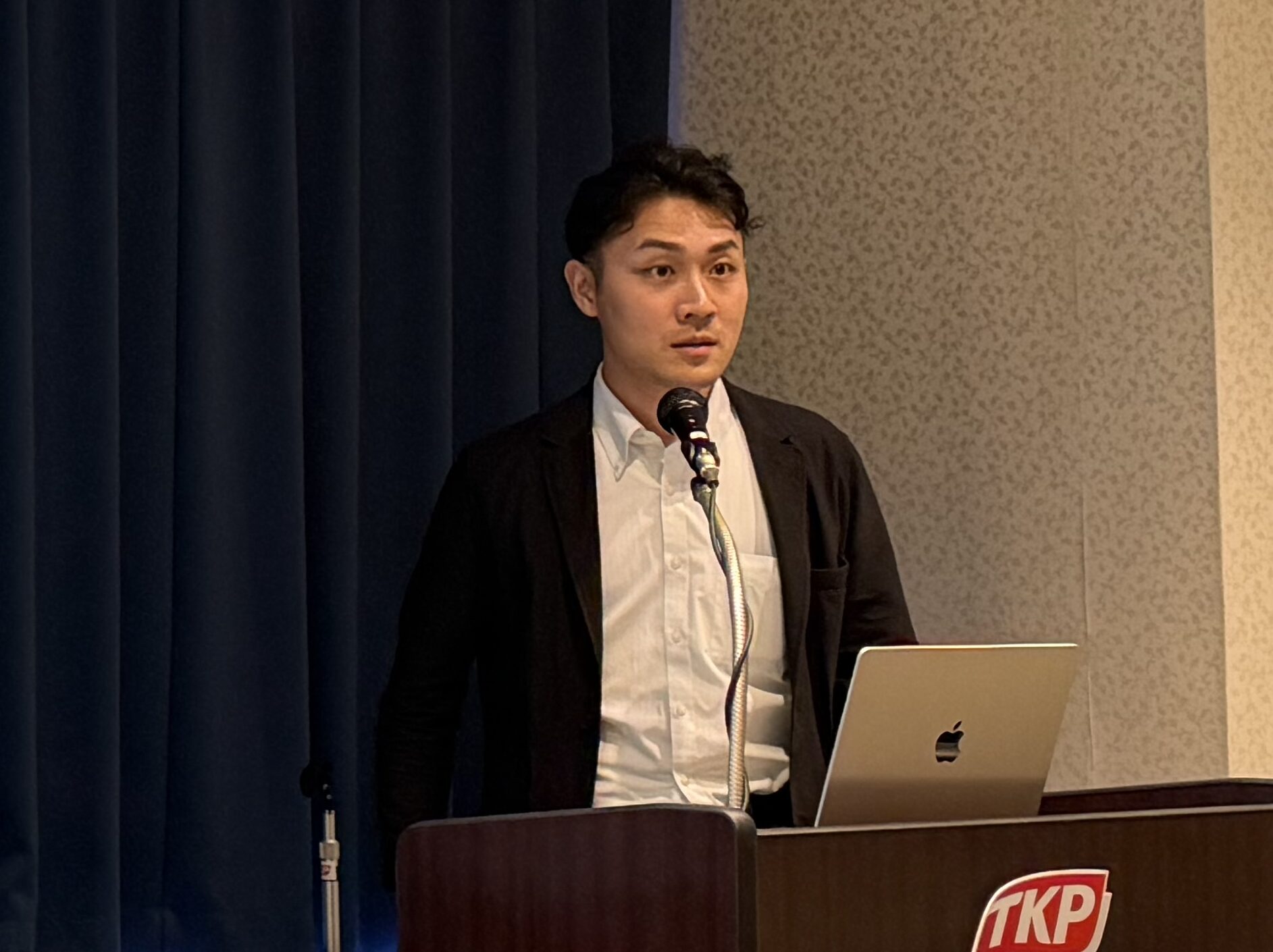
Report: “The Emerging Chilean Sake Market and the ‘Catador’ Competition”
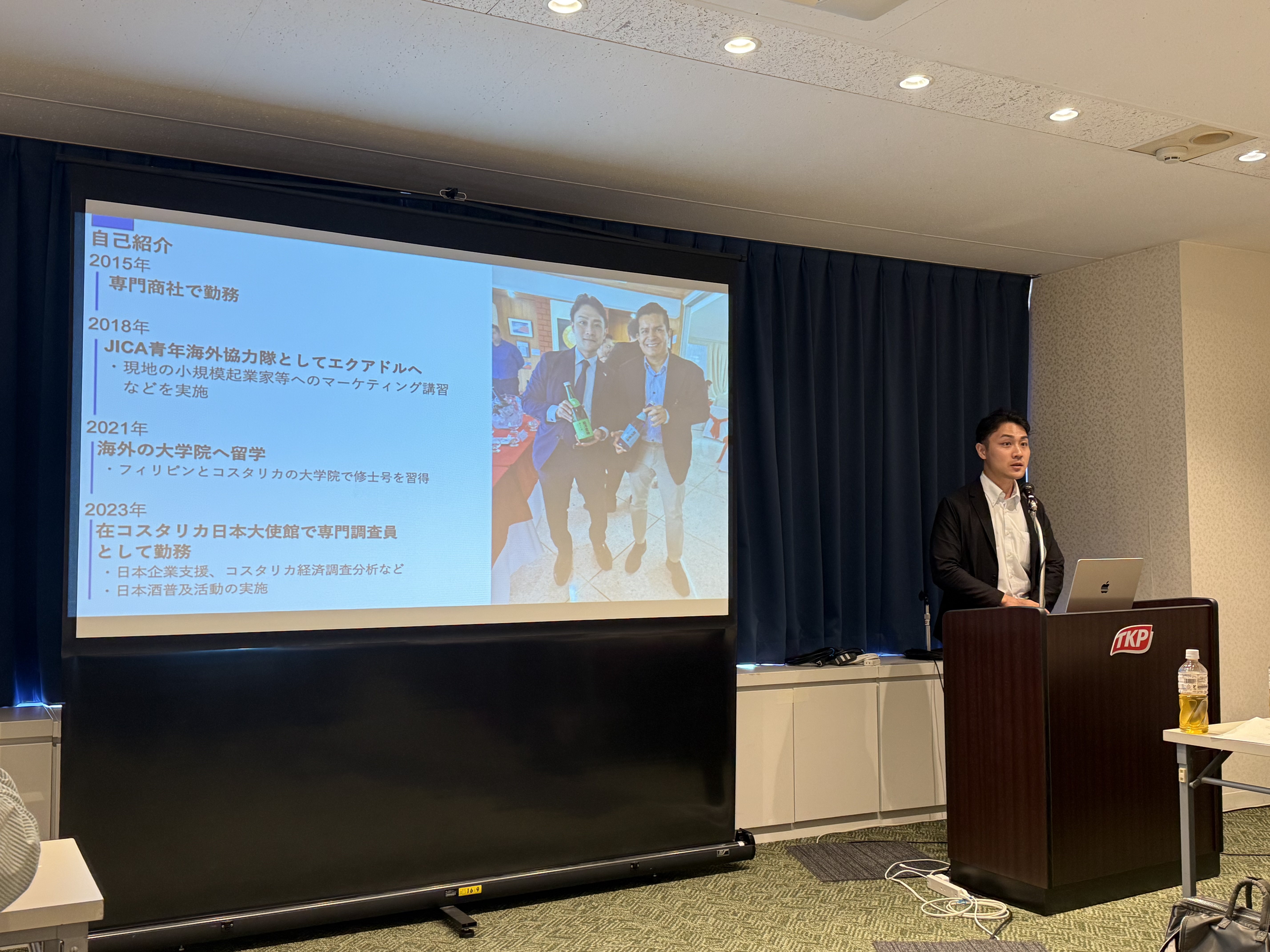
(Speaker: Kazutaka Koizumi, CEO of Be-Bridger Inc., a sake export company)
Mr. Koizumi, originally a sales representative for a semiconductor manufacturer, discovered the potential of Japanese sake during a two-year stay in Canada. After returning to Japan, he established Be-Bridger Inc. in 2021, focusing on sake exports and currently conducting business with Hong Kong, Chile, Australia, and Germany. He is actively involved in promoting sake locally through events such as sake seminars and B2B tasting sessions held at the Japanese Embassy in Chile.
“Chile,” Where Interest in Japan is Growing
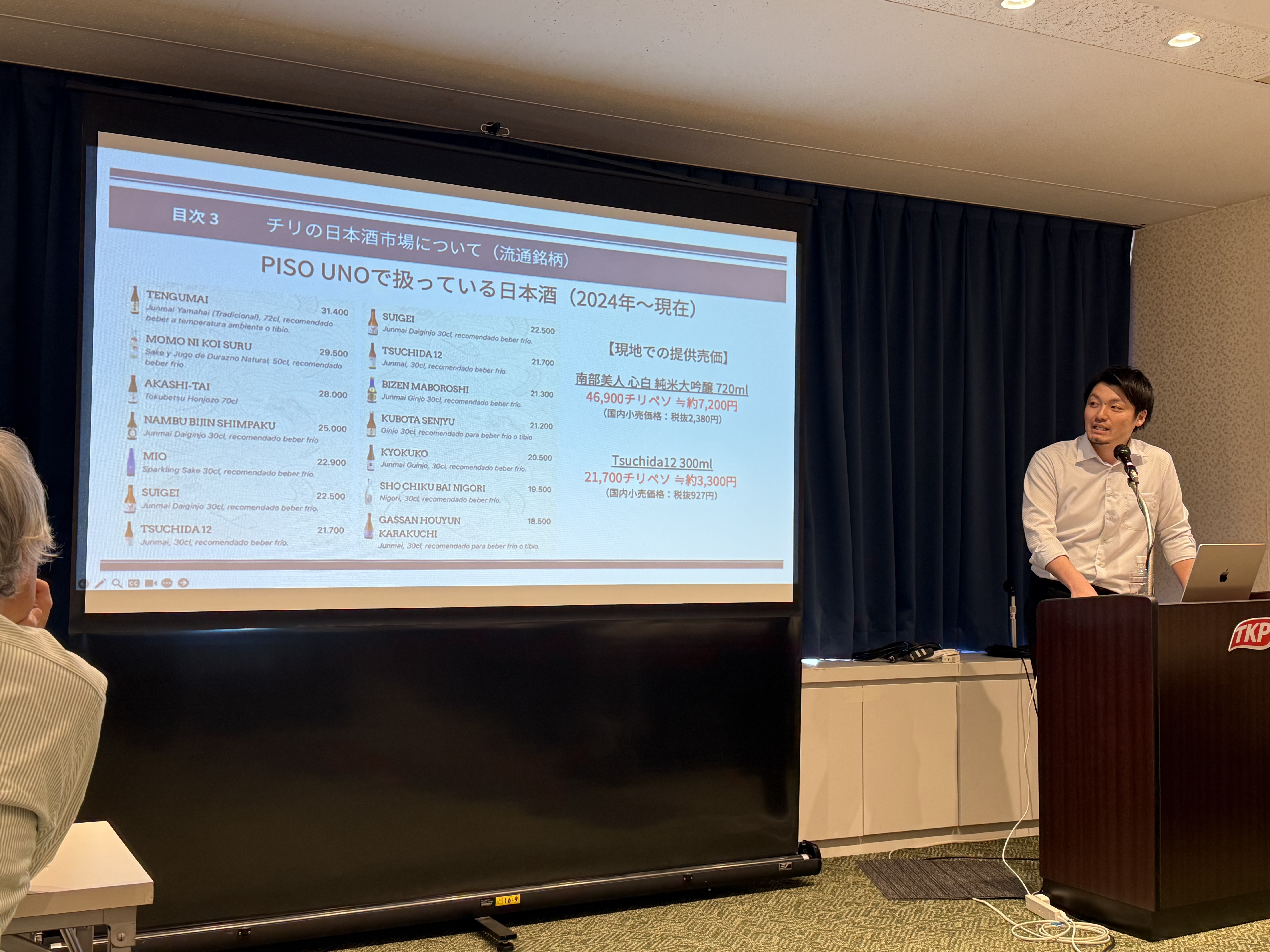
Chile is characterized by its long, narrow shape stretching north to south along the South American continent. Its population is less than 20% that of Japan. The Chilean people share similarities with Japanese in their diligence and introverted nature, alongside political and economic stability. Recently, Japanese anime culture has spread among younger generations, sparking growing interest in Japanese food and sake. Santiago, the largest city where about 30% of the population resides, has over 200 Japanese restaurants, offering 50 to 60 sake brands. Both sake export volume and value have been increasing annually.
However, challenges remain: sake awareness is still low, partly due to limited drinking opportunities. Moreover, distribution channels and general market access are restricted and pose future issues.
In Chile, sake consumption is mainly driven by restaurants. Fruity, sweet, and aromatic sake is popular and sells at prices three to four times higher than domestic prices in Japan. Sake cocktails, which are easy to drink, are also gaining popularity at dining establishments. The local custom of ordering alcoholic beverages by the bottle, combined with sake’s high price, has increased demand for smaller-sized bottles.
“Catador,” Latin America’s Largest Alcohol Competition
The Catador Competition is Latin America’s largest alcohol contest, celebrating its 30th anniversary in 2025 with a long history and great prestige. The competition includes a sake category within its wine division, featuring 97 sake labels from 41 companies. Mr. Koizumi collaborated with Mr. Matsuzaki to support the event’s organization from the Japanese side.
The judging is conducted through fully blind tastings using wine glasses, with panels of 5 to 6 judges per group—a distinctive feature of the Catador Competition. In the sake category, top awards tend to go to ginjo-style sakes. Receiving the “Major Sake” top gold award is a crucial opportunity directly linked to promotional activities in Chile. Given Chile’s current challenges—low sake recognition and limited distribution networks—leveraging the Catador Competition to promote sake’s appeal is a key strategy going forward.
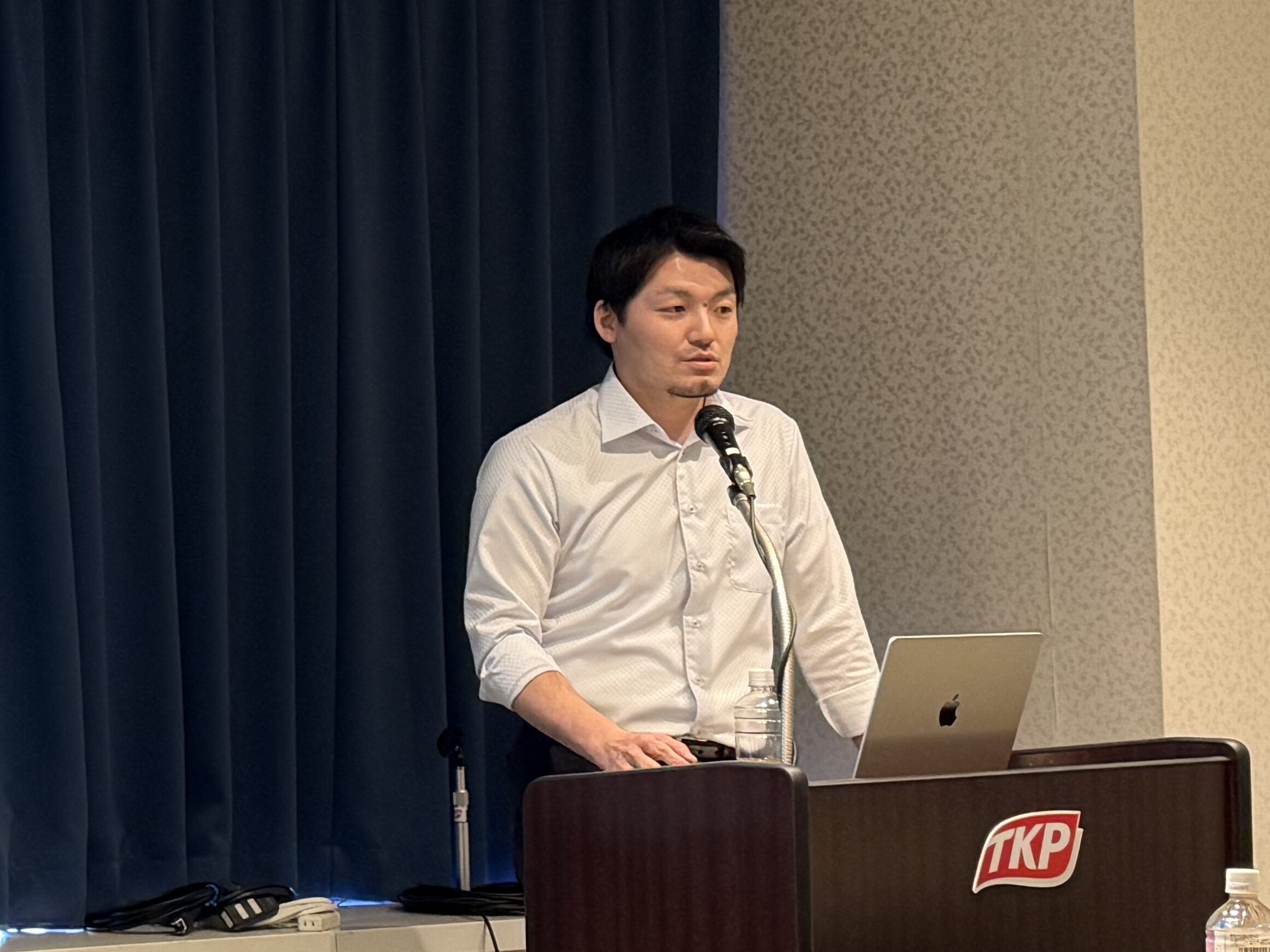
Seminar ③ Talk Session: “The Expanding Brazilian SAKE Market”
(Speaker: Mr. Fabio Ota – President of Japanese Sake Import Company “MEGA SAKE” / Interviewer: Mr. Haruo Matsuzaki)
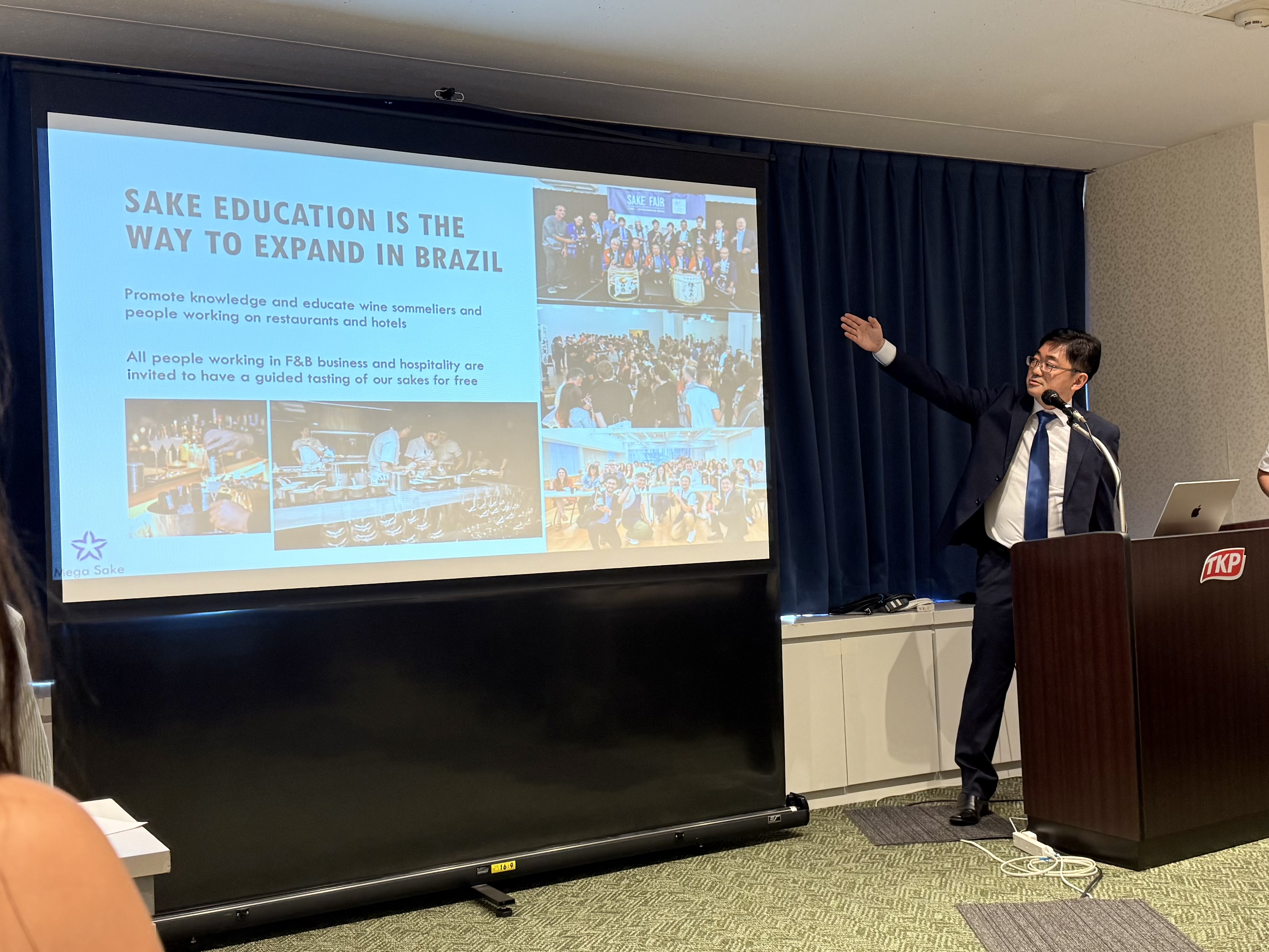
“Sake Education” as the Key to Sake Promotion
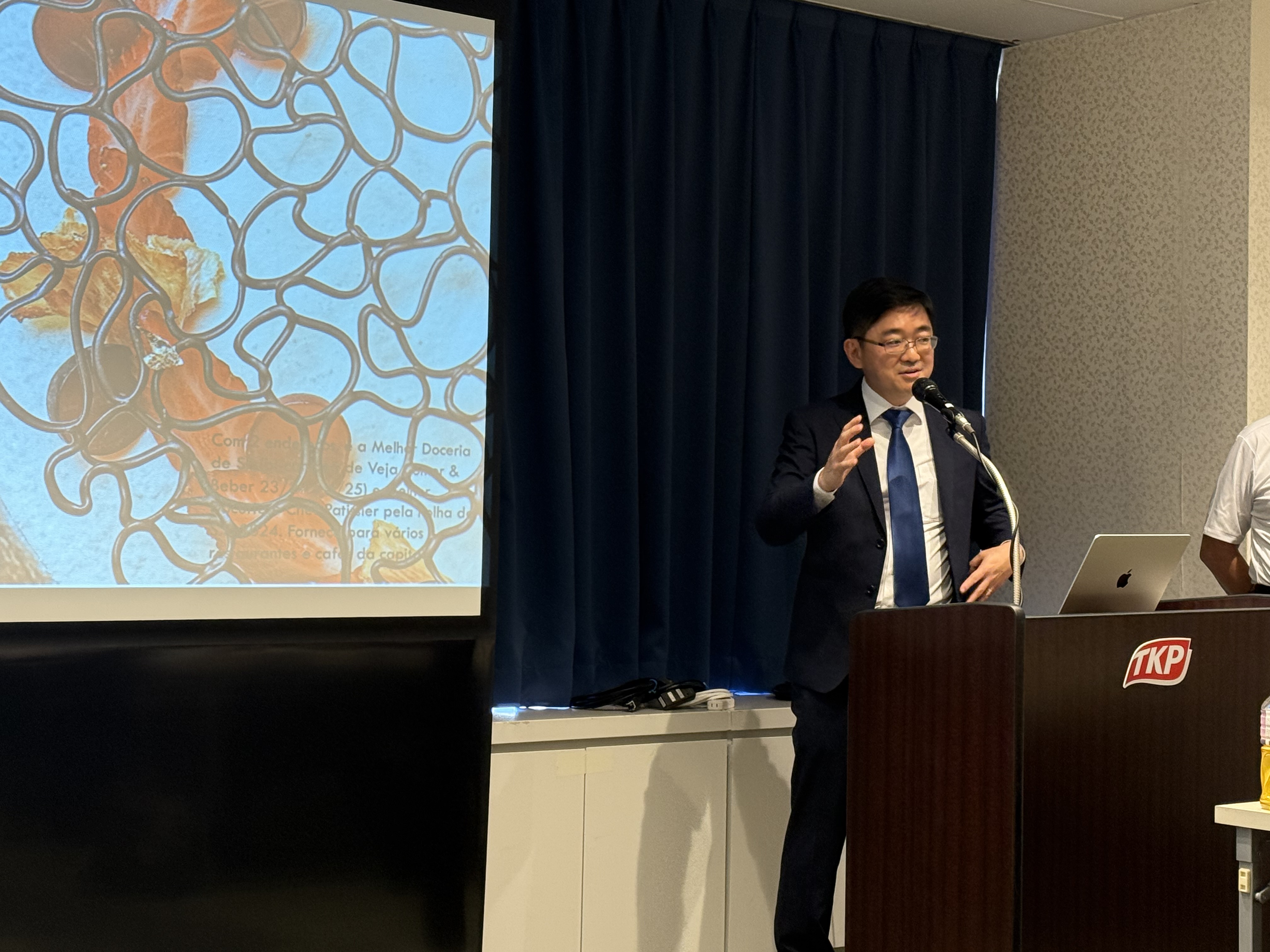
Mr. Fabio Ota, formerly a practicing lawyer and accountant, now serves as the president of the Japanese sake import company MEGA SAKE. The company operates three physical stores in São Paulo and one online store, supplying over 500 restaurants across Brazil. MEGASAKE is known for its strict quality control, importing containers from Japan under -5°C refrigeration to ensure optimal freshness for Brazilian consumers.
Mr. Ota places great emphasis on “Sake Education”, actively acquiring sake-related certifications himself and providing training and workshops to restaurant staff and industry professionals. His wife, Ms. Aya Tamaki, is the owner of AMAY pâtisserie and is also a specialist in sweets. At Mr. Ota’s Restaurant Miyabi, guests can enjoy a unique pairing of sushi, sake, and desserts — all completely gluten-free.
“Japan Brand” Recognized Worldwide
One particularly striking message from Mr. Ota’s talk was his confidence in the global power of the “Japan Brand.” With years of international experience, he asserted, “Japan is the strongest brand in the world.” In the context of growing global interest in Japanese cuisine, he emphasized the increasing alignment of sake with the high-quality image of Japanese food and culture, reinforcing its position as a premium international product.
Sake Market Concentration in Brazil
The Brazilian sake market is highly centralized:
◎~40% of the national market is concentrated in São Paulo City
◎~55% in São Paulo State
◎In certain districts densely populated with Japanese restaurants, as much as 20% of Brazil’s entire sake market is concentrated in one small area.
While sake is gaining popularity alongside traditional Japanese cuisine, it is also being embraced in pairings with South American contemporary cuisine. The most popular styles are light, fresh ginjo-type sakes, which are now featured not only in Japanese establishments but also in exclusive fine-dining restaurants across Brazil. However, importing sake into Brazil is complex — each shipment is subject to mandatory inspection. This can delay product availability by one to five months, depending on the case. Due to these constraints, locally produced sake is beginning to appear on the market. Though more affordable, it complements the imported, high-end sake products, each serving different demographics and expanding the market in their own way.
Redefining the Image of Sake in Brazil
From Mr. Fabio Ota’s insights, the importance of education in expanding sake awareness became abundantly clear. His efforts are not just about sales — they’re about transforming perceptions, especially within the Japanese-Brazilian community, where outdated views of sake still linger. In parallel, there’s a conscious push to reach new consumer groups, including American and European tourists, by establishing sake as a modern, sophisticated choice. This shift in brand image is helping to broaden and diversify the Brazilian sake market, positioning it for further growth.
At the Overseas Sake Market Development Seminar, I had the valuable opportunity to hear directly from experts who are actively promoting sake in different regions around the world. What left a particularly strong impression on me was the growing global acceptance of sake not just as an alcoholic beverage, but as an integral part of Japanese culture—especially amidst the increasing global popularity of Japanese cuisine, anime, and other cultural exports.
As Miss SAKE, I hope to help share and promote sake as a symbol of Japanese culture—one that is deeply rooted in nature, the four seasons, traditional craftsmanship, and our way of life. Personally, I was especially surprised to learn that sake pairing is no longer limited to Japanese cuisine. In fact, pairing sake with local dishes has become increasingly common, especially in high-end restaurants. It made me realize how sake is being accepted in regions where beer and wine have traditionally been more dominant, and I am eager to learn more about how the flavors and drinking experiences of sake are being positioned and appreciated in these new contexts.
A common theme shared by all speakers was the importance of education in expanding understanding and awareness of sake. I came to understand the growing need for various initiatives, such as the development of multilingual educational materials, sake seminars tailored to local audiences, and opportunities for the general public to engage with sake through events and tastings.
Going forward, I would like to continue deepening my understanding of the global sake landscape and work toward activities that not only inform Japanese audiences about international trends and needs, but also strengthen efforts to bridge Japan and the world through sake. As Miss SAKE, I remain committed to serving as a bridge between cultures and continuing to grow in this role.
Chisato Tateno
2025 Miss SAKE Japan