Hello everyone, this is Chisato Tateno, 2025 Miss SAKE Japan.
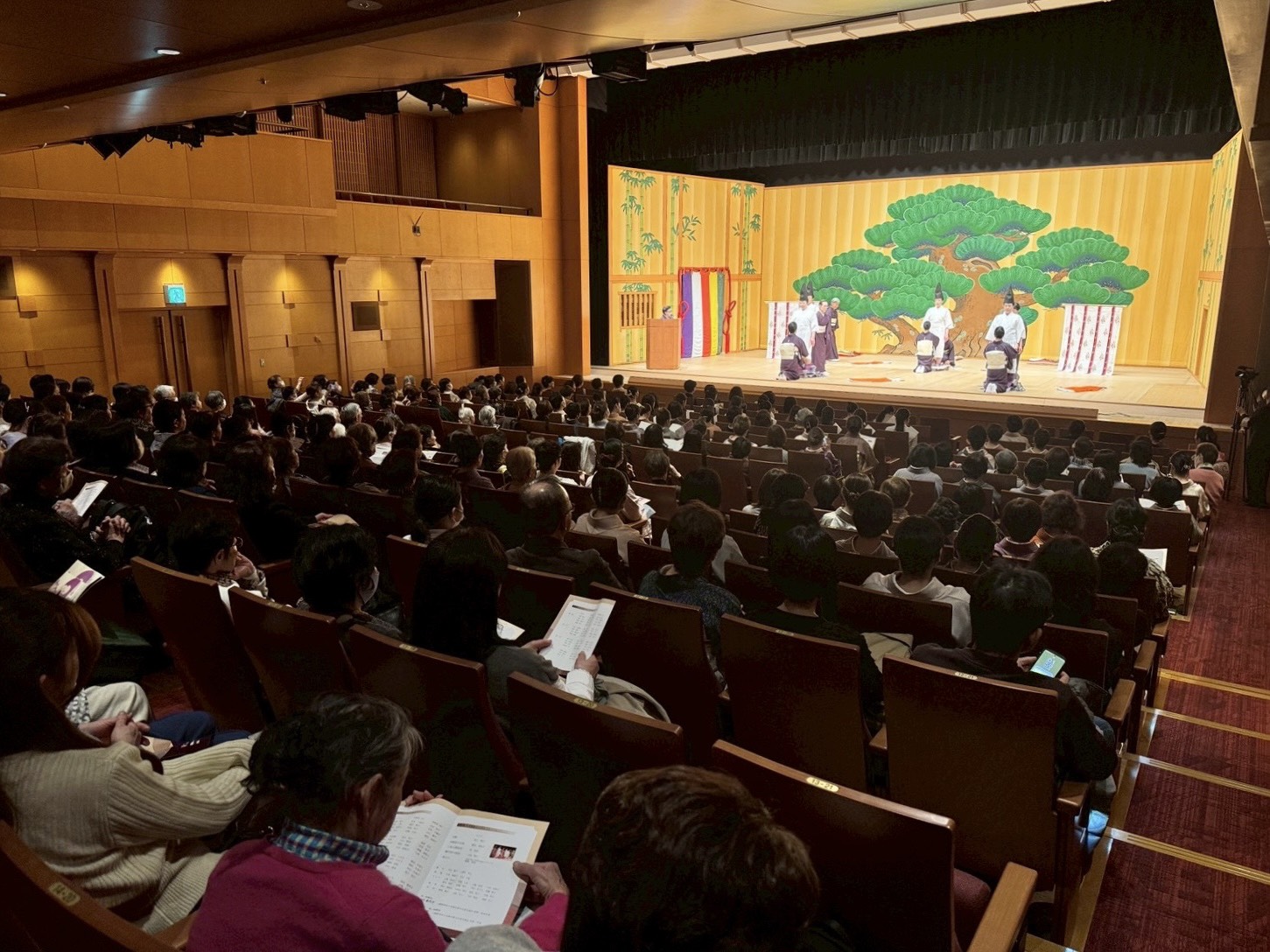
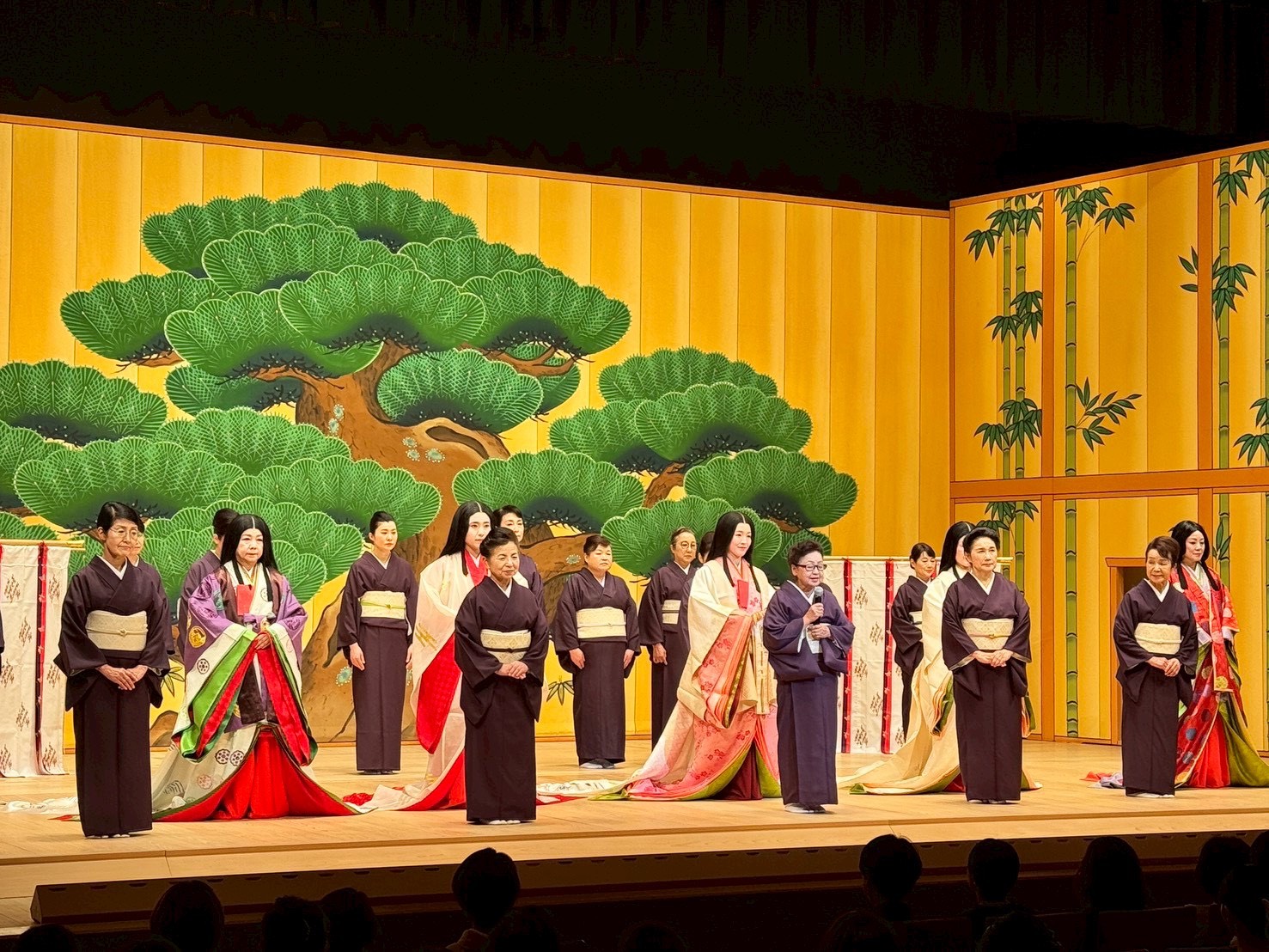
On March 15th (Sun), I had the honor of serving as a model for the jūnihitoe dressing demonstration, portraying Murasaki no Ue, at the “Women’s Culture Seminar – A Glimpse into The Tale of Genji through Court Attire: The Youth of Hikaru Genji,” hosted by the Association for Promoting the National Costume Culture of Japan at the Nihonbashi Public Hall in Chuo City, Tokyo.
About the Association for Promoting the National Costume Culture of Japan
The Association for Promoting the National Costume Culture of Japan is dedicated to sharing knowledge about traditional Japanese attire, including its dyeing and weaving techniques, patterns, and aesthetic design, with the broader public in order to deepen understanding. In addition, the association actively engages in education and human resource development through Japanese traditional culture, transcending regional and generational boundaries.
This “Women’s Culture Seminar – A Glimpse into The Tale of Genji through Court Attire: The Youth of Hikaru Genji” was organized as an embodiment of the association’s philosophy. The program consisted of two parts:
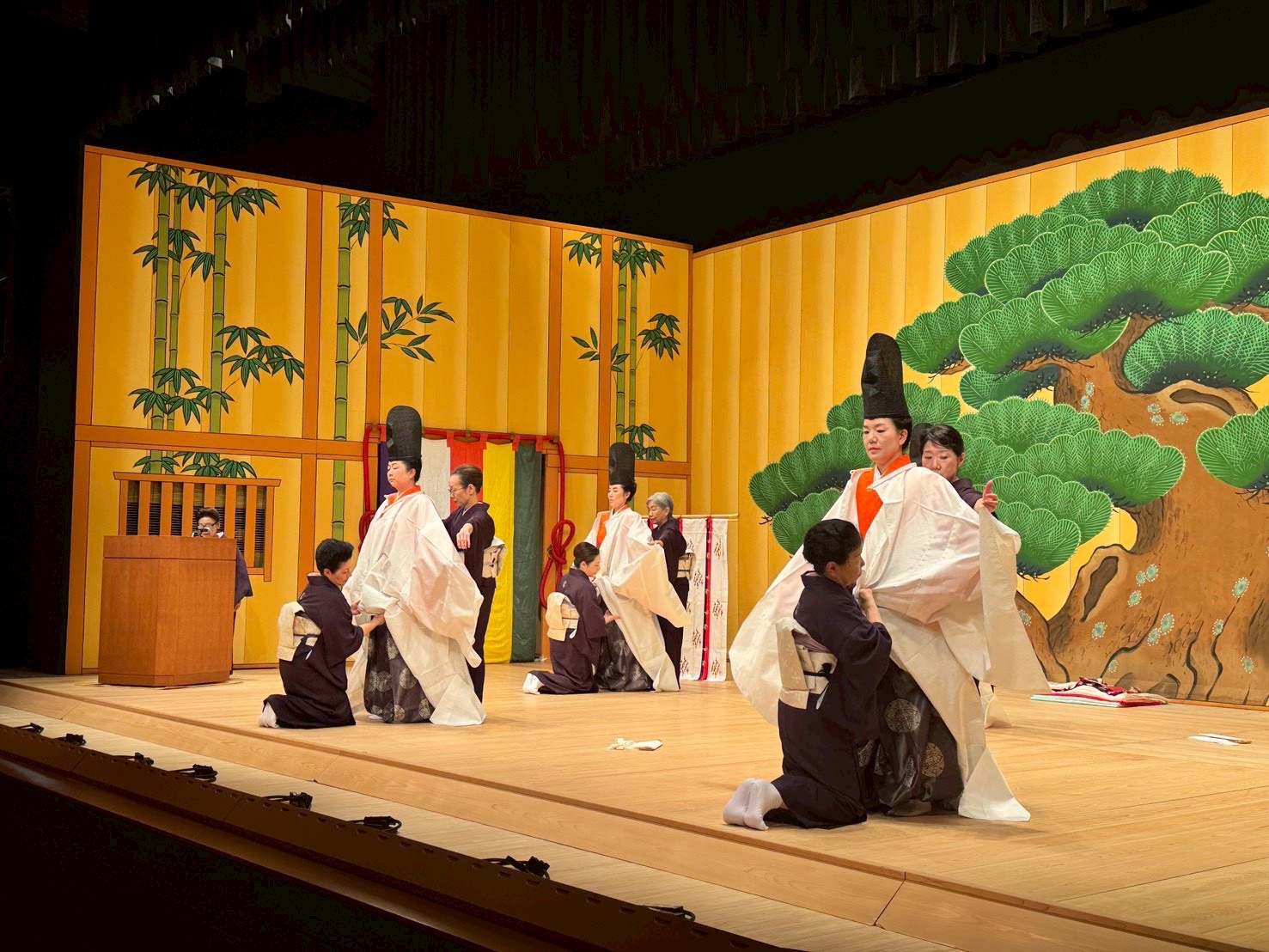
Part I featured a live dressing demonstration of Heian-period court attire, where we could closely observe the layering process and appreciate the refined beauty and subtle color coordination.
Part II focused on the youth of Hikaru Genji, the protagonist of The Tale of Genji, exploring the world of the story through the lens of attire, and offering valuable insight into the sensibilities and values of women of that era. Through this seminar, I once again realized that clothing is not merely fashion, but a form of culture that reflects historical context, human emotion, and aesthetic values.
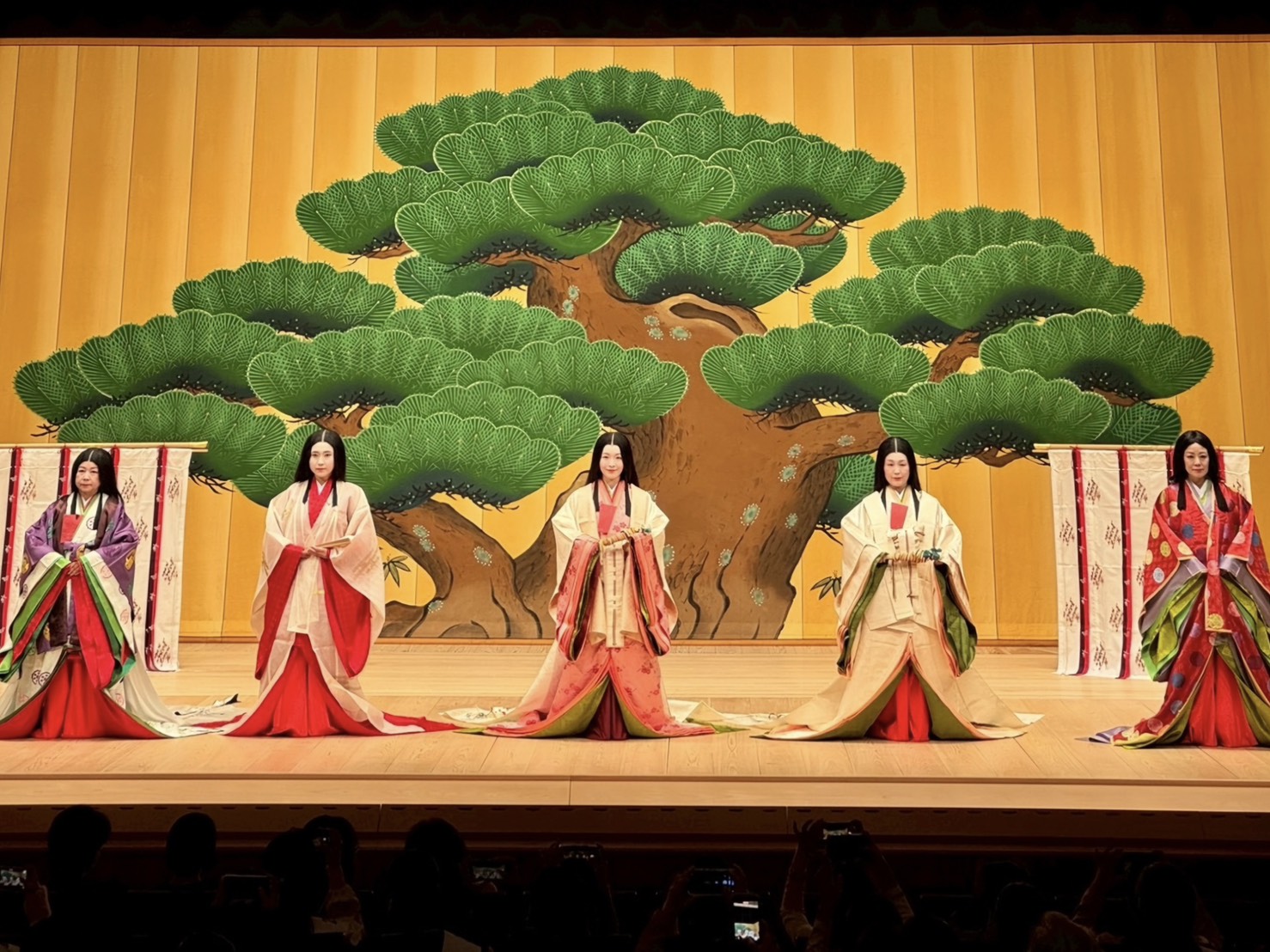
The Beauty Reflected in Layers of Fabric
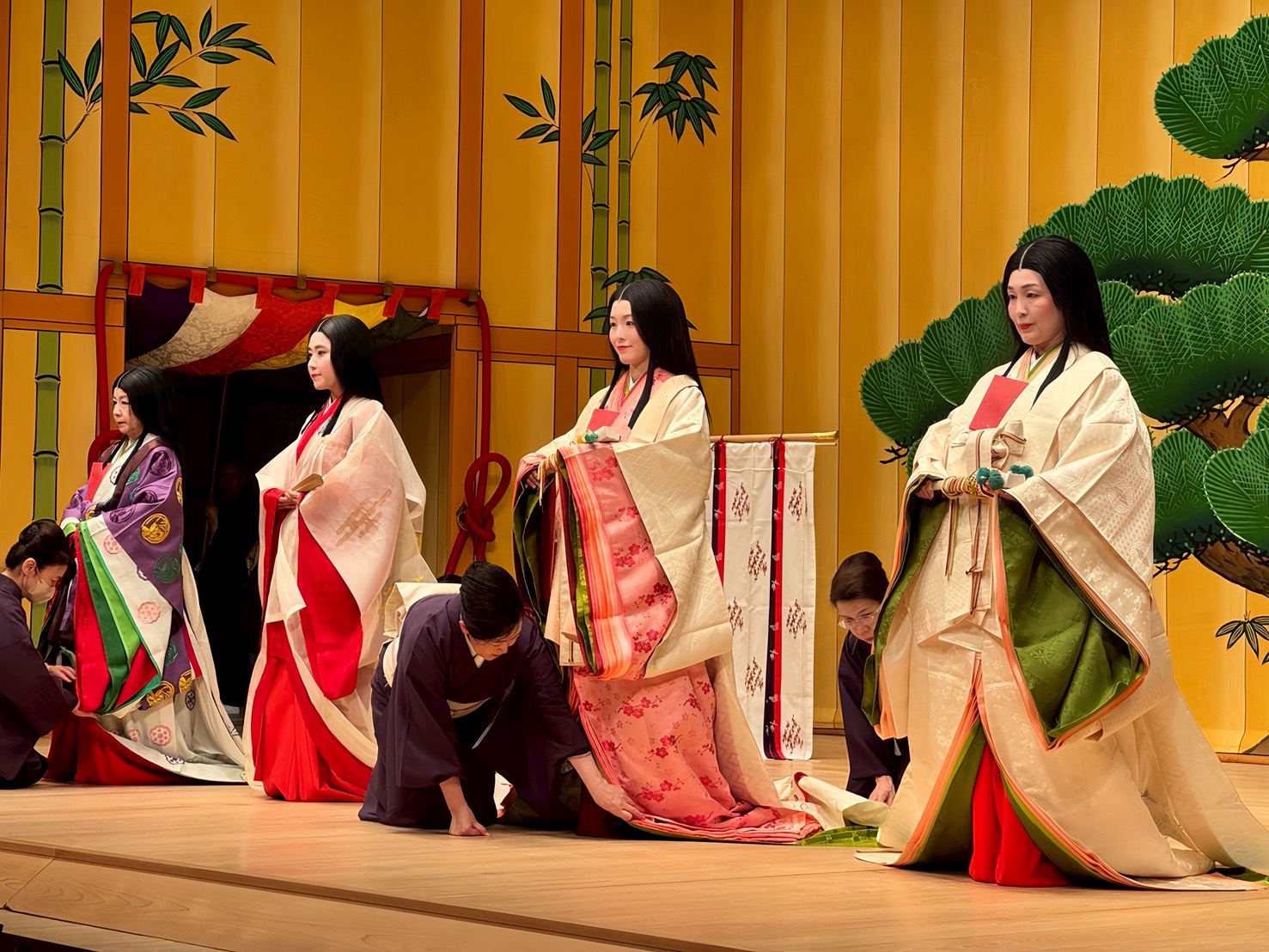
In Part II, I had the privilege of serving as a jūnihitoe model in the role of Murasaki no Ue. The garments presented in the lecture were inspired by the women who shaped Genji’s youth—such as Utsusemi, Suetsumuhana, Lady Rokujō, and Oborozukiyo—allowing us to learn about their backgrounds under the guidance of Ms. Tomie Takeda, Director and President of the Association.
The jūnihitoe I wore was designed to reflect the grace and elegance of Murasaki no Ue, featuring soft spring colors and seasonal patterns layered in multiple garments. However, the total weight exceeded 16 kilograms, and including the wig, it approached nearly 20 kilograms. Each layer was heavier than expected, and with every movement, I could feel its weight settle gently on my body. Beneath the elegant appearance of Heian attire, I deeply sensed the dignity required to maintain posture and the patience needed to move gracefully.
The jūnihitoe is a formal garment worn by court women during the Heian period, embodying a uniquely Japanese aesthetic that finds beauty in layered colors. It consists of multiple elements, including the formal outer robe (karaginu), the outer garment (uwagi), the patterned robe (uchiginu), the layered robes (itsutsuginu), the under-robe (hitoe), the long hakama (nagabakama), and the trailing skirt (mo). The hairstyle traditionally associated with this attire is long, straight hair known as suihatsu. The term “jūnihitoe” does not necessarily mean twelve layers, but rather refers to layering garments richly according to season and status. Through these layers, refined color harmony and personal elegance were expressed.
▼For more details about the jūnihitoe, please refer to “The Basics of Jūnihitoe” by the Association for Promoting the National Costume Culture of Japan.
https://www.wagokoro.com/12hitoe/
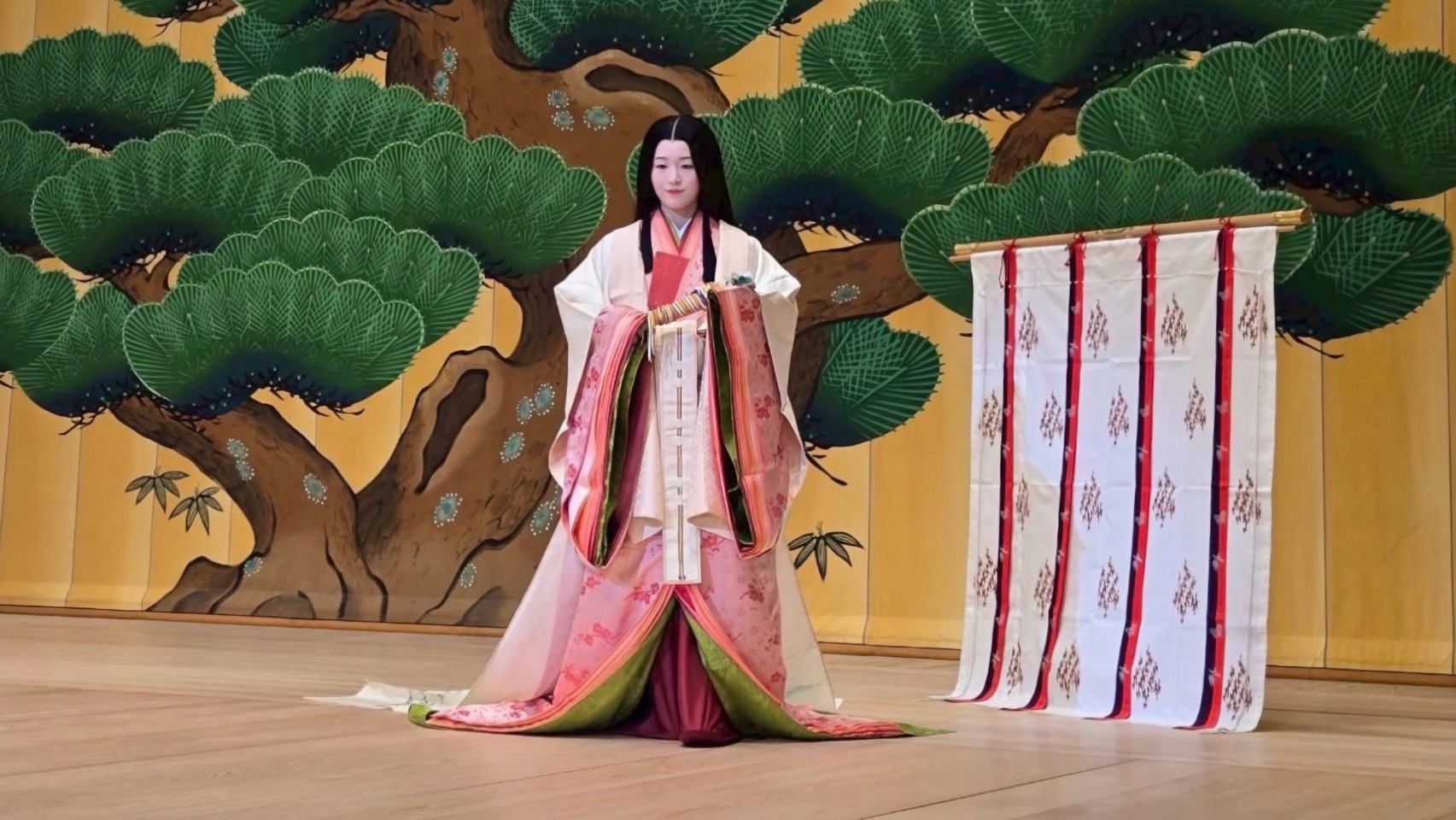
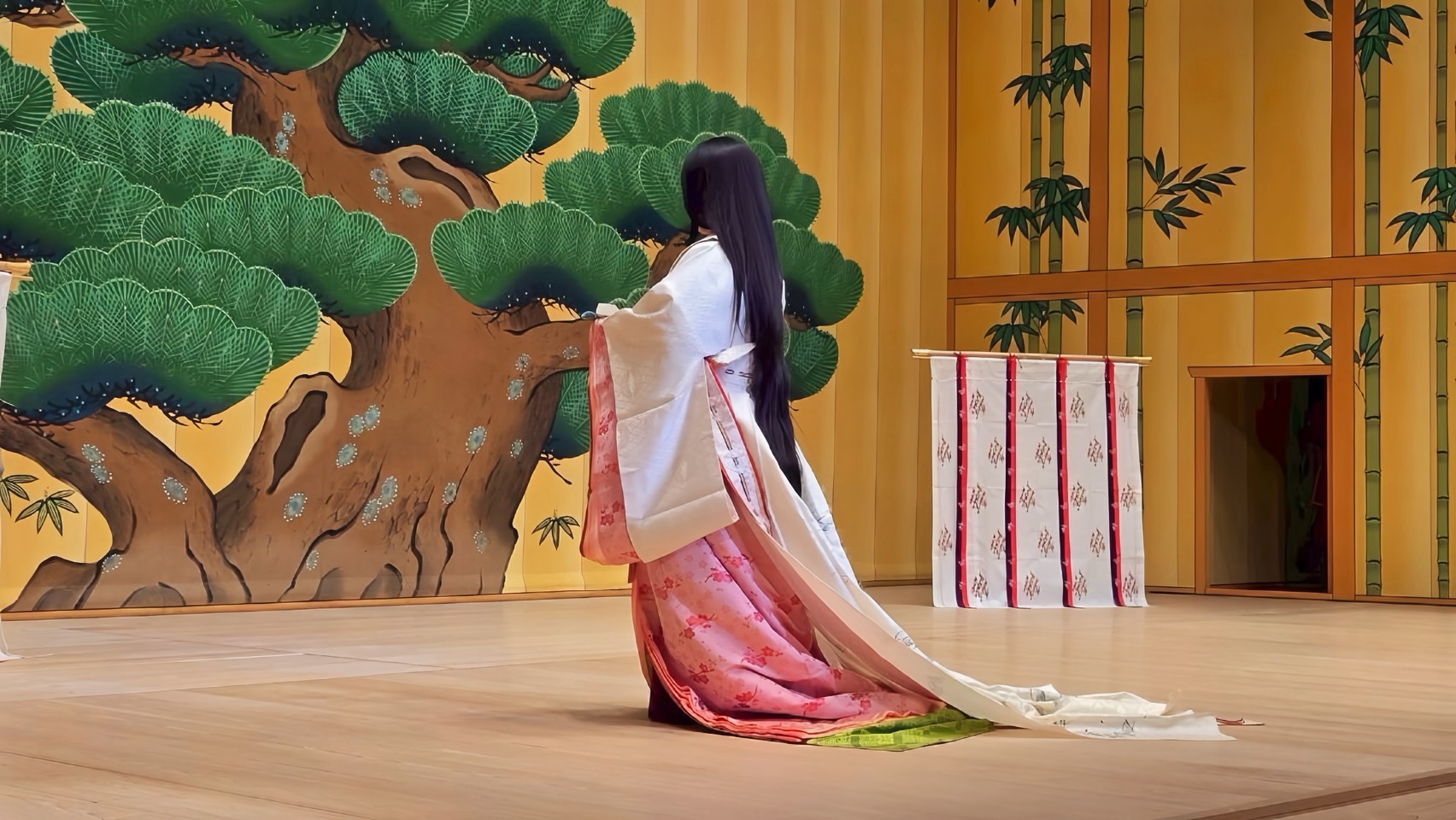
The Craftsmanship and People Behind the Tradition
This experience was made possible by the support of the association members. The jūnihitoe I wore was skillfully dressed by two experienced instructors in just about 15 minutes. Their movements were remarkably swift yet delicate, carefully adjusting each layer while ensuring comfort. I found myself captivated by their precision and artistry.
Interestingly, all the layers are secured with a single waist cord. After layering and fastening, the lower cord is removed, and this process is repeated. Although the weight rested on my shoulders, I was surprised by the lack of pressure around the abdomen. Unlike regular kimono, which can be worn alone, the jūnihitoe requires assistance and cannot be worn independently. As a traditional garment passed down for over a thousand years, it embodies both beauty and dignity. I felt deep respect for the accumulated skills and dedication of the instructors who preserve this tradition.
The entire preparation—from hair and makeup to tools—was also supported by the association members, who came not only from the Kanto region but also from areas such as Nagoya. They were dressed uniformly in elegant purple kimono with refined white obi. At the association, only those who have obtained specialized certification in court attire are permitted to perform the dressing. This was a powerful reminder of the weight of a tradition preserved over centuries.
Learning Opportunities for the Next Generation of Miss SAKE Finalists
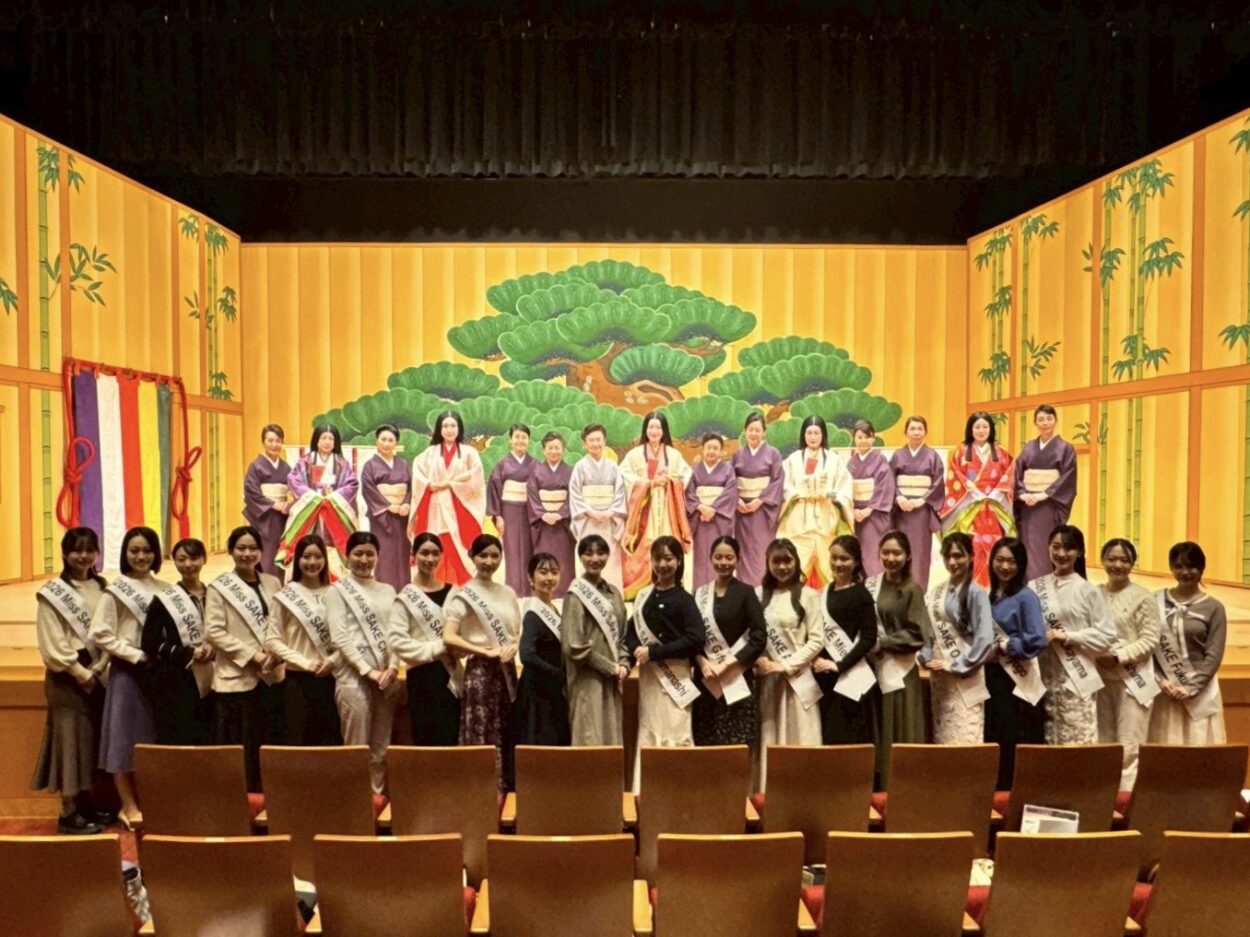
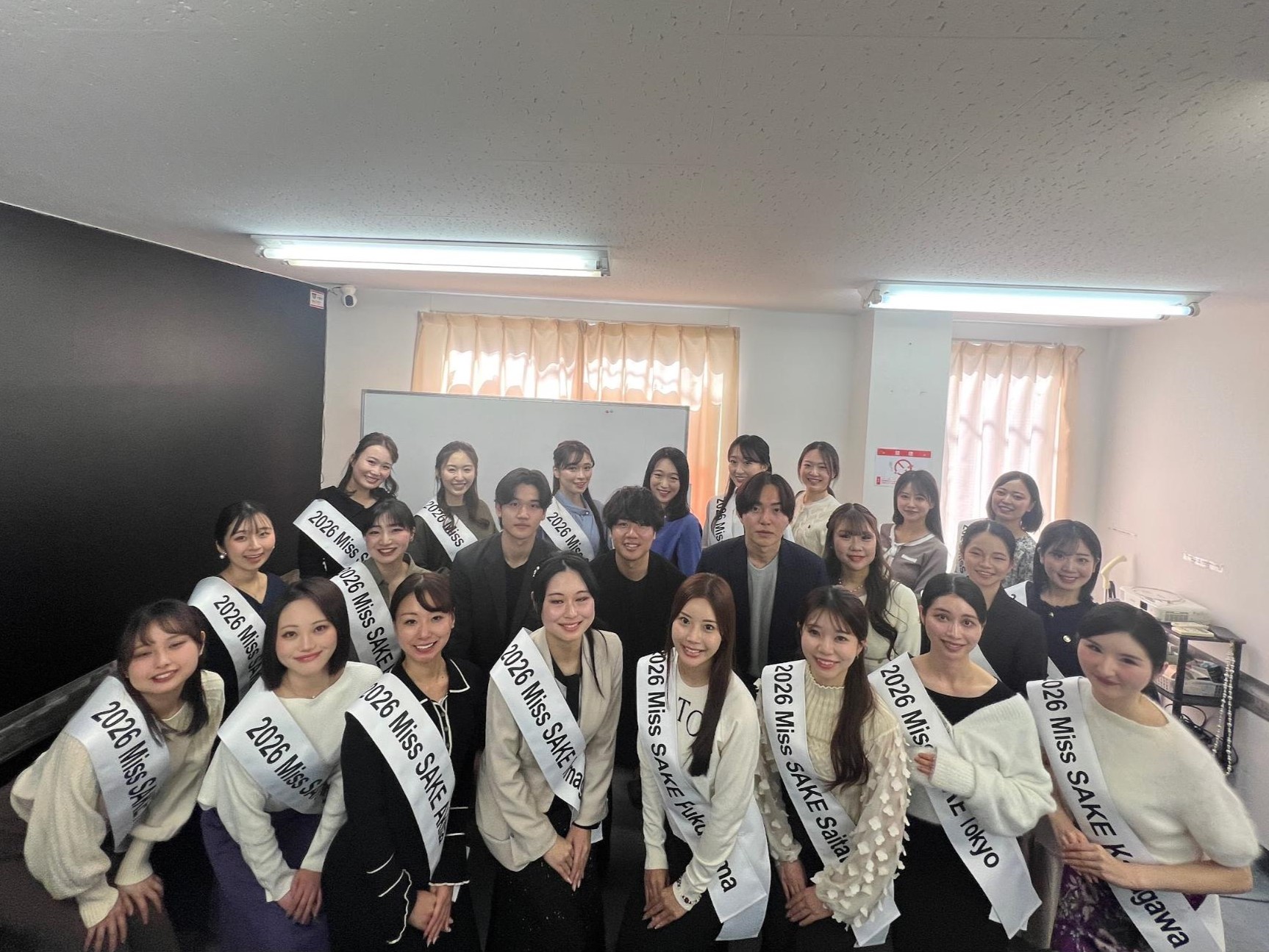
The 2026 Miss SAKE finalists also attended this seminar as part of the Nadeshiko Program. It appears to have been a valuable learning experience for them as well. For more details, please refer to the following reports:
皆さま、こんにちは。
2026 Miss SAKE 大阪 大植花です。
3/15(日)開催の第2回ナデシコプログラムについてご報告いたします。
〇当日のスケジュール
「ライブ配信について」(講師:株式会社z-creation 代表取締役 河合慶一朗様、取締役 遠藤祥平様)
「女性文...
皆さま、こんにちは。
2026 Miss SAKE 大阪 大植花です。
3/15(日)開催の第2回ナデシコプログラムについてご報告いたします。
〇当日のスケジュール
「ライブ配信について」(講師:株式会社z-creation 代表取締役 河合慶一朗様、取締役 遠藤祥平様)
「女性文...
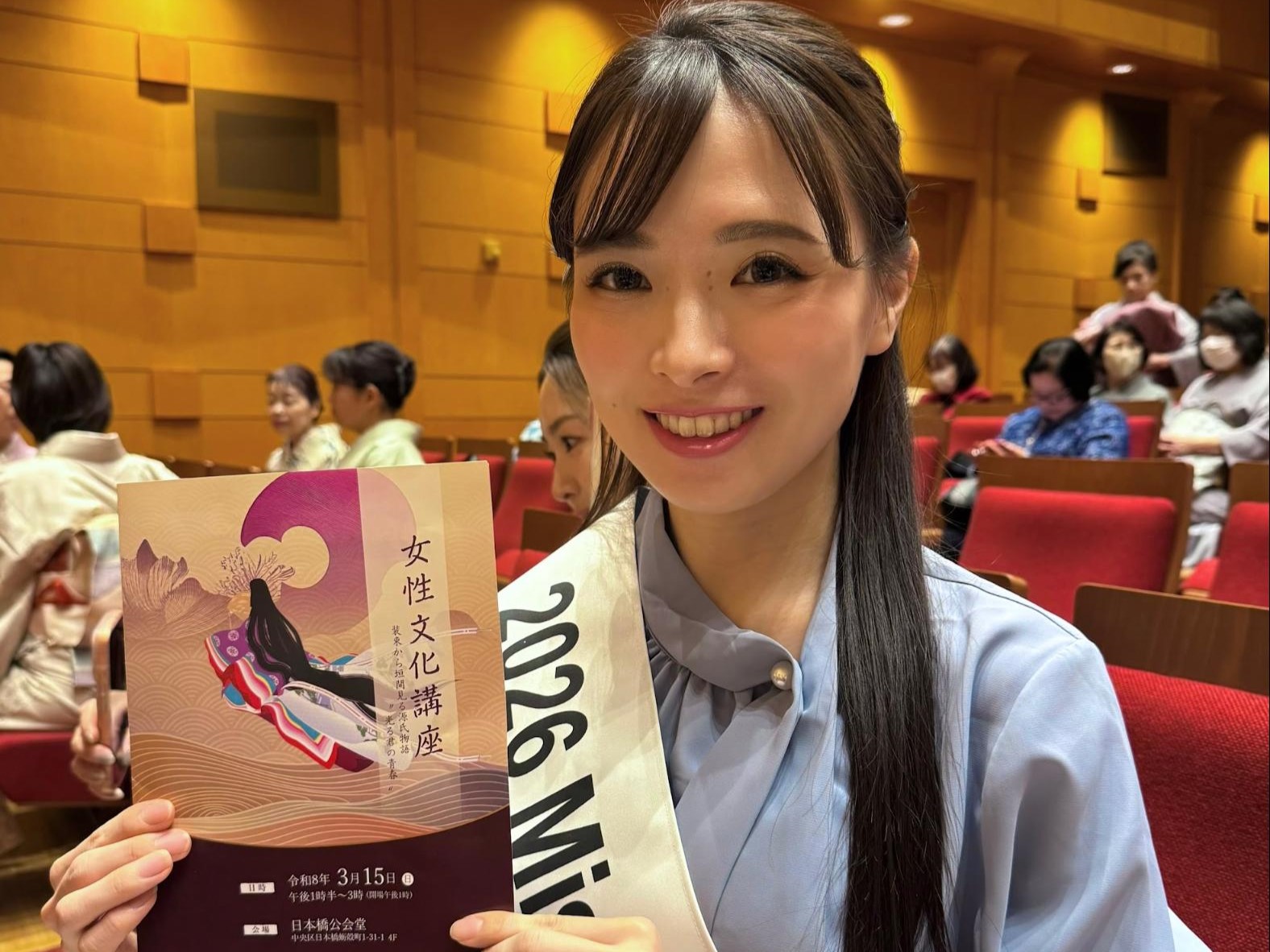
皆さま、こんにちは。
Miss SAKE 福島 長瀬志珠です。
2026年3月15日(日)に行われた、第2回ナデシコプログラムについての報告をさせていただきます。
この日の講義内容は以下の通りです。
①ライブ配信について
②女性文化講座の受講
ライブ配信から学ぶ自己発信力...
皆さま、こんにちは。
Miss SAKE 福島 長瀬志珠です。
2026年3月15日(日)に行われた、第2回ナデシコプログラムについての報告をさせていただきます。
この日の講義内容は以下の通りです。
①ライブ配信について
②女性文化講座の受講
ライブ配信から学ぶ自己発信力...
Through this “Women’s Culture Seminar,” I was once again reminded that Japanese traditional culture is not only about visible beauty or form, but is sustained by the skills and dedication of those who preserve it over time. Within each layer of the garments, I felt the presence of aesthetic values and spirituality that have been passed down through generations.
As Miss SAKE, I will continue to share not only the appeal of Japanese sake and culture, but also the history, values, and human effort behind them. I hope to cherish every encounter and communicate these stories carefully both in Japan and abroad.
Finally, I would like to express my sincere gratitude to the Association for Promoting the National Costume Culture of Japan for providing me with this invaluable opportunity.
Chisato Tateno
2025 Miss SAKE Japan