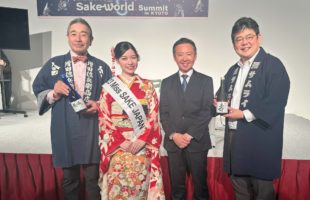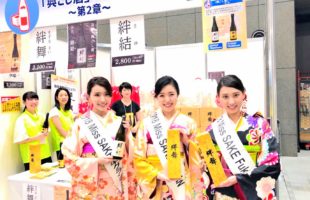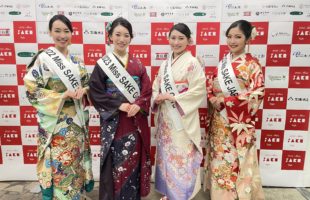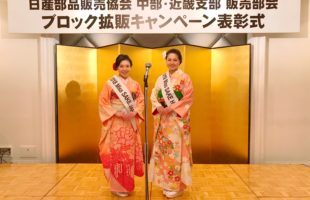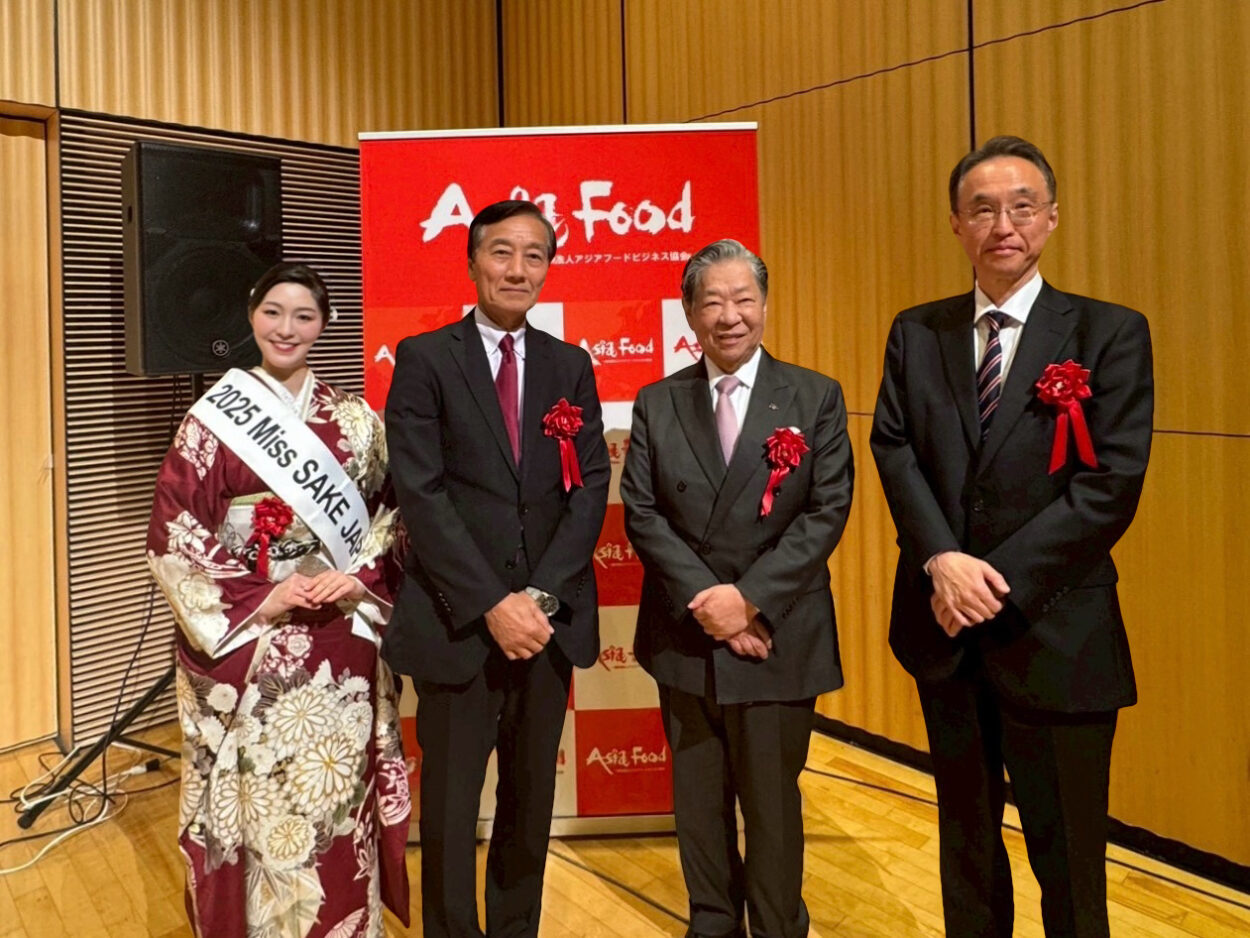
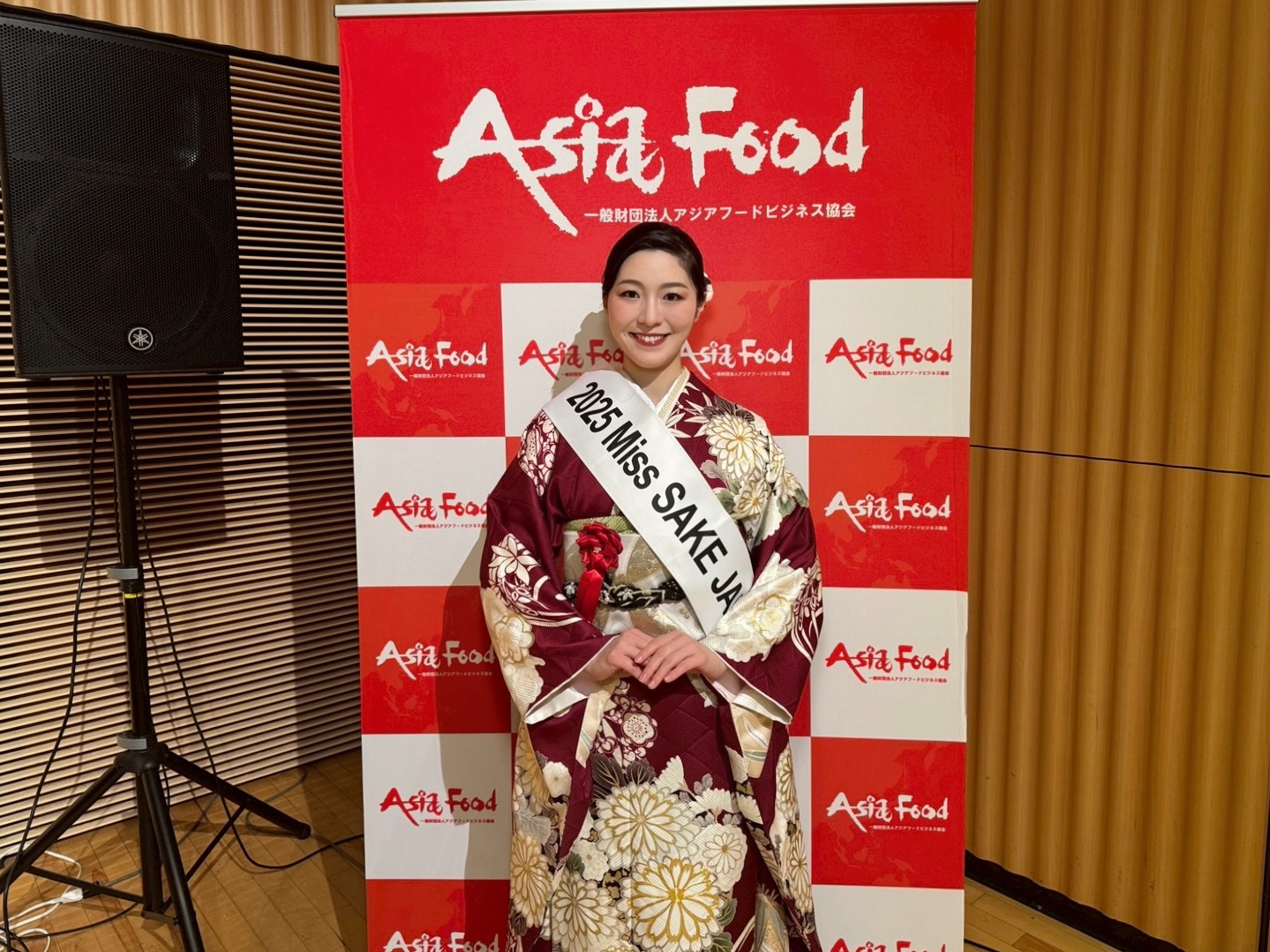
Hello everyone, this is Chisato Tateno, 2025 Miss SAKE Japan.
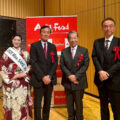
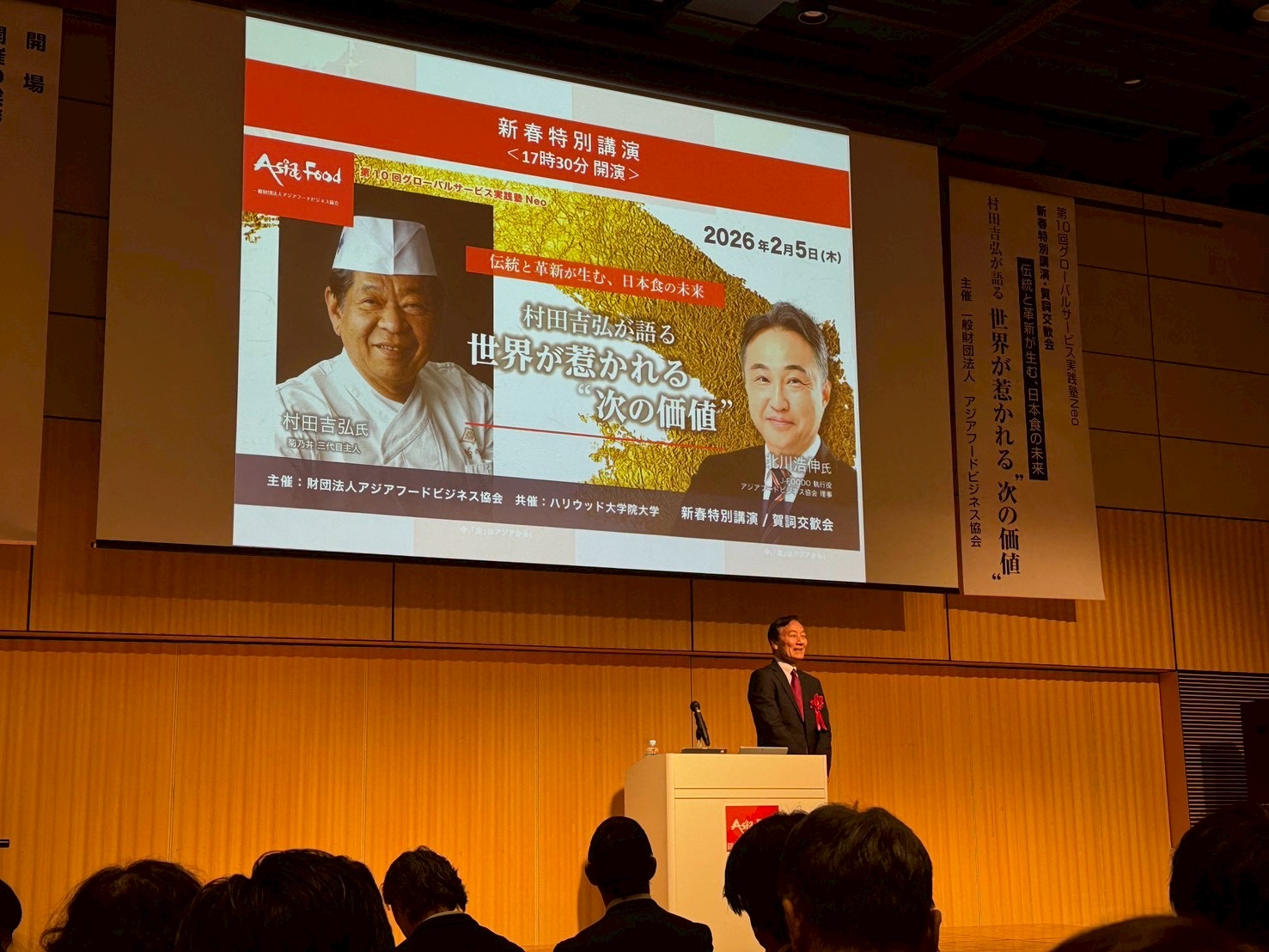
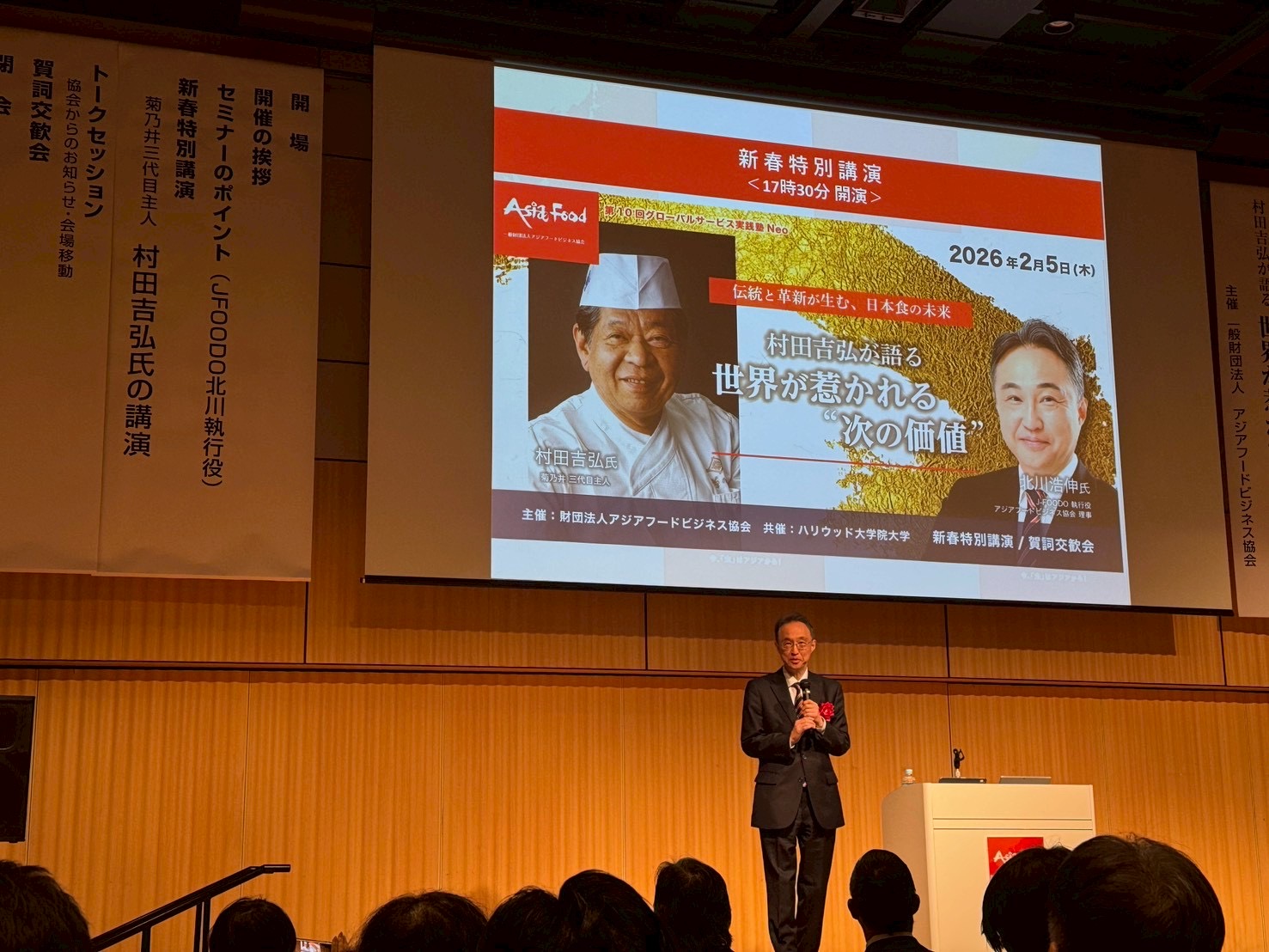
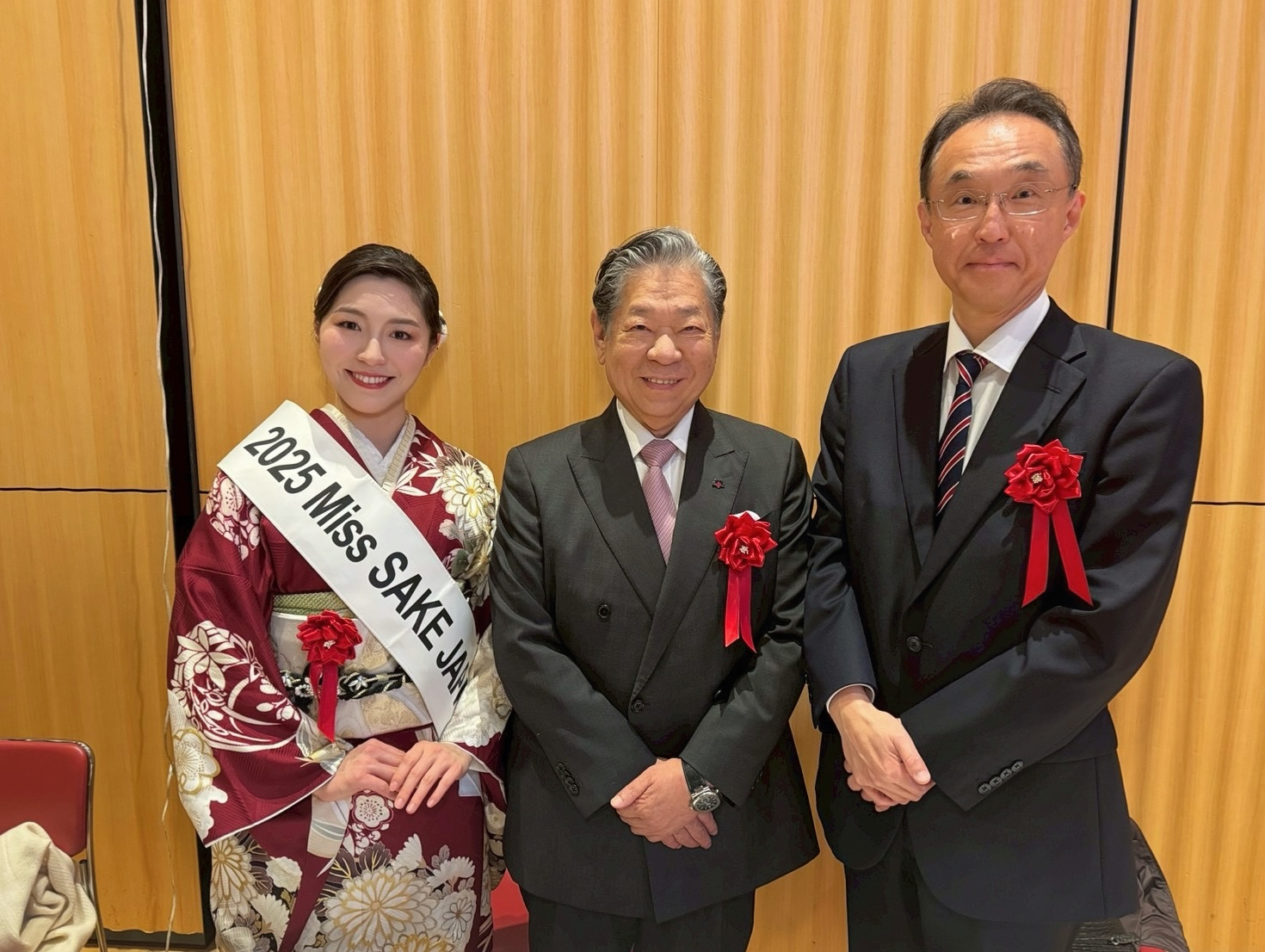
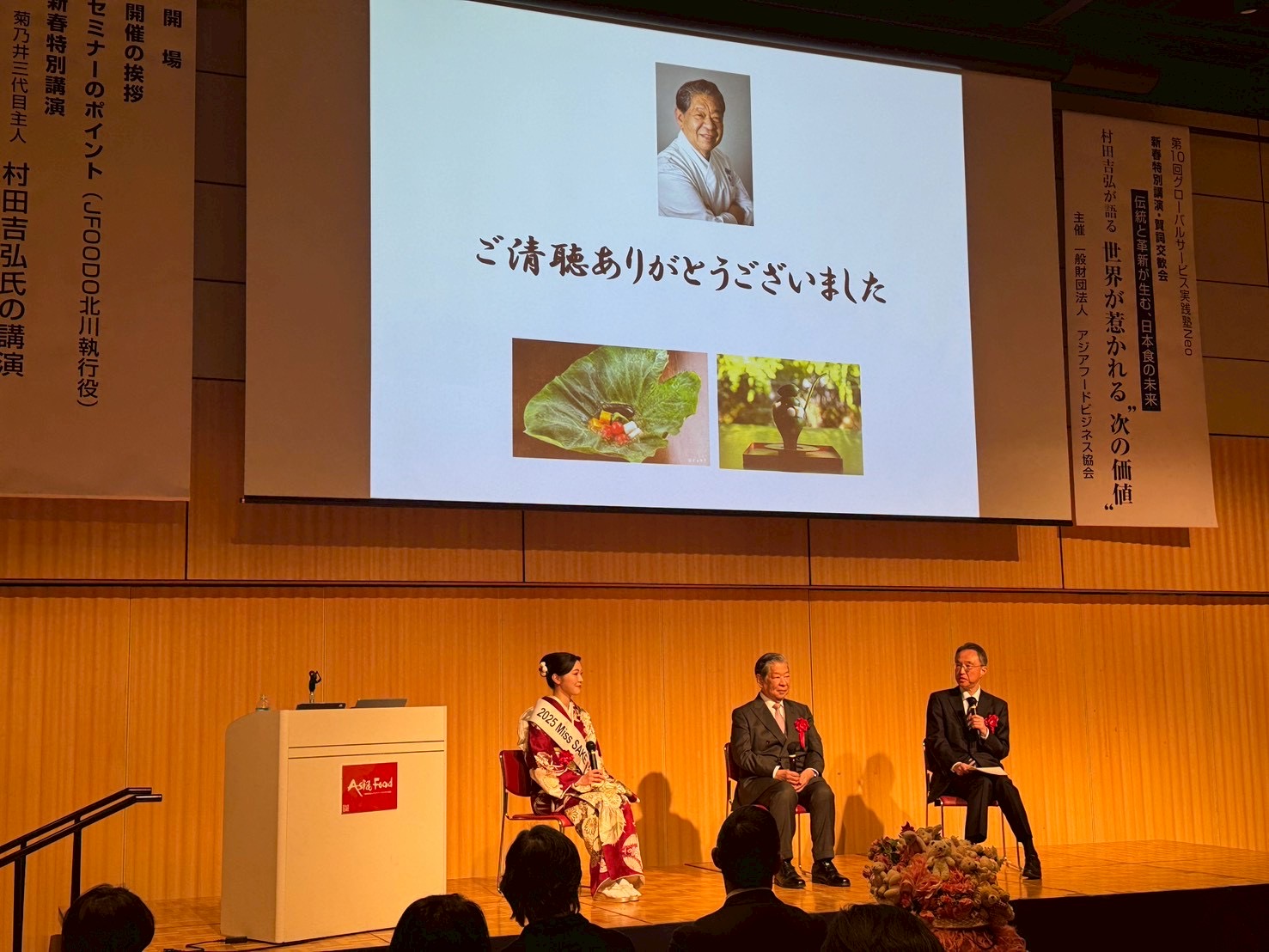
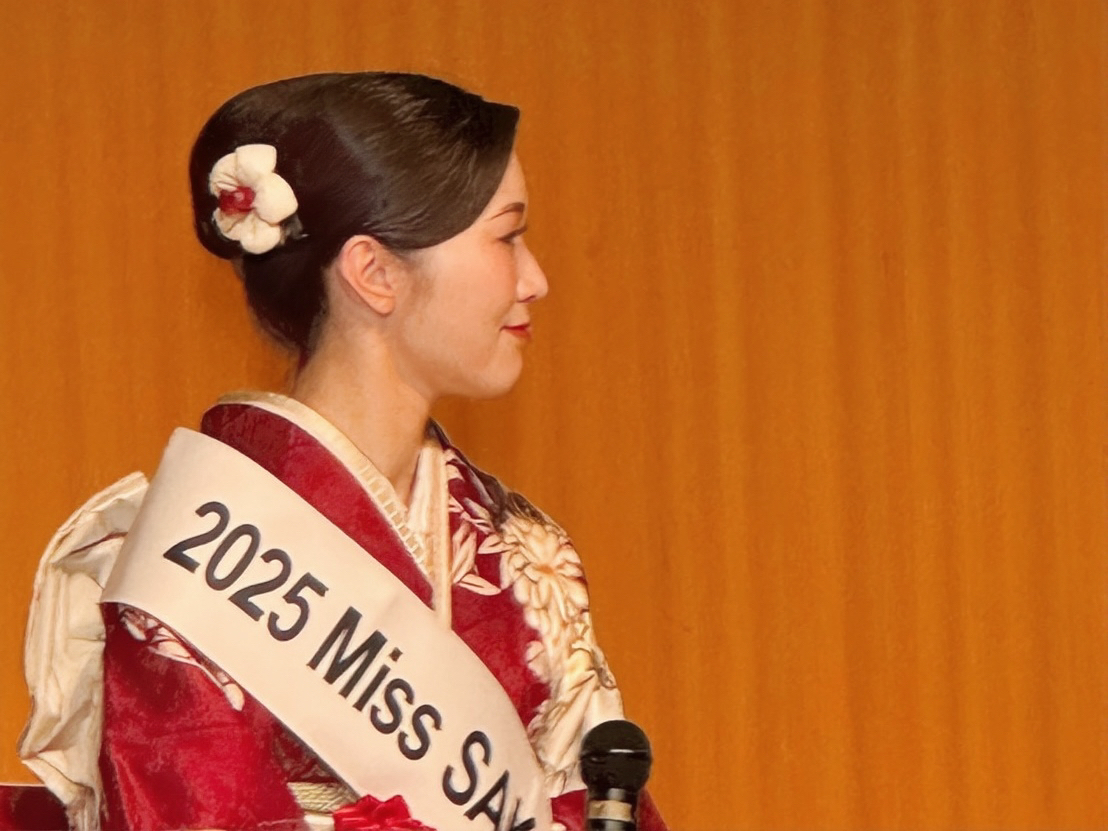
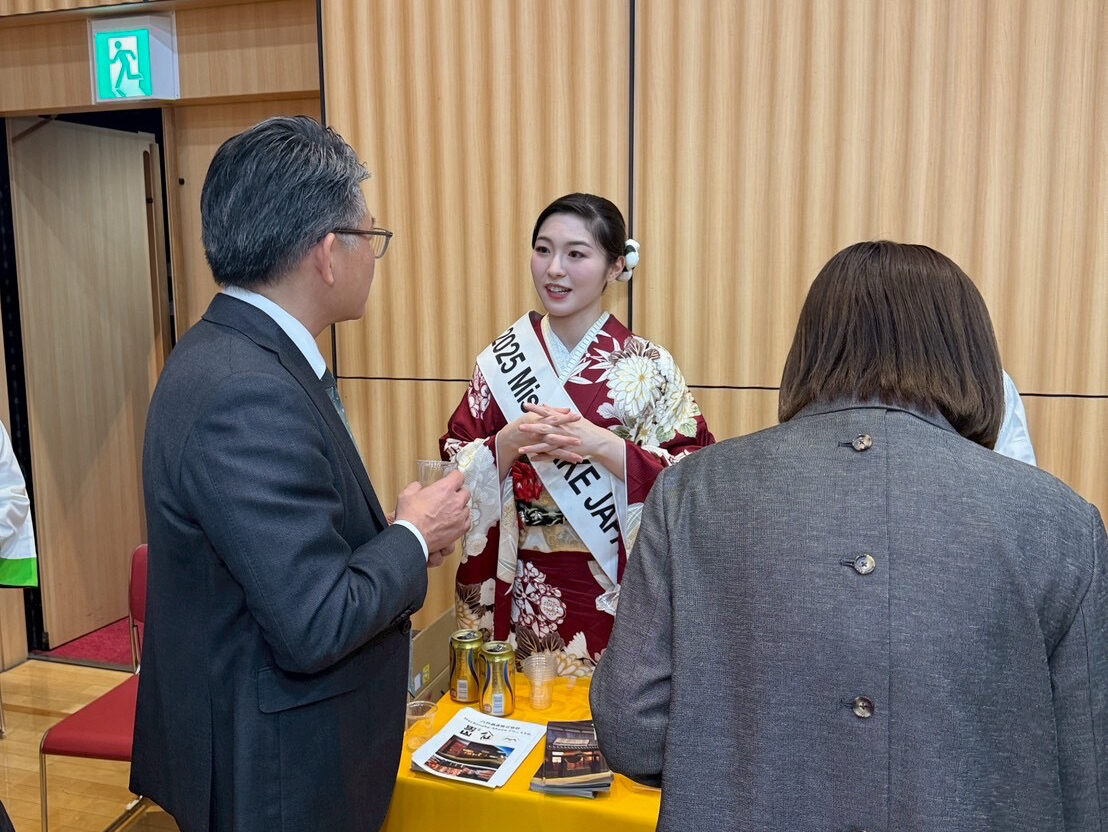
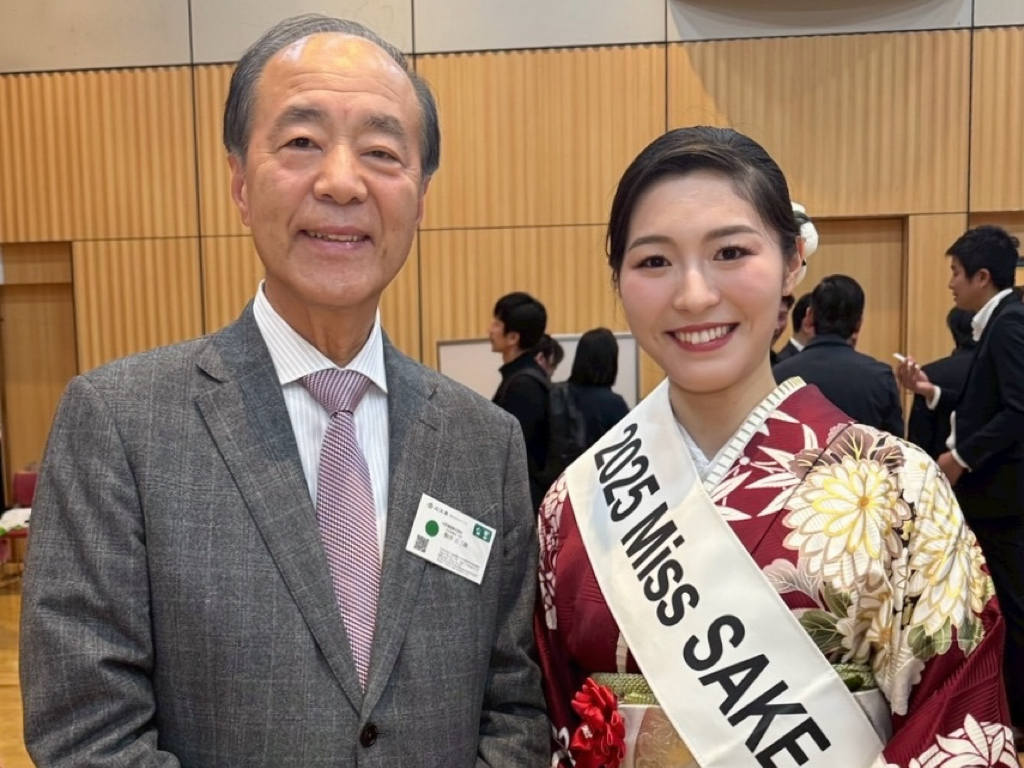
On Thursday, February 5, I had the honor of attending the 10th Global Service Practice Seminar Neo, titled “The Future of Japanese Cuisine Born from Tradition and Innovation,” held at Hollywood Graduate School of Business and Entrepreneurship in Minato-ku, Tokyo. Following the special lecture, I also participated in the talk session as a panelist. During the networking reception, I was pleased to assist at the sake tasting booth hosted by Hachinohe Shuzo (Aomori Prefecture), serving Japanese sake to guests.
About the Event
This event marked the 10th installment of the Global Service Practice Seminar Neo, organized by the Asia Food Business Association—the only industry support network dedicated specifically to the food sector in Asia. The seminar welcomed Mr. Yoshihiro Murata, third-generation proprietor of the renowned Kyoto Gion restaurant Kikunoi, under the theme “The Future of Japanese Cuisine Born from Tradition and Innovation.”
The program opened with welcoming remarks from Mikio Watanabe, Chairman of the Asia Food Business Association, who spoke about moving forward together under the shared philosophy of promoting the internationalization of food culture. This was followed by a keynote from Hironobu Kitagawa, Executive Officer of JFOODO (Japan Food Product Overseas Promotion Center), who emphasized the importance of advancing Japanese cuisine globally through collaboration across the service and food industries, utilizing both outbound and inbound strategies.
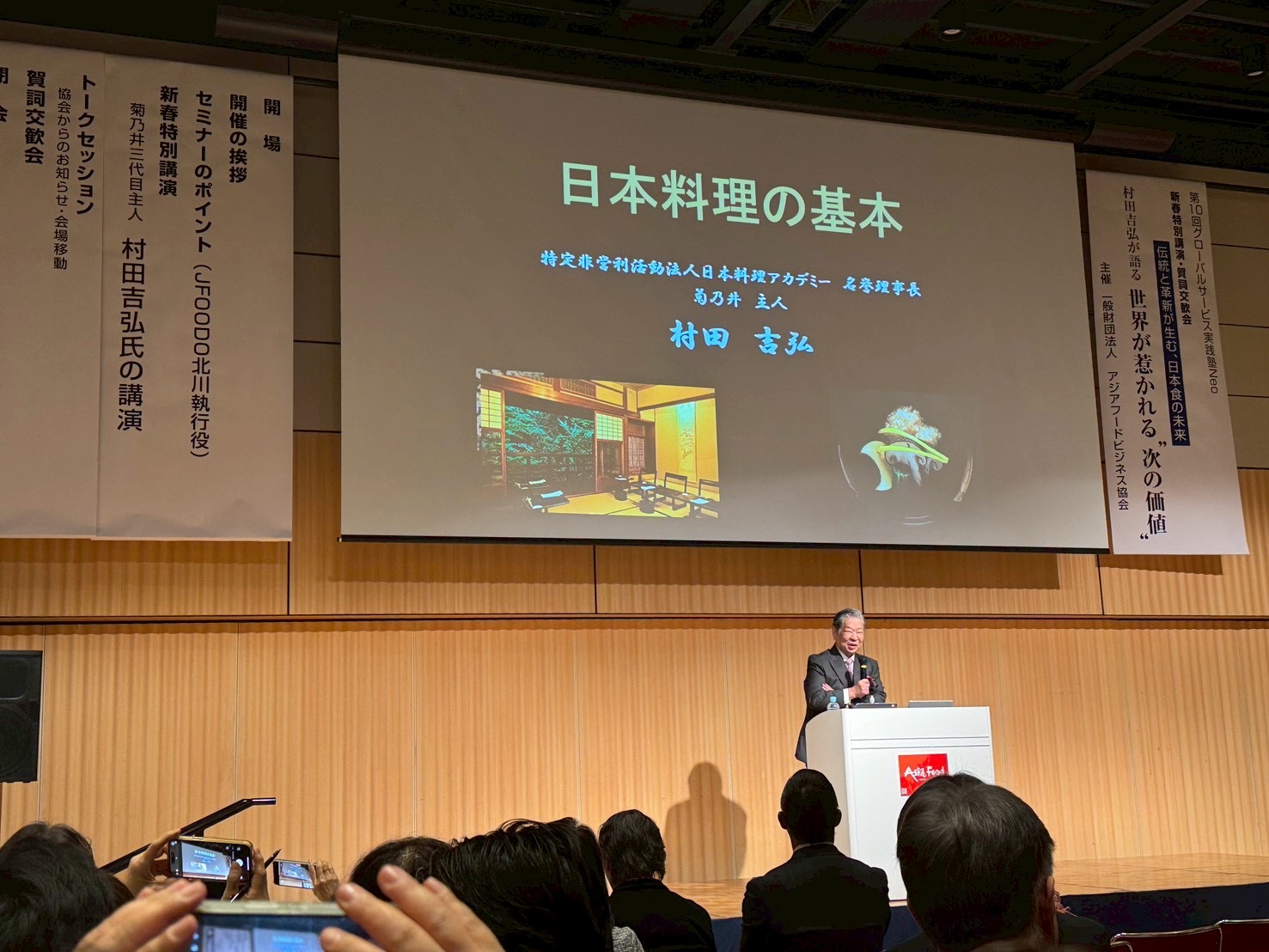
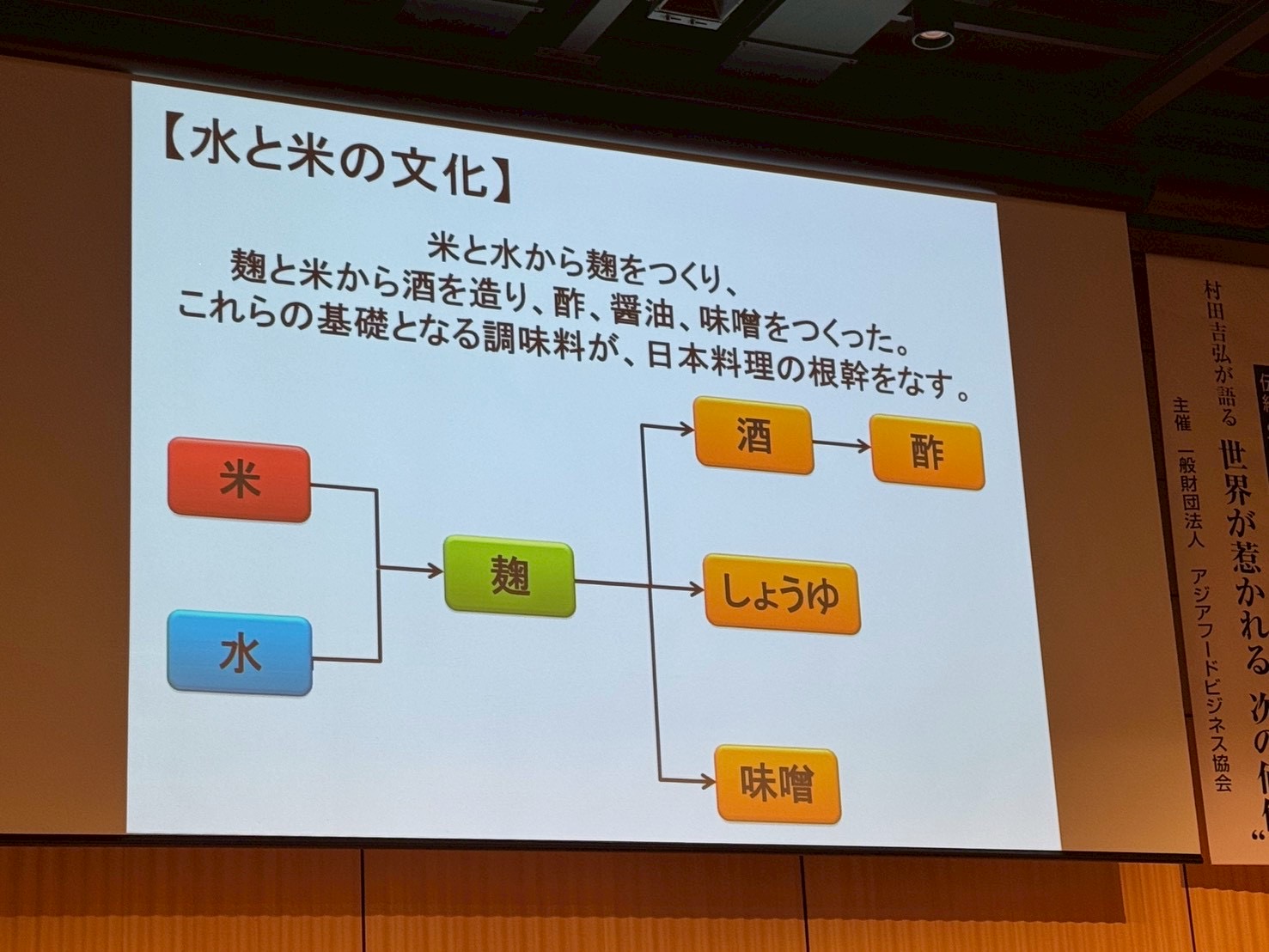
In the New Year special lecture, Mr. Murata spoke on “The Fundamentals of Japanese Cuisine,” sharing insights into the essence of washoku, its transmission to future generations, and strategic perspectives for global expansion. The subsequent talk session explored current challenges surrounding Japanese cuisine and the mindset needed for its future, through an engaging cross-talk format. The event concluded with a New Year networking reception, creating meaningful connections and fresh learning opportunities to mark the beginning of the year.
-
- {“ARInfo”:{“IsUseAR”:false},”Version”:”1.0.0″,”MakeupInfo”:{“IsUseMakeup”:false},”FaceliftInfo”:{“IsChangeEyeLift”:false,”IsChangeFacelift”:false,”IsChangePostureLift”:false,”IsChangeNose”:false,”IsChangeFaceChin”:false,”IsChangeMouth”:false,”IsChangeThinFace”:false},”BeautyInfo”:{“SwitchMedicatedAcne”:false,”IsAIBeauty”:false,”IsBrightEyes”:false,”IsSharpen”:false,”IsOldBeauty”:false,”IsReduceBlackEyes”:false},”HandlerInfo”:{“AppName”:2},”FilterInfo”:{“IsUseFilter”:false}}
The Value of Japanese Cuisine Recognized Worldwide
I had the privilege of attending Mr. Murata’s special lecture themed “The Future of Japanese Cuisine Born from Tradition and Innovation.” Mr. Murata also serves as Honorary Chairman of the Japanese Culinary Academy and is widely recognized as one of the key figures behind the 2013 UNESCO Intangible Cultural Heritage inscription of Washoku: Traditional Dietary Cultures of the Japanese.
What left a strong impression was his use of objective data to clearly explain why Japanese cuisine must now be positioned as a global cuisine. Japan currently faces rapid population decline and aging, with its population of approximately 120 million projected to fall to 80 million within the next 50 years. At the same time, the working-age population and food self-sufficiency rate are also decreasing. This shrinking domestic market threatens not only the sustainability of the food industry, but also the transmission of culinary skills and cultural heritage.Against this backdrop, Mr. Murata emphasized that globalizing Japanese food culture is essential to creating new value and economic circulation—ensuring that future generations can pursue stable and hopeful lives in the food sector.
He then explained the essence of Japanese cuisine from three perspectives:
First, “subtractive cooking”—respecting ingredients as gifts from nature, enhancing their inherent flavors with minimal seasoning.
Second, “small portions, wide variety, and low calories”—Japanese meals are well-balanced in carbohydrates, fats, and proteins, and are considered exceptionally healthy, averaging around 450 kcal per meal.
Third, umami as the core of flavor—while many global cuisines rely on fats, Japanese cuisine centers on umami derived from kombu kelp and bonito flakes.
Although Japanese cuisine holds these unique qualities, its recognition as UNESCO heritage required many years of effort. Notably, it was registered as “Washoku” rather than “Japanese cuisine,” reflecting an intention to highlight the underlying philosophy of harmony, seasonal traditions, and reverence for nature. Each dish embodies generations of wisdom, sensitivity, and coexistence with nature—values that deserve to be passed on.
-
- {“ARInfo”:{“IsUseAR”:false},”Version”:”1.0.0″,”MakeupInfo”:{“IsUseMakeup”:false},”FaceliftInfo”:{“IsChangeEyeLift”:false,”IsChangeFacelift”:false,”IsChangePostureLift”:false,”IsChangeNose”:false,”IsChangeFaceChin”:false,”IsChangeMouth”:false,”IsChangeThinFace”:false},”BeautyInfo”:{“SwitchMedicatedAcne”:false,”IsAIBeauty”:false,”IsBrightEyes”:false,”IsSharpen”:false,”IsOldBeauty”:false,”IsReduceBlackEyes”:false},”HandlerInfo”:{“AppName”:2},”FilterInfo”:{“IsUseFilter”:false}}
The Future of Japanese Cuisine Through Dialogue
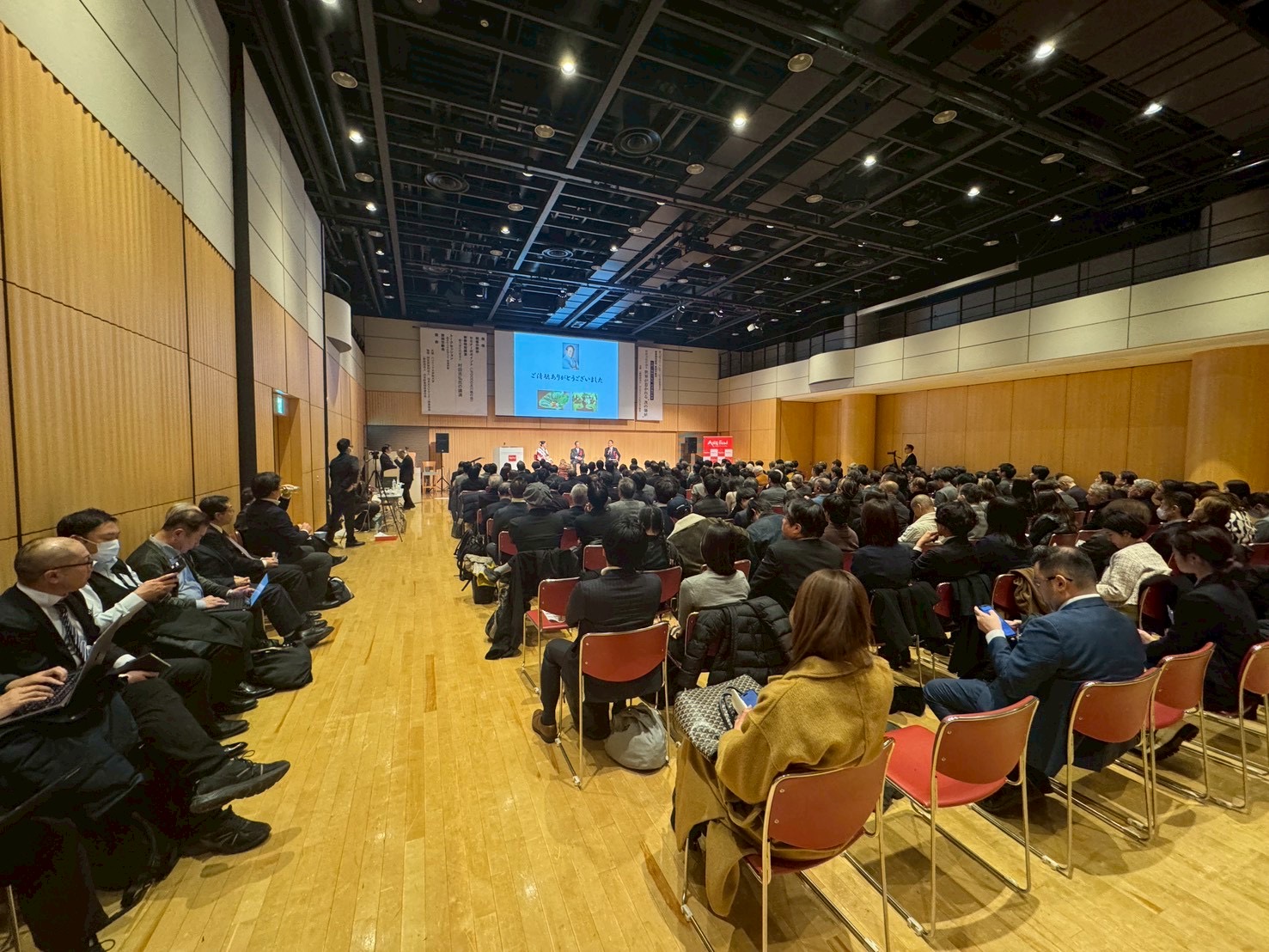
During the talk session, I joined with Mr. Kitagawa on stage and asked Mr. Murata several questions in a cross-talk format. I inquired about the challenges of preserving Japanese cuisine in today’s borderless global society and the values he holds most dear. One particularly striking statement was: “Food preferences are not inherited. Education is essential for continuity.” As younger generations increasingly adopt Western diets, opportunities to eat rice and fish are declining. This highlighted the importance of returning to our roots and fostering everyday appreciation for Japanese cuisine.
Another key takeaway was the importance of flexibility in expanding Japanese cuisine overseas. Mr. Murata cited the example of tarako spaghetti, which emerged after Italian cuisine was introduced to Japan and evolved uniquely within Japanese food culture. Likewise, he emphasized that Japanese cuisine must embrace new ingredients, tastes, and cultural differences. Preserving tradition while welcoming diversity, he explained, is the key to shaping its future.
-
- {“ARInfo”:{“IsUseAR”:false},”Version”:”1.0.0″,”MakeupInfo”:{“IsUseMakeup”:false},”FaceliftInfo”:{“IsChangeEyeLift”:false,”IsChangeFacelift”:false,”IsChangePostureLift”:false,”IsChangeNose”:false,”IsChangeFaceChin”:false,”IsChangeMouth”:false,”IsChangeThinFace”:true},”BeautyInfo”:{“SwitchMedicatedAcne”:false,”IsAIBeauty”:false,”IsBrightEyes”:false,”IsSharpen”:false,”IsOldBeauty”:false,”IsReduceBlackEyes”:false},”HandlerInfo”:{“AppName”:2},”FilterInfo”:{“IsUseFilter”:false}}
New Connections Through Sake
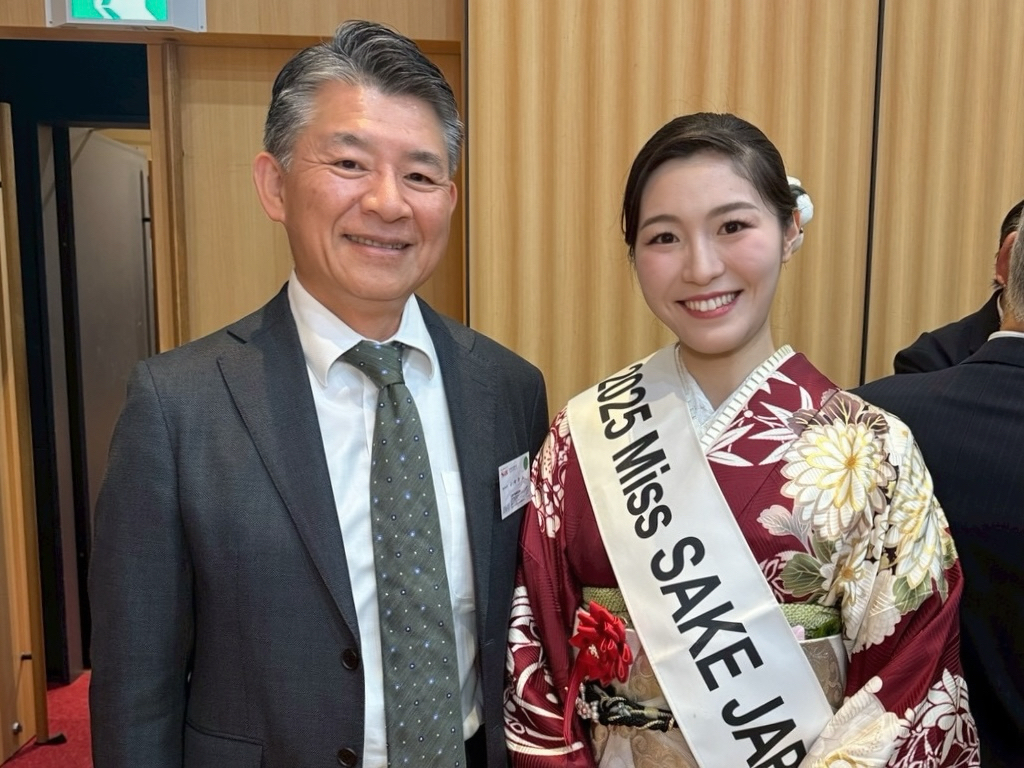
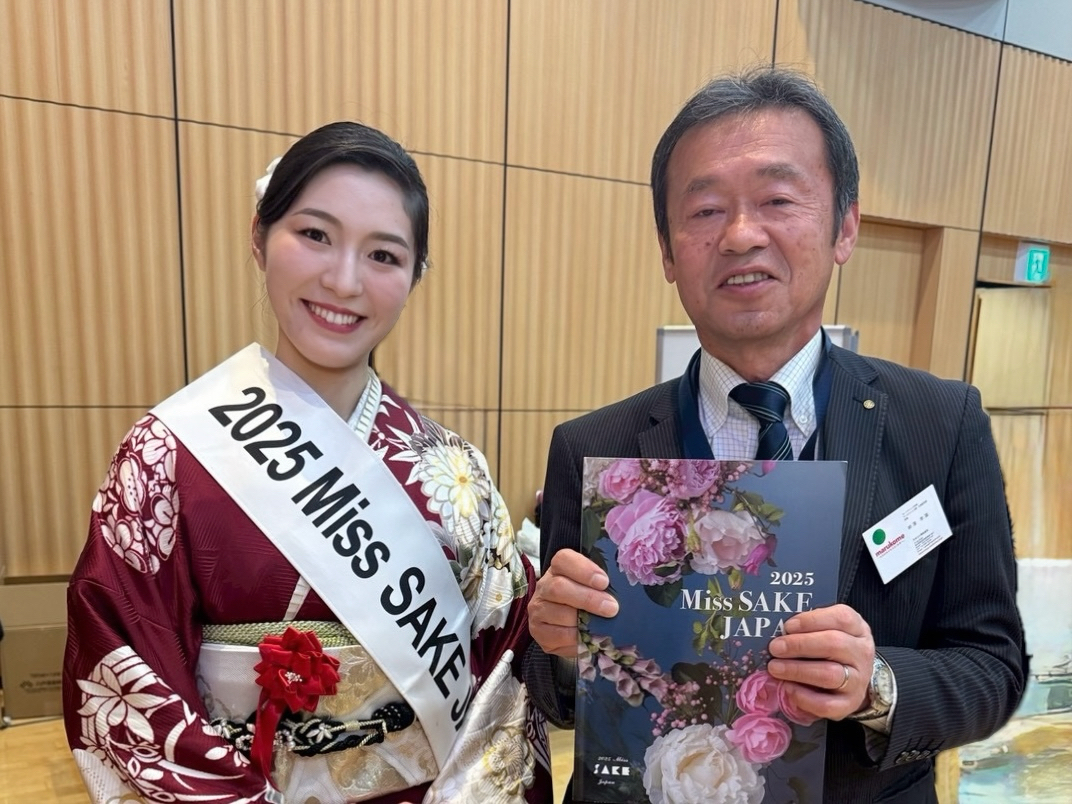
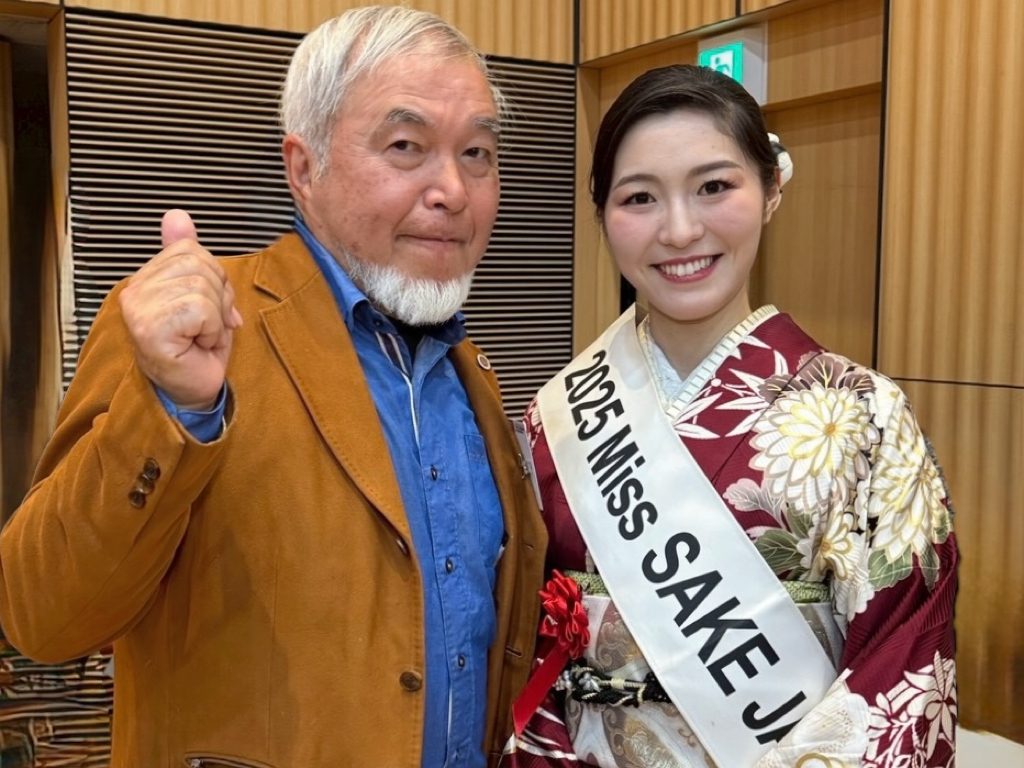
At the networking reception, I had the pleasure of introducing sake from Hachinohe Shuzo. Serving guests who shared a common vision for the globalization of Japanese food became a meaningful form of dialogue through taste.
Some of the first-time sake drinkers shared comments such as, “It’s surprisingly easy to drink,” and “The aroma is beautifully fragrant.” Light, approachable styles and long-loved local favorites were especially popular, drawing lively crowds to the booth.
Mutsu Otokoyama Super Dry Junmai – Clean, crisp, and enjoyable both chilled and warmed.
Mutsu Hassen Tokubetsu Junmai – A well-balanced classic beloved in Hachinohe, versatile with many dishes.
Mutsu Hassen Pink Label Ginjo (Pasteurized) – Melon and banana aromas with rich umami; pairs well even with Western cuisine.
Mutsu Hassen Daiginjo – Aged in the brewery for six months, offering elegant aromas and rounded umami and sweetness.
AOMORI JUICY LAB – Apple – A sparkling low-alcohol beverage (3%) made from Aomori apples using airtight pressing, fresh and fruit-forward.
-

- {“ARInfo”:{“IsUseAR”:false},”Version”:”1.0.0″,”MakeupInfo”:{“IsUseMakeup”:false},”FaceliftInfo”:{“IsChangeEyeLift”:false,”IsChangeFacelift”:false,”IsChangePostureLift”:false,”IsChangeNose”:false,”IsChangeFaceChin”:false,”IsChangeMouth”:false,”IsChangeThinFace”:false},”BeautyInfo”:{“SwitchMedicatedAcne”:false,”IsAIBeauty”:false,”IsBrightEyes”:false,”IsSharpen”:false,”IsOldBeauty”:false,”IsReduceBlackEyes”:false},”HandlerInfo”:{“AppName”:2},”FilterInfo”:{“IsUseFilter”:false}}
-
- {“ARInfo”:{“IsUseAR”:false},”Version”:”1.0.0″,”MakeupInfo”:{“IsUseMakeup”:false},”FaceliftInfo”:{“IsChangeEyeLift”:false,”IsChangeFacelift”:false,”IsChangePostureLift”:false,”IsChangeNose”:false,”IsChangeFaceChin”:false,”IsChangeMouth”:false,”IsChangeThinFace”:false},”BeautyInfo”:{“SwitchMedicatedAcne”:false,”IsAIBeauty”:false,”IsBrightEyes”:false,”IsSharpen”:false,”IsOldBeauty”:false,”IsReduceBlackEyes”:false},”HandlerInfo”:{“AppName”:2},”FilterInfo”:{“IsUseFilter”:false}}
-
- {“ARInfo”:{“IsUseAR”:false},”Version”:”1.0.0″,”MakeupInfo”:{“IsUseMakeup”:false},”FaceliftInfo”:{“IsChangeEyeLift”:false,”IsChangeFacelift”:false,”IsChangePostureLift”:false,”IsChangeNose”:false,”IsChangeFaceChin”:false,”IsChangeMouth”:false,”IsChangeThinFace”:false},”BeautyInfo”:{“SwitchMedicatedAcne”:false,”IsAIBeauty”:false,”IsBrightEyes”:false,”IsSharpen”:false,”IsOldBeauty”:false,”IsReduceBlackEyes”:false},”HandlerInfo”:{“AppName”:2},”FilterInfo”:{“IsUseFilter”:false}}
-
- {“ARInfo”:{“IsUseAR”:false},”Version”:”1.0.0″,”MakeupInfo”:{“IsUseMakeup”:false},”FaceliftInfo”:{“IsChangeEyeLift”:false,”IsChangeFacelift”:false,”IsChangePostureLift”:false,”IsChangeNose”:false,”IsChangeFaceChin”:false,”IsChangeMouth”:false,”IsChangeThinFace”:false},”BeautyInfo”:{“SwitchMedicatedAcne”:false,”IsAIBeauty”:false,”IsBrightEyes”:false,”IsSharpen”:false,”IsOldBeauty”:false,”IsReduceBlackEyes”:false},”HandlerInfo”:{“AppName”:2},”FilterInfo”:{“IsUseFilter”:false}}
-
- {“ARInfo”:{“IsUseAR”:false},”Version”:”1.0.0″,”MakeupInfo”:{“IsUseMakeup”:false},”FaceliftInfo”:{“IsChangeEyeLift”:false,”IsChangeFacelift”:false,”IsChangePostureLift”:false,”IsChangeNose”:false,”IsChangeFaceChin”:false,”IsChangeMouth”:false,”IsChangeThinFace”:false},”BeautyInfo”:{“SwitchMedicatedAcne”:false,”IsAIBeauty”:false,”IsBrightEyes”:false,”IsSharpen”:false,”IsOldBeauty”:false,”IsReduceBlackEyes”:false},”HandlerInfo”:{“AppName”:2},”FilterInfo”:{“IsUseFilter”:false}}
-
- {“ARInfo”:{“IsUseAR”:false},”Version”:”1.0.0″,”MakeupInfo”:{“IsUseMakeup”:false},”FaceliftInfo”:{“IsChangeEyeLift”:false,”IsChangeFacelift”:false,”IsChangePostureLift”:false,”IsChangeNose”:false,”IsChangeFaceChin”:false,”IsChangeMouth”:false,”IsChangeThinFace”:false},”BeautyInfo”:{“SwitchMedicatedAcne”:false,”IsAIBeauty”:false,”IsBrightEyes”:false,”IsSharpen”:false,”IsOldBeauty”:false,”IsReduceBlackEyes”:false},”HandlerInfo”:{“AppName”:2},”FilterInfo”:{“IsUseFilter”:false}}
Through this event, I was reminded that Japanese cuisine is more than technique—it embodies Japanese values, reverence for nature, and responsibility toward future generations. In particular, Mr. Murata’s words reminded me of the importance of not simply “preserving” tradition, but allowing it to evolve through encounters with new cultures and perspectives. By balancing what must remain unchanged with expressions that can flexibly develop, Japanese cuisine can continue to be loved and shared around the world. I felt that this message was not only meant for chefs, but for everyone who cherishes culture and seeks to pass it on to future generations.
As Miss SAKE, I have witnessed how Japanese food and sake gain new depth when they meet diverse cultures and perspectives. This experience reaffirmed that my role is not simply to present a finished culture, but to convey the stories, philosophies, and human connections behind it—expanding circles of empathy.I will continue striving to connect the richness and potential of Japan’s food culture with the world, contributing in my own small way to building a future where the next generation can find hope in the field of food.
Chisato Tateno
2025 Miss SAKE Japan