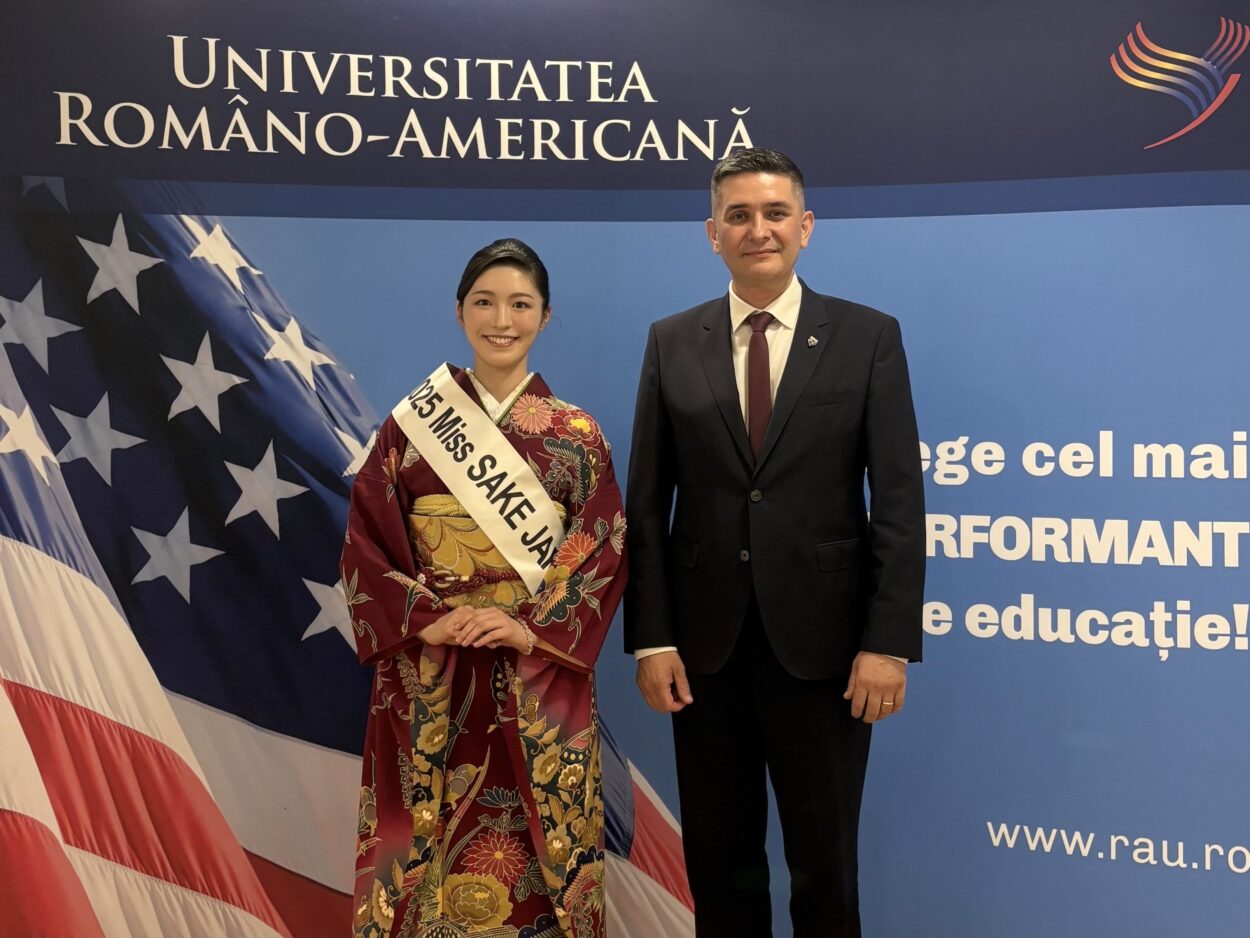
Hello everyone, this is Chisato Tateno, 2025 Miss SAKE Japan.
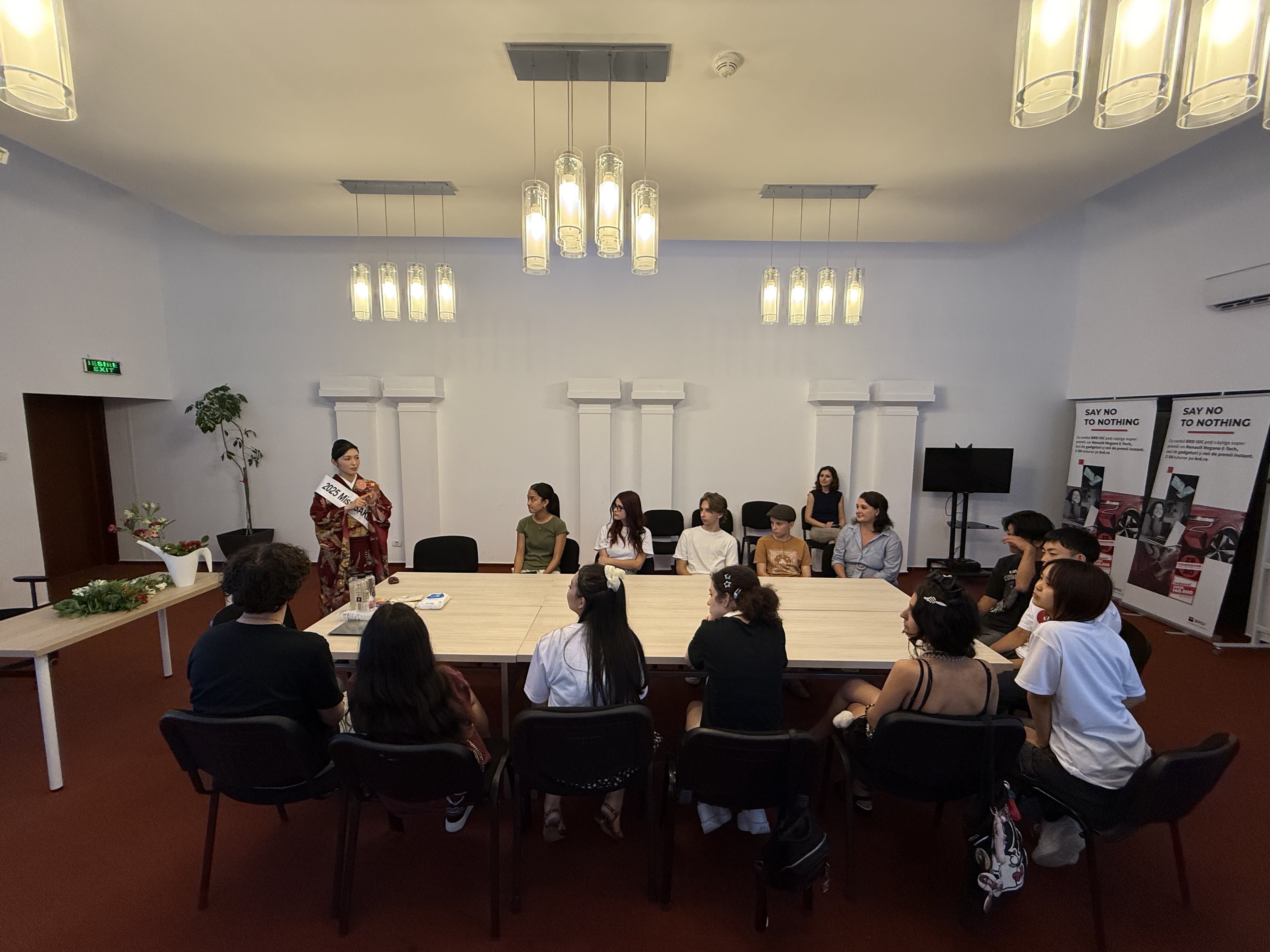
On Monday, August 4, as part of the Japan–Romania cultural exchange program for high school students, the “REC PROGRAM,” I had the honor of hosting a Handmade Amazake Workshop at the “Angela Hondru” Romanian – Japanese Studies Center of the Romanian-American University.
REC PROGRAMについて
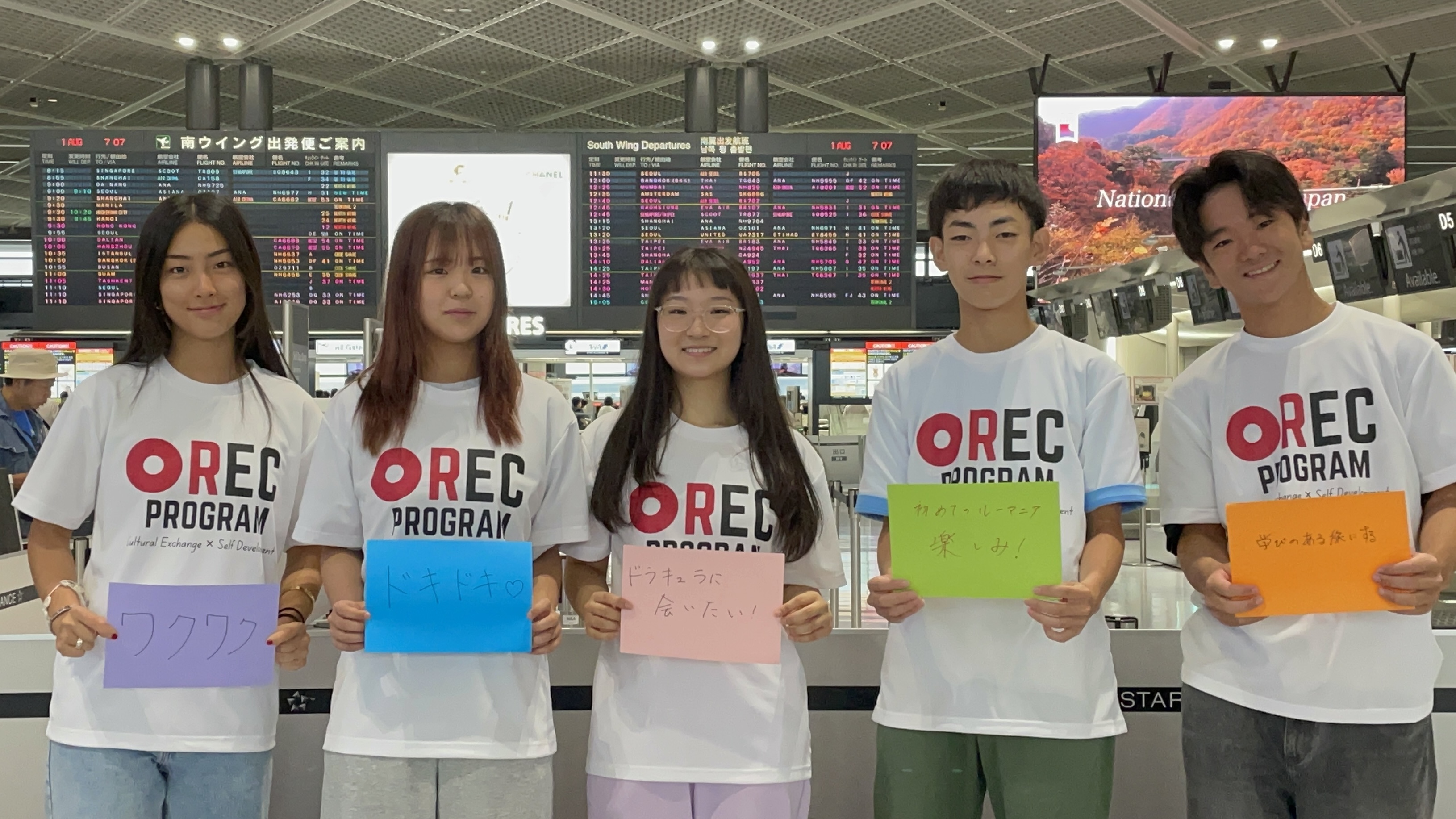
The REC PROGRAM is a dispatch-style initiative designed for Japanese and Romanian high school students, aiming to promote international exchange and mutual understanding through culture and education.
In REC PROGRAM 2025, Japanese high school students spent 12 days in Romania, engaging in hands-on cultural exchange with local students across a wide range of fields, including traditional crafts, cuisine, folk costumes, and dance. In addition, the process will be documented and shared as a documentary film, with the goal of raising awareness of the importance of cross-cultural understanding and the value of personal growth.
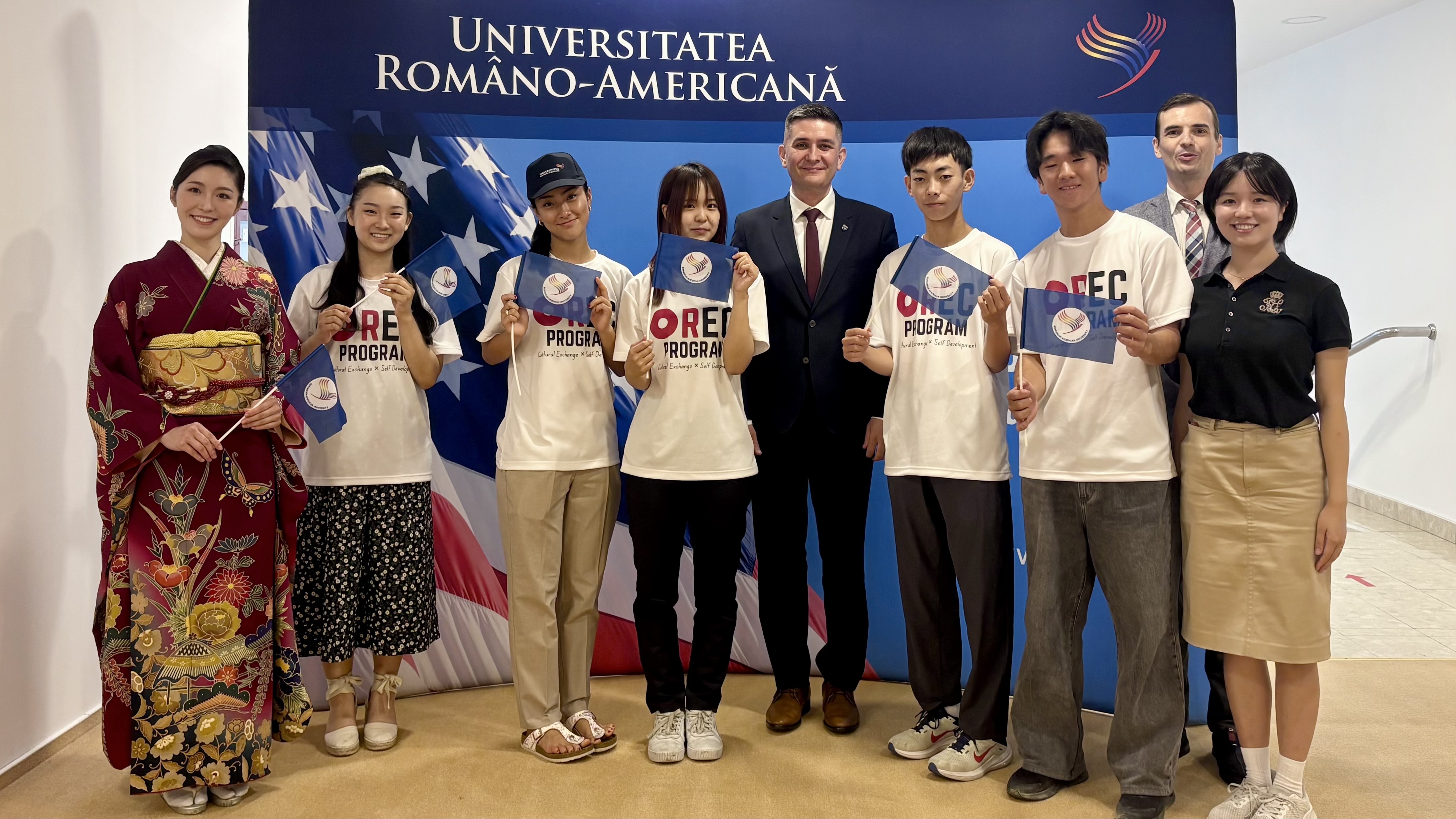
This program is organized with the support of the Embassy of Romania in Japan and the “Angela Hondru” Romanian – Japanese Studies Center at the Romanian-American University. Through cultural and interpersonal exchange, it seeks to foster future global leaders who can contribute to international cooperation and to deepen long-term relations between Japan and Romania.
About the “Angela Hondru” Romanian – Japanese Studies Center
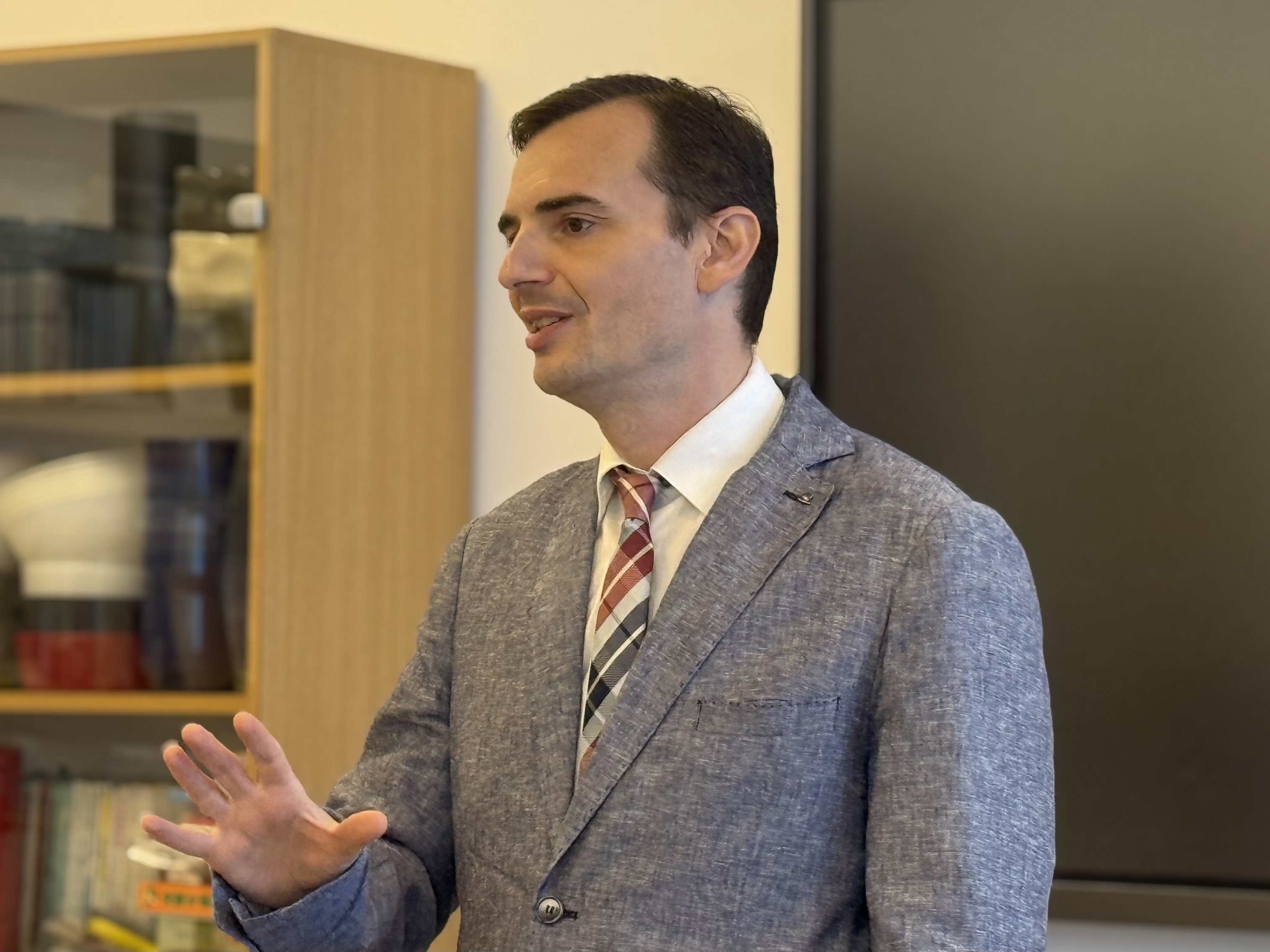
The Angela Hondru Romanian-Japanese Studies Center (Centrul de Studii Româno-Japoneze “Angela Hondru”) at the Romanian-American University is an institution dedicated to promoting the Japanese language and culture through a wide range of educational and cultural activities. Under the leadership of Director Șerban Georgescu, the center offers expert-led courses in diverse fields such as tea ceremony, ikebana, origami, calligraphy, kimono, and taiko drumming. With over 500 people currently enrolled, the center provides learning opportunities not only for university students but also for the general public. It also actively organizes cultural events, study trips to Japan, and scholarship programs. In March 2021, the center was commended by the Ministry of Foreign Affairs of Japan for its cultural outreach efforts, making significant contributions to promoting understanding of Japan and deepening Japan–Romania relations.
Handmade Amazake Workshop
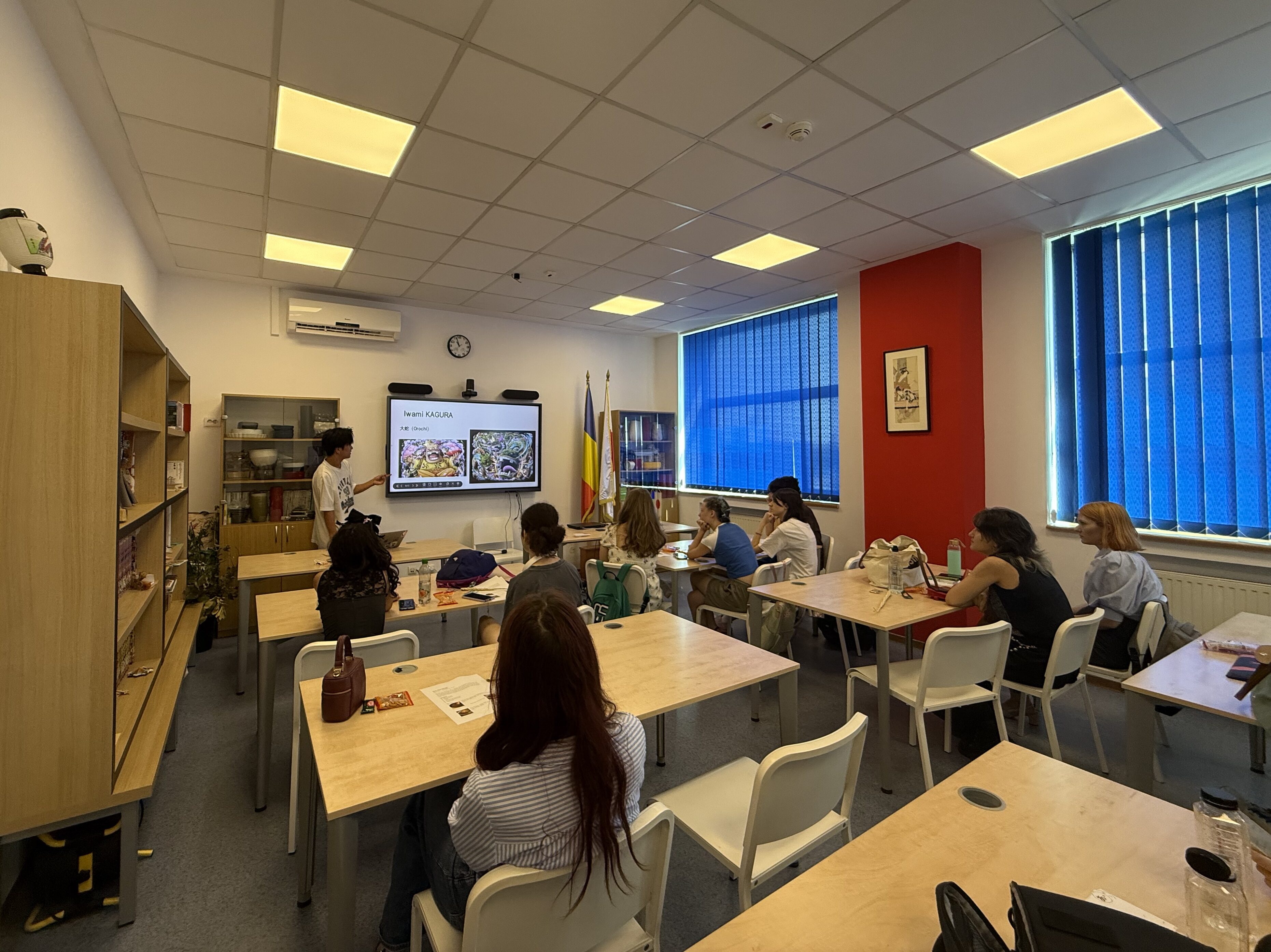
This time, I organized a Handmade Amazake Workshop for Japanese and Romanian high school students, with the aim of sharing, as Miss SAKE, the value and appeal of Japan’s “traditional sake brewing.” The workshop featured amazake, a nutritious and alcohol-free drink made from rice koji. Around 30 participants, including both students and faculty, took part in the event.
We began with a presentation on “koji,” exploring its role in Japanese food culture and fermentation. Participants then tried their hands at preparing amazake, making shio-koji, and finally tasting freshly made amazake. Toward the end, Japanese and Romanian students engaged in a discussion, reflecting on what they had learned.
At the start of the presentation, when I asked, “Have you ever heard the word ‘koji’?”, only Japanese students raised their hands. However, when shown pictures of miso soup, soy sauce, and sake, Romanian students eagerly responded with “Miso soup!”, “Soy sauce!”, and “Sake!” Indeed, the foundation of Japanese cuisine, now loved worldwide, is supported by koji. Koji contains around 100 types of enzymes: protease breaks down proteins to produce amino acids, which bring out umami, while amylase converts starches into glucose, creating sweetness. These enzymes play an essential role in fermentation. With over 1,000 years of history, the koji mold has even been designated Japan’s “national fungus” by the Brewing Society of Japan, and in December 2024, “Traditional knowledge and skills of sake-making with koji mold in Japan” was inscribed on UNESCO’s Intangible Cultural Heritage list. Amazake, in particular, is known as a “drinkable IV drip” for its high nutritional value and easy absorption. Made from rice koji, it is naturally sweet, alcohol-free, and gentle in taste. It is regarded as a Japanese super-drink, valued for recovery from fatigue, nutritional support, and even beauty benefits—perfect for today’s health-conscious lifestyle.
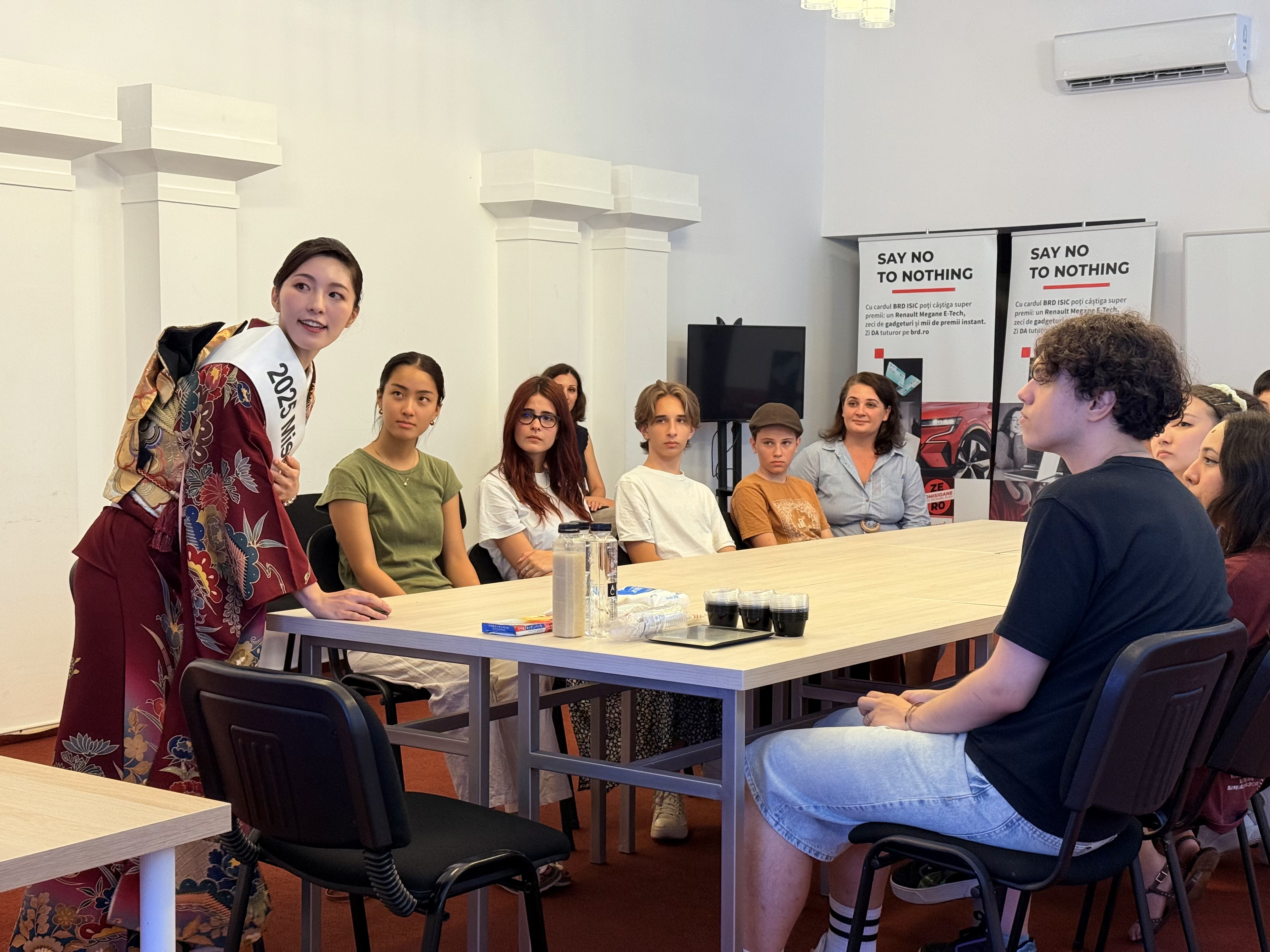
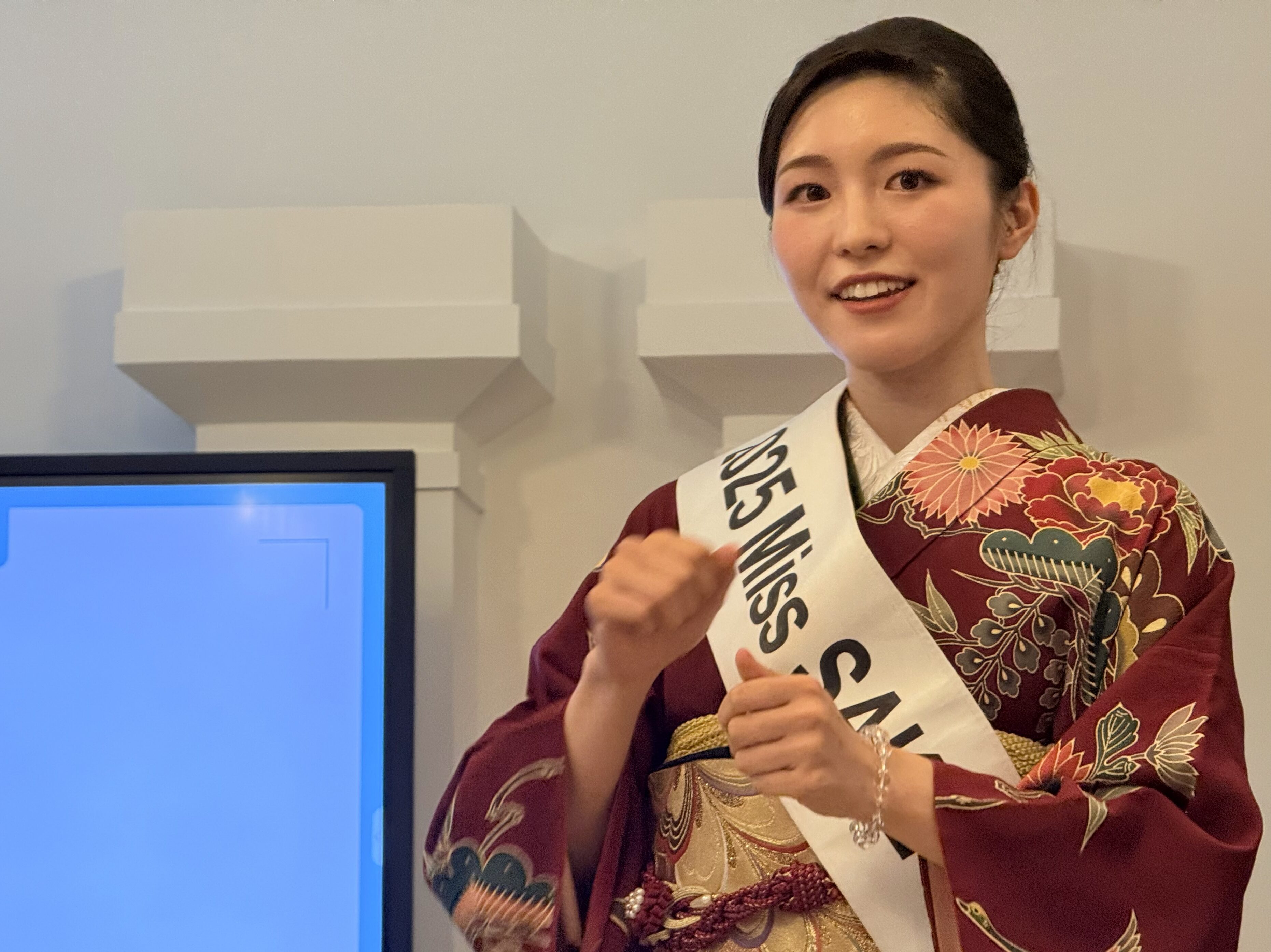
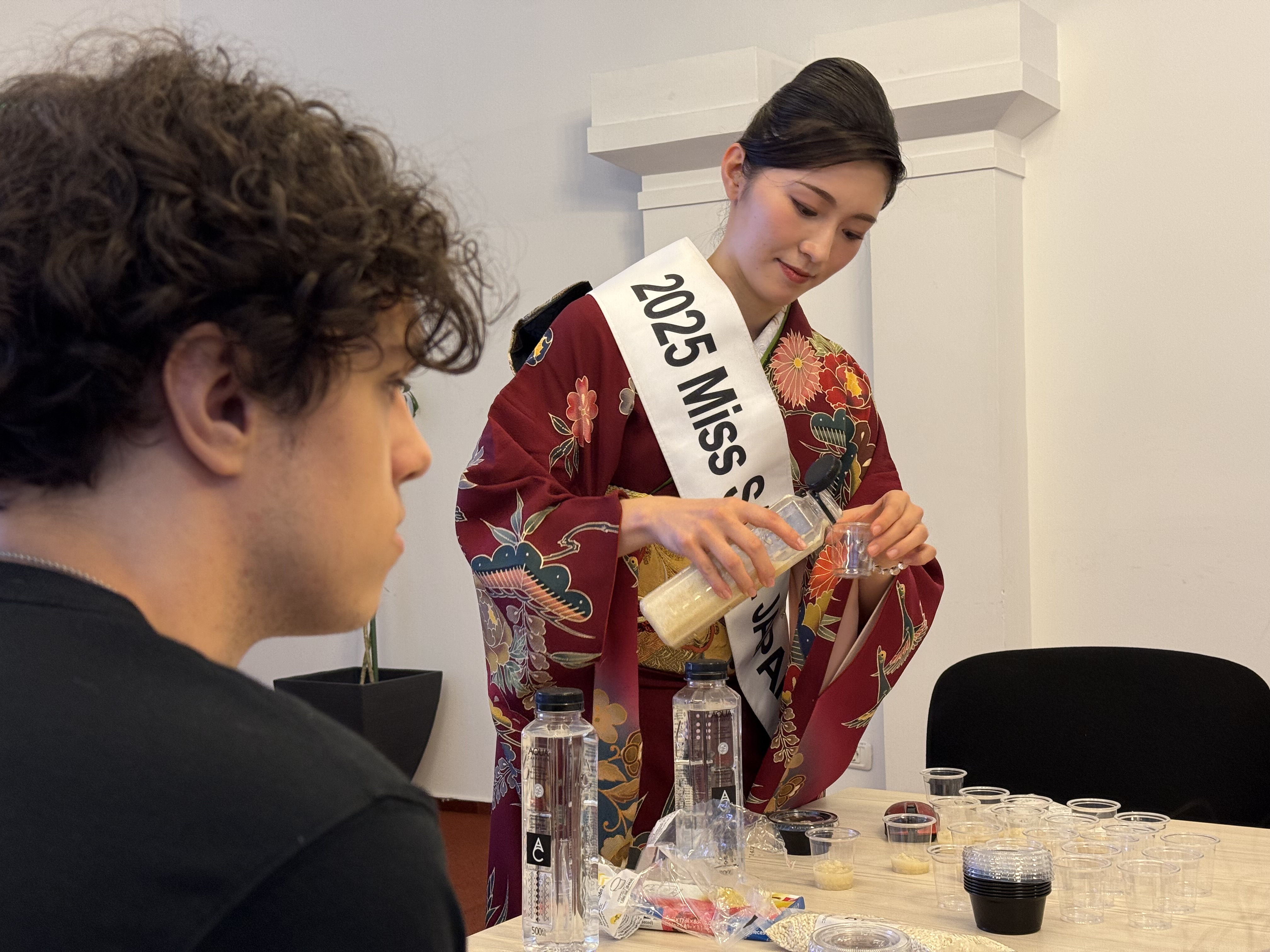
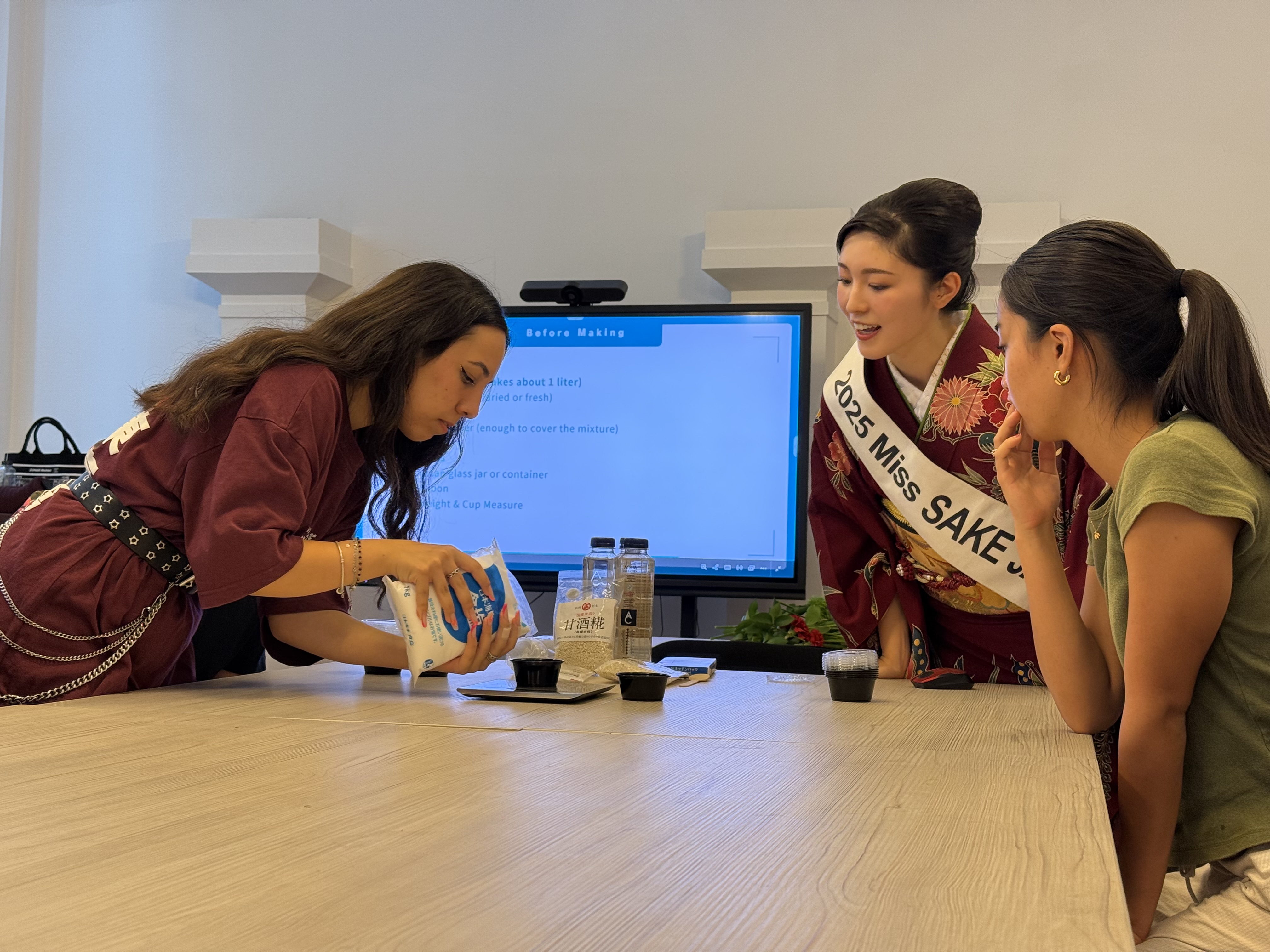
Next came the hands-on amazake-making session. Using a simple rice cooker recipe, participants experienced the preparation stage of amazake. For both Japanese and Romanian students, this was a first-time challenge, and many were surprised, saying, “I didn’t realize it was this easy!” Several Romanian students even expressed their interest in trying it at home, taking extra koji with them. During the shio-koji session, students learned that the process involves stirring once a day over a week, prompting comments like, “It feels like nurturing something,” as they discovered the unique charm of fermented seasonings. During the final discussion, participants compared amazake and shio-koji with borș, a sour fermented seasoning in Romania made with lactic acid bacteria. While amazake and shio-koji rely on koji fermentation, and borș depends on lactic fermentation, the exchange opened up a fascinating reflection on the diversity of food cultures shaped by fermentation across borders.
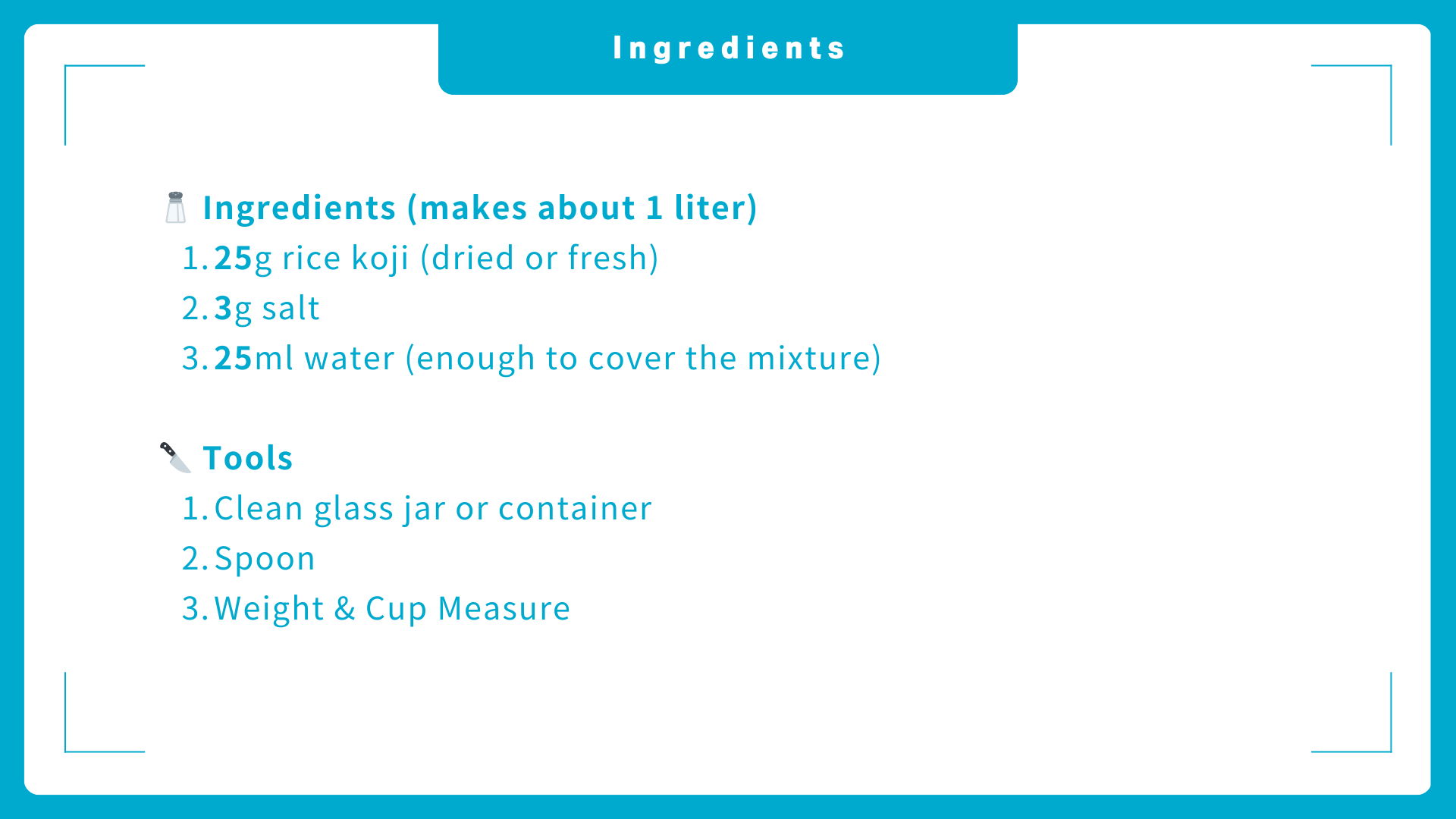
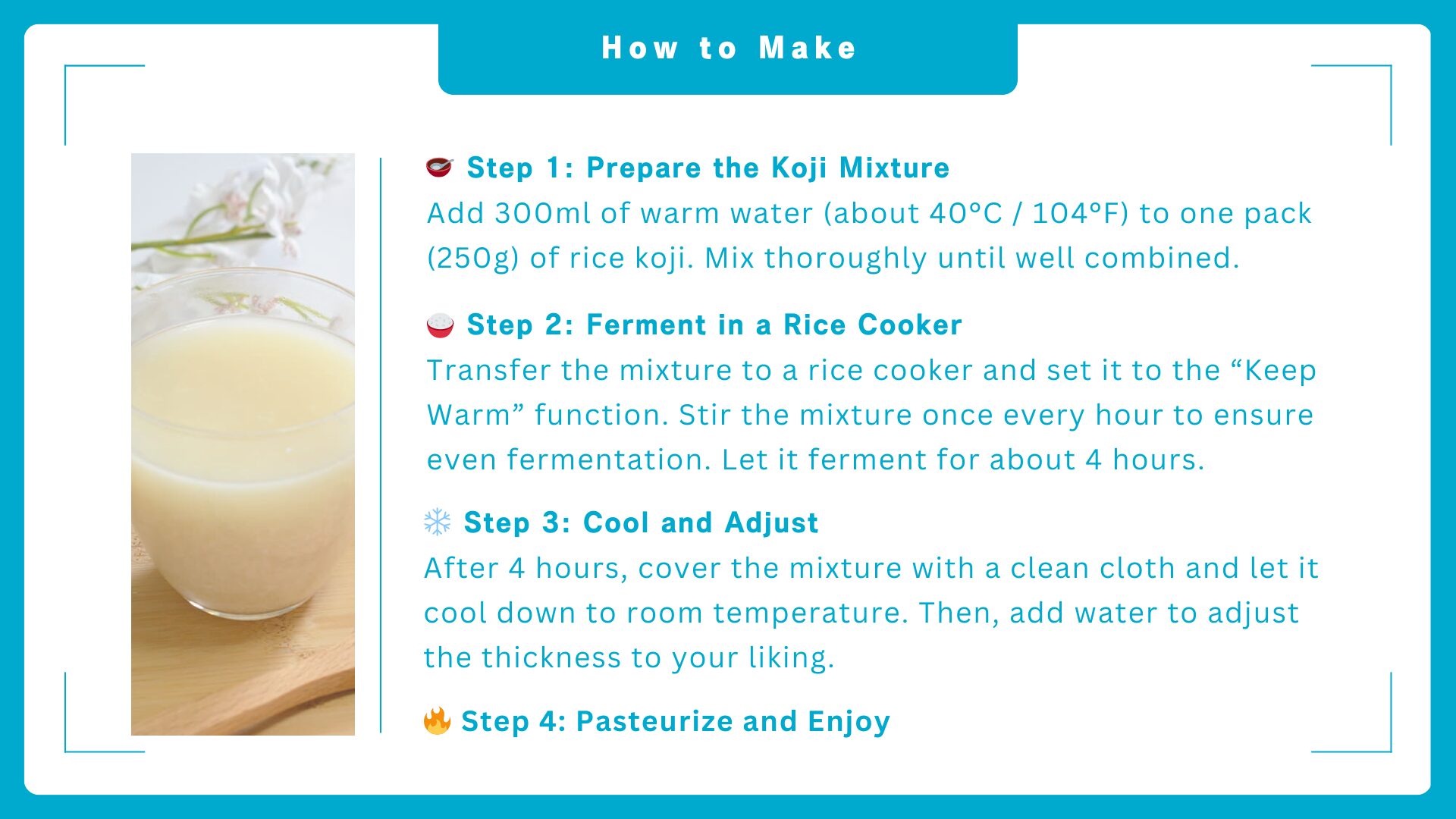
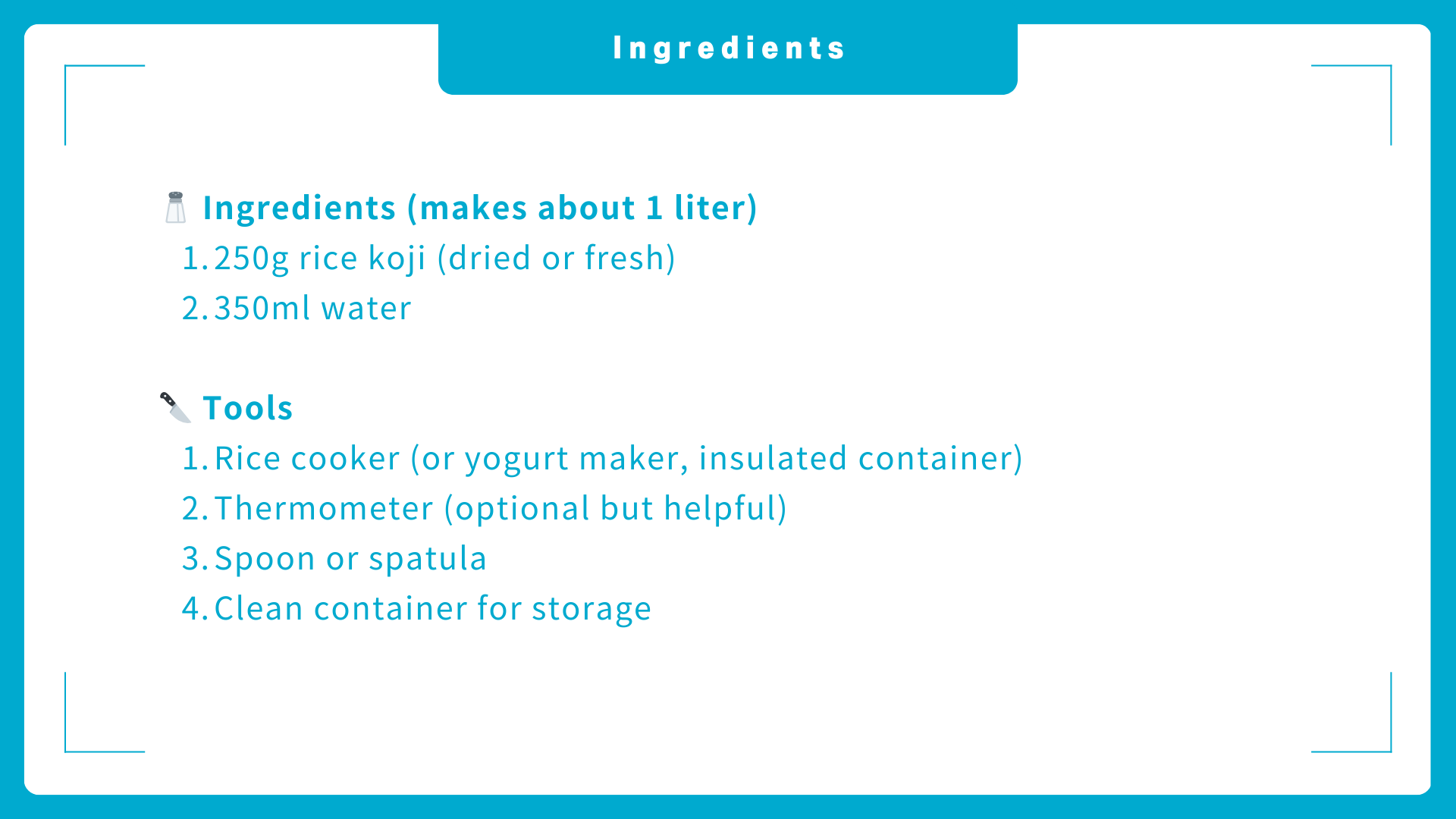
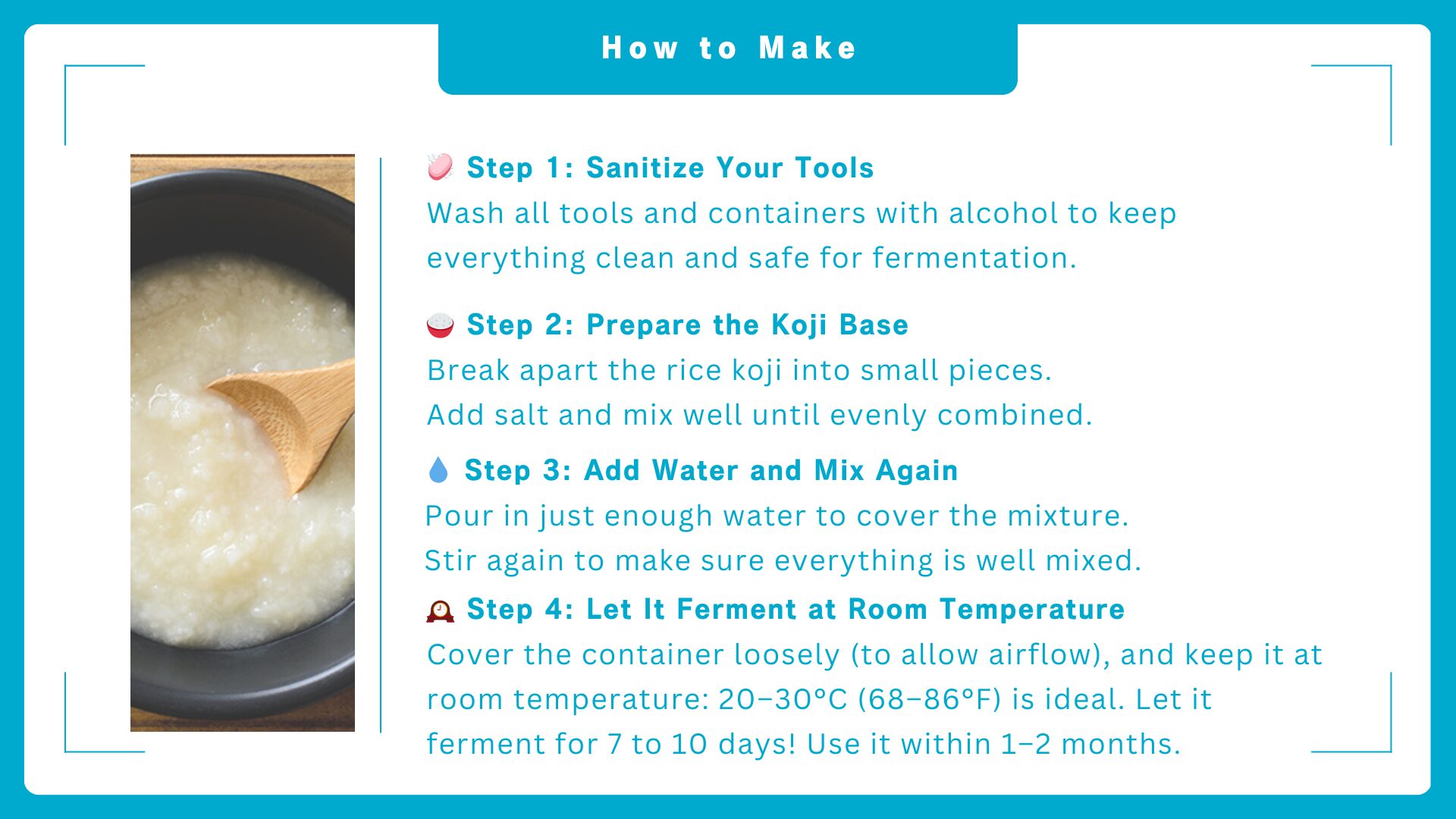
During the tasting session, Romanian students expressed their delight with comments such as “Delicious!” and many were astonished, asking, “How can it be this sweet without using sugar?” Several even asked for second servings, filling the venue with excitement and joy. Through this workshop, I was truly glad to be able to share the power, flavors, and health benefits of koji with people in Romania, far from Japan, and to witness their genuine appreciation for it.

Romanian Students Learning Japanese Culture
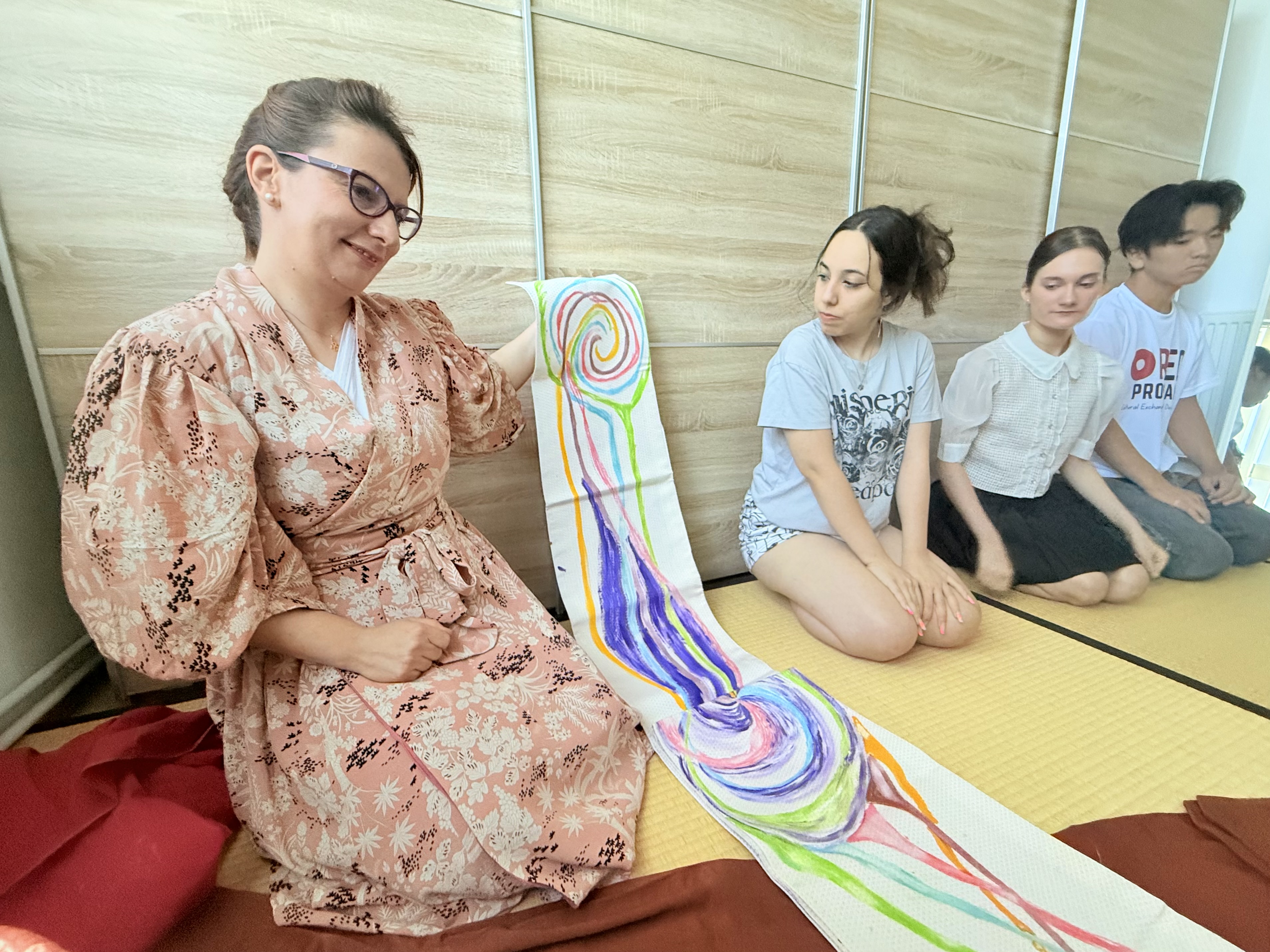
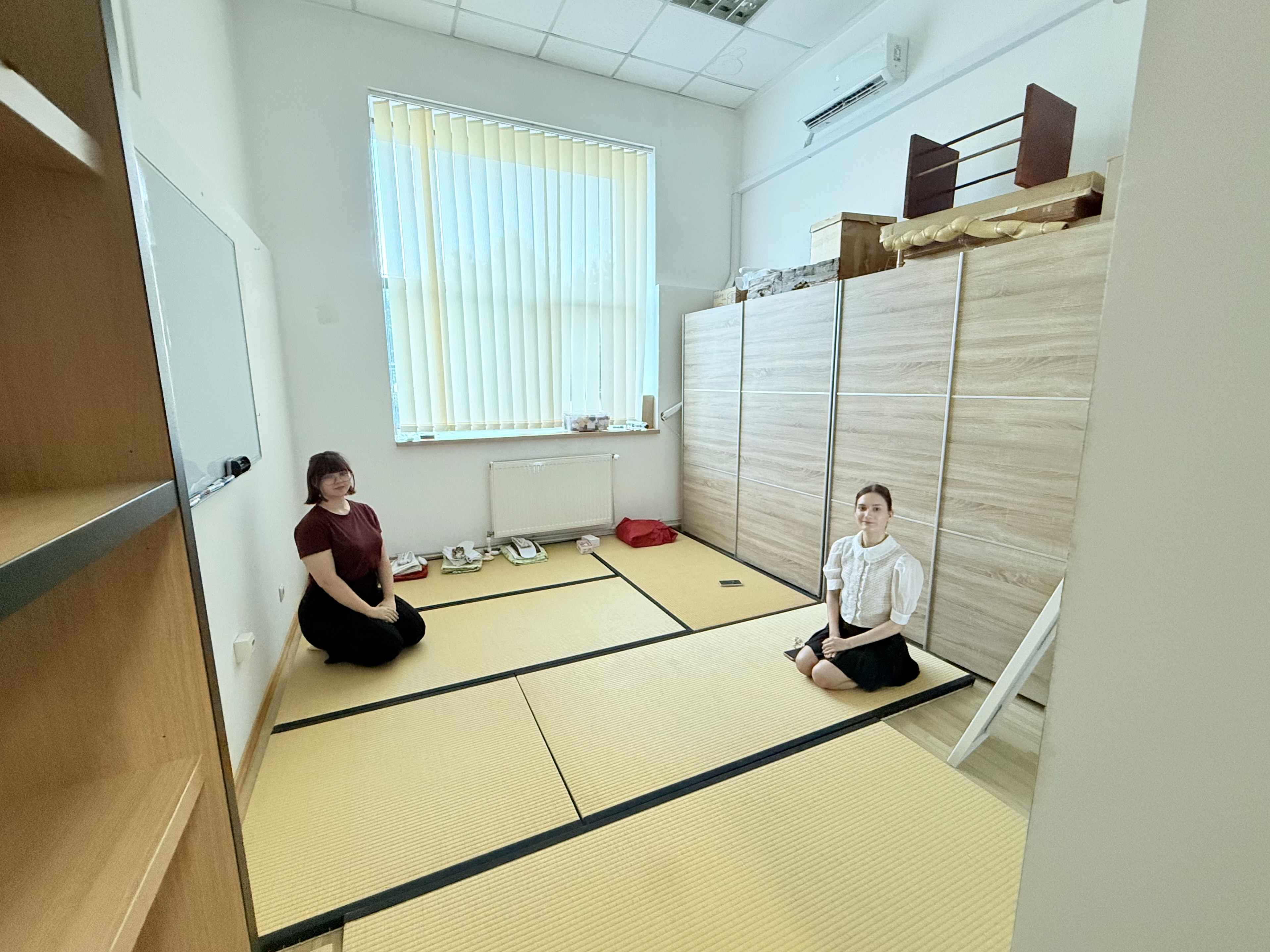
During my stay, I had the opportunity to observe the activities of students at the “Angela Hondru” Romanian – Japanese Studies Center of the Romanian-American University, where they practice traditional Japanese culture such as kimono dressing, tea ceremony, and ikebana. Their practice space is a six-tatami mat washitsu (Japanese-style room), created about 20 years ago with tatami mats brought from Japan. Each cultural group has around 20 members, and they meet regularly every week.
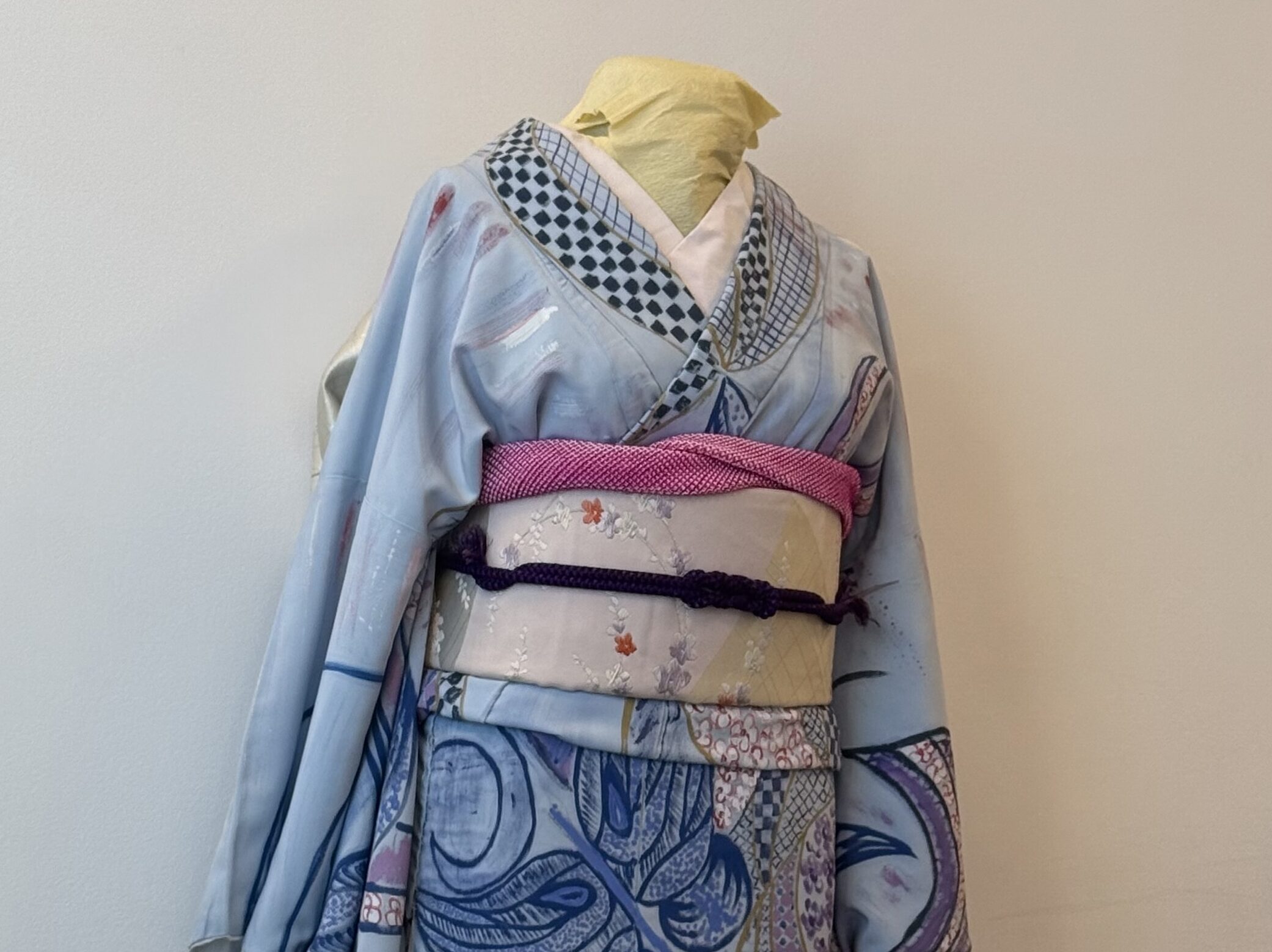
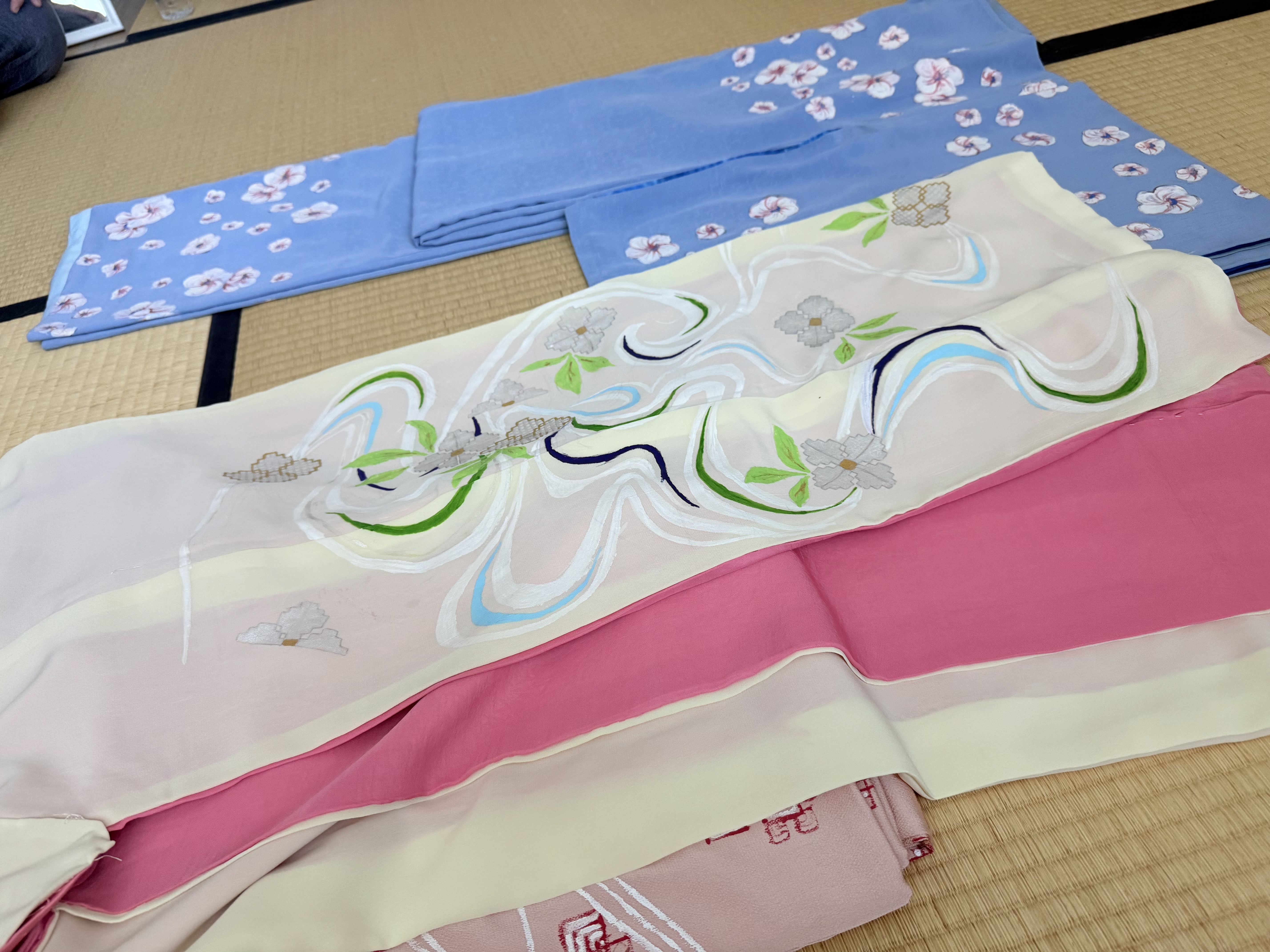
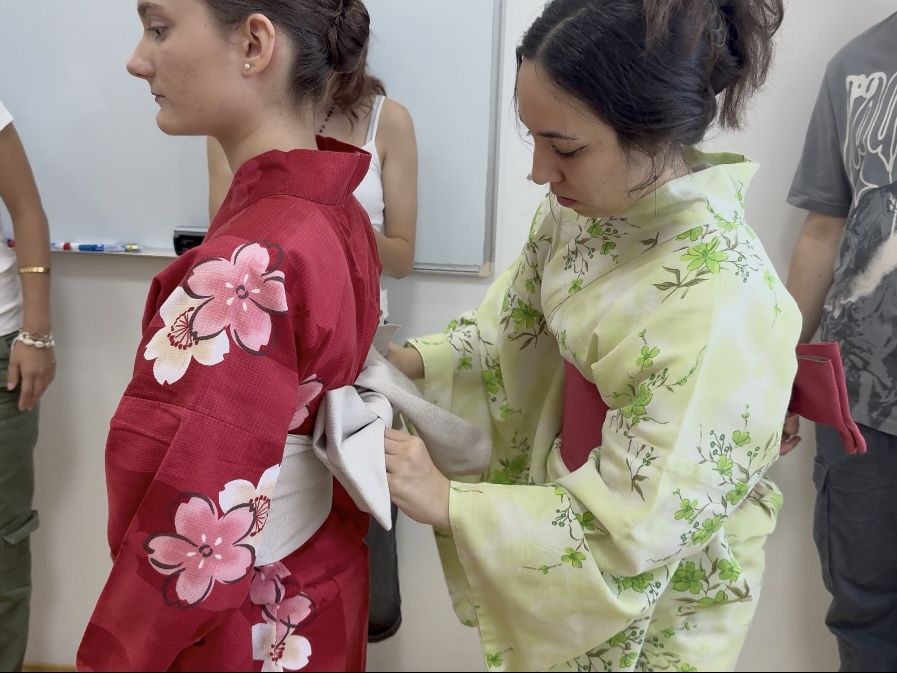
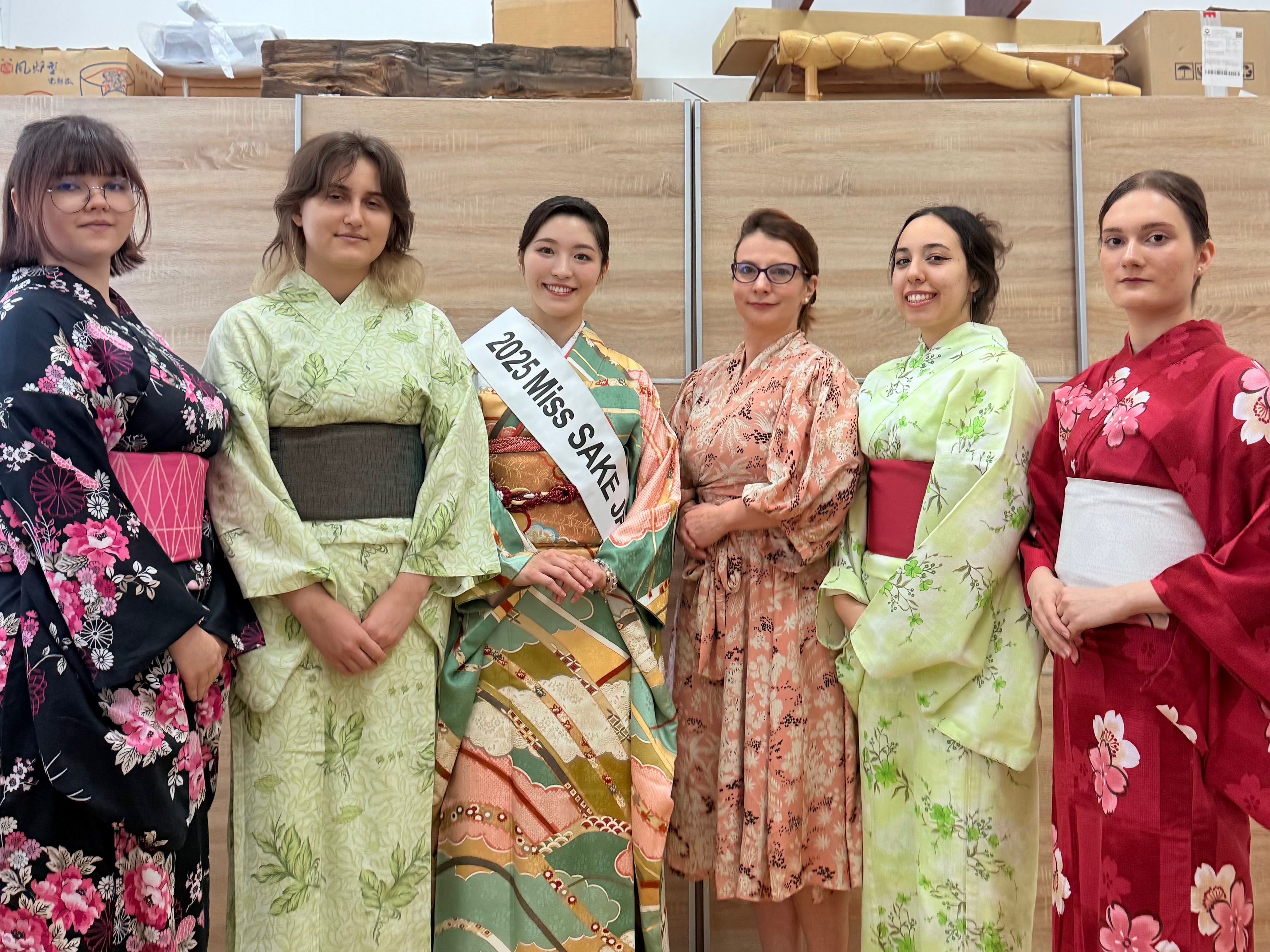
In the kimono club, instruction is provided by Ms. Laura Caraman, the only kimono designer in Romania. Her interest in Japanese fashion began with Harajuku and Visual Kei styles, and today she designs and makes every kimono by hand herself. Her innovative works, which blend Romanian and Japanese motifs, are especially popular. Among them, I was deeply impressed by a unique design that combined Romania’s “Jasmine Flower” pattern with Japan’s traditional motif of “Wind,” symbolizing a new possibility where East and West merge. In the washitsu, students performed a demonstration of yukata dressing. One student plans to visit Japan this year to pursue professional certification as a kitsuke-shi (kimono dresser), asked me many questions about the method of tying the “Fukurasuzume” obi knot and the time required for dressing.
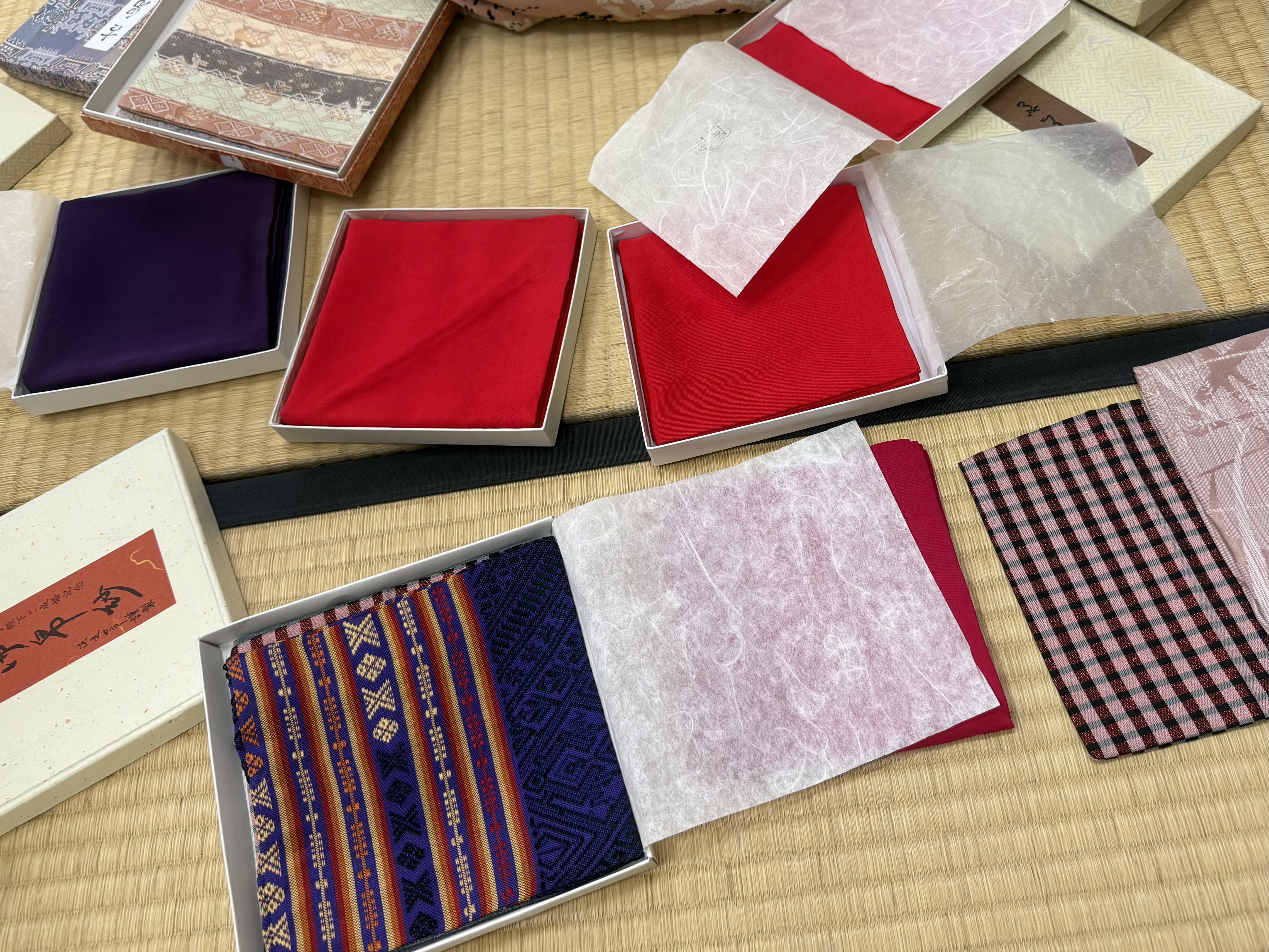
In the tea ceremony club, I was astonished to see that authentic Urasenke tea ceremony is practiced in Romania, despite the great distance from Japan. The club has more than 30 kinds of tea bowls and whisks brought from Japan, as well as furo, kōdai, and even charcoal—everything needed for proper practice. What surprised me further was the presence of unique tea utensils crafted by combining Japanese tradition with Romanian artistry, such as fukusa made from traditional Romanian textiles and tea bowls made of Romanian ceramics.
-
- {“ARInfo”:{“IsUseAR”:false},”Version”:”1.0.0″,”MakeupInfo”:{“IsUseMakeup”:false},”FaceliftInfo”:{“IsChangeEyeLift”:false,”IsChangeFacelift”:false,”IsChangePostureLift”:false,”IsChangeNose”:false,”IsChangeFaceChin”:false,”IsChangeMouth”:false,”IsChangeThinFace”:true},”BeautyInfo”:{“SwitchMedicatedAcne”:false,”IsAIBeauty”:false,”IsBrightEyes”:false,”IsSharpen”:false,”IsOldBeauty”:false,”IsReduceBlackEyes”:false},”HandlerInfo”:{“AppName”:2},”FilterInfo”:{“IsUseFilter”:false}}
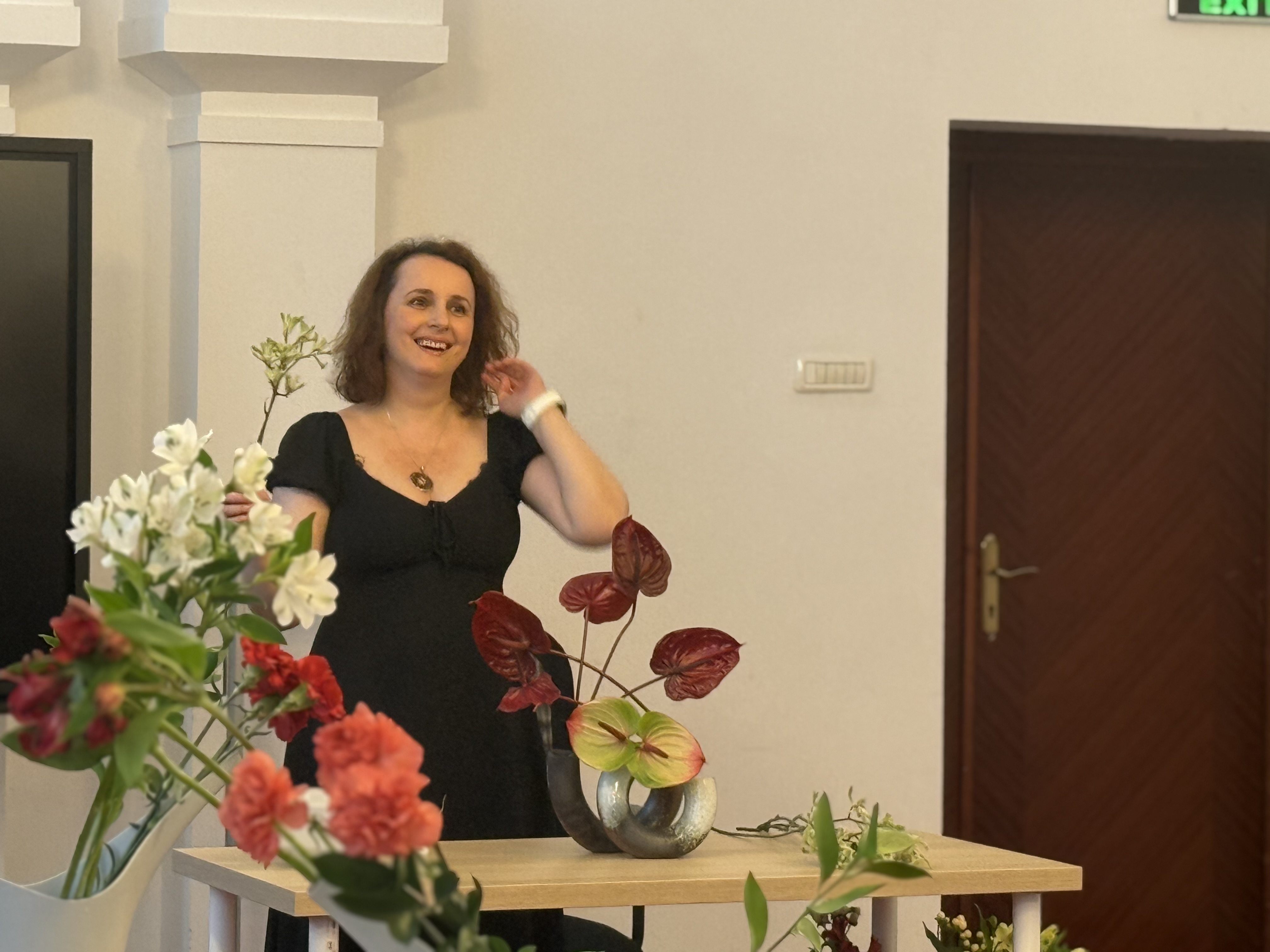
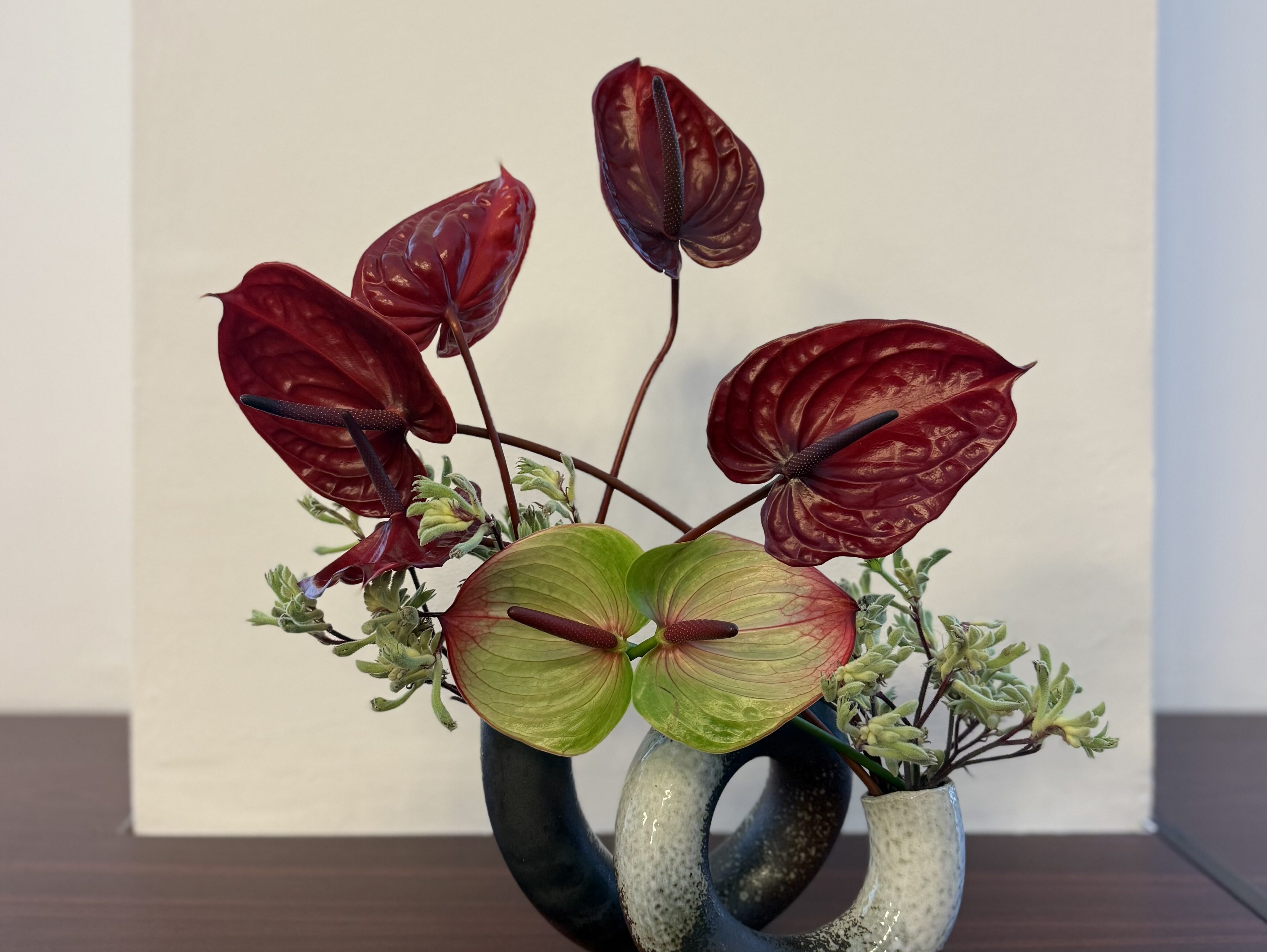
The ikebana club, led by Ms. Andreea Georgescu, a certified Sogetsu instructor, focuses on Sogetsu-style flower arrangement. She has held numerous exhibitions and workshops across Romania. At the university, she conducts hands-on classes in ikebana, attracting many Romanian students. During my visit, she kindly hosted an ikebana workshop for the exchange students, introducing the fundamentals of expression such as shin (main branch), soe (supporting branch), and hikae (balance), all explained in English. For many students, it was their very first attempt, and they were visibly fascinated.

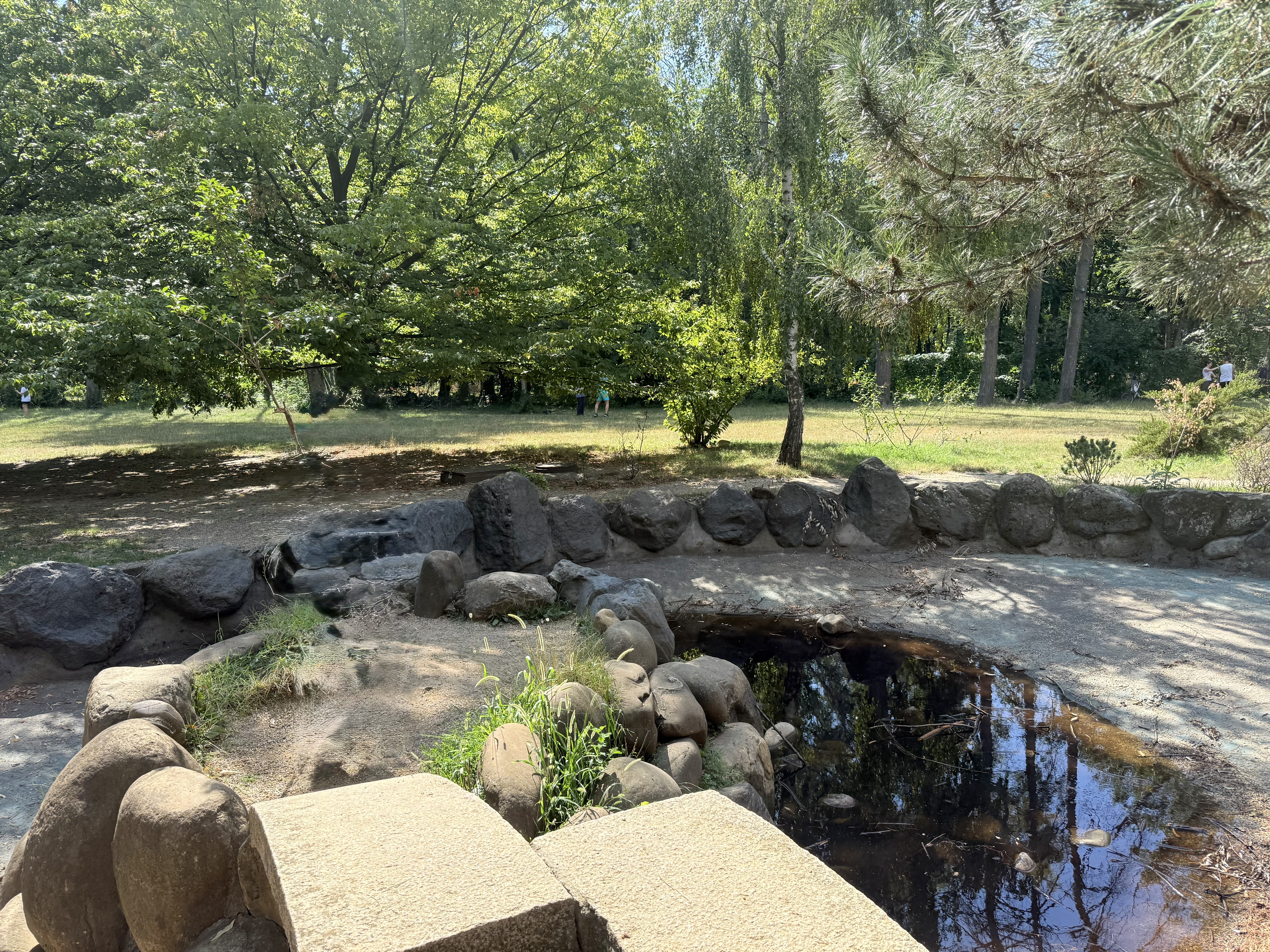
Beyond the university campus, Japanese culture was visible throughout the capital city of Bucharest. In the city center, there is a Japanese garden that serves as a peaceful retreat for locals and, in spring, hosts a cherry blossom festival that welcomes more than 5,000 visitors. Bookstores across the city also prominently feature sections on manga and Japanese literature. I was deeply moved to see how deeply Japanese culture has taken root in the everyday lives of Romanians. Among the students I met, many initially became interested in Japan through manga and anime, but are now studying Japanese with great dedication, seeking to understand deeper aspects of Japanese values—such as omoiyari (consideration for others) and honne to tatemae (cultural balance between one’s true feelings and social harmony).
Witnessing their passion and sincere commitment to Japanese language and culture gave me a profound opportunity to reflect once again on my own identity and awareness as a Japanese person.

Chisato Tateno
2025 Miss SAKE Japan