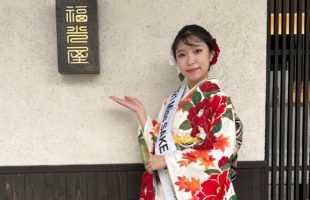
Hello everyone, this is Chisato Tateno, 2025 Miss SAKE Japan.
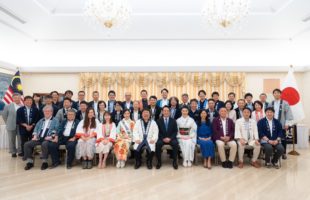
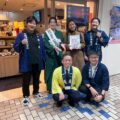
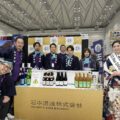
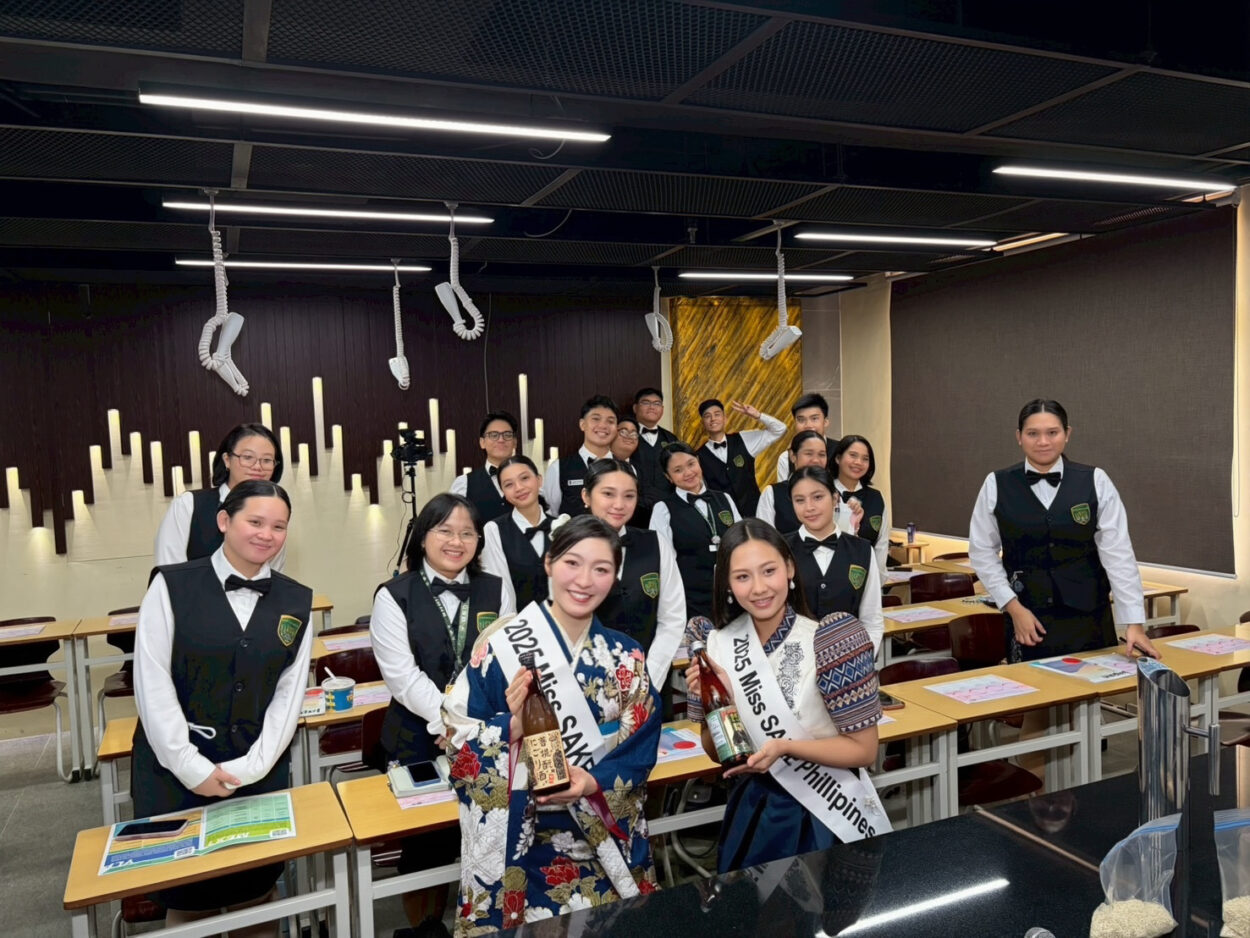
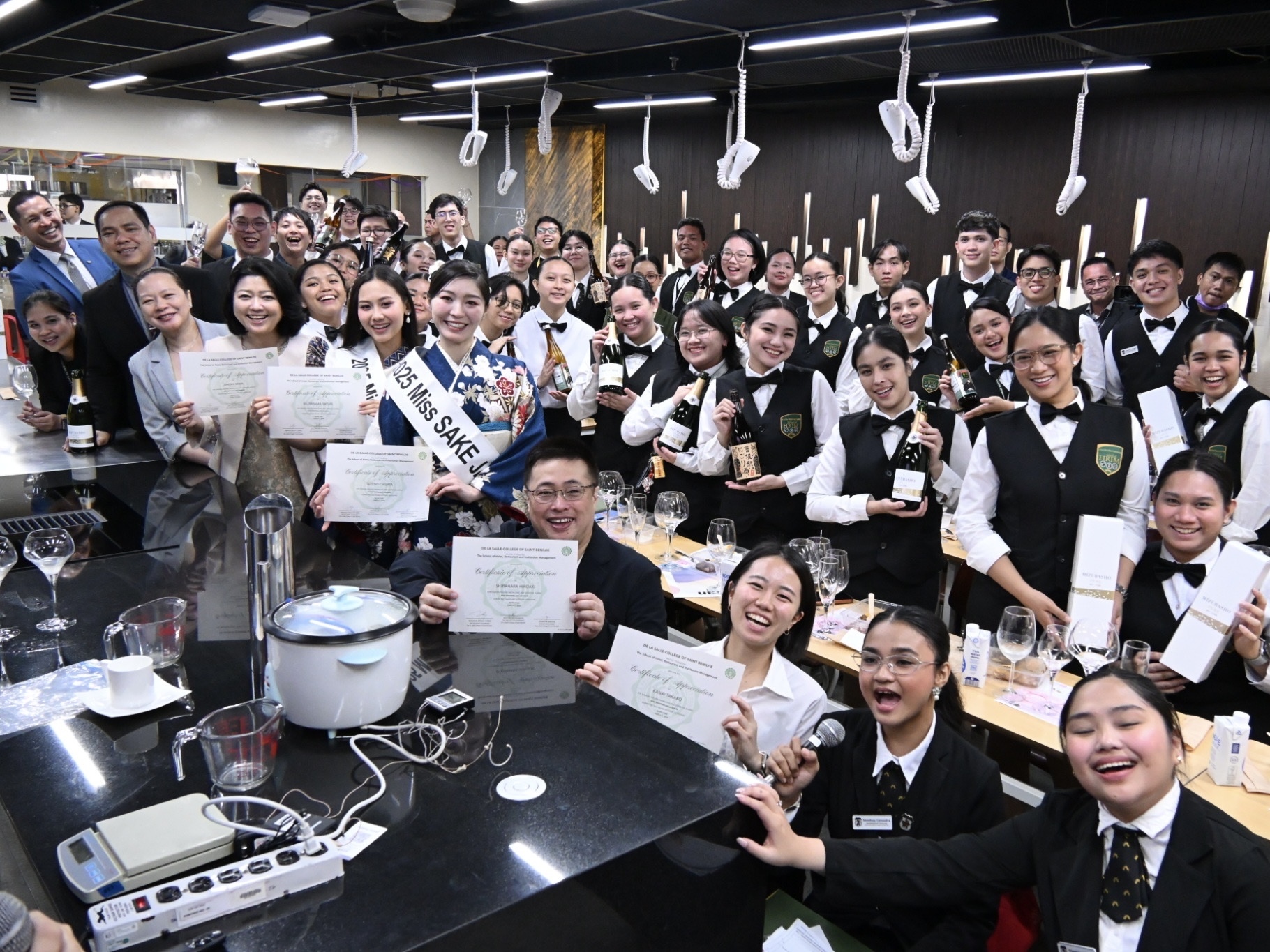
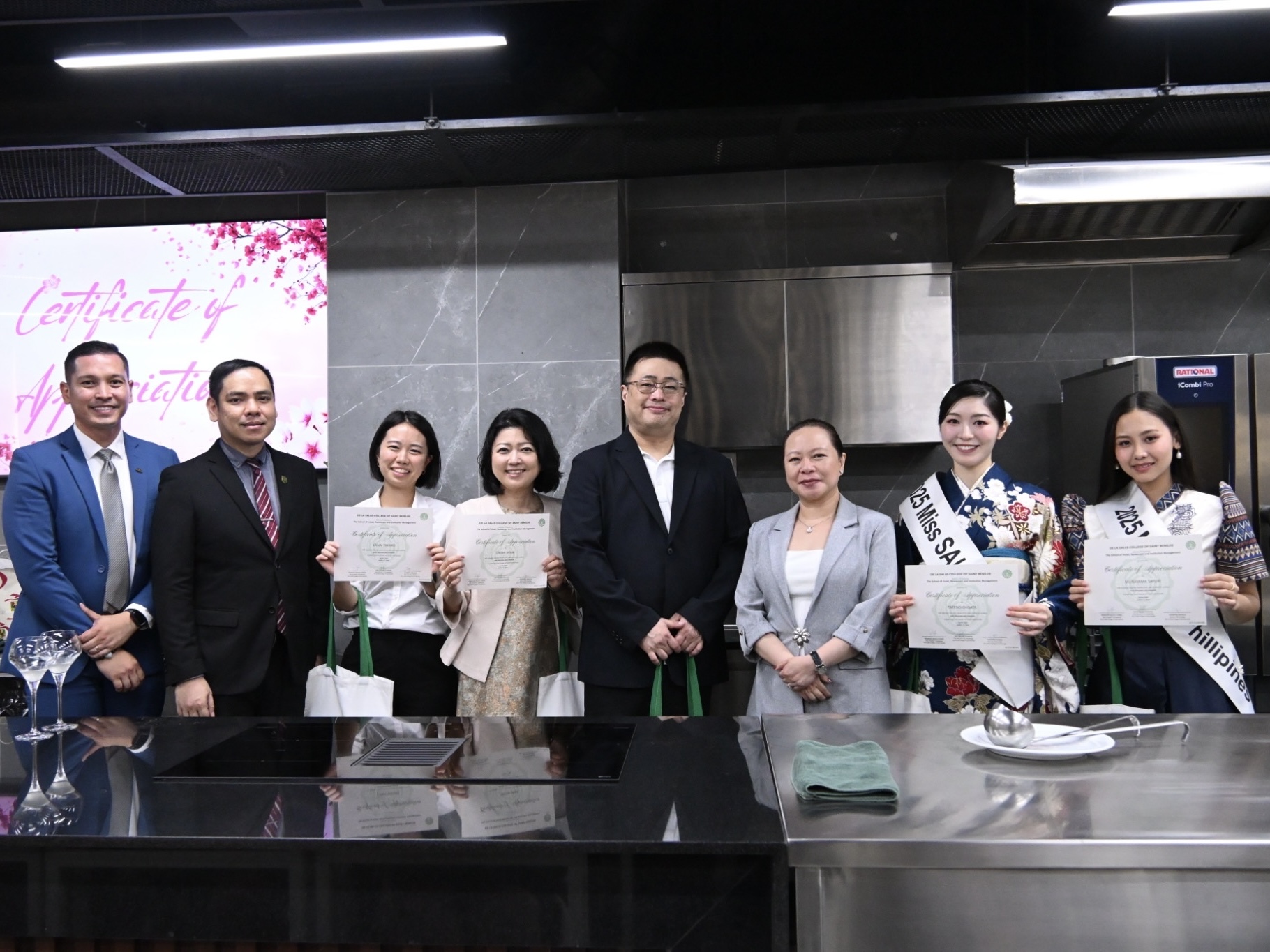
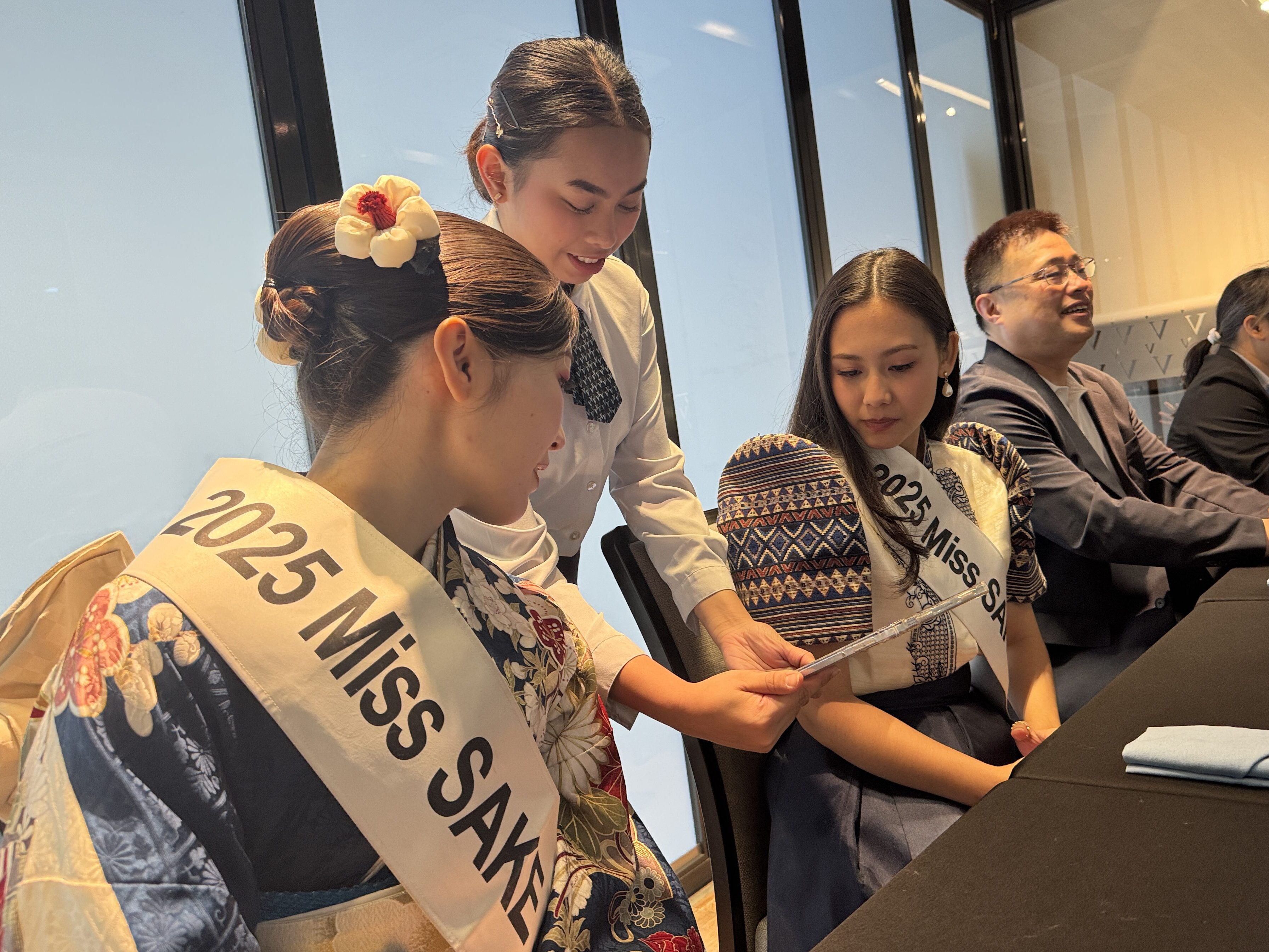
On March 5 (Thursday), I had the honor of visiting De La Salle–College of Saint Benilde in the Philippines, a prestigious university, as part of a cultural program organized by the Embassy of Japan in the Philippines. During the visit, I conducted a Japanese sake lecture and a hands-on amazake (traditional fermented rice drink) workshop for more than 50 students. I was also accompanied by Mr. Hiroaki Shibahara from Philippine Wine Merchants, Ms. Mika Onishi, Representative Director of the Miss SAKE, and Ms. Sayuri Murayama, 2025 Miss SAKE Philippines.
About De La Salle–College of Saint Benilde
De La Salle–College of Saint Benilde is a private higher education institution located in Manila, Philippines. The college offers a wide range of academic programs, including those in the fields of arts and design as well as hospitality, providing internationally recognized educational programs.
Classes are primarily conducted in English, and the institution incorporates industry partnerships and collaborative programs with overseas universities. Students come from diverse backgrounds with aspirations in the creative industries and hospitality sector, and many graduates go on to successful careers in fields such as arts, culture, and business.
Learning “Omotenashi” in the Philippines
Known as a prestigious institution with affiliated schools, De La Salle–College of Saint Benilde provides an educational environment where students studying culinary arts and hospitality can refine their professional knowledge and skills through hands-on training.
At the campus we visited, approximately 1,300 students were enrolled. Around the campus are training facilities such as hotels and restaurants where students themselves take the lead in management, preparation, and service. This environment allows each student to develop both a warm spirit of hospitality and an independent professional mindset.
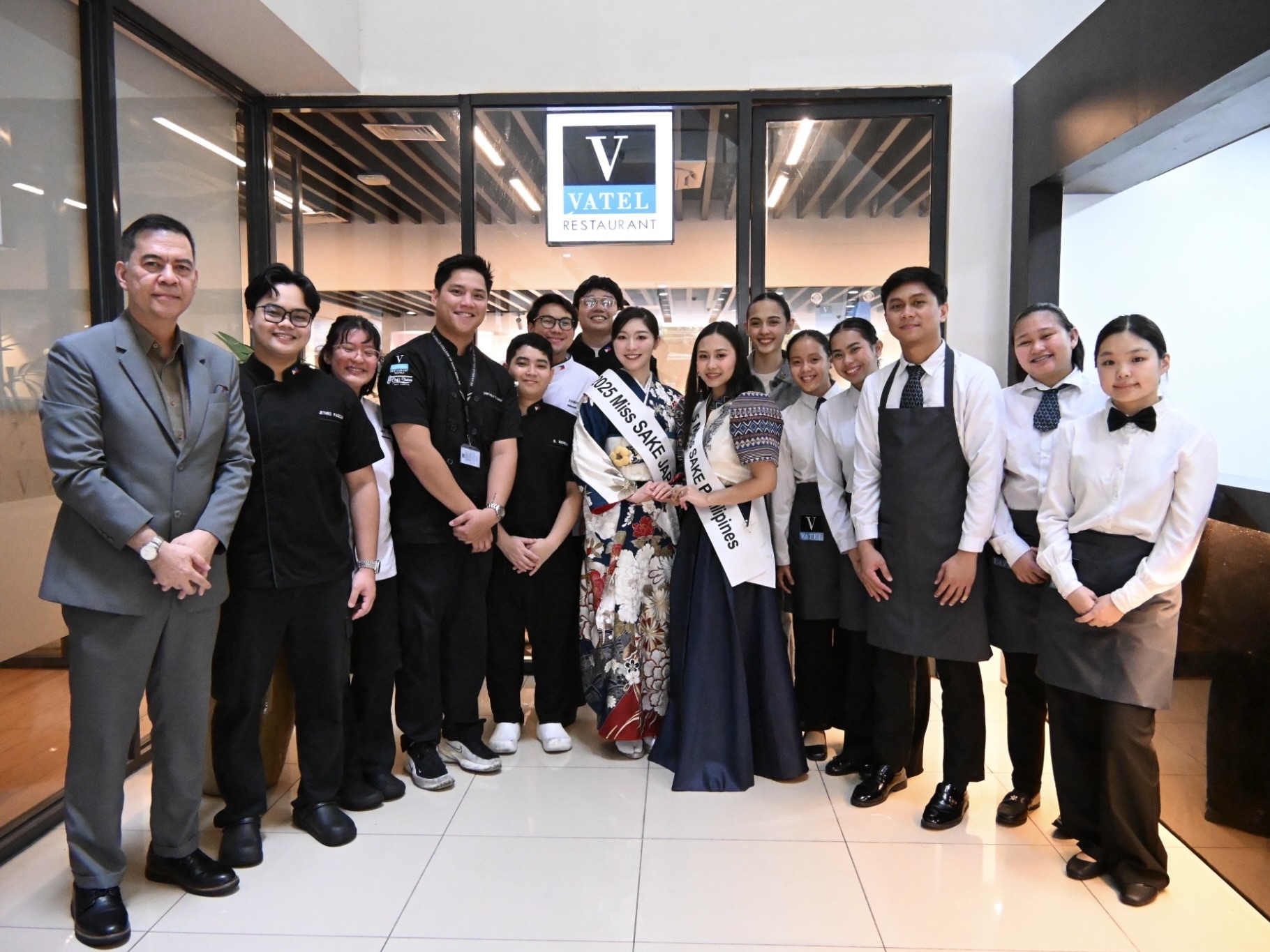
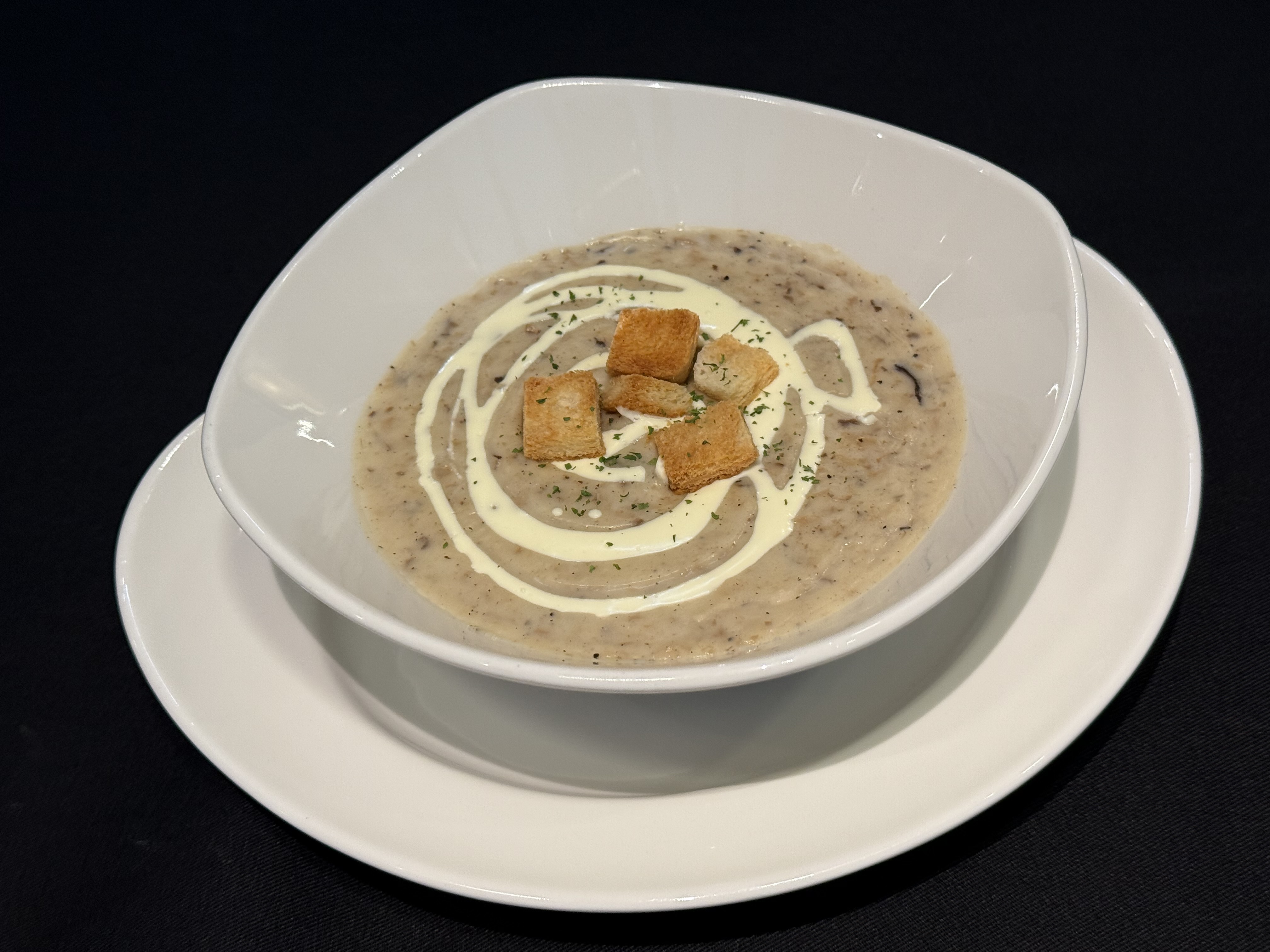
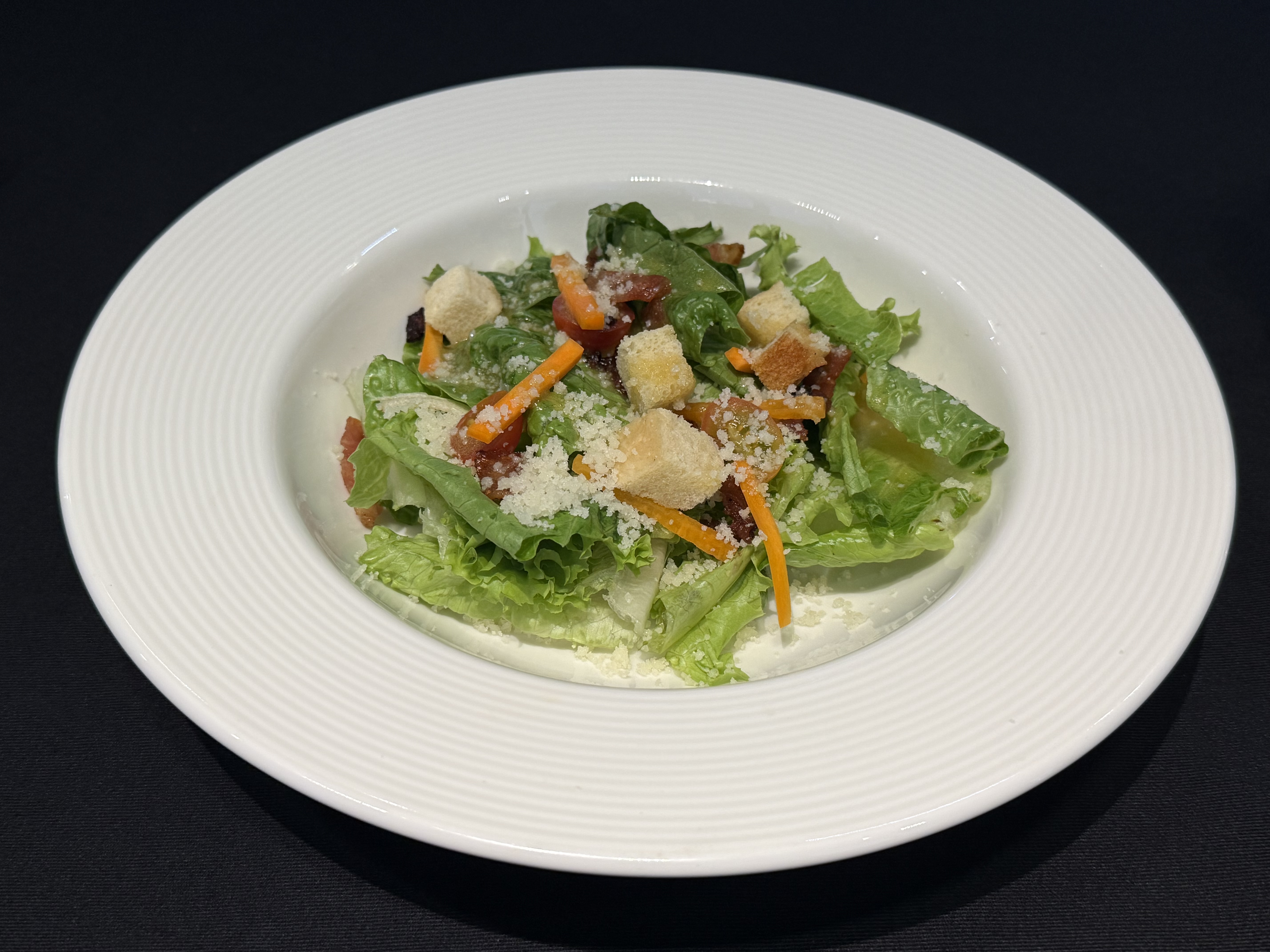
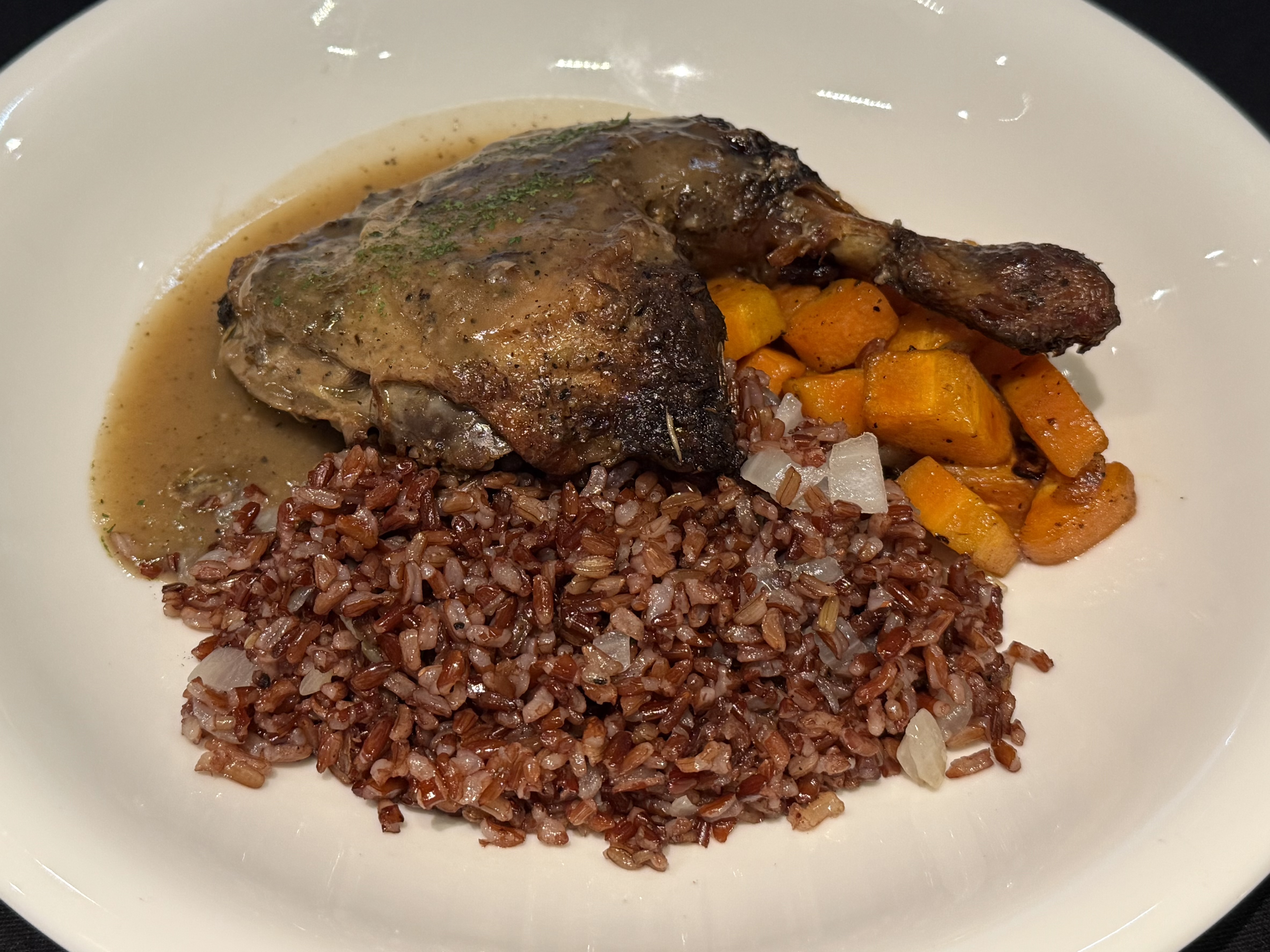
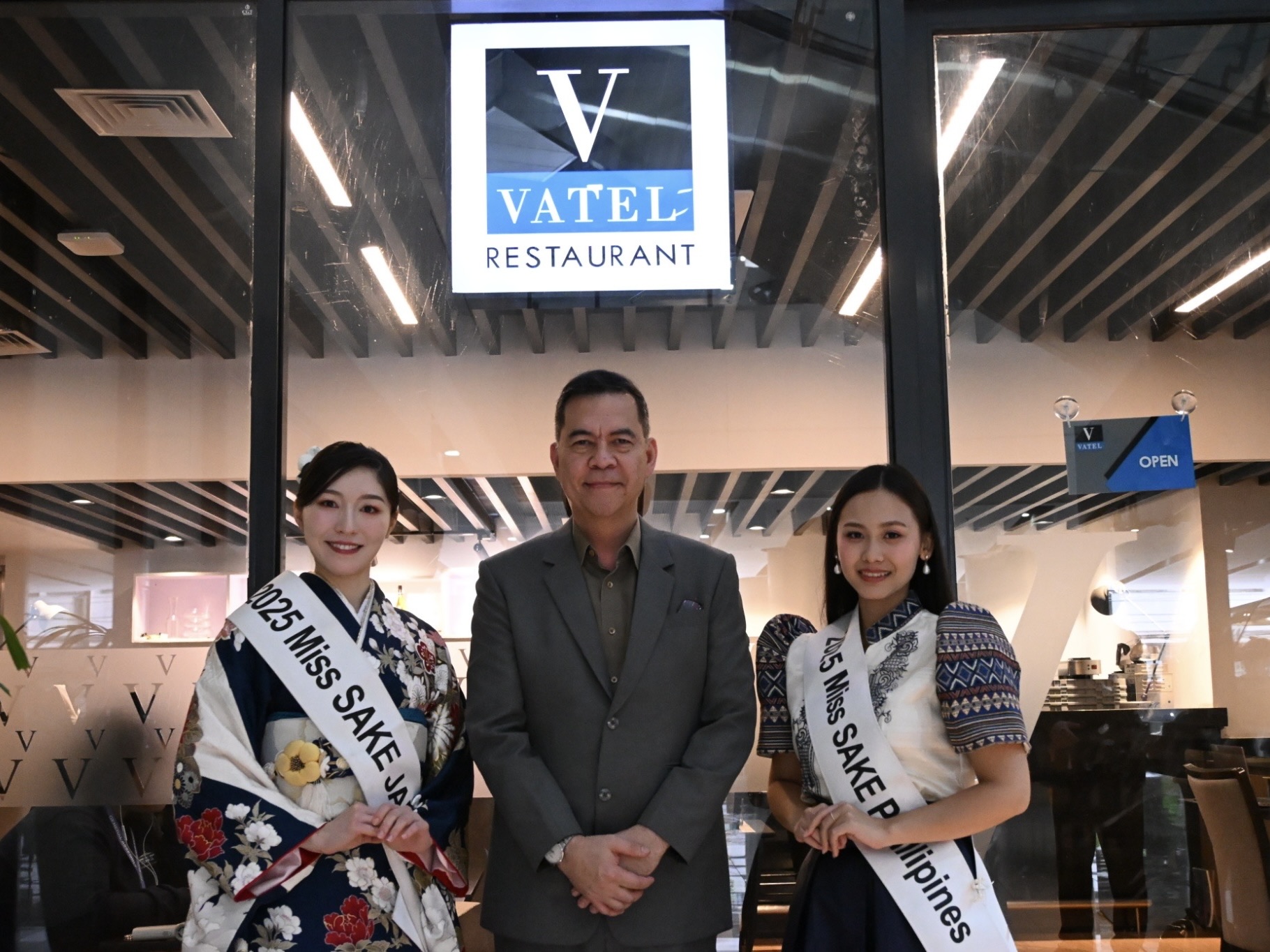
Before the lecture began, we had the opportunity to visit the student-run restaurant Vatel on campus. The restaurant was operated by student chefs and service staff, and we were served a beautifully prepared course lunch. Despite being equivalent in age to third- and fourth-year university students, they delivered calm, confident, and natural service. I was deeply impressed by their professionalism. From the soup and salad to the main dish and dessert, each dish was carefully prepared, and I was truly amazed by both the quality of the cuisine and the level of service.
Although we visited as guest lecturers, observing the students’ dedication both in the restaurant and in the classroom reminded us that we ourselves learned a great deal about the spirit of “omotenashi”—providing the best possible service within a limited time.


“SAKE Master Class” – Learning the Basics of Japanese Sake
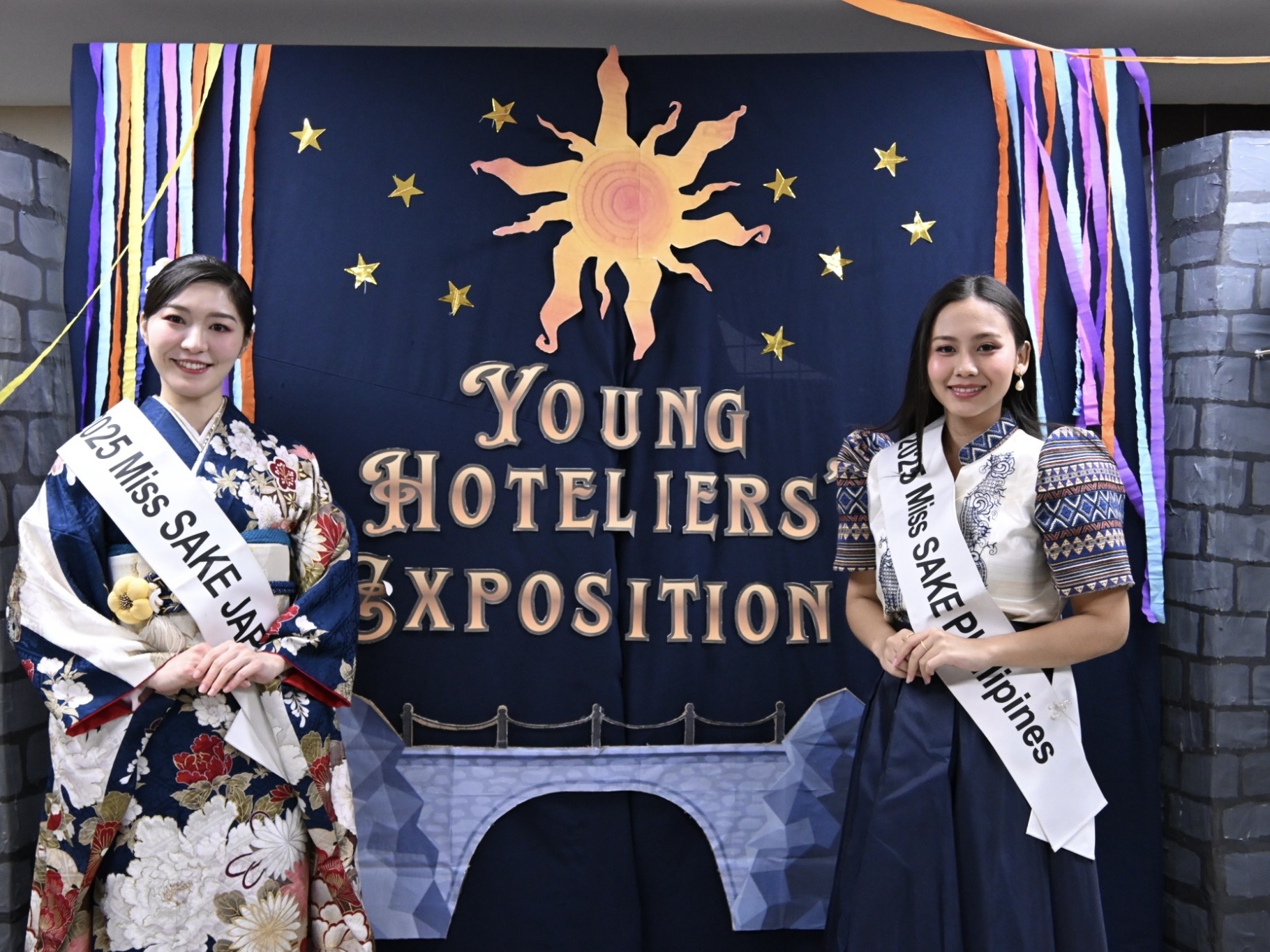
The day of the lecture happened to fall during a period called “Contest Week.” In other rooms on campus, various competitions were taking place, including cocktail recipe development, in-flight service simulations for aspiring cabin crew, and culinary technique contests. We were told that these competitions were entirely organized by students—from planning and selecting judges to managing the event itself. In the lively, festival-like atmosphere, we were warmly welcomed by the cheerful students as we began our sake lecture.
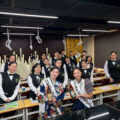
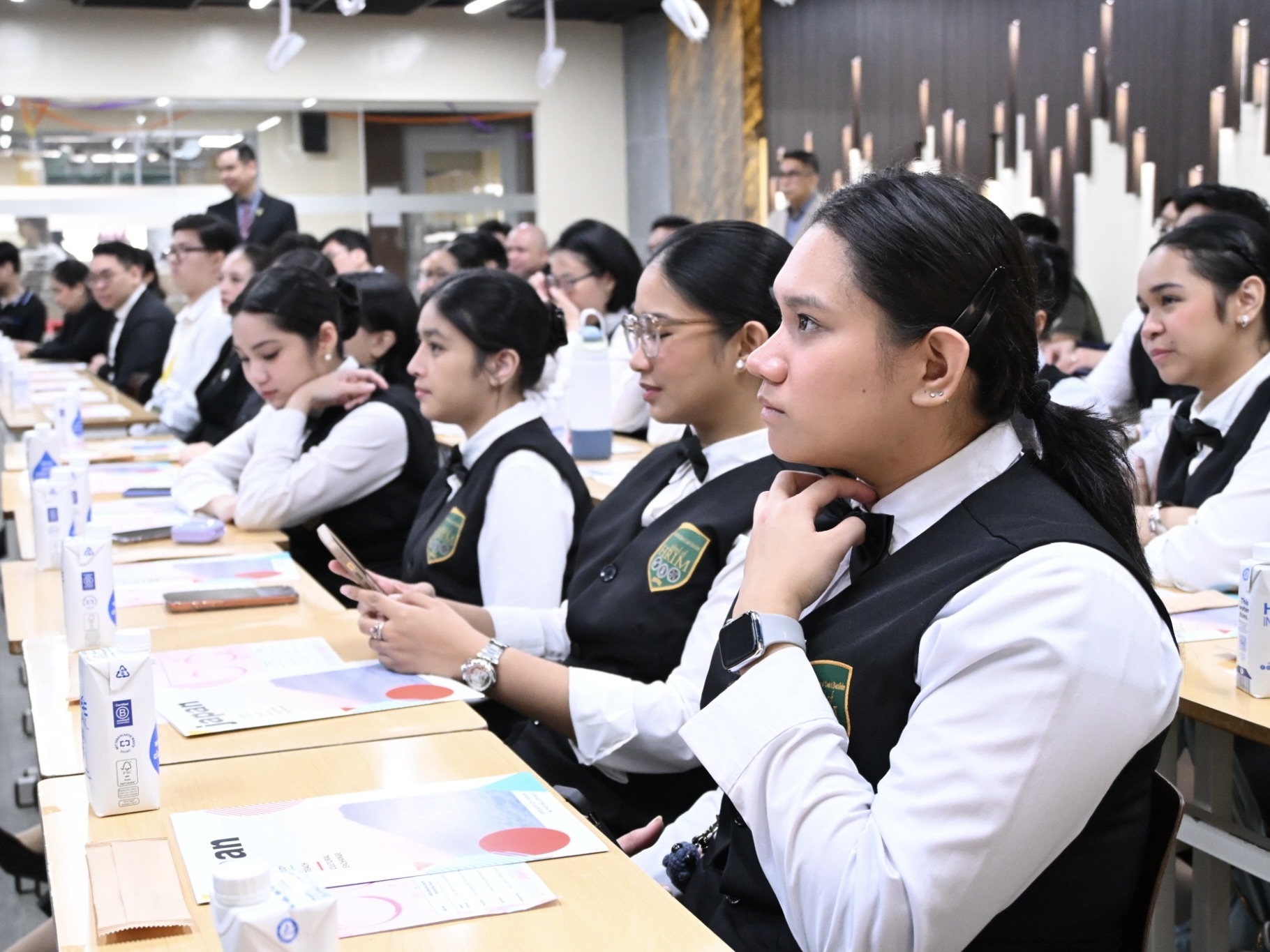
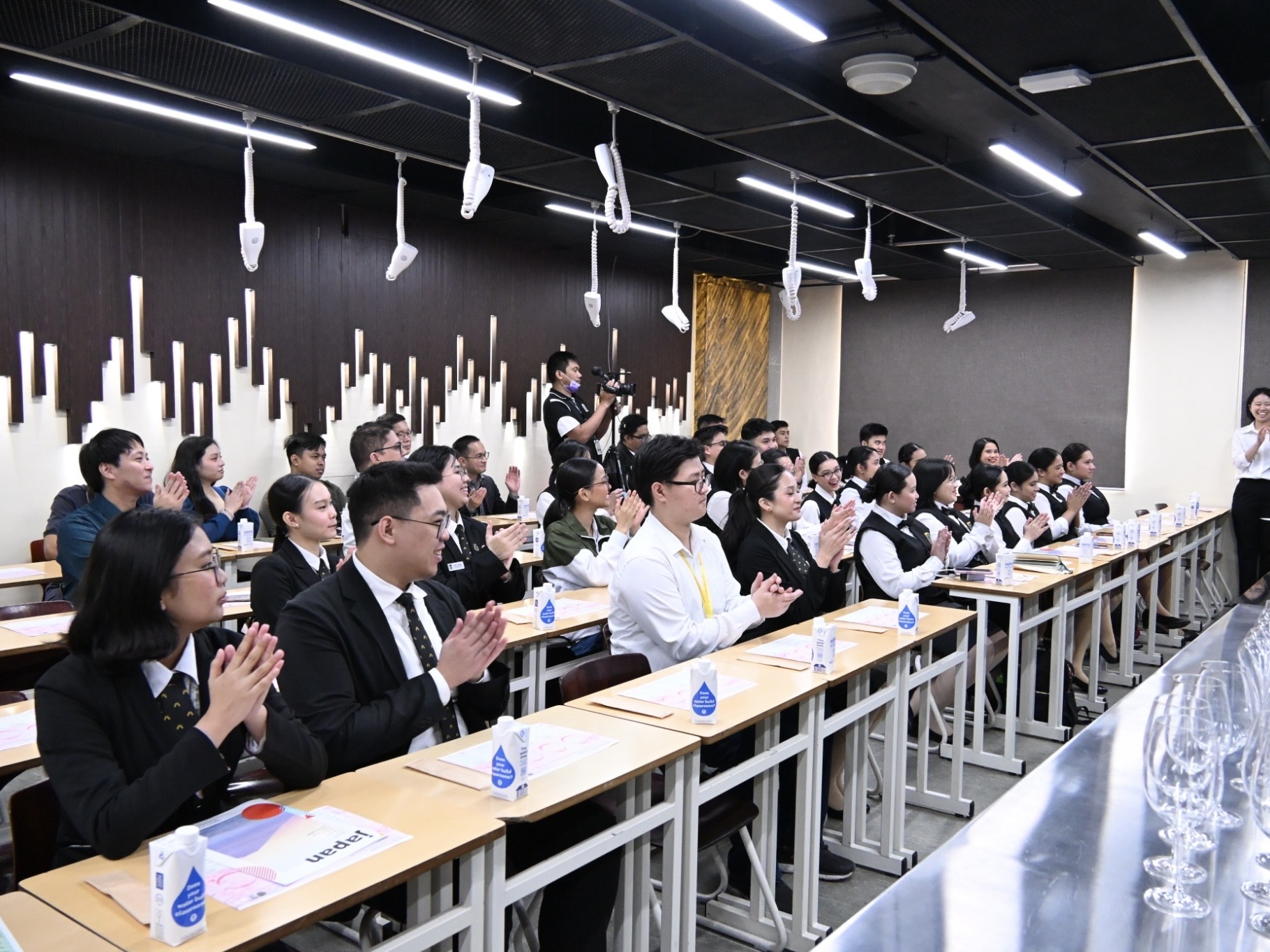
The lecture was held as a Master Class, with approximately 50 selected students attending in person, while many others joined through a simultaneous broadcast in another room to learn about sake and amazake.
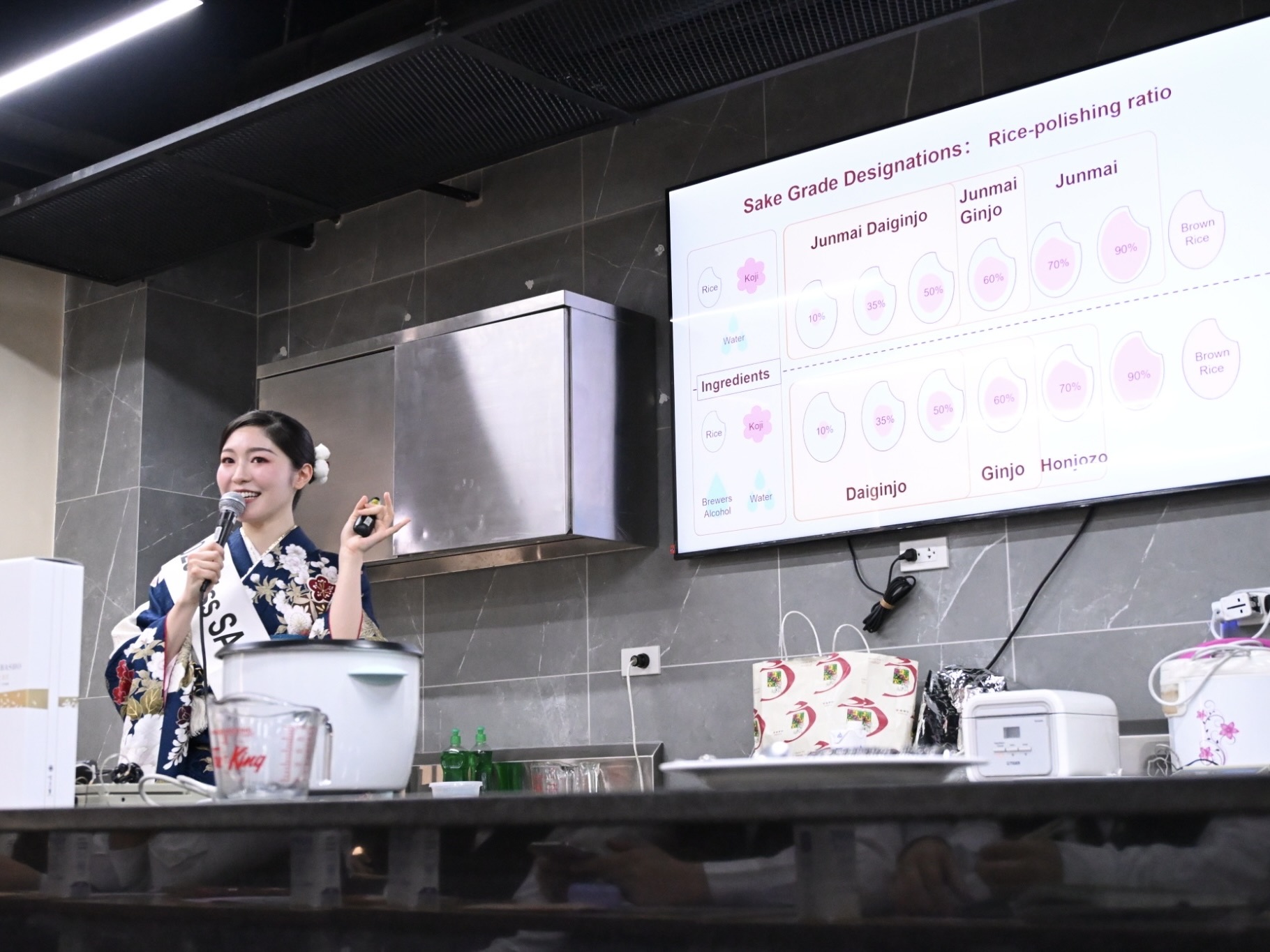
During the lecture, I first introduced the role of sake within Japanese culture. I then explained key elements of sake brewing—such as rice polishing ratio and the process of multiple parallel fermentation—using illustrations and photos. Although the content was somewhat technical, the students listened attentively. At the end of the lecture, they enthusiastically repeated together the four ingredients of sake—rice, water, koji, and yeast—which left a strong impression on me.

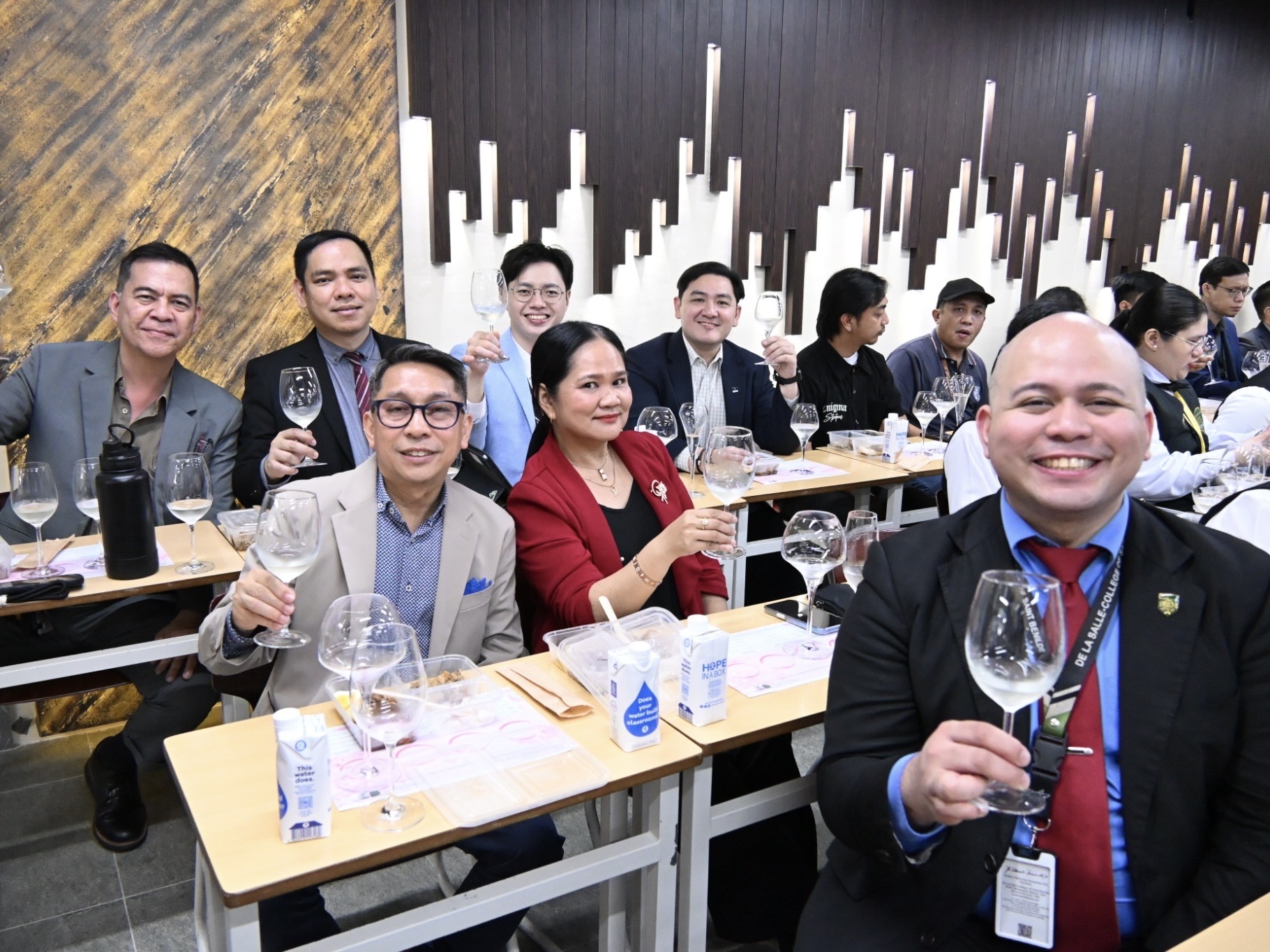
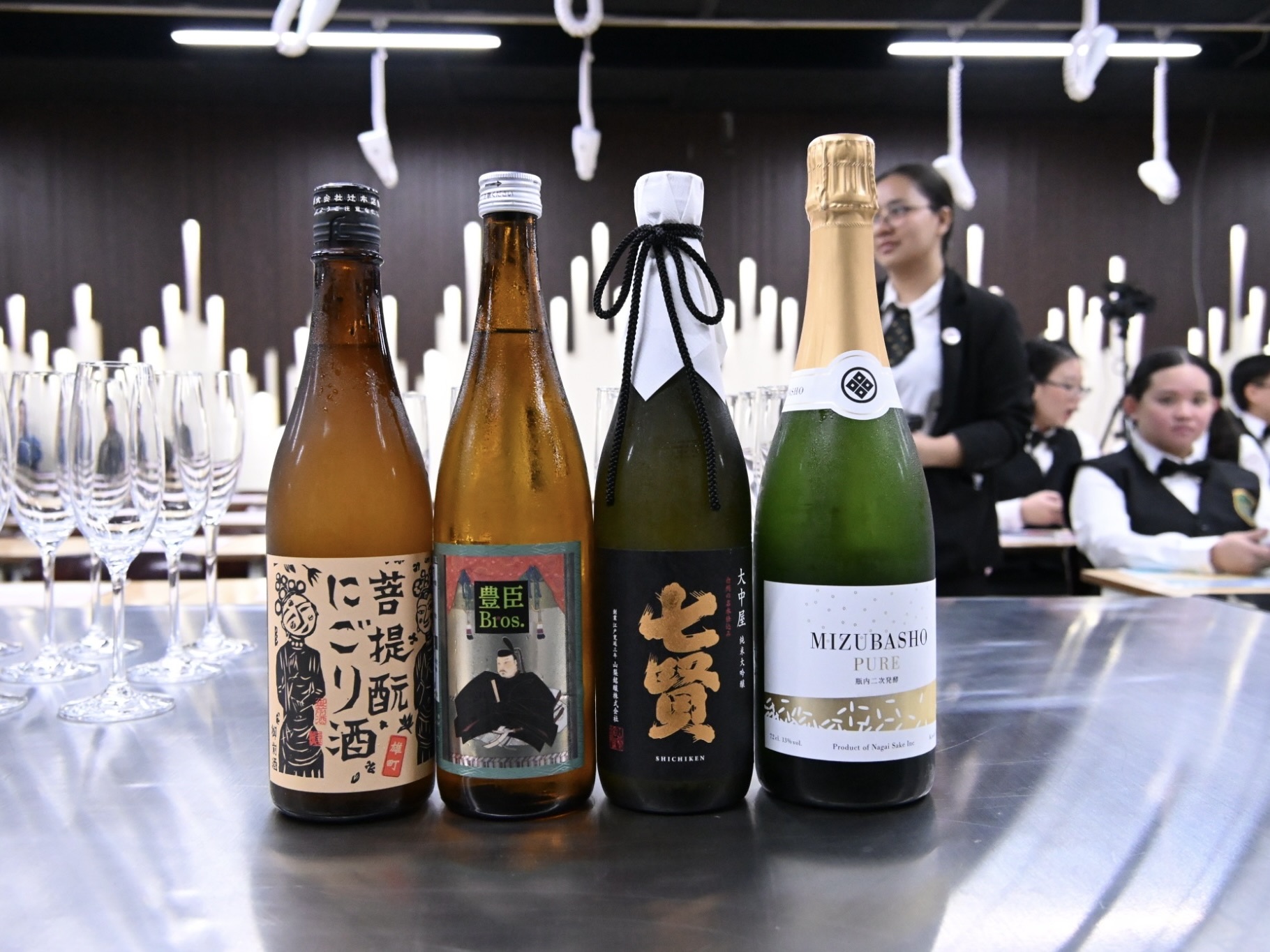
Following the lecture, we held a tasting session featuring four different types of sake along with pairing dishes:
- MIZUBASHO PURE Sparkling – Nagai Shuzo
- Onakaya Junmai Daiginjo – Yamanashi Meijo
Pairing Food: Pork Sisig - Toyotomi Bros. Junmai Ginjo – Nara Toyosawa Shuzo
Pairing Food: Local Fish Kilawin - Gozenshu Bodaimoto Nigori Nama Genshu – Tsuji Honten
Pairing Food: Boneless Chicken Adobo
Among these, the most popular was Gozenshu Bodaimoto Nigori Nama Genshu. Its yogurt-like flavor particularly complemented the Boneless Chicken Adobo, receiving high praise from many students.
In a simple show-of-hands vote, the other sake varieties also received many votes, and students seemed to enjoy discovering the diversity of sake flavors while comparing their personal favorites.


Experiencing Japan’s Fermentation Culture Through Amazake
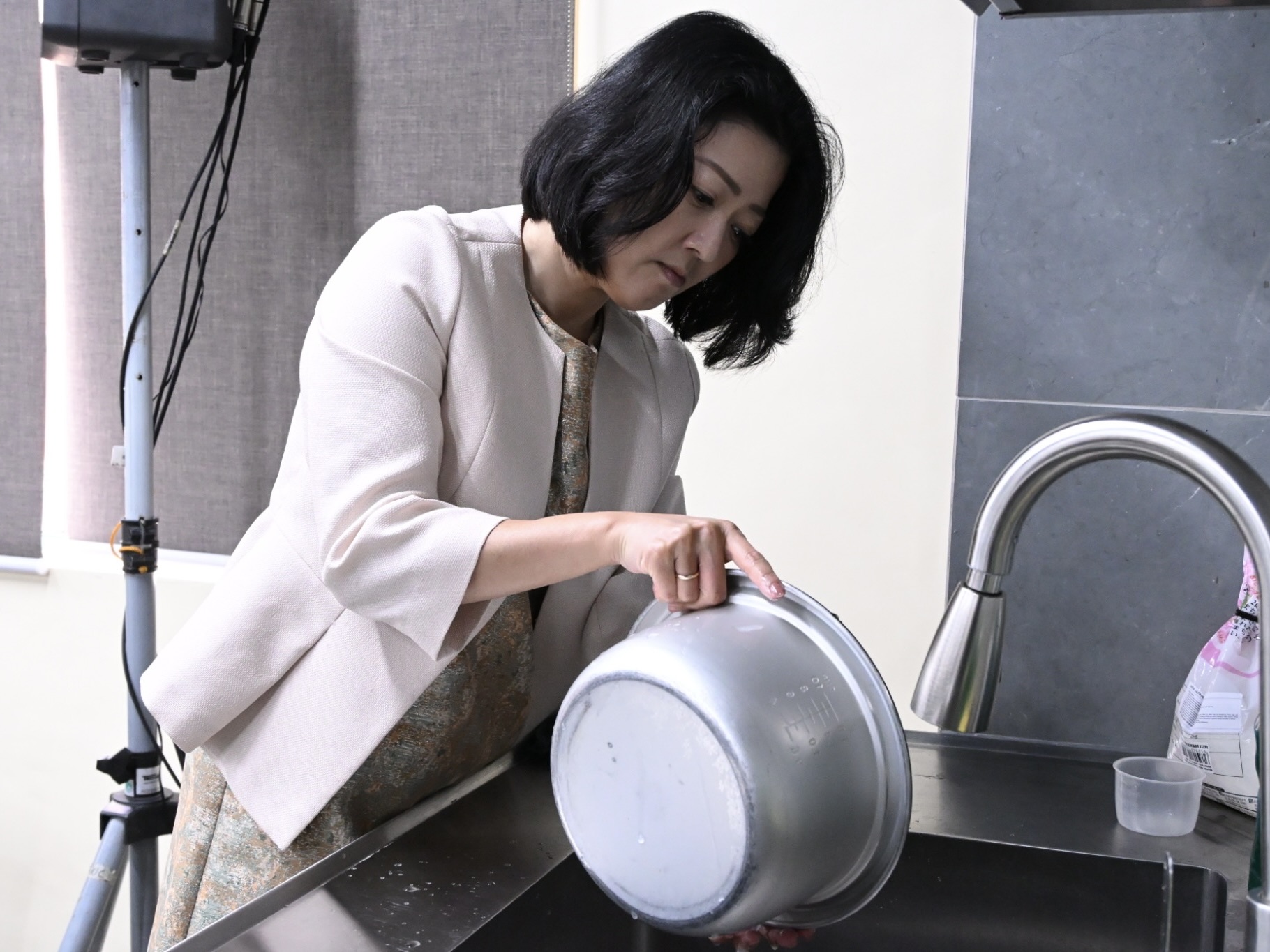
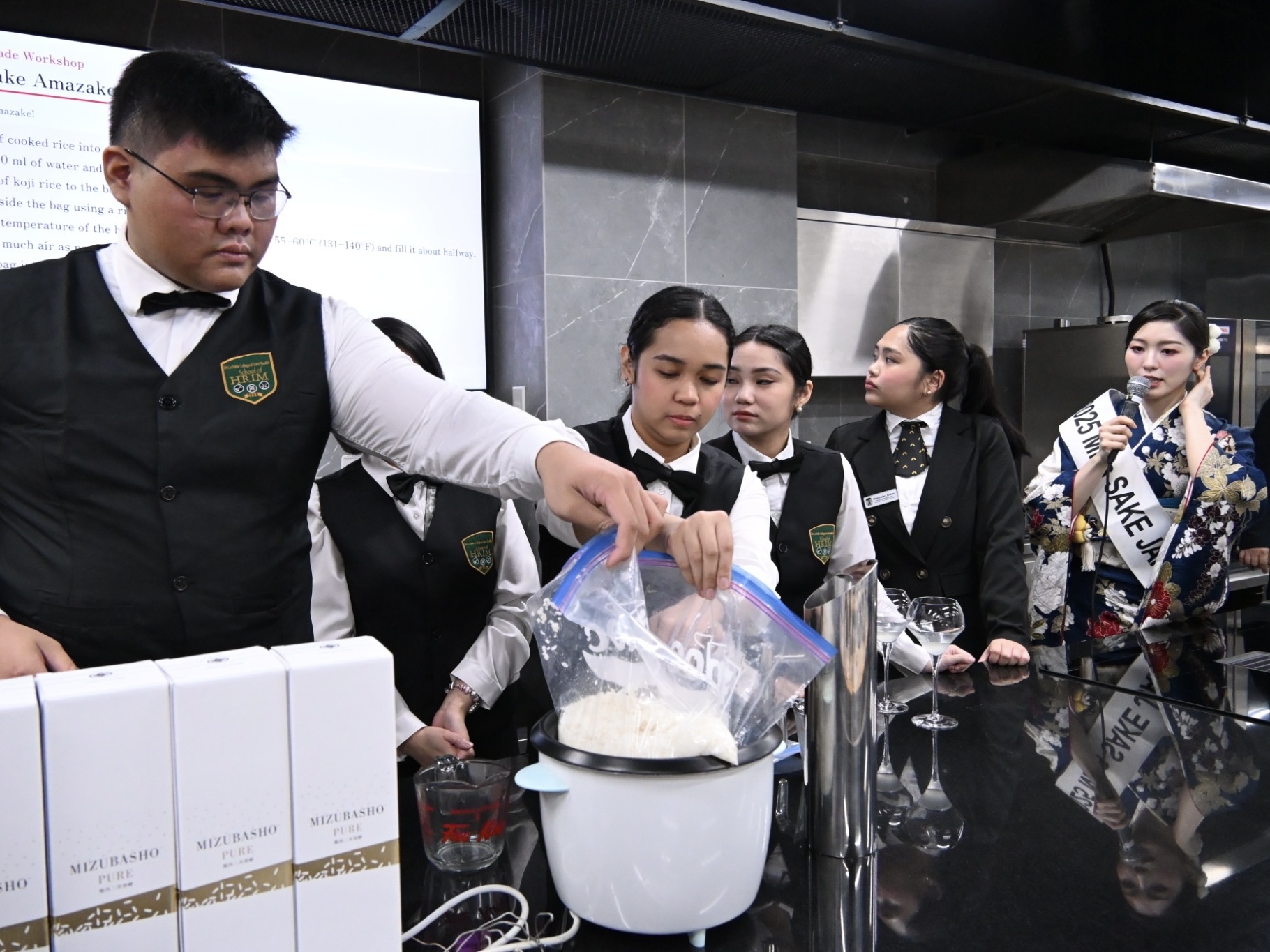
After the tasting session, we held a hands-on workshop to make amazake. While many students said they had heard of sake, most of them were encountering amazake for the first time. Although sake is gradually becoming more recognized overseas, amazake—born from the same fermentation culture and koji-based production process—remains relatively unknown internationally. Therefore, I introduced amazake as a traditional Japanese fermented drink that is highly nutritious and non-alcoholic, making it enjoyable for people of all ages. I also explained how to make it using a rice cooker and demonstrated the process together with volunteer students.
For this workshop, we used dried fresh koji provided by Sasaki Shuzo in Kyoto. This special koji is not normally sold commercially and is specifically used for amazake production. First, we asked everyone to smell the koji. Students commented that it had “a sweet steamed rice aroma” and “a cotton-candy-like fragrance.” Many were surprised by the naturally sweet scent of the koji itself. Afterward, volunteer students demonstrated the amazake-making process in front of the class.

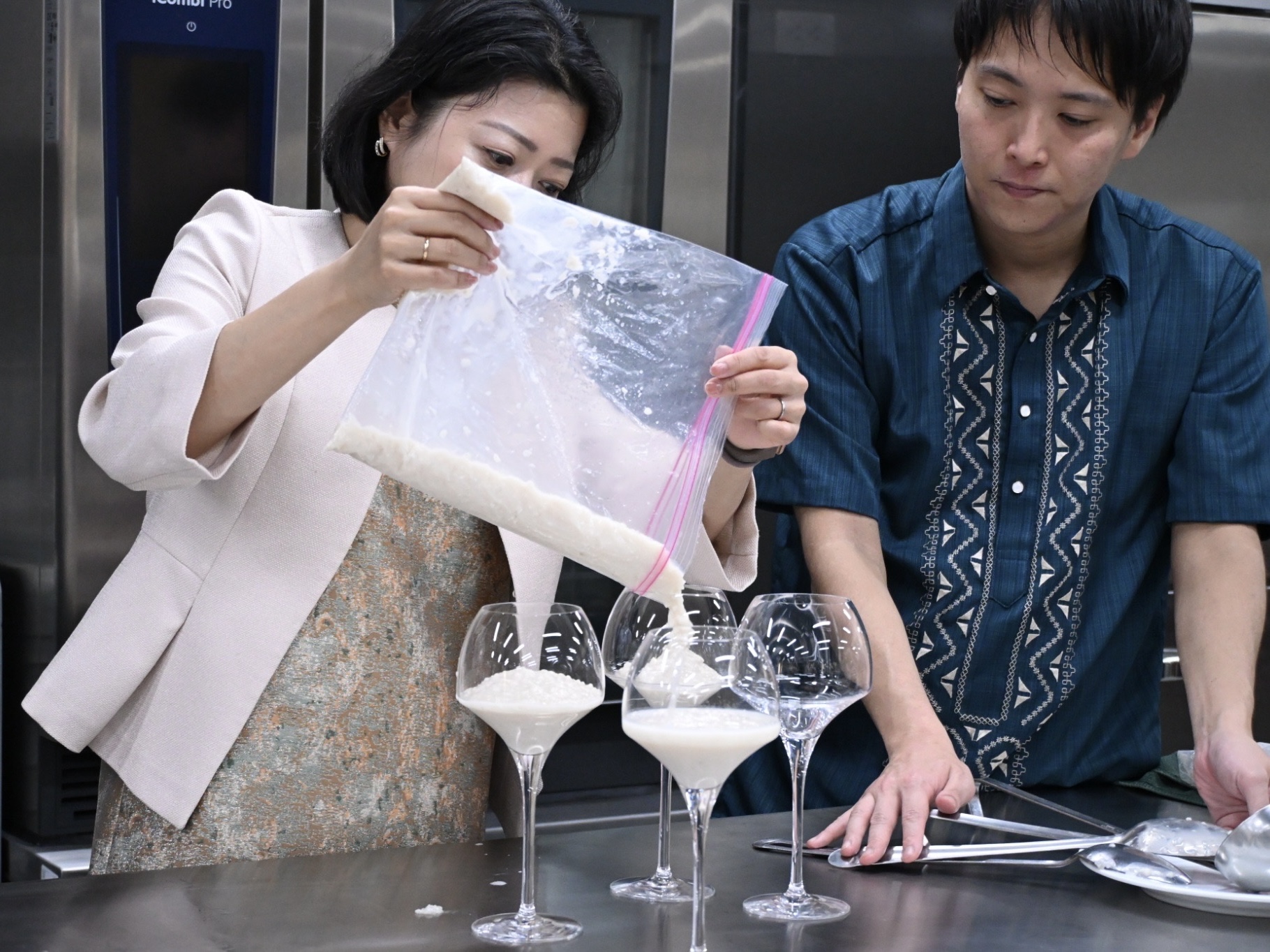
Finally, it was time for tasting. Many students responded enthusiastically with comments such as “It’s sweet and delicious!” The amazake proved so popular that all the prepared servings were finished. Although the tasting was brief, it was wonderful to see the students curiously tasting it and exchanging their impressions.
For students who will one day work in the hospitality industry, I was delighted that they were able to experience the diversity of sake flavors, the possibilities of pairing with Filipino cuisine, and the richness of Japan’s everyday fermentation culture through amazake.


Through this school visit, I was deeply inspired by the students’ enthusiasm for learning and their willingness to take on new challenges within such a vibrant environment. In particular, the high level of service awareness I observed at the student-run restaurant Vatel, as well as the focused expressions of the students during the lecture and workshop, gave me a strong sense of their ambition and potential as future leaders in the hospitality industry. The SAKE Master Class and the amazake workshop provided a meaningful opportunity for students to experience the depth of Japan’s fermentation culture and food traditions, and it was an equally valuable experience for me as well.
As Miss SAKE, I will continue sharing with the world the beauty of Japan’s nature, traditions, and culture that have been nurtured in people’s daily lives through sake. At the same time, I hope to keep building bridges between Japan and the world by fostering exchange with the food cultures and hospitality traditions of different countries.
I would like to express my sincere gratitude to everyone who made this wonderful opportunity possible, as well as to the students and faculty members of De La Salle–College of Saint Benilde for their warm welcome.
Chisato Tateno
2025 Miss SAKE Japan