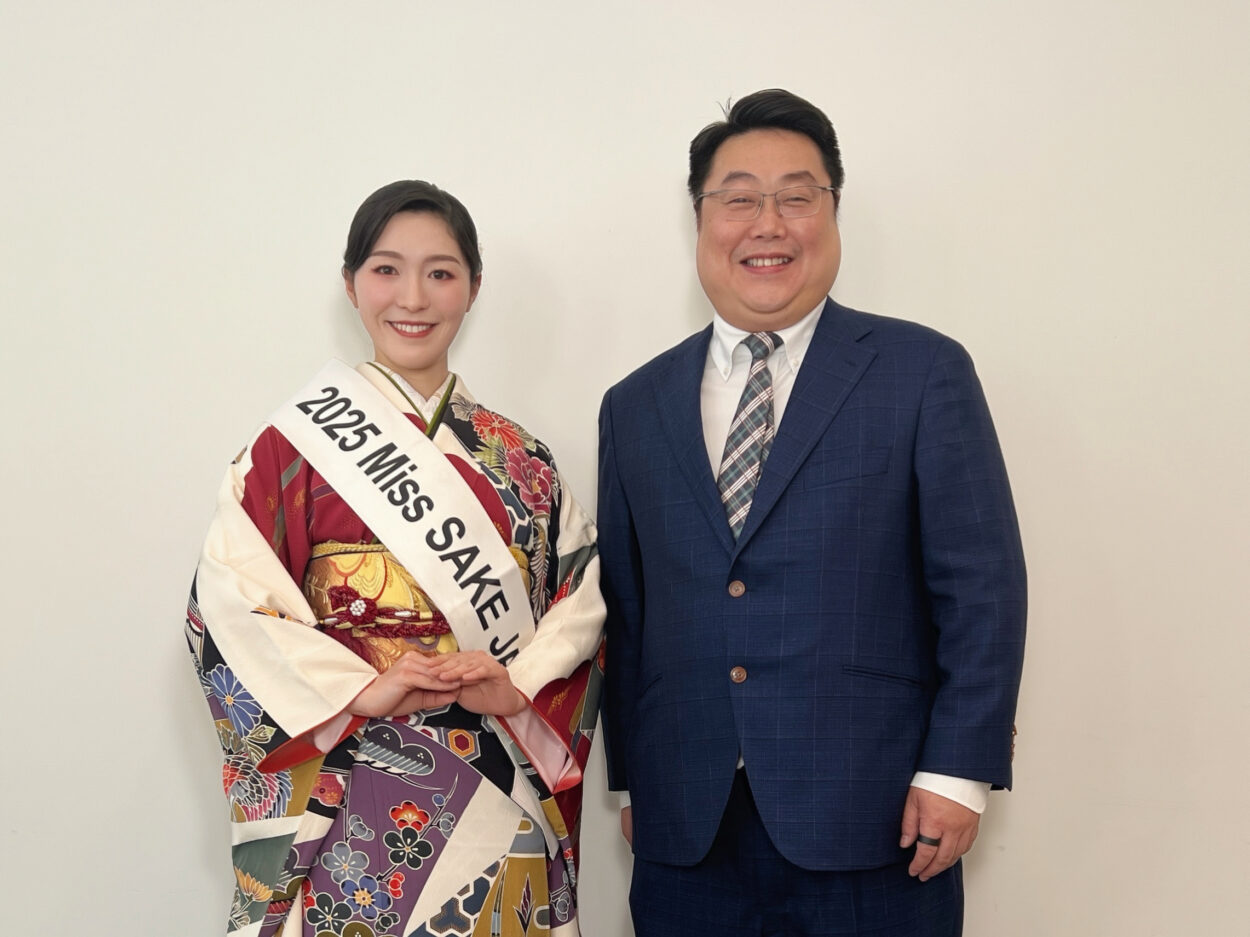
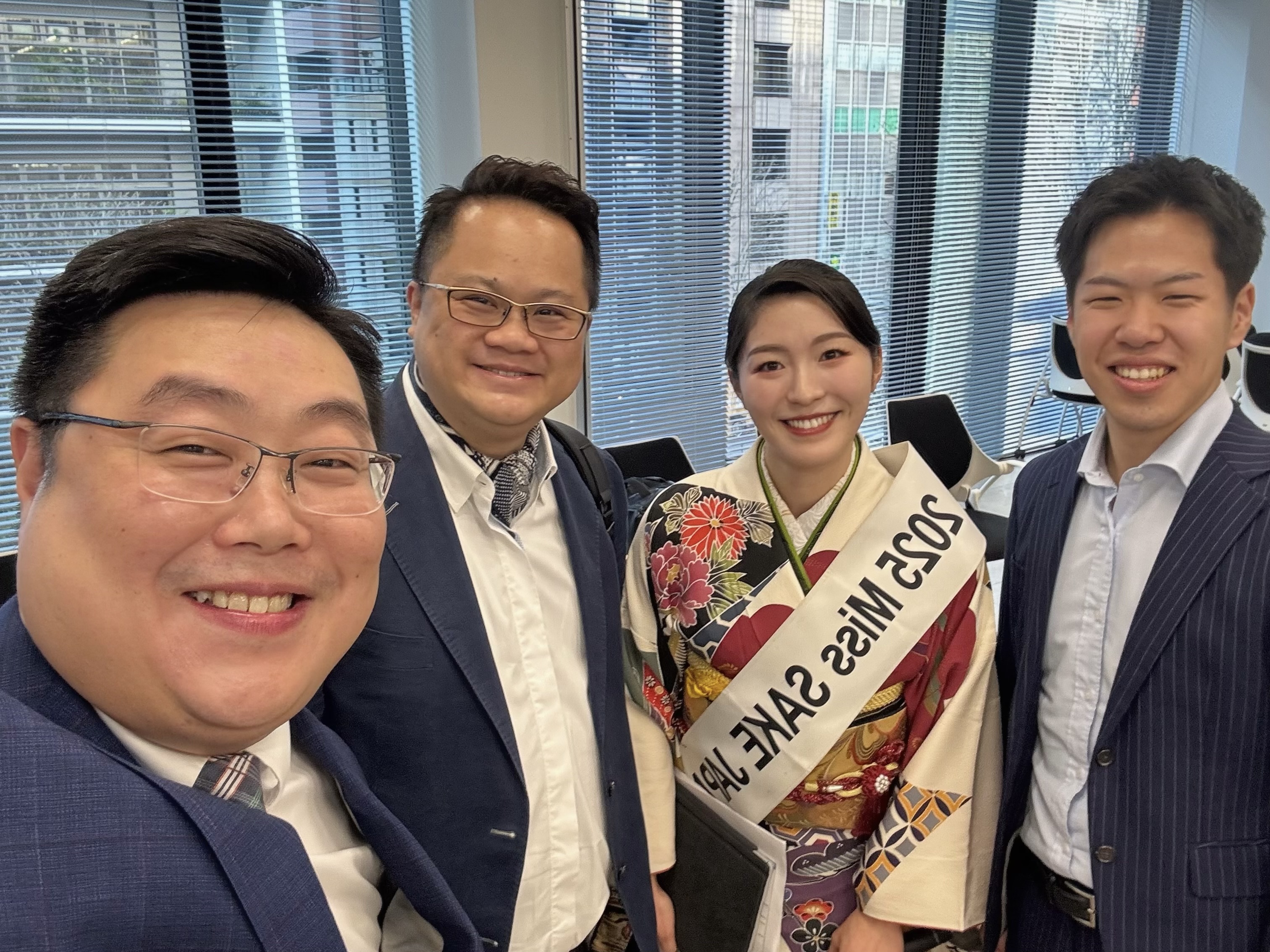
Hello everyone, this is Chisato Tateno, 2025 Miss SAKE Japan.
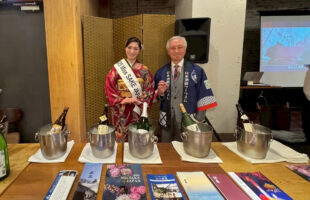
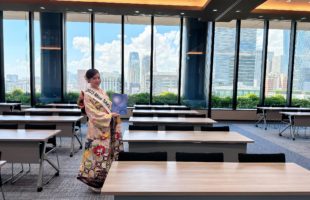
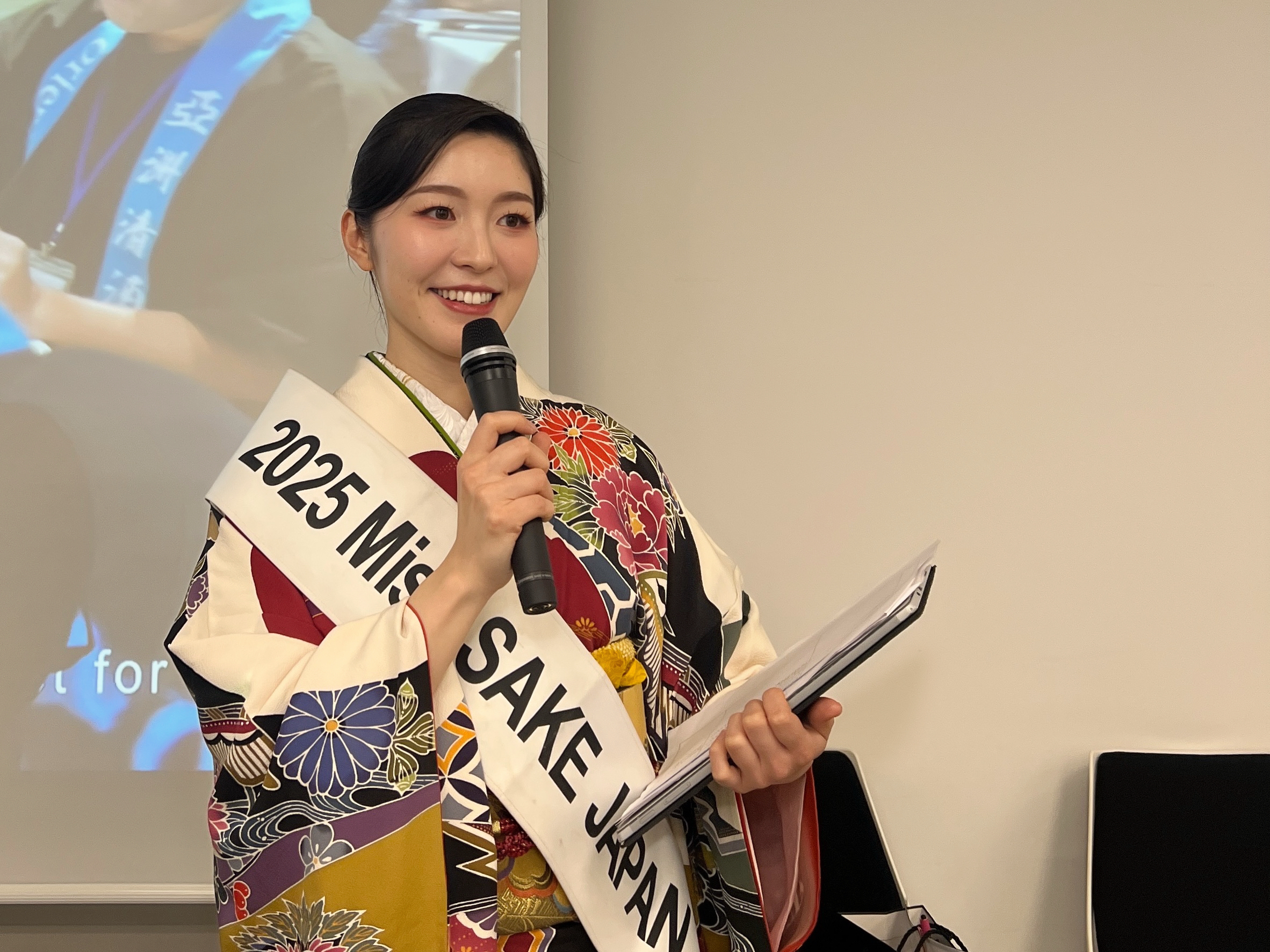
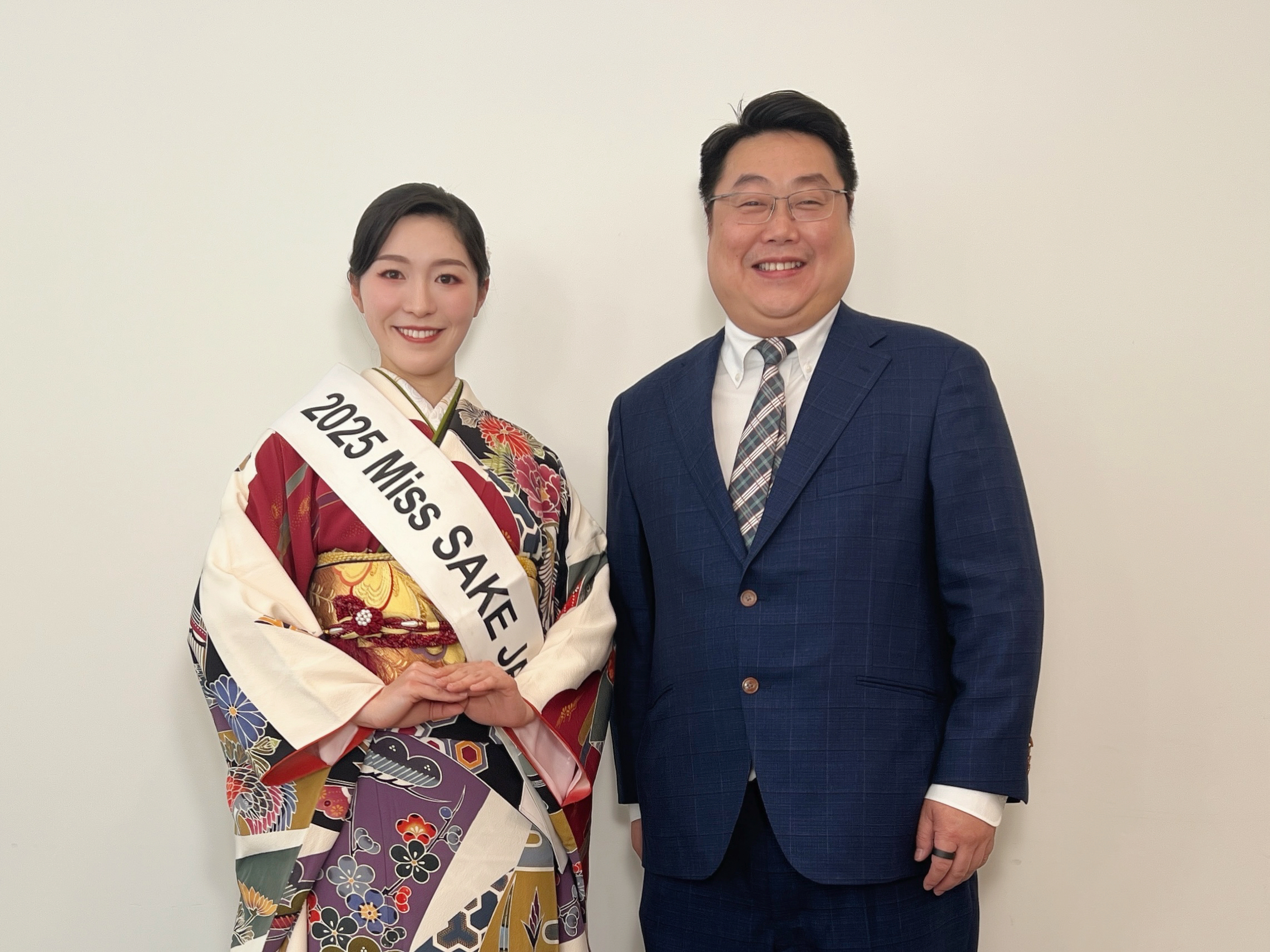
On Friday, April 3, I had the honor of serving as MC at the lecture titled “Sake Quality Trends as Seen Through the Choices of Asia” and the OSA 2025 Award-Winning Sake Tasting, hosted by the Hong Kong Sake Industry Association. The event was held at AP Toranomon / Japan Sake and Shochu Makers Association (Minato City, Tokyo).
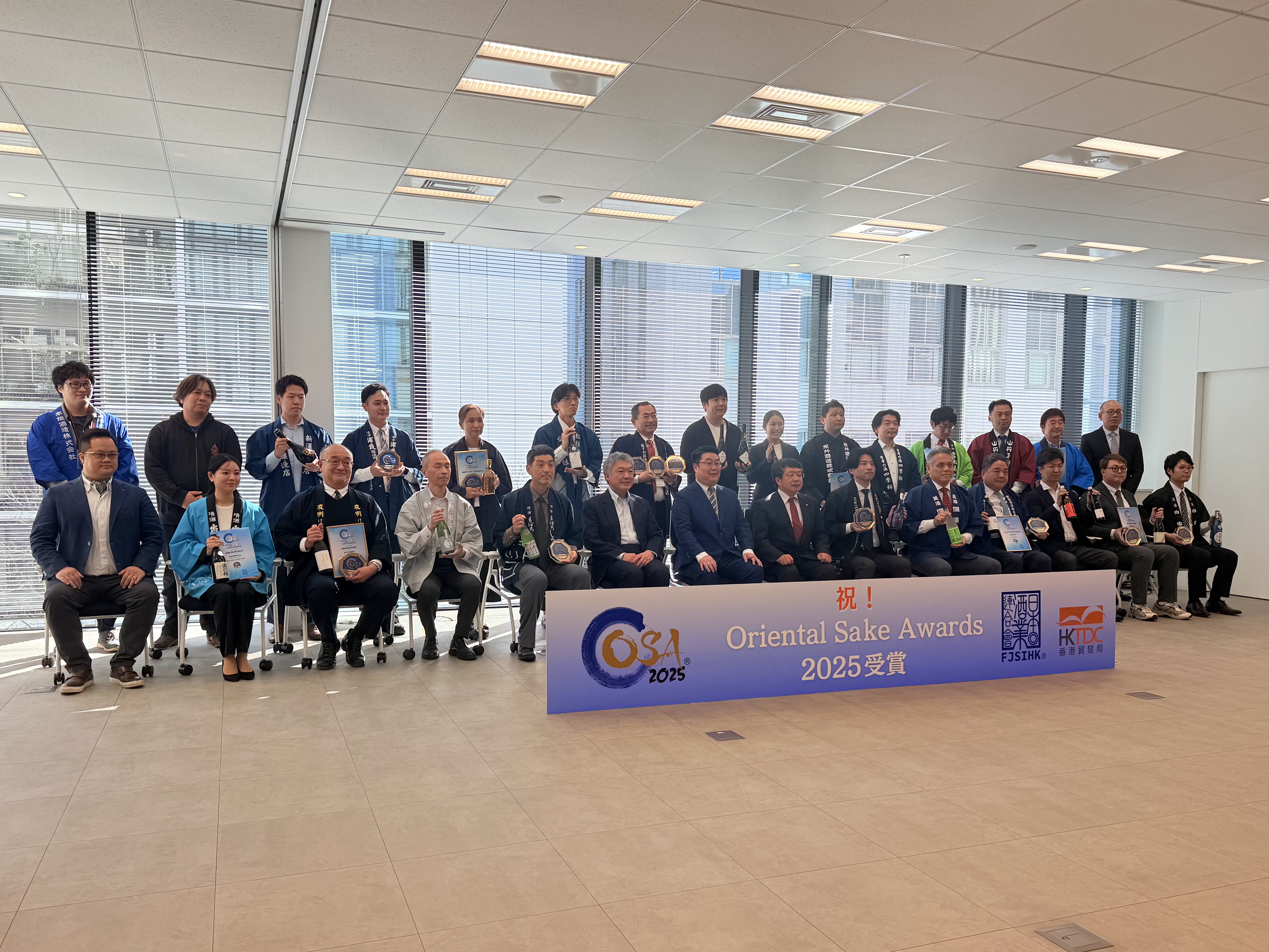
The venue brought together leading sake brewers and industry professionals, providing a valuable opportunity for exchanging insights and information about this competition.
About OSA
The Oriental Sake Awards (OSA) is the first sake competition in Asia (excluding Japan) to be conducted according to international standards. Renowned sake professionals from various countries gather to evaluate entries through a fair and rigorous judging process, selecting outstanding sake while widely promoting their appeal.
In recent years, the importance of the Asian market in sake exports has continued to grow. OSA serves as an important platform for objectively understanding how the value and appeal of sake are perceived in overseas markets. Furthermore, it is the only sake competition held in Asia outside Japan that is included in the World Sakagura Ranking.
For breweries, OSA offers not only an opportunity to enhance brand value and expand overseas distribution, but also a platform to gain deeper insights into local consumer preferences and market trends. As an initiative that opens new possibilities for sake, it continues to attract strong attention both domestically and internationally.
The Forefront and Behind the Scenes of Sake Evaluation for the Asian Market
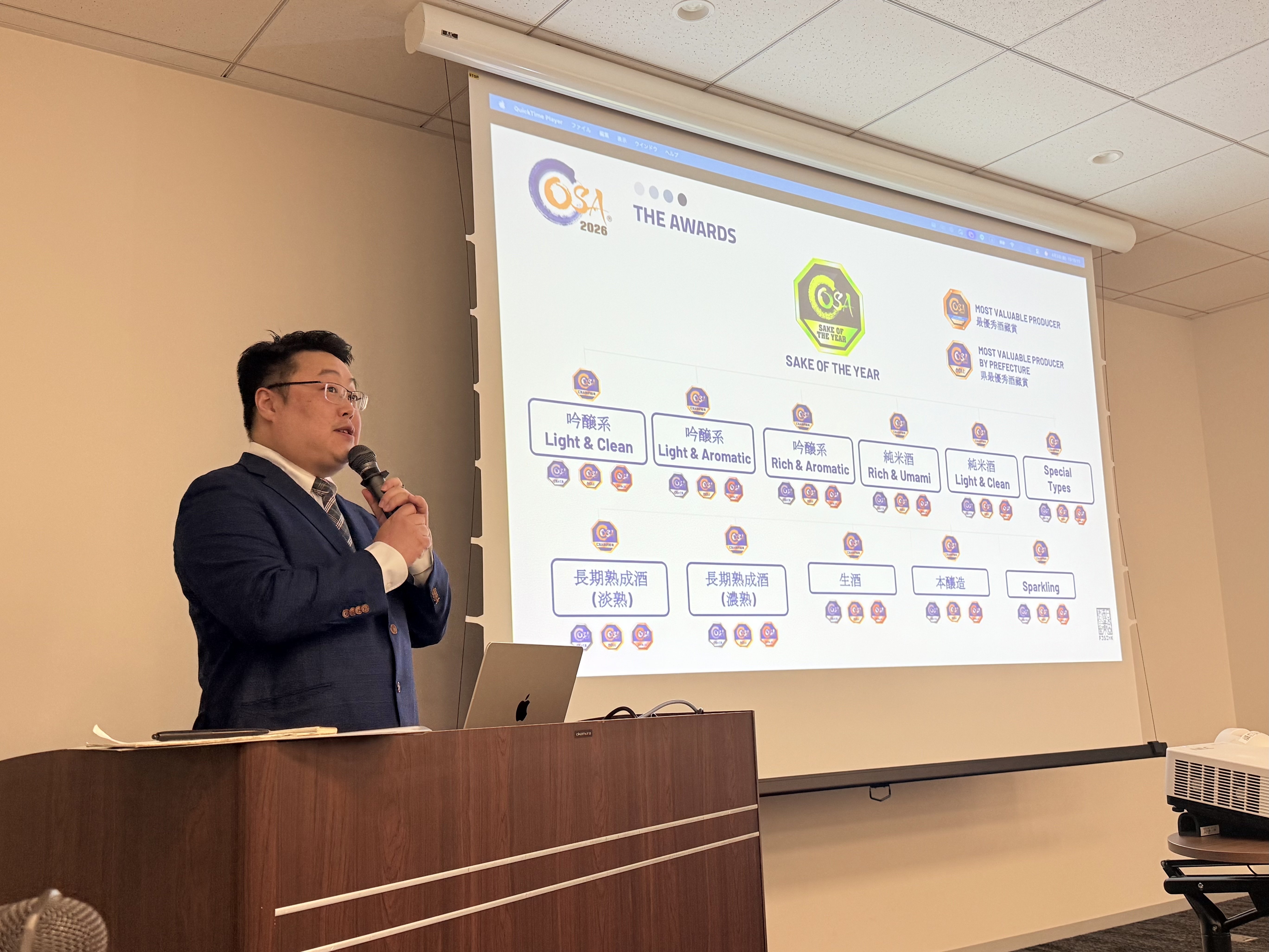
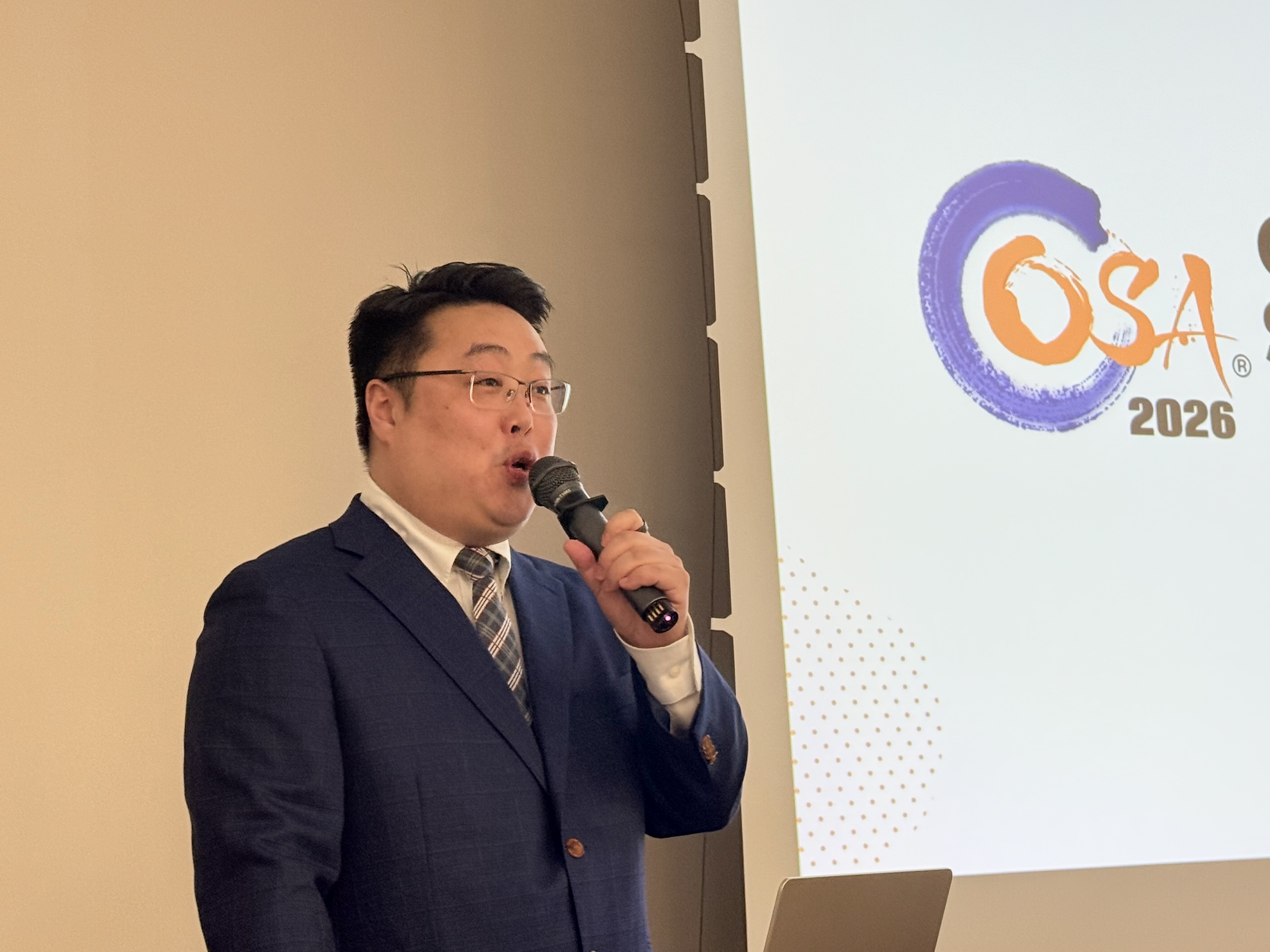
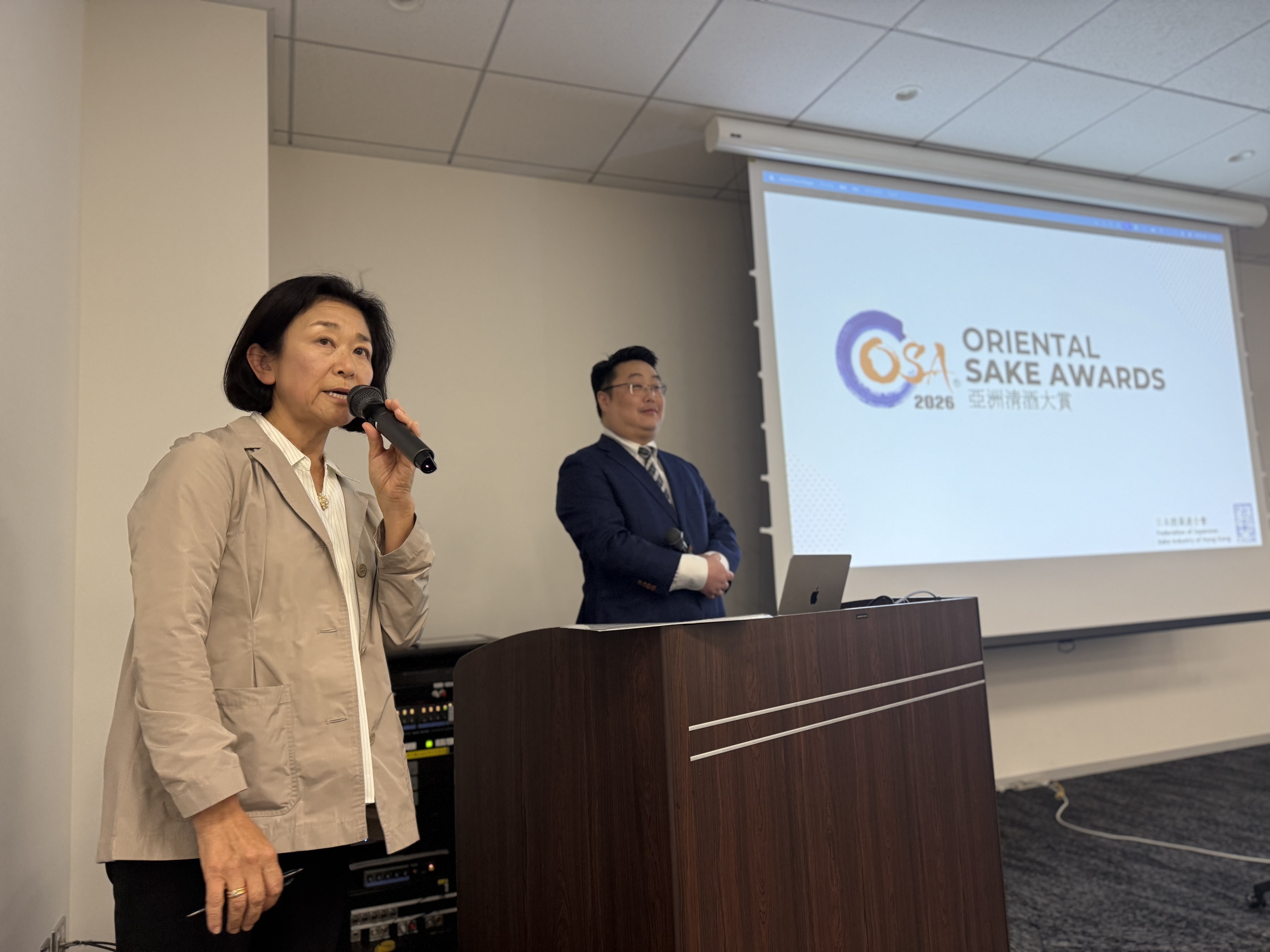
The event began with a lecture by OSA founder Mr. Mickey Chan, titled “Introduction to the Hong Kong Sake Industry Association and OSA” (with interpretation by Ms. Enomoto of Sake Industry News). He opened with words of appreciation to participating breweries and media representatives. He then introduced one of OSA’s defining features: eleven entry categories classified not by traditional sake designations, but by aroma and flavor profiles.
During the lecture, it was noted that approximately 65% of sake exports are destined for Asia, emphasizing the significance of conducting evaluations tailored to the Asian market. Judging is conducted in groups, with Gold, Silver, and Bronze medals awarded in each category. Last year, 39 judges from 10 countries, primarily across Asia and Oceania, participated. In addition, the sake that best represents each category is awarded the Champion Medal, while the top sake across all categories receives the Sake of the Year. A Regional Trophy is also presented to the top entry from prefectures with more than 20 submissions.
What left a particularly strong impression on me was the presence of the support team working behind the scenes. All entries are transported under strict conditions below 5°C, and thereafter carefully managed with precise temperature control and strict information handling, including bottle wrapping. Given the large number of samples to be evaluated, approximately 2,500 RIEDEL-standard glasses are used, each being utilized three times per day. These glasses are meticulously washed and polished after every use. Such dedication from the support team ensures a consistently high-quality judging environment. Seeing this process through video footage, I was deeply moved by the efforts of those working behind the scenes, whose commitment sustains the integrity and quality of the competition.
The Future of Sake Culture Expanding from Hong Kong
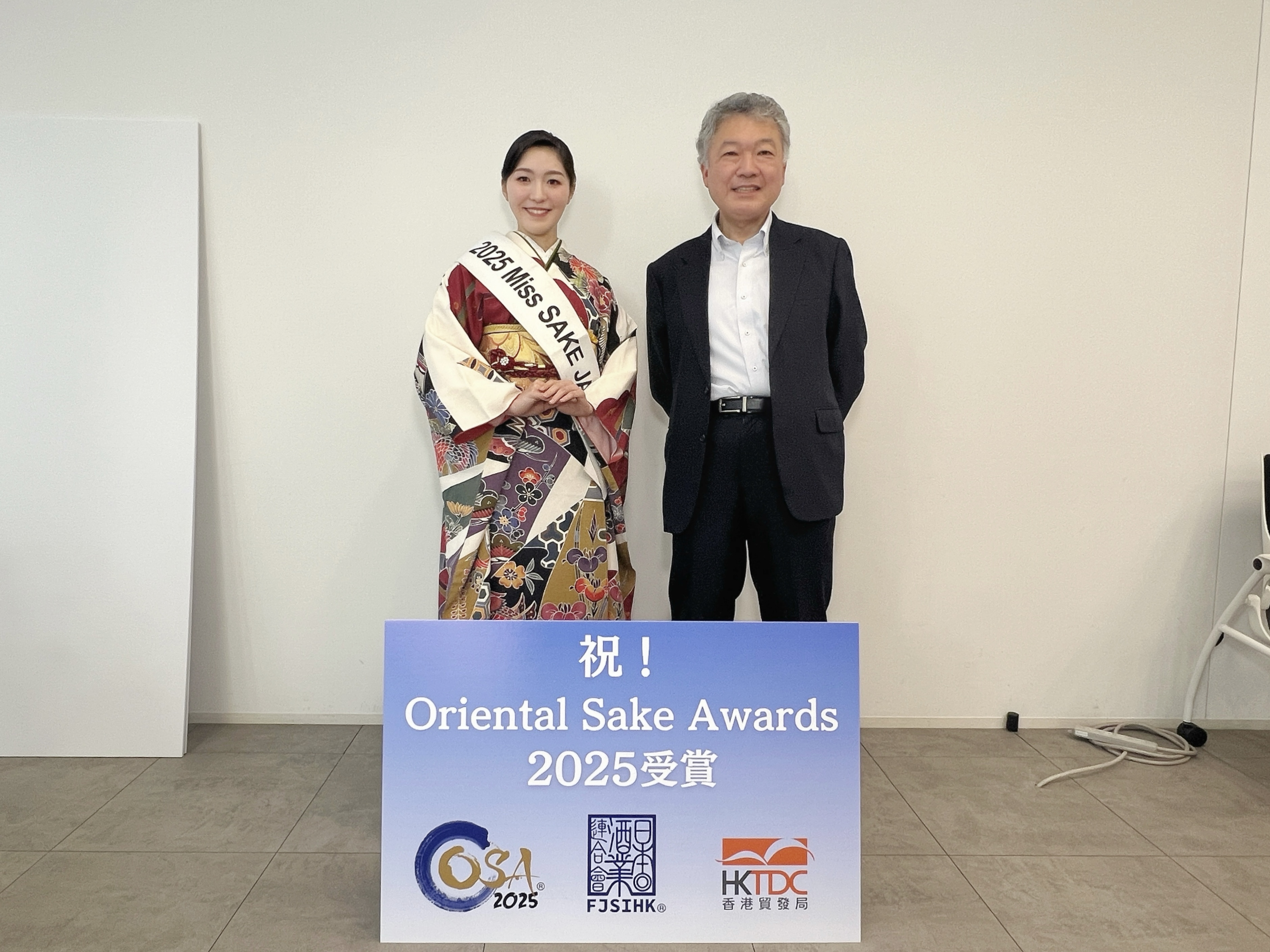
Following this, we received remarks from Mr.Benjamin Yau of the Hong Kong Trade Development Council, one of OSA’s supporting organizations. He noted that Japanese cuisine is becoming increasingly popular in Hong Kong, second only to Chinese cuisine, and that sake has become an indispensable part of this trend. It was also shared that out of Hong Kong’s population of approximately 7.5 million, around 2.5 million people—roughly one in three—visit Japan annually. Against this backdrop, he emphasized the growing importance of competitions in promoting sake to consumers.
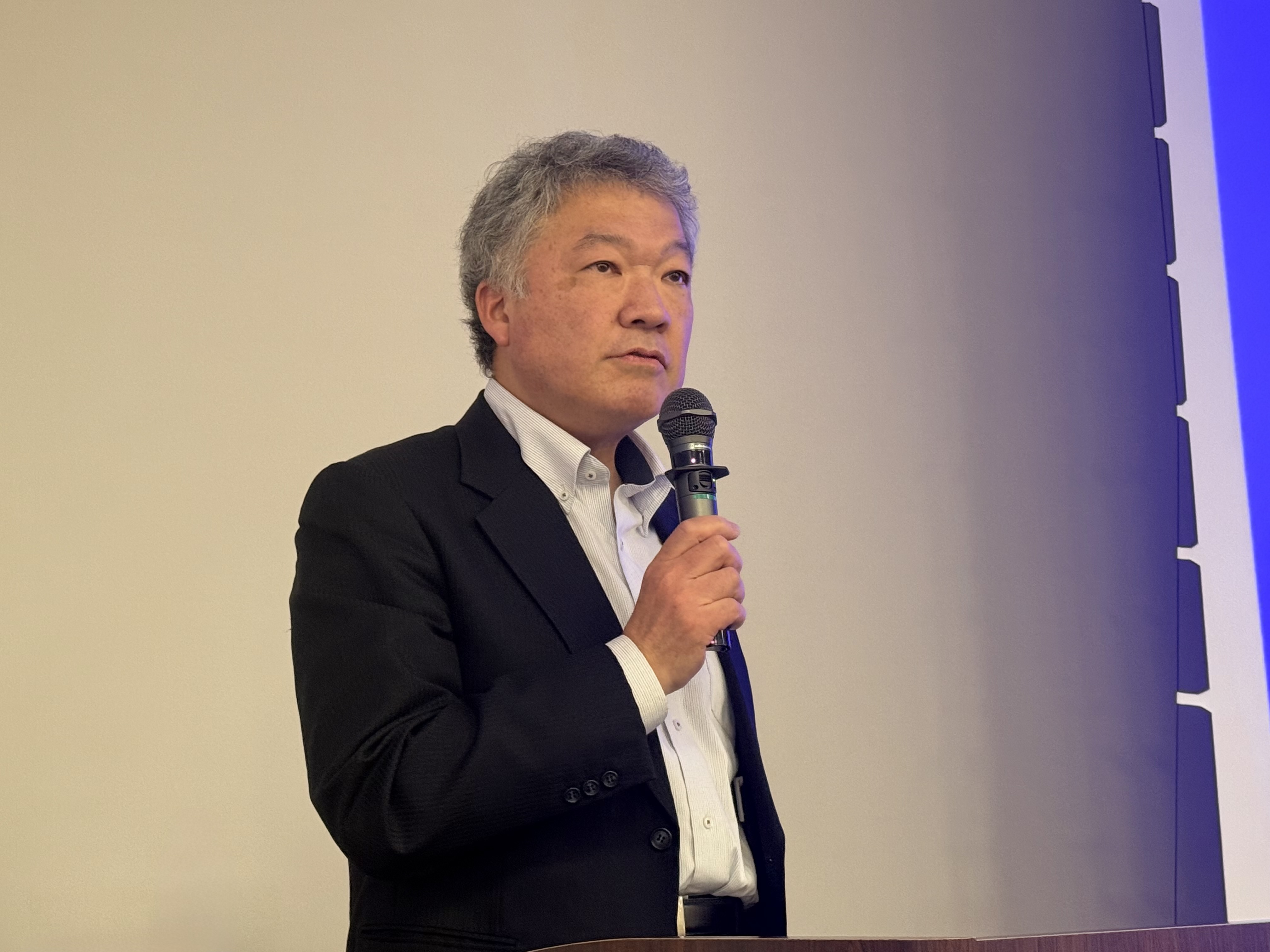
Next, Mr. Haruo Matsuzaki, Co-Chief Judge of OSA, delivered a lecture titled “The Current State of the Hong Kong Market, the Future of the Asian Sake Market, and Updates for OSA 2025.” With its status as a free trade port and the absence of tariffs, sake imports into Hong Kong have been increasing. Japanese cuisine and sake have become widely integrated into daily life, with sake now available even in train stations—an aspect that I found particularly striking. He also spoke about the strong potential of Hong Kong as a hub for disseminating sake culture to the world.
Through these lectures, I strongly realized the importance of internationally standardized sake competitions as a bridge connecting Japanese producers and overseas consumers. As global interest in Japanese cuisine and culture continues to grow, it is expected that sake culture will expand and be passed on in the same way. To achieve this, platforms that connect producers aiming to expand abroad with consumers seeking new tastes are essential. Sake competitions overseas play precisely this role, creating meaningful points of connection. This event provided a valuable opportunity to understand that structure more deeply.
Diversity and Potential Revealed Through Award-Winning Sake
At the tasting venue, approximately 40 varieties of OSA 2025 award-winning sake were presented.
As I walked through the venue, greeting and speaking with brewers and industry professionals, I was particularly struck by the diversity of categories. For example, the “Aged Sake” category was divided into two types—light-aged and rich-aged—reflecting the strong demand in Asian markets, including Hong Kong, for full-bodied and premium-style sake. I was also impressed by the “Special Types” category, which encompasses a wide range of styles such as Bodaimoto, high-acidity sake, low-alcohol sake, nigori, and kijoshu. Seeing these award-winning sake, each bearing its label of distinction, enter overseas markets, I felt strongly that they would serve as a valuable opportunity to convey the depth and diversity of sake to international audiences.
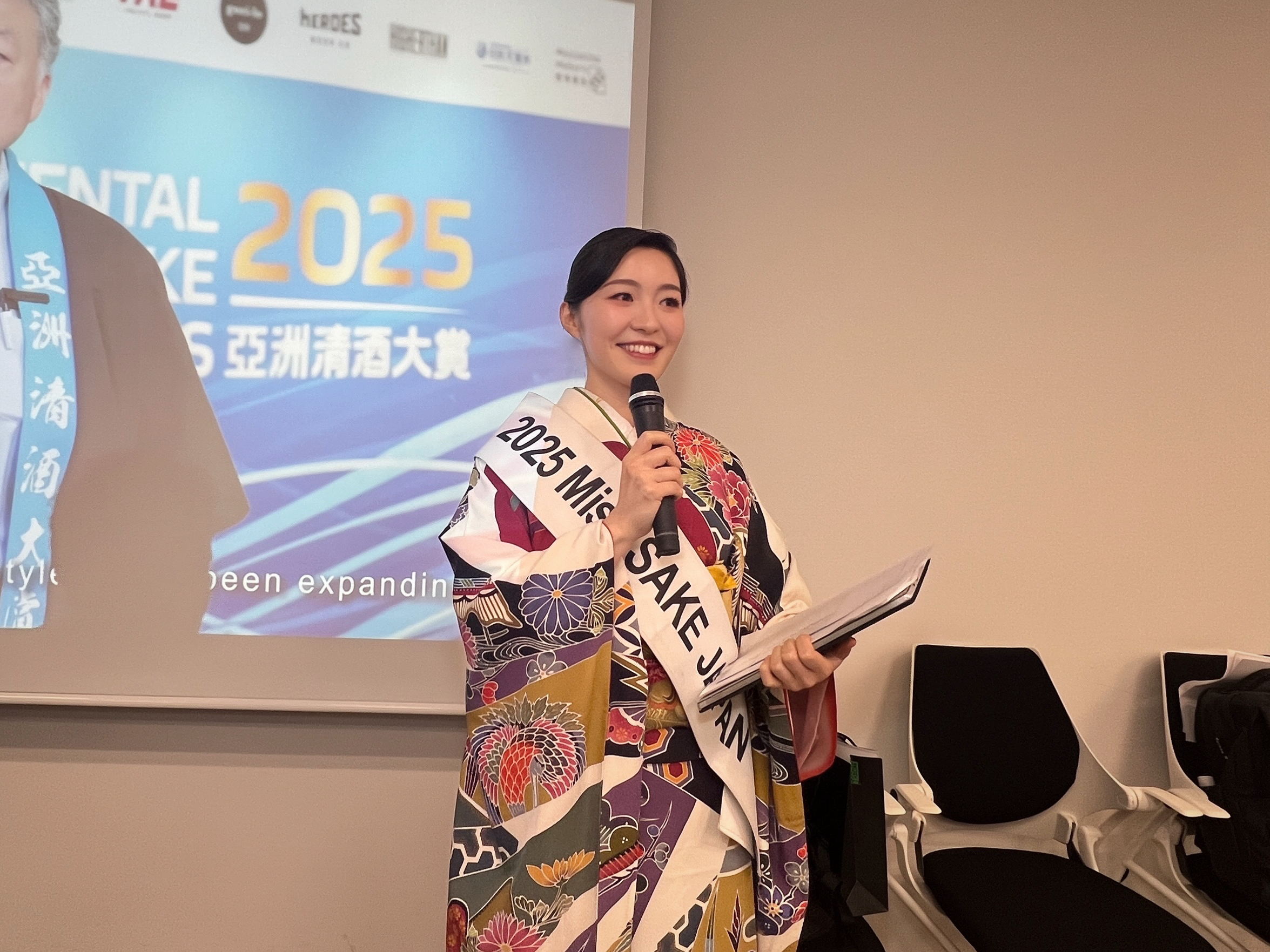
Through the OSA 2025 Award-Winning Sake Tasting & Seminar, I once again gained a deep appreciation for the diverse appeal of sake and its potential to transcend borders and cultures. In particular, encountering categories redefined by aroma and flavor, as well as evaluation criteria that reflect the preferences of the Asian market, highlighted for me the adaptability and evolving nature of sake. I also reaffirmed that, in connecting Japanese producers with overseas consumers, it is not enough to simply promote sake’s appeal. Rather, international competitions play a crucial role as intermediaries—creating new evaluation frameworks and expanding market opportunities.
Moving forward, as Miss SAKE, I will continue to share the history, culture, and passion of the people behind sake with care and respect. At the same time, I hope to contribute, even in a small way, as a bridge that brings the value of sake to a wider global audience, guided by this international perspective.
Chisato Tateno
2025 Miss SAKE Japan