皆さま、こんにちは。
2025 Miss SAKE 秋田の嶋宮里紗です。
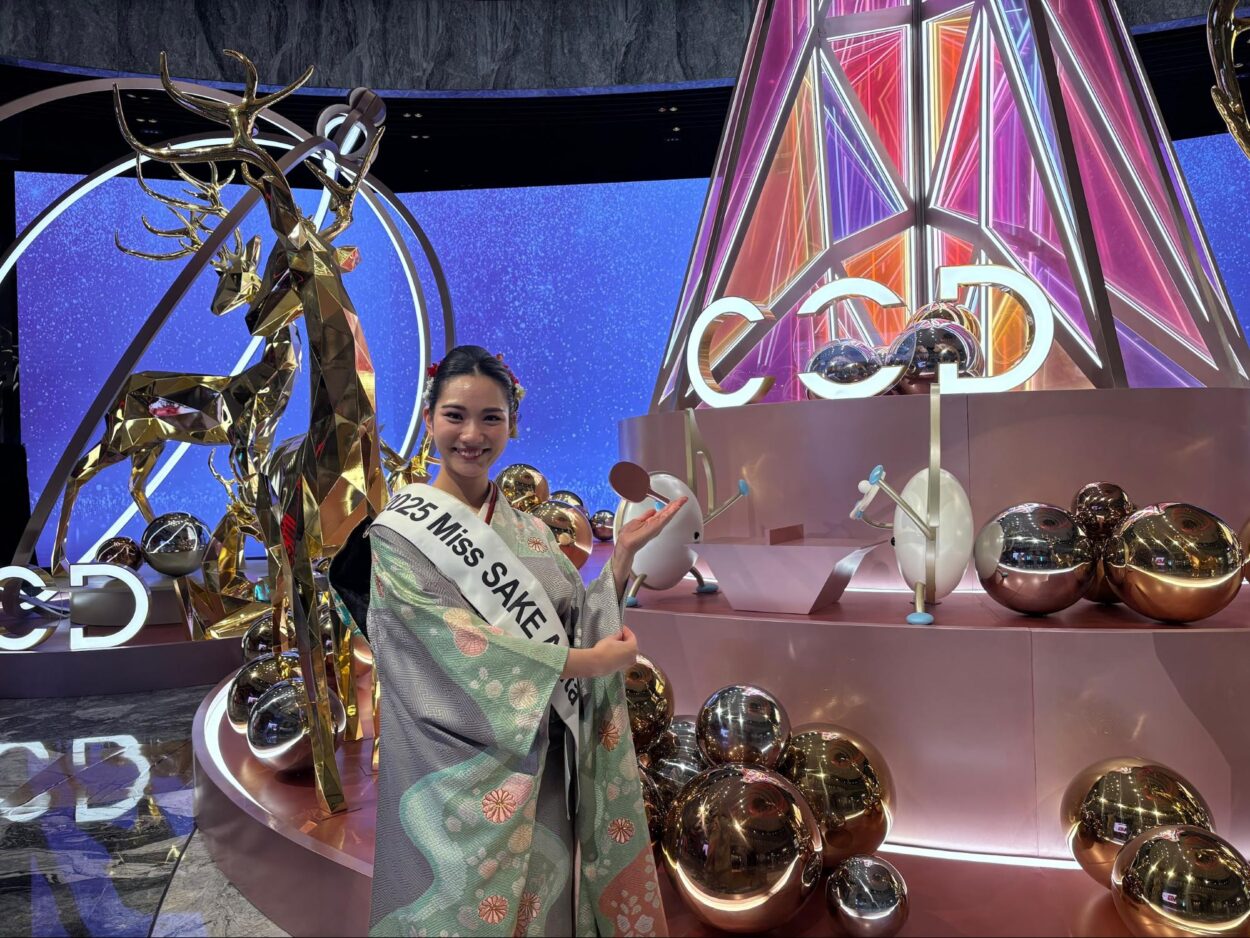
この度は、2025年11月13日(木)、CONNECT JAPAN btob Limited Executive Directorである柳生 政一様のご紹介のもと、秋田県観光文化スポーツ部 食のあきた推進課 課長 佐藤 はるか様、主任 篠木 優志様、主任 梅川 結様、詩の国秋田株式会社 代表取締役社長 伊藤 晋宏様と共にCity of Dreams Macau(COD)内にある和食料理店「Edo Japanese Restaurant(江戸)」の視察、及びマカオ新聞 Managing Director & Editor-in-Chief 勝部 悠人様、Sales & Marketing Manager Sonia Lei様と情報交換させていただく機会を賜りましたので、ご報告いたします。
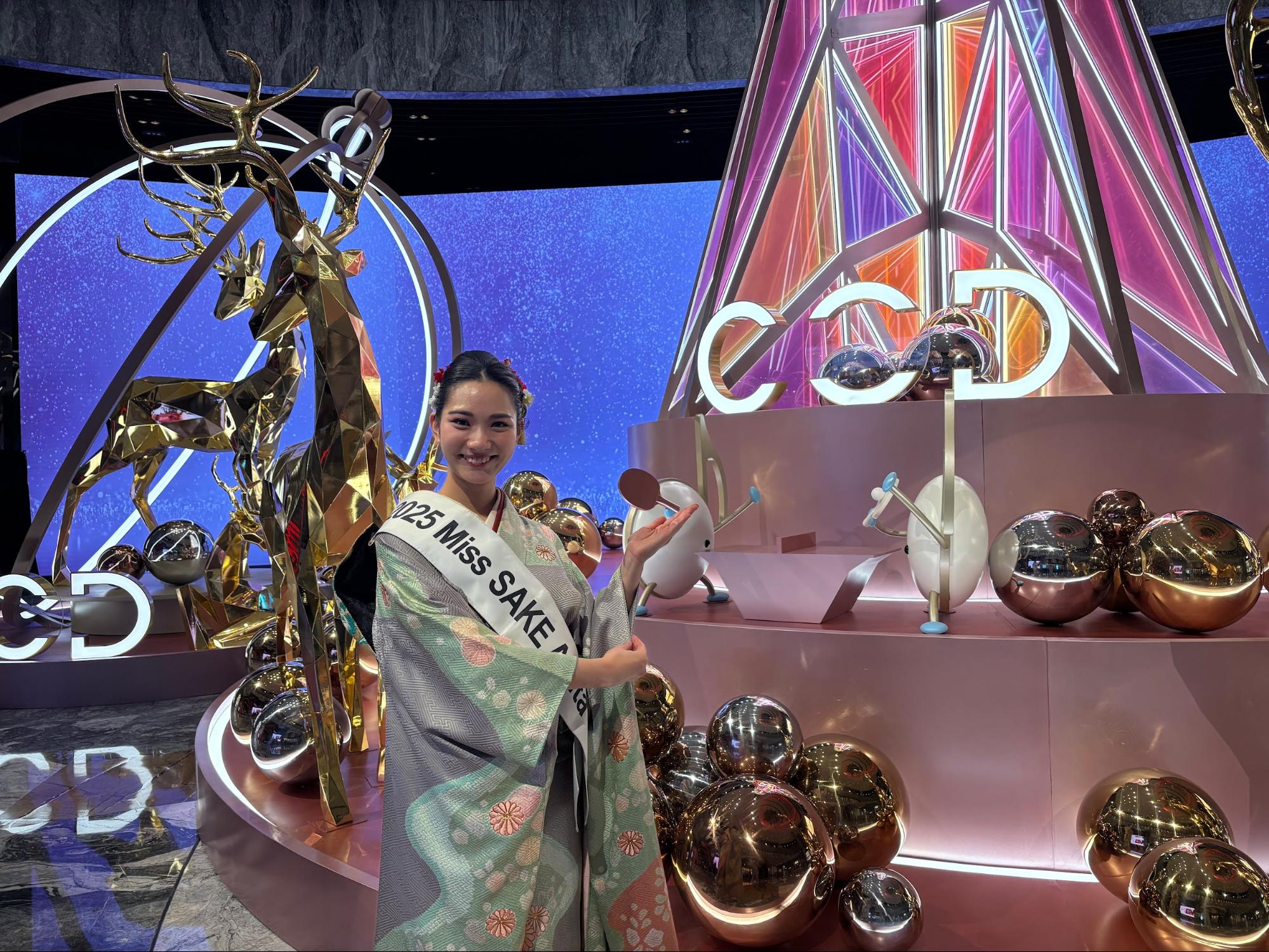
【和食料理店「Edo Japanese Restaurant(江戸)」の視察】

City of Dreams Macau(COD)内にある和食料理店、Edo Japanese Restaurant(江戸)を訪れ、取り扱われている日本酒のラインナップや現地のお客様の嗜好を拝見する貴重な機会を得ることができました。レストランは洗練された趣を持ちながらも、どこか肩の力を抜いて入れる「身近さ」や「親近感」が漂った雰囲気でした。
提供される日本酒は複数のラインナップが備わっているものの、実際にはビールの注文が多く、また日本酒を選ぶ際には「十四代」や「獺祭」といった知名度の高い銘柄が特に支持を集めているとのお話を伺いました。日本酒を選ぶ基準がまず「知っているブランド」であるという点では、香港と類似していると感じました。一方で多様な銘柄が並び始めていることは、日本酒文化がマカオでさらに広がる土壌が整いつつあるということの表れとも感じられました。
【マカオ新聞の皆様との情報交換】
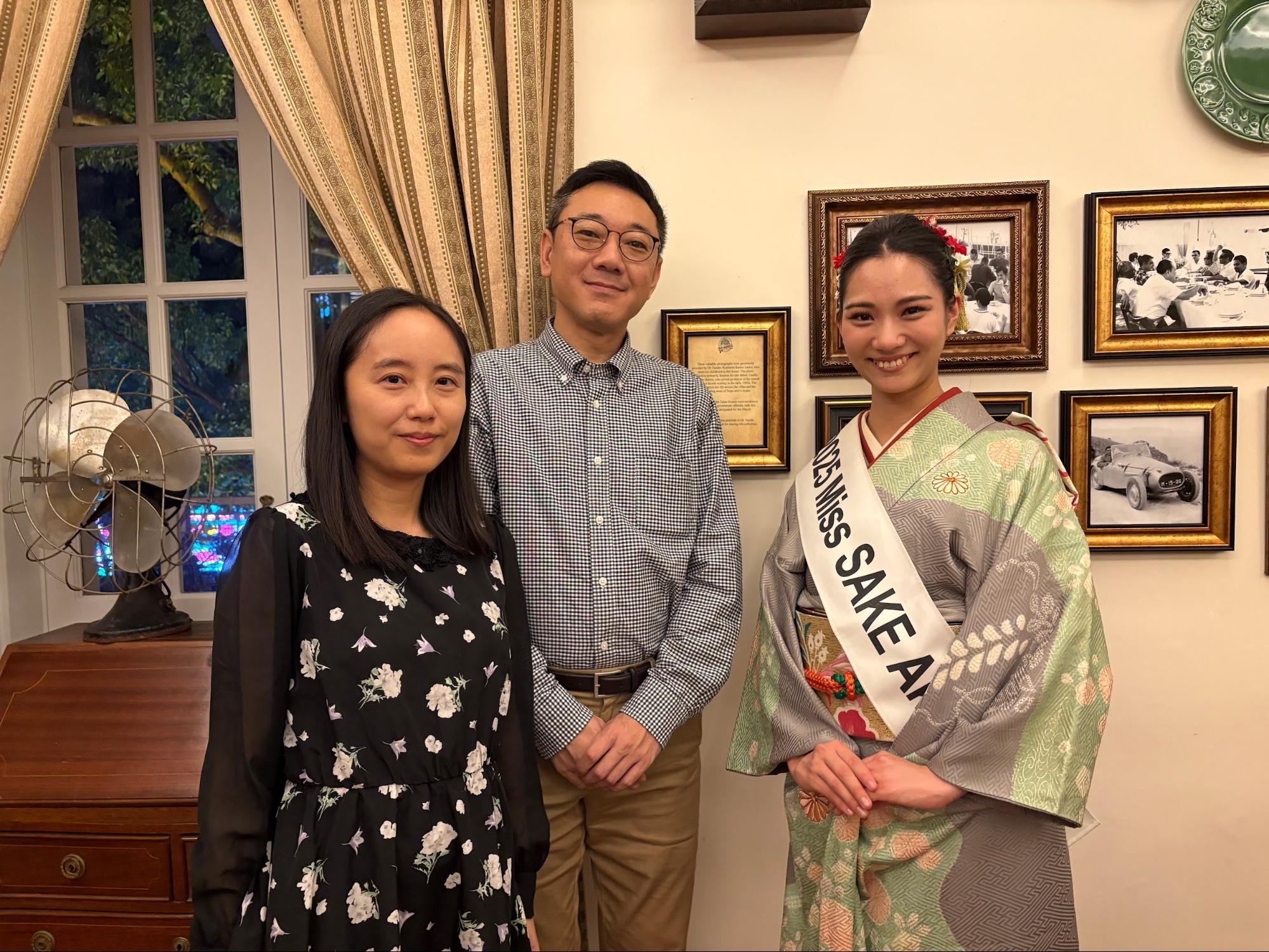
また今回は、マカオ新聞の方とも情報交換をさせていただき、現地の日本酒市場やPRのあり方について深い示唆をいただきました。マカオは人口密度が世界一とも言われ、限られた空間に多様な人々が集まる都市のため、スポットで行うプロモーションは非常に視認性が高く、広東語でのPRがとりわけ効果的であるとお話いただきました。小さなきっかけが大きな興味へと繋がる環境であり、言語やプロモーションをする場の選び方が重要になる点では、香港で得た学びと似た気づきでした。一方で、日本酒に関しては品質管理への意識が高く、製造から一年以上経過した商品は選ばれにくい傾向があると伺い、輸入制限のハードルが低い香港との差を感じました。常に新しいロットへと更新していく酒造メーカーやディストリビューターとの取り組みが信頼につながるというお話も伺い、海外市場における日本酒の価値訴求の難しさと可能性を学ばせていただきました。
また、マカオにて「秋田」という場所や秋田の日本酒を認知されるためのご助言も頂戴いたしました。マカオの方々は、まだ秋田の位置を認知していない段階であるため、日本の地域の魅力を伝えるということが、私が考えている以上に丁寧な積み重ねを必要とすることを改めて実感しました。
さらに、小売店ではホームパーティの手土産として日本酒が選ばれることも多いとのことで、多様な銘柄が並んでいる一方で、やはり「十四代」や「獺祭」といった強いブランドが印象に残りやすいと伺いました。「山田錦だから買う」という選択も依然として大きな要素であることから、日本酒の個性や酒蔵の想いを含めたストーリーを伝えていくことが今後重要であると感じ、改めて秋田の酒蔵の皆様から日本酒に込めた想いを丁寧にお伺いし学びたいと思いました。
今回の和食料理店「江戸」の視察とマカオ新聞の皆様との情報交換を通して、日本酒がすでに一定の存在感を持ちながらも、まだブランドの知名度を頼りに選ばれる段階にあることを強く実感いたしました。しかし、その一方で、関心を持つきっかけが随所に生まれはじめており、この地に日本酒の奥深さを広げていく余地が大いにあるという可能性も強く感じました。2025 Miss SAKE 秋田として、日本酒の背景にある文化や地域の魅力を丁寧に伝えることで、マカオでの理解と興味をさらに深める一助となれるよう、今後も活動を重ねてまいりたいと感じました。
2025 Miss SAKE 秋田 嶋宮里紗
English
Hello everyone. My name is Risa Shimamiya, 2025 Miss SAKE Akita.
On Thursday, November 13, 2025, through the kind introduction of Mr. Masakazu Yagyu, Executive Director of CONNECT JAPAN btob Limited, I had the privilege of visiting the Edo Japanese Restaurant located inside the City of Dreams Macau (COD). I was accompanied by Ms. Haruka Sato, Director of the Food Promotion Division of Akita Prefecture’s Department of Tourism, Culture, and Sports; Mr. Yuushi Shinoki, Senior Staff; Ms. Yui Umekawa, Senior Staff; and Mr. Shinko Ito, President and CEO of Shi no Kuni Akita Co., Ltd.
We were also given the valuable opportunity to exchange insights with Mr. Yujin Katsube, Managing Director & Editor-in-Chief of Macau Shimbun, and Ms. Sonia Lei, Sales & Marketing Manager. I am pleased to share this report with you.
During our visit to Edo Japanese Restaurant, we were able to observe the selection of Japanese sake offered as well as the preferences of local guests. The restaurant itself had a refined atmosphere, yet it exuded a sense of warmth and approachability that made it feel comfortably familiar.
Although several varieties of Japanese sake were available, we learned that customers often order beer, and when they do choose sake, well-known brands such as Juyondai and Dassai are particularly favored. This tendency—where familiarity with a brand plays a major role in the selection of Japanese sake—reminded me of Hong Kong’s market as well.
At the same time, seeing a growing diversity of sake labels now being offered suggested that the foundations for a deeper sake culture are steadily forming in Macau.
We were also fortunate to exchange views with representatives of Macau Shimbun, from whom we gained valuable insights into the local sake market and effective public relations strategies. Macau is known for having the highest population density in the world, and because so many people gather within a compact area, targeted promotional activities are highly visible and impactful. We were told that PR conducted in Cantonese is especially effective.
This environment—where small opportunities can develop into significant interest—underscored the importance of language choice and the selection of suitable promotional venues, echoing lessons I had learned in Hong Kong.
In contrast, I was told that local consumers in Macau have a strong awareness of sake quality control, and products that have been bottled for over a year tend not to be selected. Compared with Hong Kong, where import restrictions are more relaxed, this difference highlighted the challenges of ensuring freshness in exported sake.
We also heard that partnerships with breweries and distributors who consistently update their inventory with the latest batches help build trust in the market. This conversation reminded me how demanding, yet full of potential, the overseas sake market can be.
Furthermore, we received advice on how to build recognition for “Akita” as a region and for Akita’s sake in Macau. Many people in Macau are not yet familiar with where Akita is located, and I realized once again that communicating the charm of Japan’s regional cultures requires patient and thoughtful efforts—perhaps more than I had initially imagined.
We also learned that Japanese sake is often purchased at retail shops as a gift to bring to home parties. Although a wide range of brands is available, strong labels such as Juyondai and Dassai tend to leave the strongest impression. The fact that many consumers choose sake simply because it uses Yamada Nishiki rice shows that “easy-to-recognize value” still plays a major role.
This reaffirmed for me the importance of conveying the individuality of each sake and the passion of the breweries behind them. It made me want to spend even more time listening carefully to the thoughts and stories of Akita’s sake makers.
Through our visit to Edo Japanese Restaurant and our discussions with Macau Shimbun, I clearly recognized that while Japanese sake already holds a certain presence in Macau, many consumers still rely on brand recognition when making their choices.
However, I also sensed strong potential: signs of curiosity are emerging in many places, and there is ample opportunity to deepen understanding and appreciation of the rich culture surrounding Japanese sake.
As 2025 Miss SAKE Akita, I hope to continue sharing the culture, history, and regional beauty that shape Japanese sake, and to contribute in even a small way to enhancing awareness and interest in sake here in Macau. I look forward to continuing these efforts with sincerity and gratitude.
2025 Miss SAKE Akita
Risa Shimamiya