Hello everyone, I’m Chisato Tateno, 2025 Miss SAKE Japan.
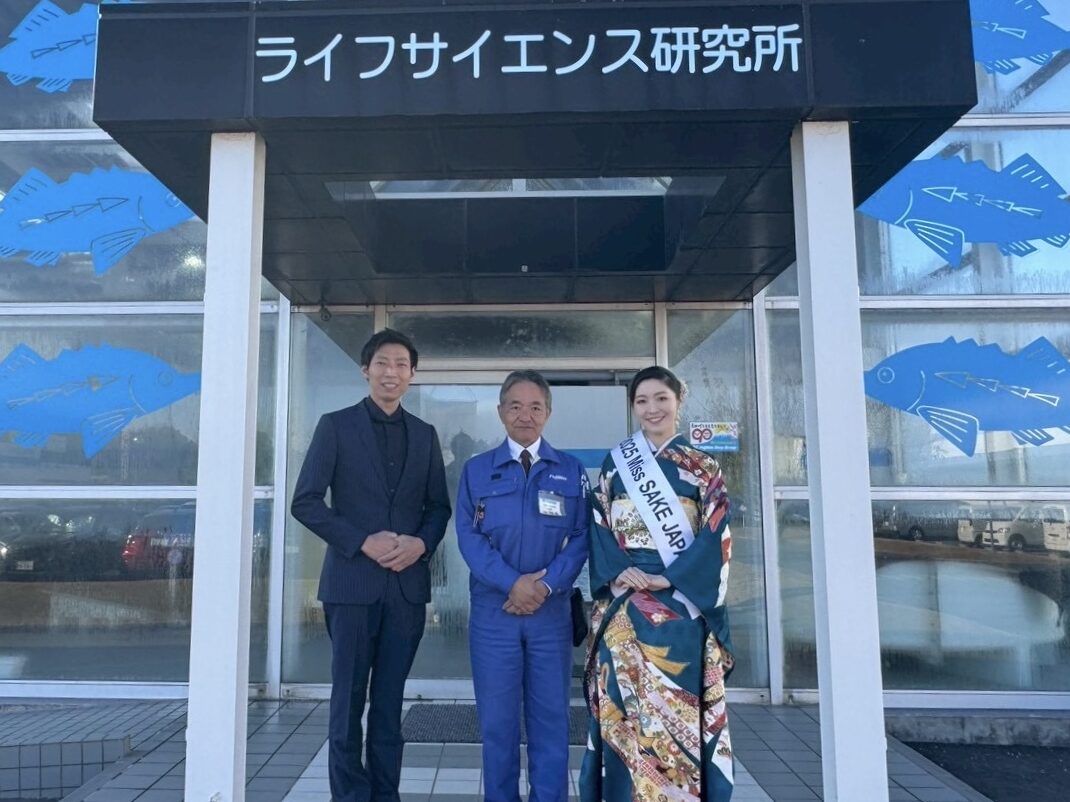
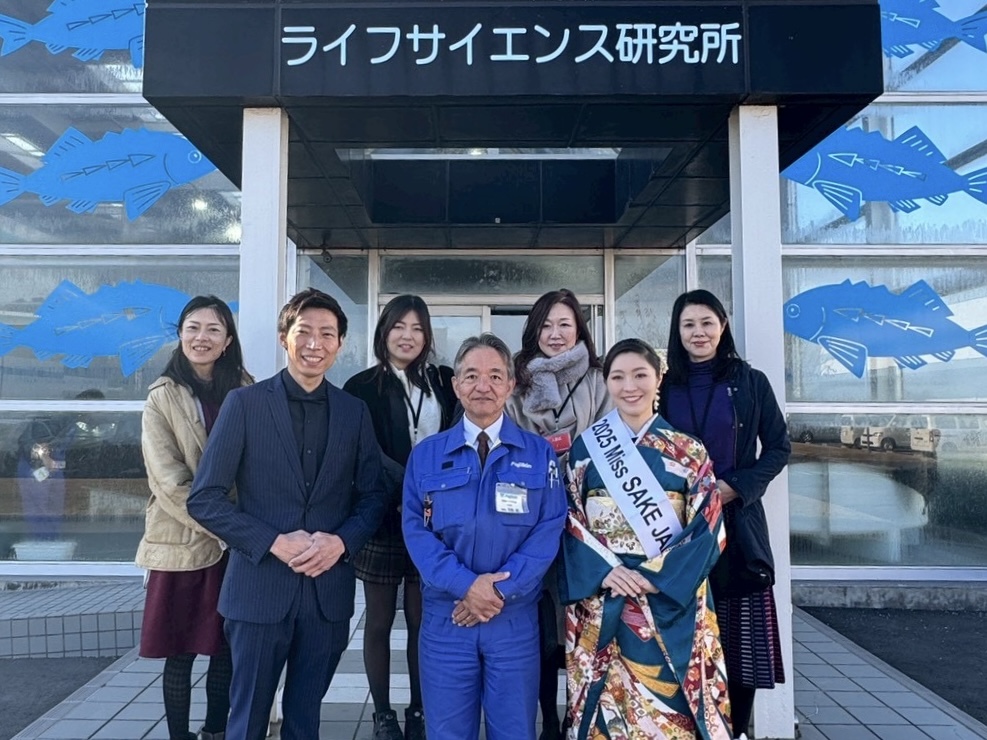
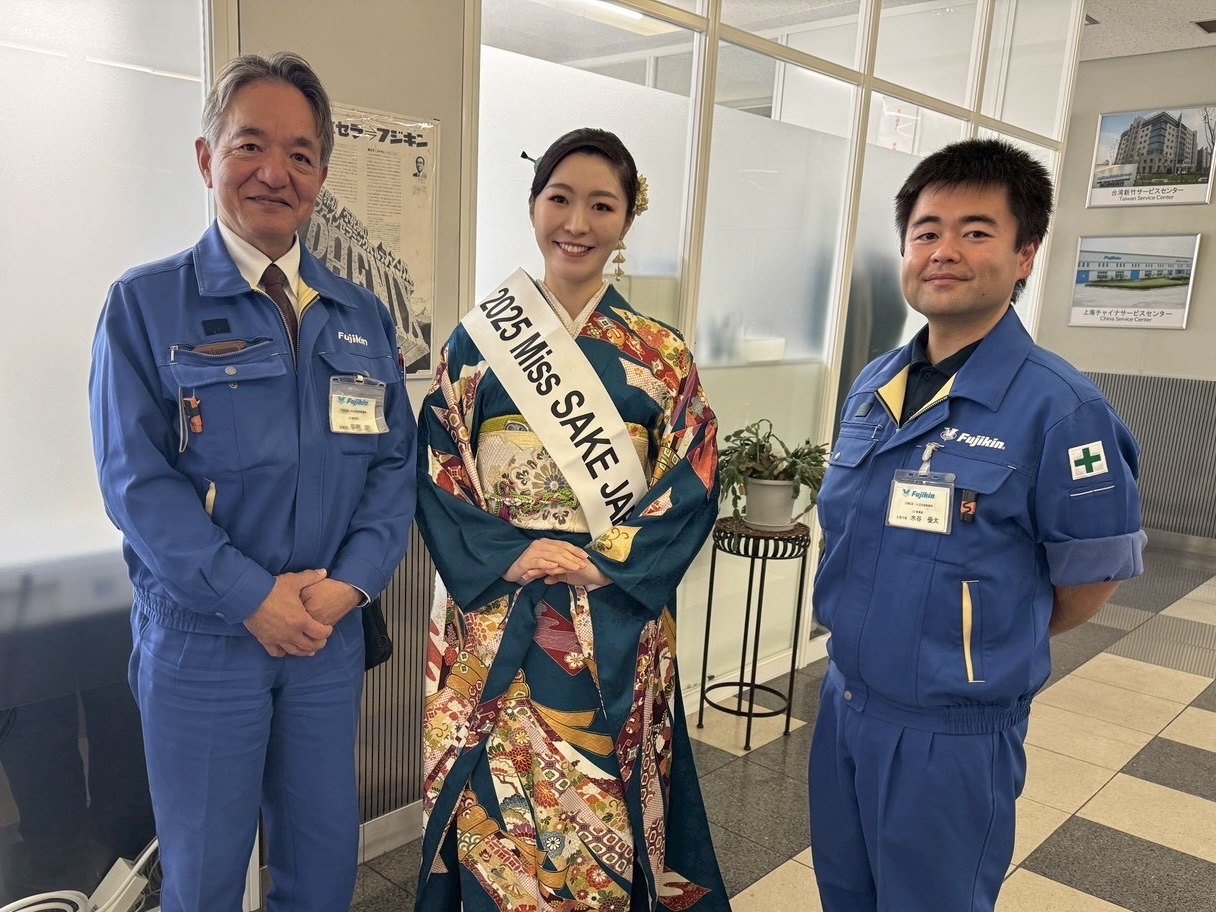
On Monday, December 8, I had the privilege of visiting Fujikin Co., Ltd.’s Expo Commemorative Tsukuba Advanced Technology Center (Tsukuba City, Ibaraki Prefecture) to tour their sturgeon aquaculture facility. Sturgeon is the exclusive source of the renowned luxury delicacy “caviar,” and because it takes many years for the fish to mature and produce eggs, its cultivation requires meticulous management and highly advanced techniques. This visit provided a valuable opportunity to learn about the company’s long-standing efforts in sturgeon aquaculture.
About Fujikin Co., Ltd.
Founded in 1930, Fujikin Co., Ltd. is an ultra-precision fluid control system manufacturer centered on valve technologies, supporting cutting-edge industries ranging from semiconductor manufacturing to space development and hydrogen energy. In recent years, the company has devoted particular attention to developing liquid hydrogen valves essential for the realization of a sustainable “hydrogen society.”
Beyond industrial fields, Fujikin has made remarkable contributions to the advancement of sturgeon aquaculture in Japan. In 1992, the company succeeded in the artificial hatching of sturgeon, and in 1998 achieved the world’s first complete sturgeon cultivation in indoor tanks. Fujikin also actively addresses social issues such as environmental conservation, contributing to sustainable societal development through the harmony of technology, culture, and local communities. From semiconductors to new energy and sturgeon farming, Fujikin is a company that supports the “currents of the times” with pioneering technology.
Visiting the Frontlines Supporting Caviar Culture
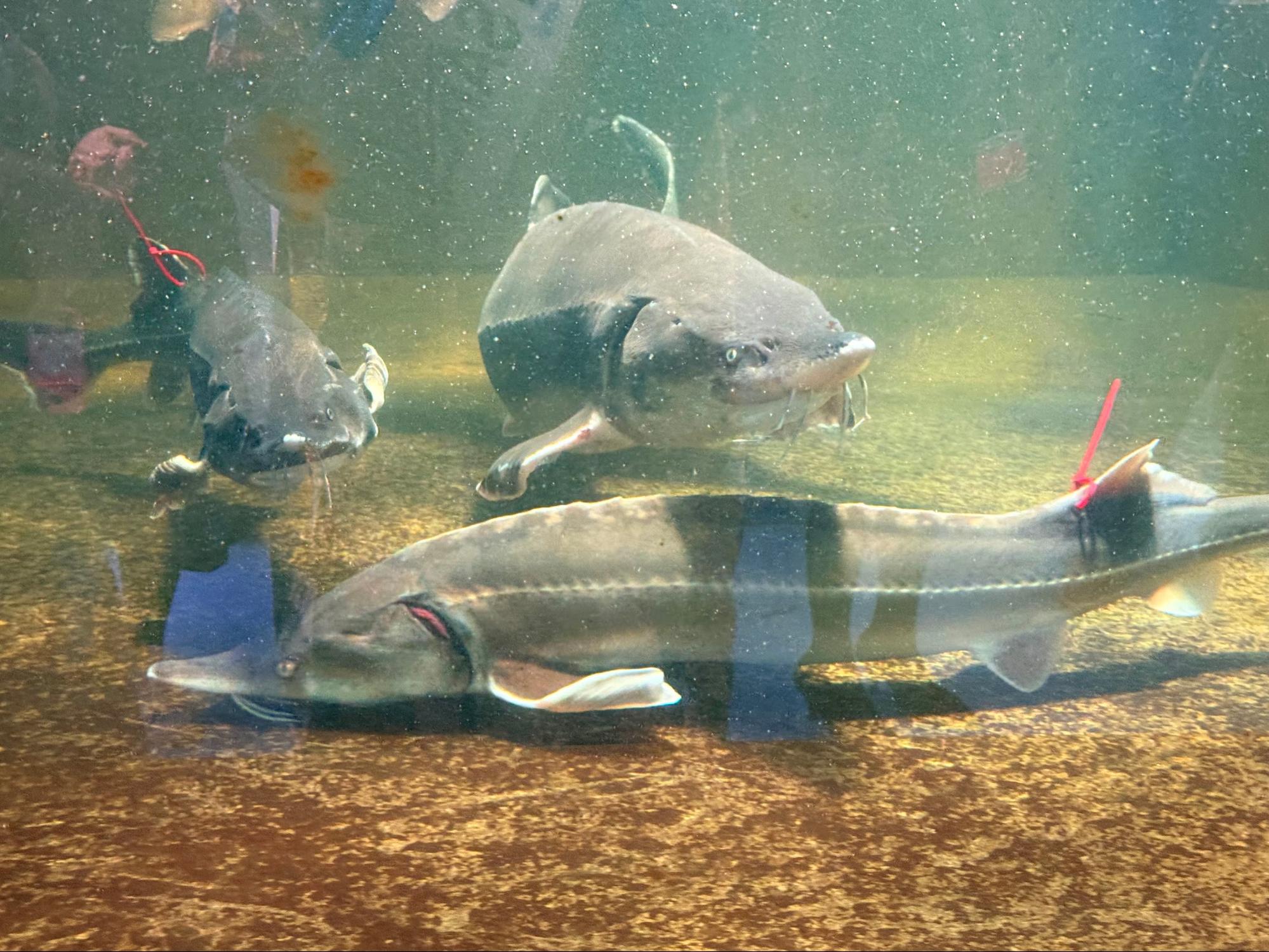
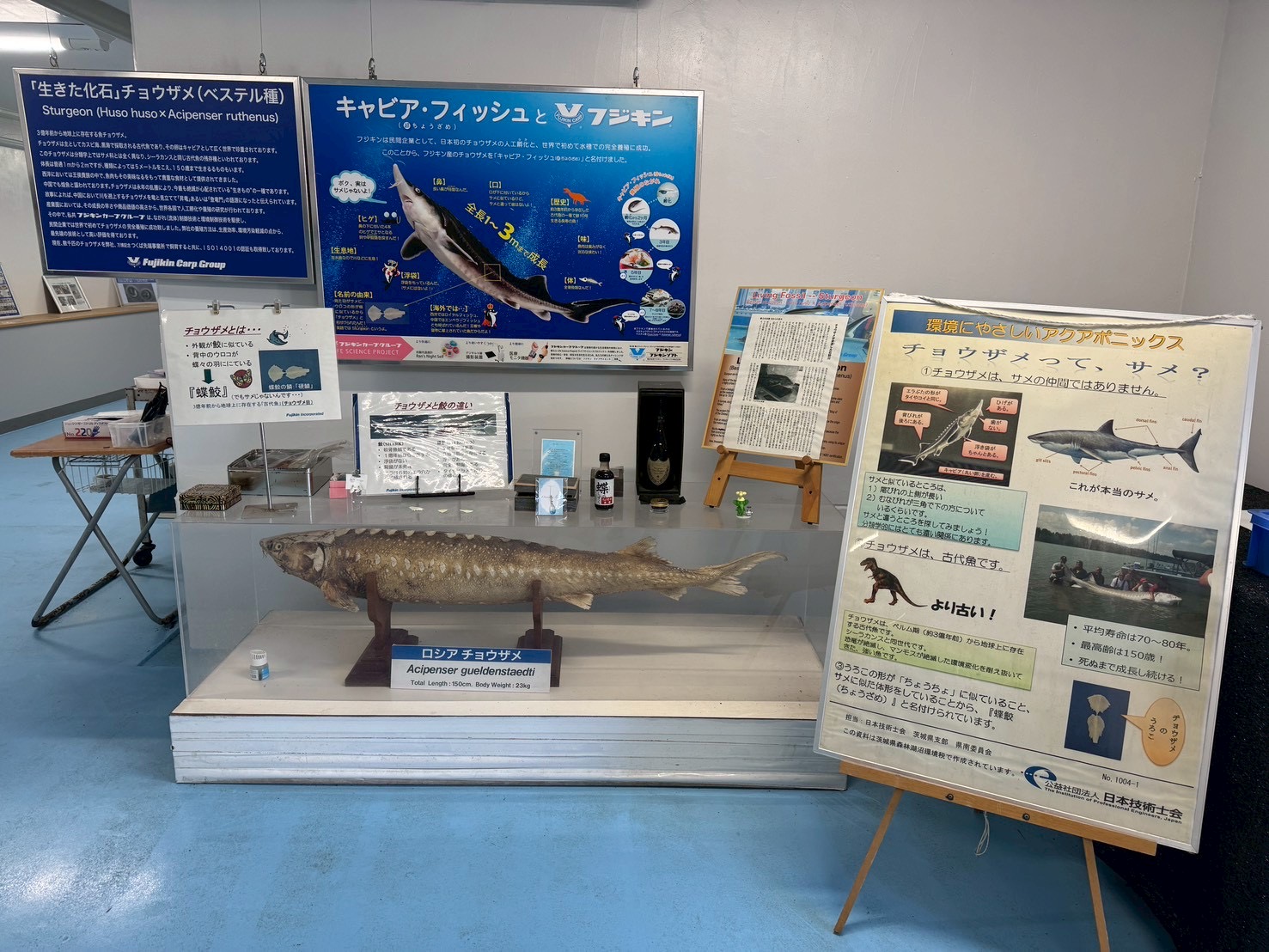
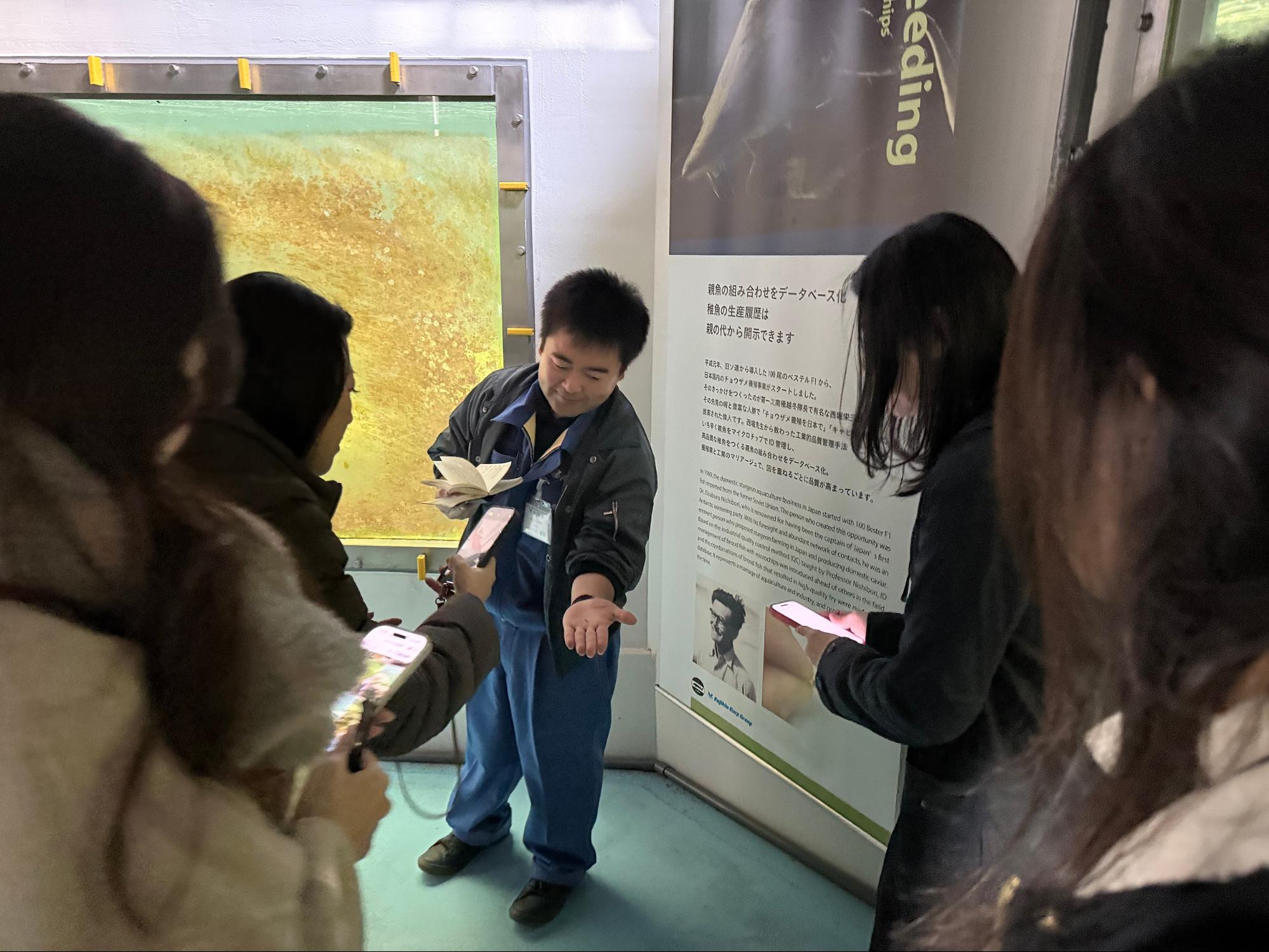
Despite their name, sturgeon are not sharks but ancient fish species that have inhabited Earth for approximately 300 million years. Their average lifespan is 70–80 years, and some are said to live up to 150 years. Fujikin has led the sturgeon aquaculture industry for more than 30 years. Through this tour of their facility, I was able to witness the company’s advanced techniques cultivated over decades, as well as the principles underlying their work.
Inside the tanks, sturgeon of various sizes swam according to their growth stages—ranging from fragile juveniles about 10 cm long, considered the most difficult phase of cultivation, to mature broodstock exceeding 2 meters in length and weighing over 70 kilograms. The sight was truly impressive and conveyed the company’s deep expertise.
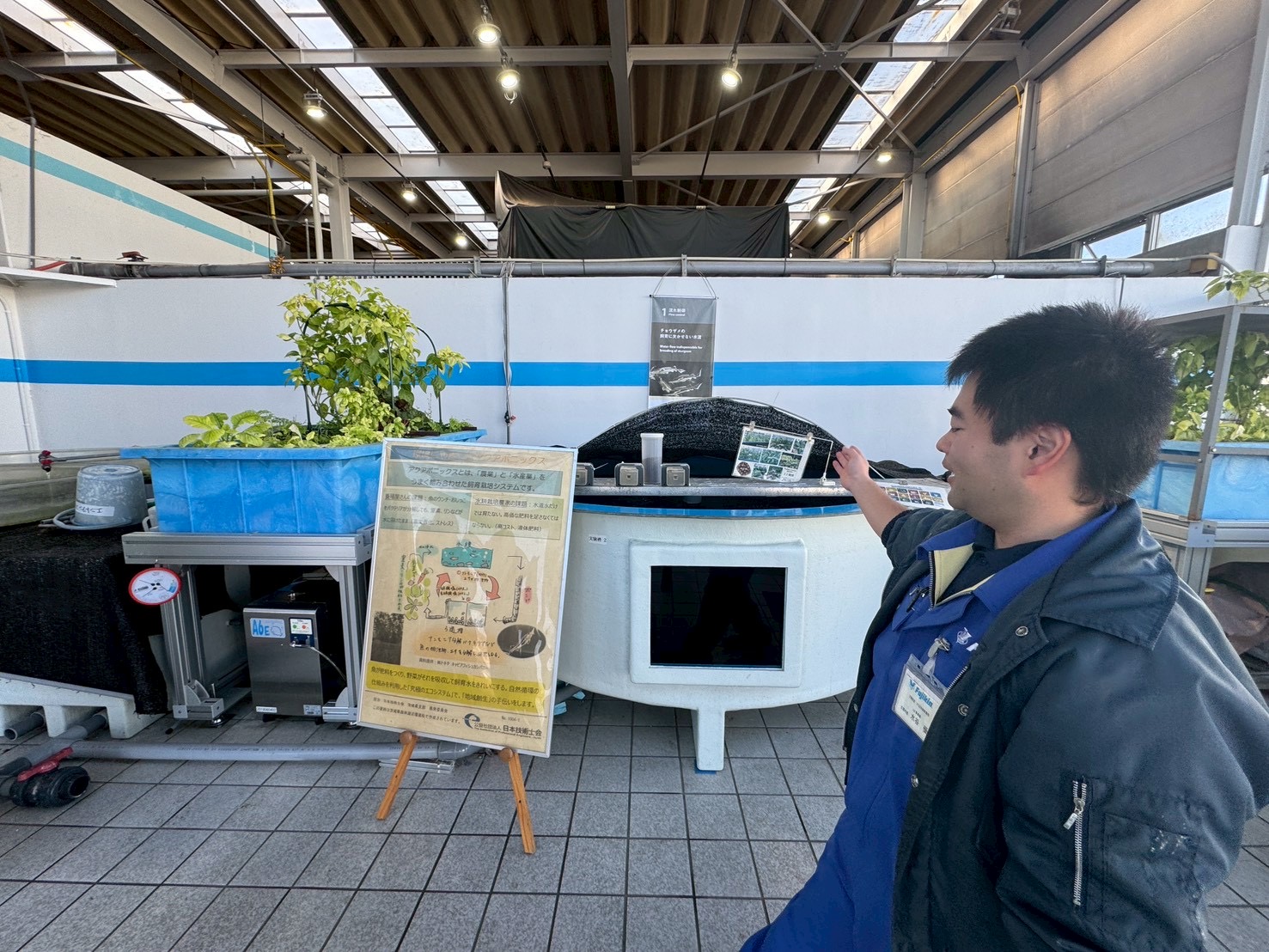
The facility also incorporates an “aquaponics” system that combines fish farming with hydroponic cultivation. In this circular model, plants absorb nitrogen, phosphorus, and other nutrients that would otherwise accumulate in sturgeon tanks, while simultaneously reducing fertilizer requirements in hydroponics. It is increasingly recognized as a “sustainable solution” that addresses challenges faced by both aquaculture and agriculture.
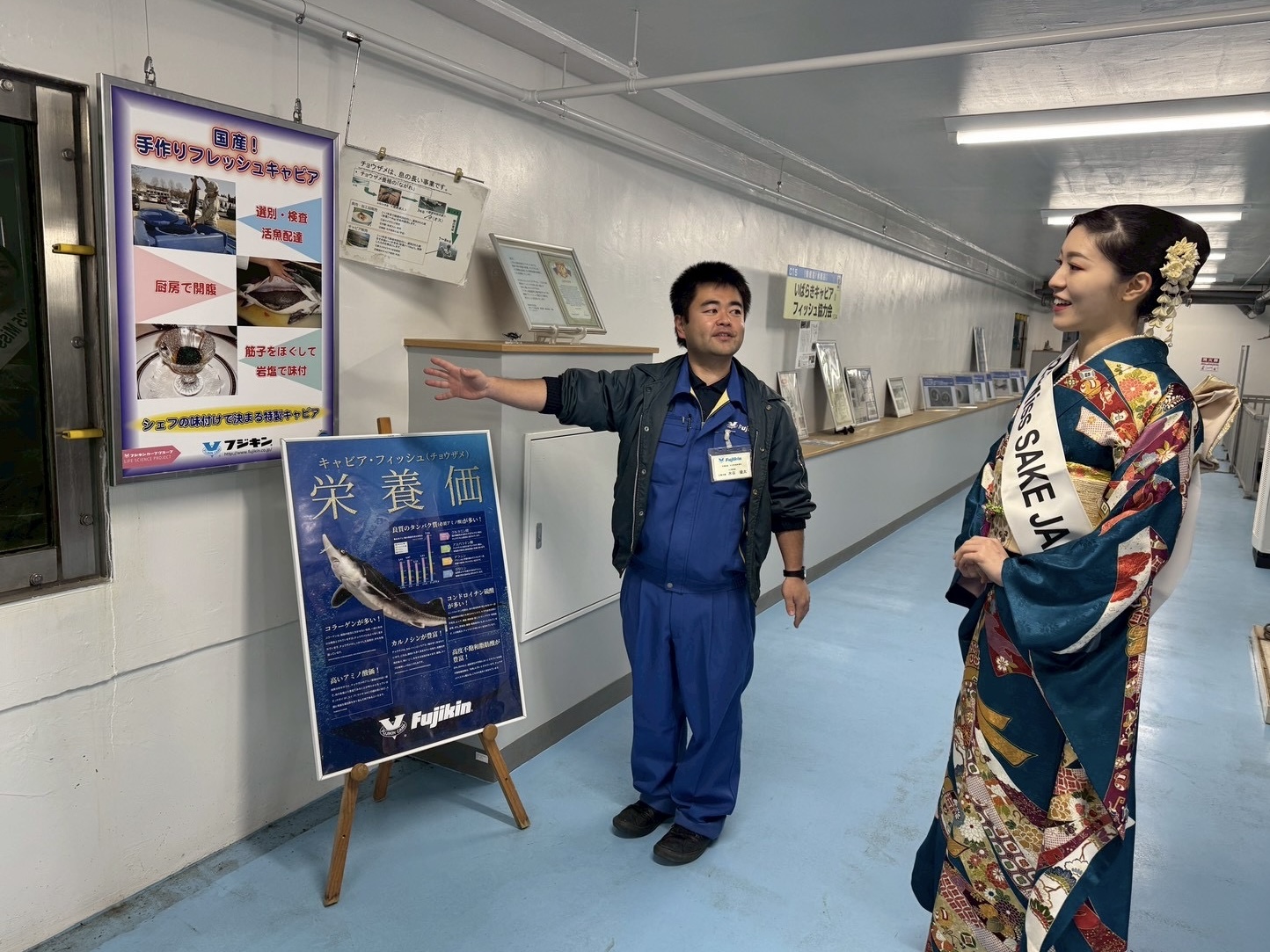
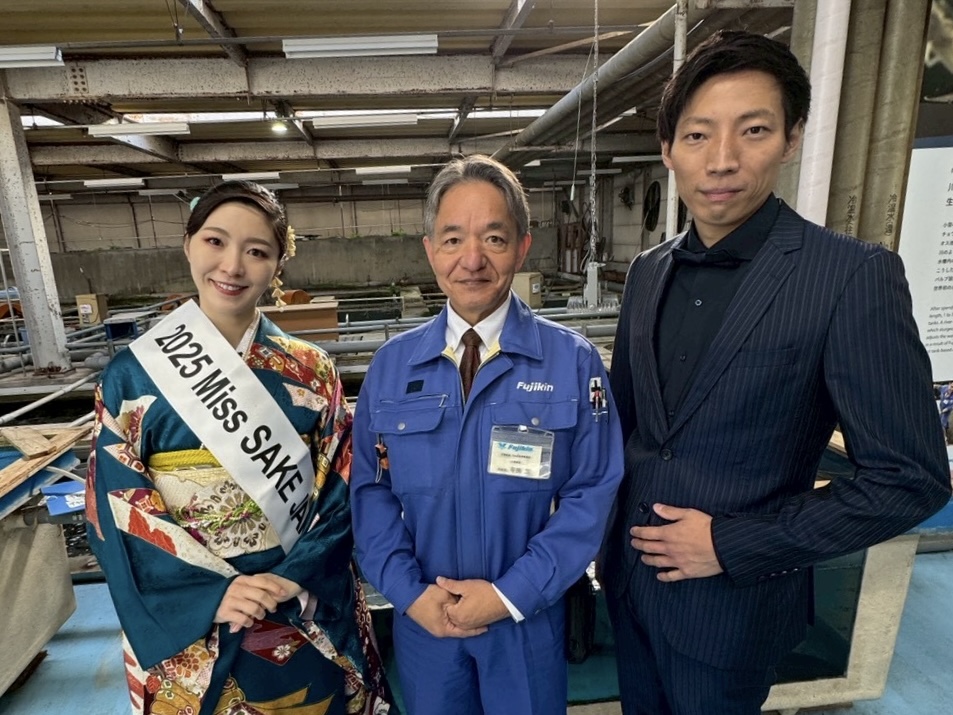
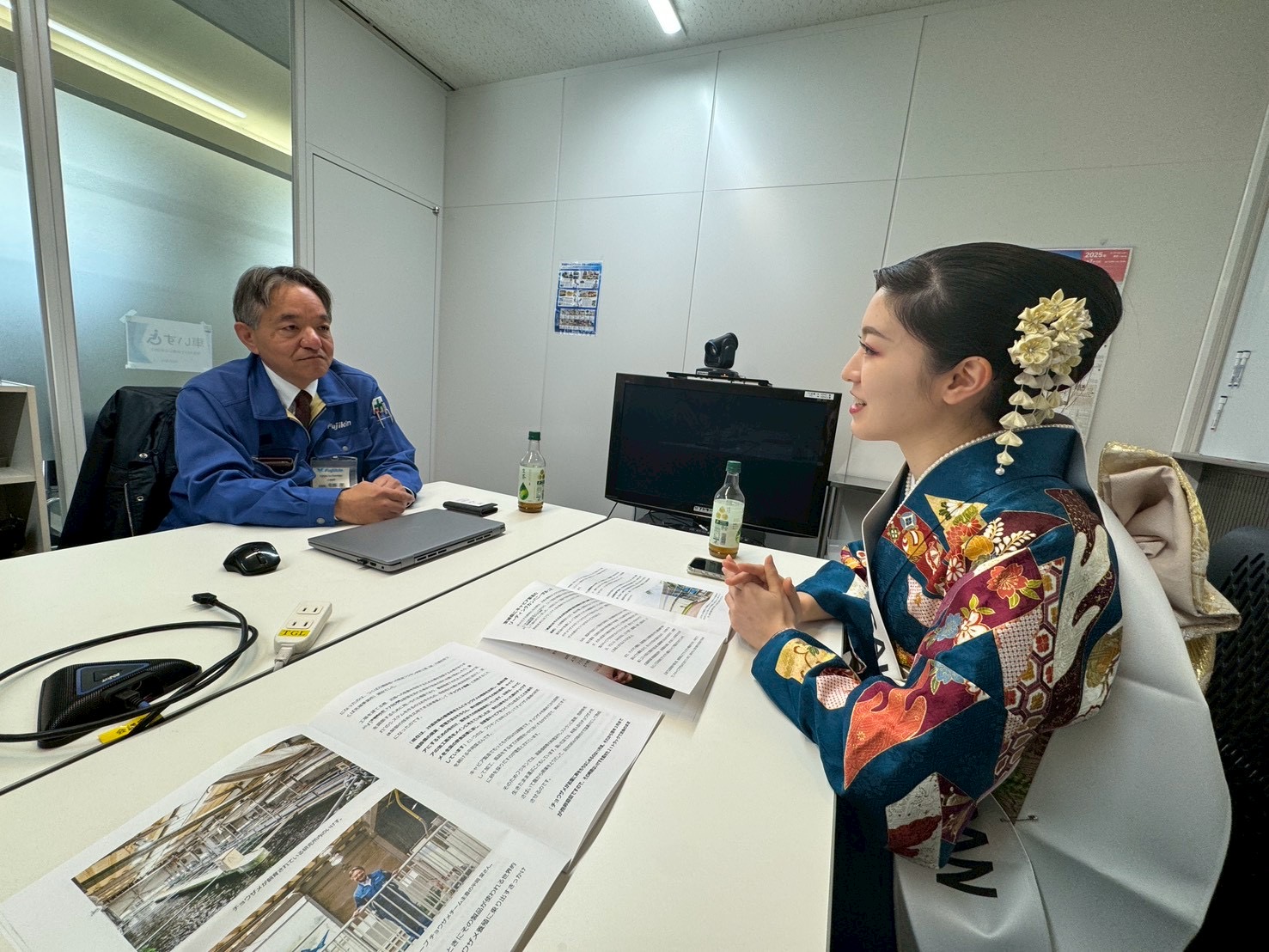
After the tour, I had the opportunity to speak with Mr. Kiyoshi Hiraoka and Mr. Yuta Mizutani of Fujikin Co., Ltd., who shared insights into the history of their sturgeon program and their future initiatives. The company’s sturgeon business originally began as an internal venture and continues to be managed by a small but dedicated team of just six employees who oversee everything from cultivation and research to transportation.
Today, global consumption of caviar—regarded alongside foie gras and truffles as one of the “three great delicacies of the world”—continues to rise. However, it takes more than seven years for a female sturgeon to produce eggs, and the roe accounts for only about 10% of the fish’s body weight. This long-term commitment, combined with technical sophistication and sustainability considerations, reaffirmed for me that sturgeon aquaculture is not only the foundation of caviar culture but also a critical support for broader culinary traditions.

How Sturgeon Connects to Local Communities
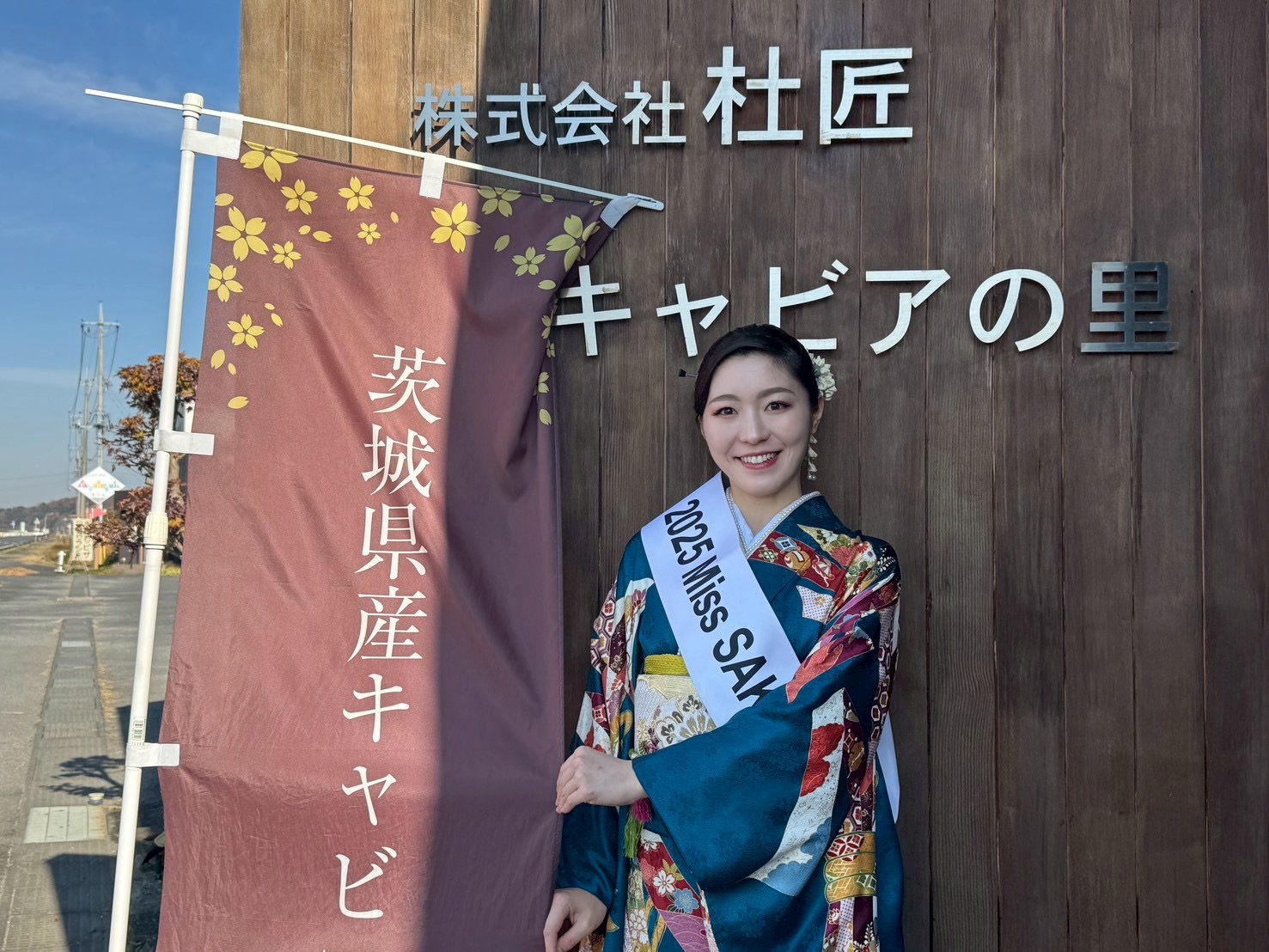
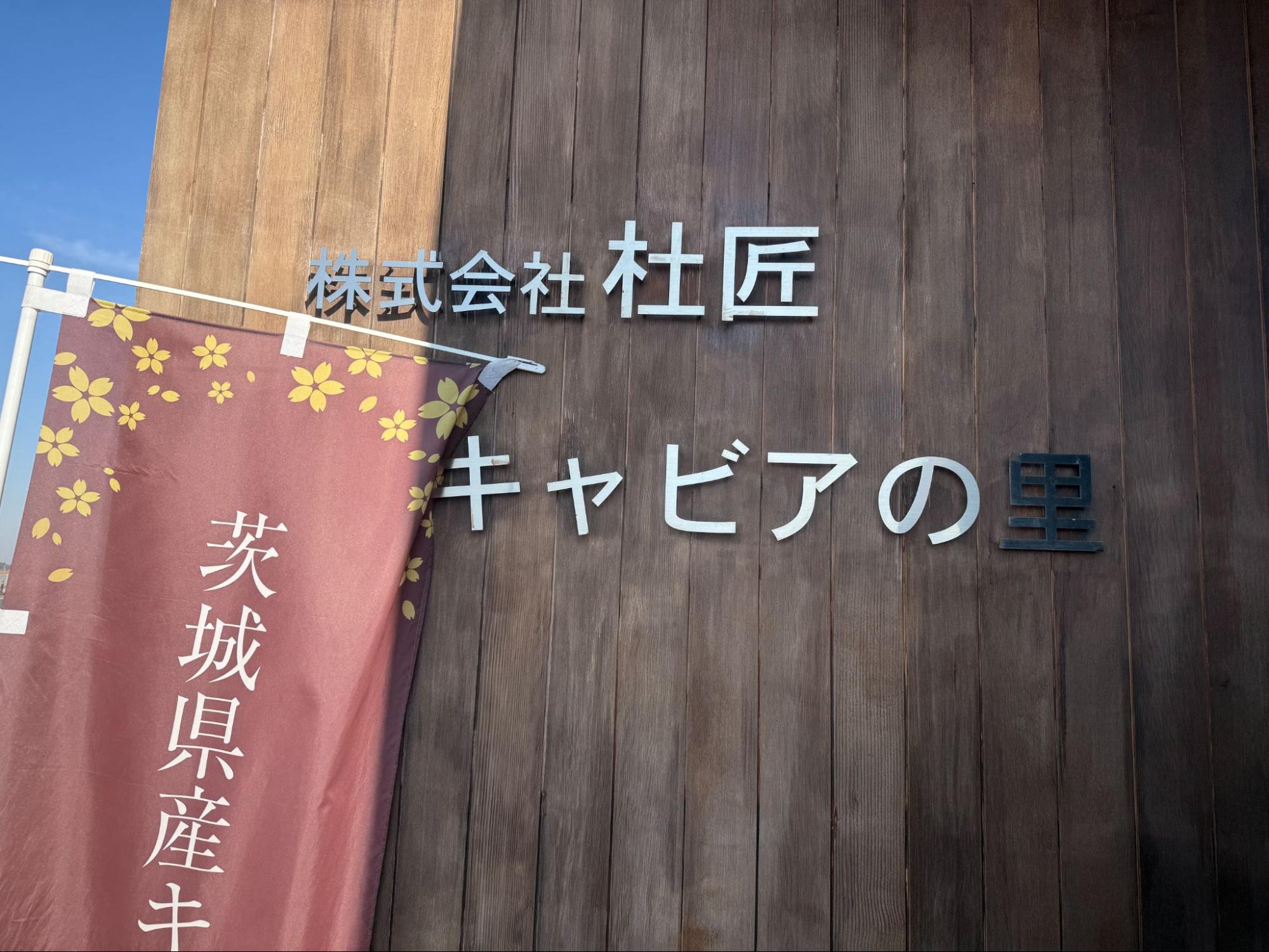
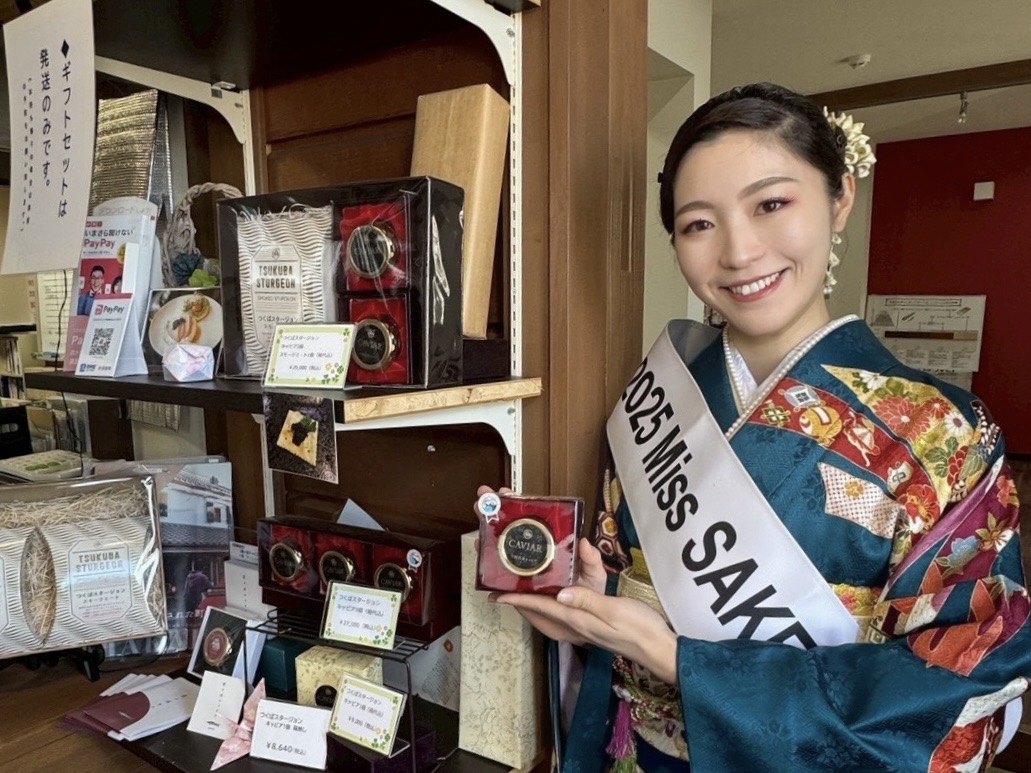
Following my visit to Fujikin, I went to “Caviar no Sato” (Sakuragawa City, Ibaraki Prefecture), a key facility supporting the region’s sturgeon and caviar culture. Operated by Mr. Masao Shirata, President of Tsukuba Sturgeon Industry Co., Ltd., the business sells fresh, high-quality caviar harvested from sturgeon grown from juveniles provided by Fujikin. Its direct sales shop and online store are well known among caviar enthusiasts seeking freshness and flavor.
The company also operates “Sturgeon,” a café housed in a beautifully renovated traditional Japanese home. Here, guests not only enjoy caviar but also a variety of dishes showcasing the delicate flavor and versatility of sturgeon meat. The café’s name—“Sturgeon” reflects Mr. Shirata’s desire to help more people discover the culinary potential and appeal of this remarkable fish.
Their efforts to elevate caviar’s value while cultivating sturgeon as a new regional specialty represent a powerful fusion of “local culture × aquaculture technology × the future of food,” making the visit especially inspiring.
-
- {“ARInfo”:{“IsUseAR”:false},”Version”:”1.0.0″,”MakeupInfo”:{“IsUseMakeup”:false},”FaceliftInfo”:{“IsChangeEyeLift”:false,”IsChangeFacelift”:false,”IsChangePostureLift”:false,”IsChangeNose”:false,”IsChangeFaceChin”:false,”IsChangeMouth”:false,”IsChangeThinFace”:false},”BeautyInfo”:{“SwitchMedicatedAcne”:false,”IsAIBeauty”:false,”IsBrightEyes”:false,”IsSharpen”:false,”IsOldBeauty”:false,”IsReduceBlackEyes”:false},”HandlerInfo”:{“AppName”:2},”FilterInfo”:{“IsUseFilter”:false}}
Through my visit to Fujikin Co., Ltd., I gained a profound appreciation for the years of research, innovation, and heartfelt dedication embedded in sturgeon aquaculture. Each tiny pearl of caviar encapsulates extensive time, craftsmanship, and a steadfast vision for the future—something I came to understand deeply during this experience.
Caviar also pairs remarkably well with Japanese sake. There is great potential for new food-and-sake pairings using regional ingredients, as well as future collaborations in tourism and culinary events that highlight the strengths of both.
As Miss SAKE, I will continue to share the passion and efforts of producers who support Japan’s food culture, and I remain committed to conveying the richness and diversity of Japanese cuisine to audiences in Japan and around the world. I hope to help more people recognize how local technologies, traditions, and environmentally harmonious initiatives are shaping the future of Japanese gastronomy.
2025 Miss SAKE Japan
Chisato Tateno