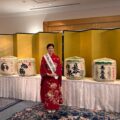
Hello everyone, this is 2025 Miss SAKE Japan, Chisato Tateno.
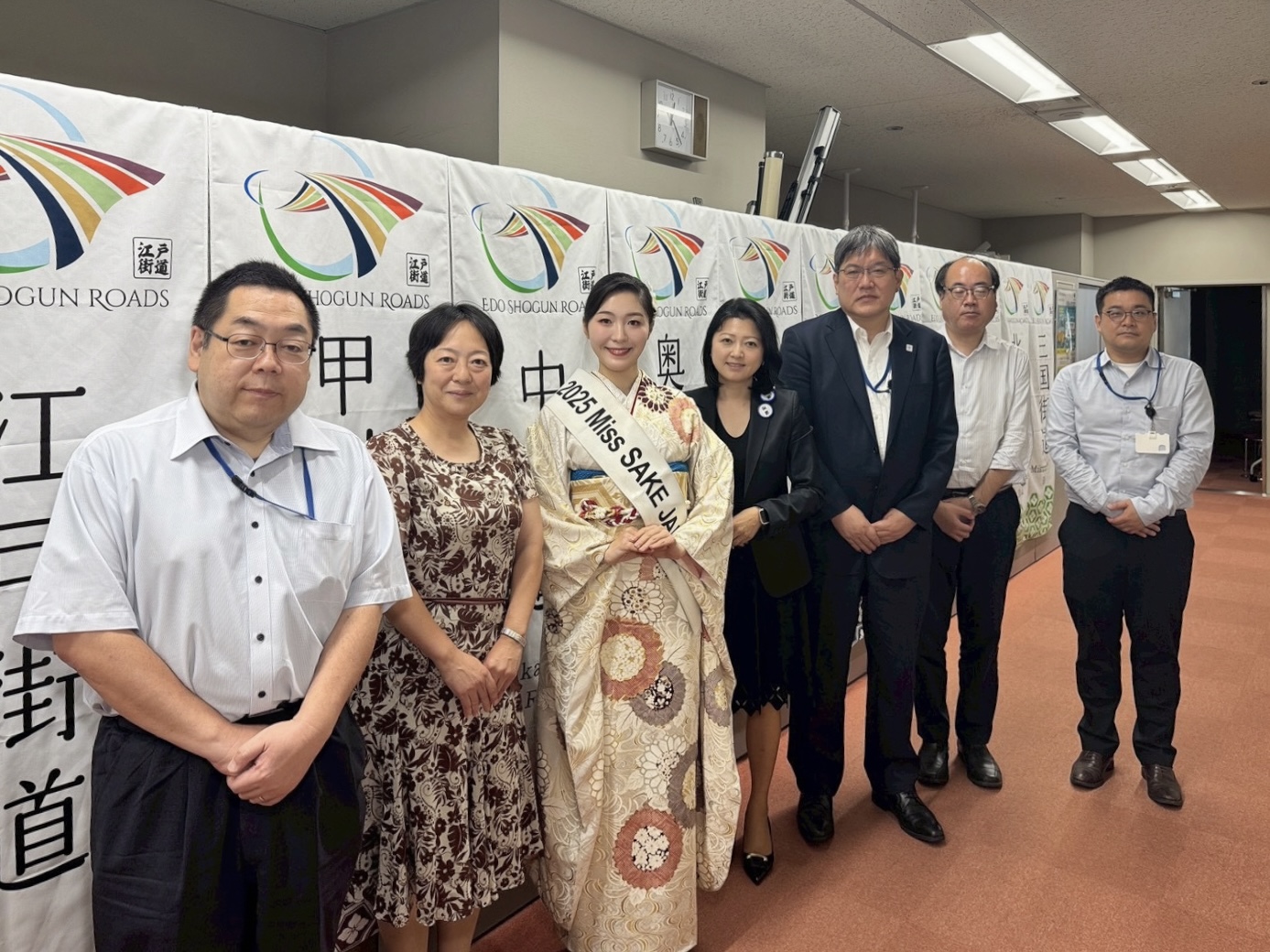
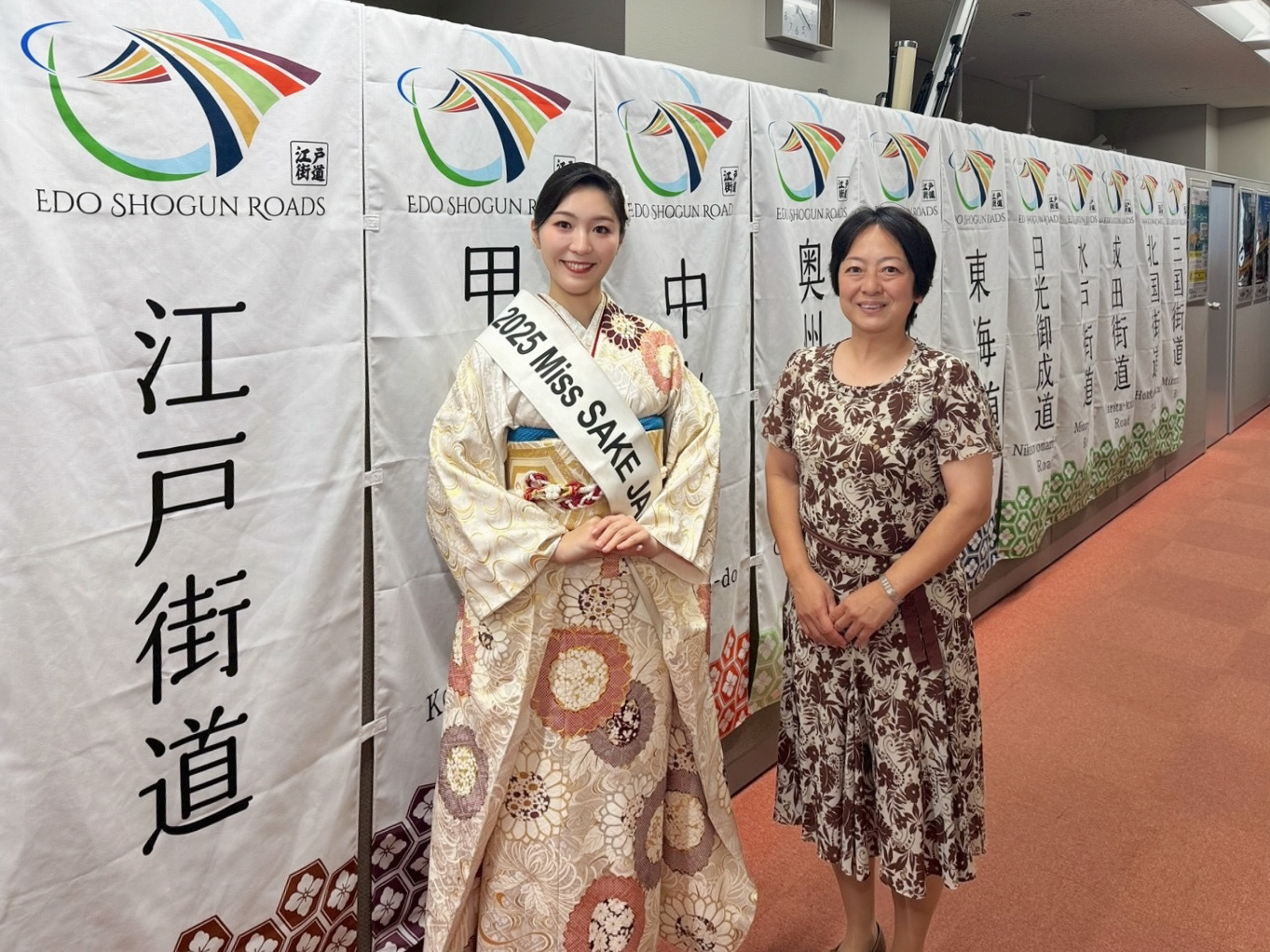
On Wednesday, May 20, I paid a courtesy visit to the Kanto District Transport Bureau of the Ministry of Land, Infrastructure, Transport and Tourism (MLIT) at the Yokohama Second Joint Government Office Building in Yokohama, Kanagawa Prefecture. During the visit, I had the honor of meeting with Director-General Reiko Fujita, Director of the Tourism Department Susumu Kida, Director of the Tourism Regional Promotion Division Kazuya Fujita, Director of the Tourism Planning Division Yoichi Goto, and Assistant Director Yasumasa Morijiri of the Tourism Planning Division. I was also accompanied by Mika Onishi, Representative Director of the Miss SAKE Association.
About the Kanto District Transport Bureau
The Kanto District Transport Bureau is one of the regional bureaus of MLIT and is responsible for a wide range of transportation and tourism-related administration primarily across the Kanto region. Its responsibilities cover many areas, including ensuring safety in automobile, railway, maritime, and aviation sectors, granting business permits and approvals, facilitating logistics, and promoting tourism, all of which play an essential role in supporting daily life and regional economies. The Bureau also plays a vital role in maintaining social infrastructure by developing transportation systems capable of safely delivering people and goods during disasters and by promoting policies aimed at realizing a sustainable transportation society.
In addition, one of its notable characteristics is its active commitment to regional revitalization. Through collaboration with local communities, the Bureau helps share the unique appeal of each region—including its nature, cuisine, and culture—with audiences both in Japan and overseas, encouraging more people to visit these areas. In this way, the Kanto District Transport Bureau serves as an important institution that supports local communities through transportation while contributing to the enhancement and sustainable development of regional attractiveness.
Beyond TOKYO: Regional Attractions Connected Through the Edo Roads
During this visit, I had the opportunity to learn about the “EDO Shogun Roads” project currently being promoted by the Kanto District Transport Bureau. This initiative focuses on the Five Historic Roads established during the Edo period by the Tokugawa Shogunate, all originating from Nihonbashi in Edo (present-day Tokyo): the Tokaido, Nakasendo, Koshu Kaido, Nikko Kaido, and Oshu Kaido. Centered around these historic routes and their surrounding areas, the project aims to promote the attractions of one metropolis and ten prefectures—including the seven prefectures of the Kanto region as well as Fukushima, Nagano, Niigata, and Yamanashi—to domestic and international audiences. By encouraging inbound travelers, who often concentrate solely in Tokyo, to explore regional areas, the project seeks to provide deeper experiences of Japan’s rich history, culture, and natural beauty.
What impressed me most was the project’s multifaceted and comprehensive approach, including tourism content that allows visitors to experience the history and culture of each road firsthand, model tourism courses connected with “GREEN × EXPO 2027” that combine nature, seasonal beauty, and regional culture, as well as the use of videos and online portals to share information about historical sites, cultural experiences, tourism facilities, and travel routes. Rather than simply introducing tourist destinations, the project offers opportunities to discover the stories and historical backgrounds that connect each region through these historic roads.
In recent years, Japanese alcoholic beverages such as sake and whisky have attracted growing international attention, and alongside them, the breweries and regional cultures behind these products have also become recognized as important tourism resources. In this respect, I felt a deep connection with the mission of Miss SAKE as ambassadors sharing the beauty of sake and Japanese culture with audiences in Japan and abroad. By presenting the history, food culture, and daily lives nurtured around sake breweries within the broader narrative of these historic roads, I believe more people will be able to experience the profound depth and diversity of Japan’s regional culture. I would be truly honored if we, as Miss SAKE, could contribute in some way to promoting sake culture for regional revitalization in the future.