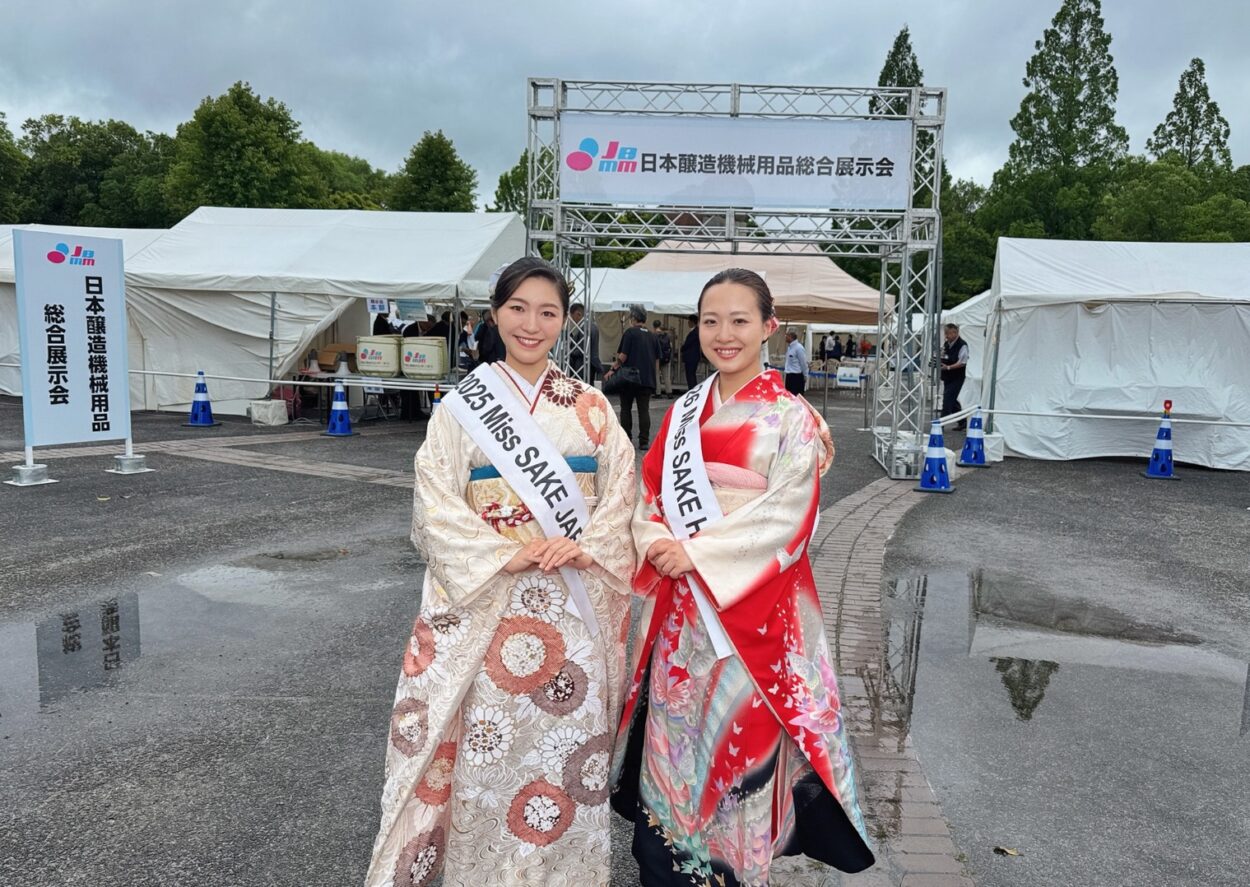
Hello everyone, this is Chisato Tateno, 2025 Miss SAKE Japan.
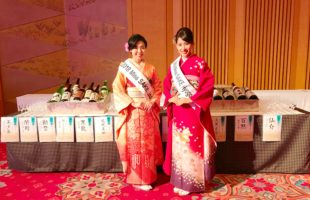
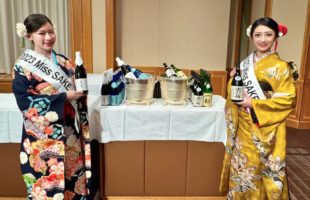
On May 27–28, I had the honor of touring the Japan Brewing Machinery & Material Exhibition 2026 in Hiroshima, held at the special exhibition area in front of the entrance to the National New Sake Awards venue at Higashihiroshima Sports Park (Higashihiroshima City, Hiroshima Prefecture), together with Sachika Oshita, 2026 Miss SAKE Hiroshima, as special guests.
About the Japan Brewing Machinery & Material Exhibition
The Japan Brewing Machinery & Material Exhibition is one of the largest specialized trade exhibitions in Japan dedicated to machinery, equipment, and technologies that support the brewing industry, including sake production. Held annually in Saijo, Higashihiroshima—one of Japan’s most renowned sake-producing regions—the exhibition brings together brewing professionals from across the country to explore the latest brewing machinery, quality control technologies, and automation systems while exchanging ideas and expertise.
The exhibition is organized by the Japan Brewing Machinery & Material Association, a new organization established in October 2024 through the merger of the National Brewing Machinery Manufacturers Association and the Japan Brewing Materials Association. The organization works to promote the continued development of Japan’s fermentation and brewing industries. Supported by organizations including the Japan Sake and Shochu Makers Association, the Brewing Society of Japan, the Hiroshima Prefecture Sake Brewers Association, and the Saijo Sake Brewers Association, the exhibition provides a valuable opportunity to experience the cutting edge of technology and craftsmanship that sustain Japan’s traditional brewing culture.
Learning About the History and Technology Behind Brewing Innovation
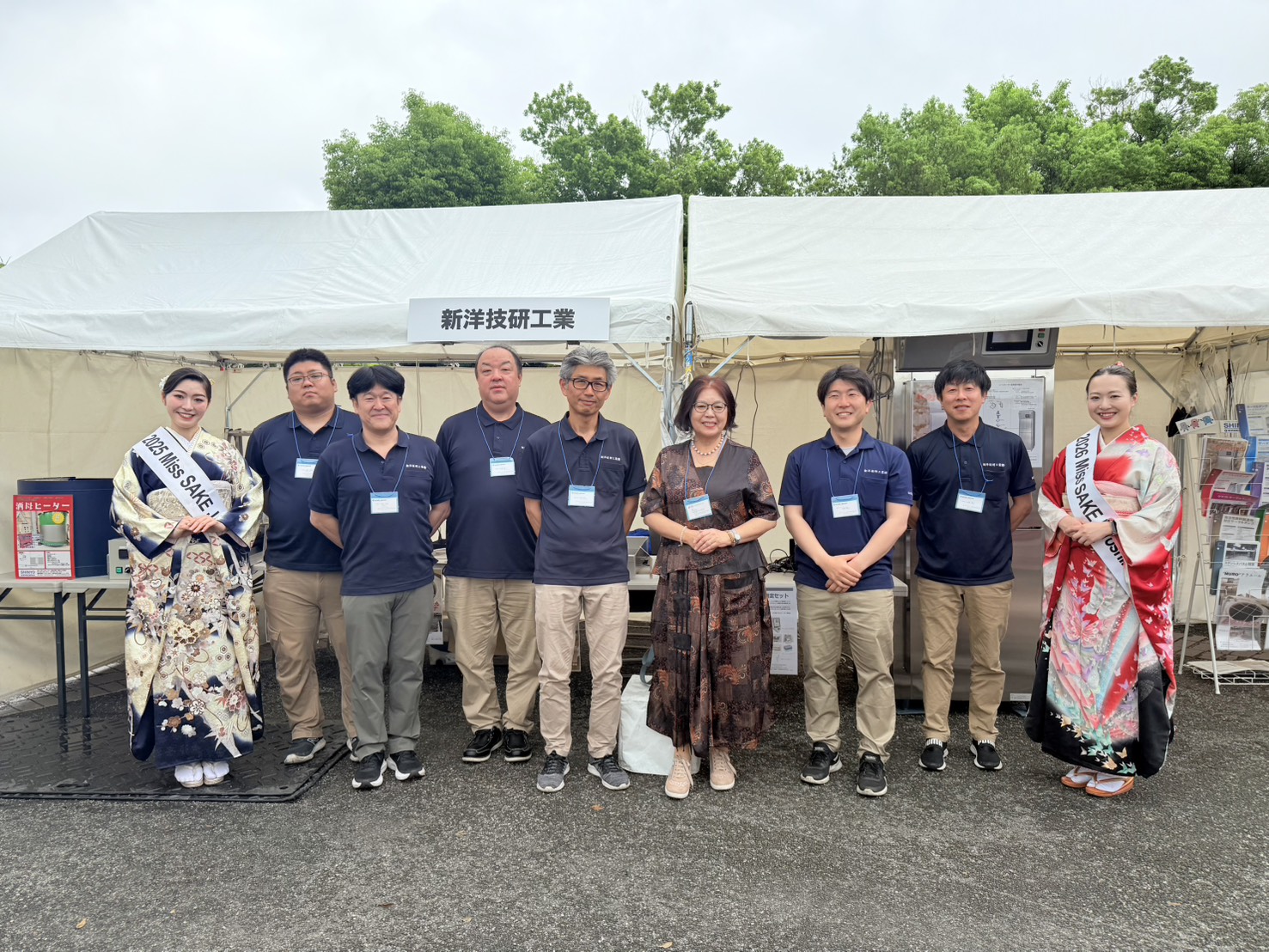
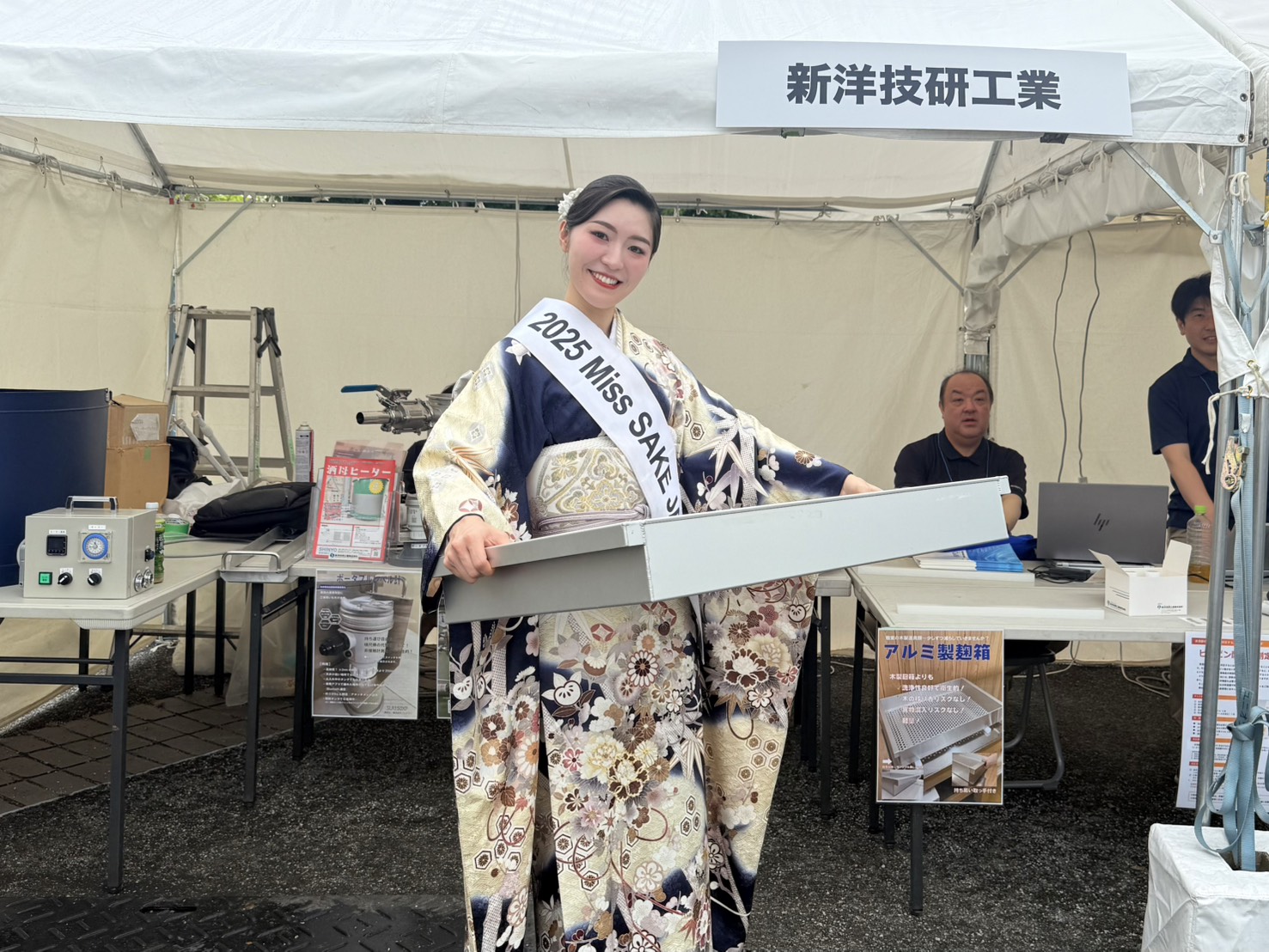
Shinyo Giken Kogyo Co., Ltd.
One of the most critical stages in sake brewing is seigiku, the cultivation of koji mold on steamed rice. This process requires precise temperature management, including throughout the night, as well as considerable technical expertise. Shinyo Giken showcased its automated koji-making machine, the Kojinator, which can complete the entire koji production process within a single unit. Equipped with remote-control functionality along with heating and cooling systems, the machine significantly reduces the workload of toji and brewery workers while supporting improved working conditions. The company also displayed a wide range of products designed to address the practical needs of breweries, including yeast starter heaters, portable level gauges, rice-clump breakers, aluminum koji trays, pyruvic acid test kits, glucose measurement systems, and mobile CIP cleaning units. For many years, the company has supported the brewing industry with a philosophy centered on solving challenges faced by sake breweries.
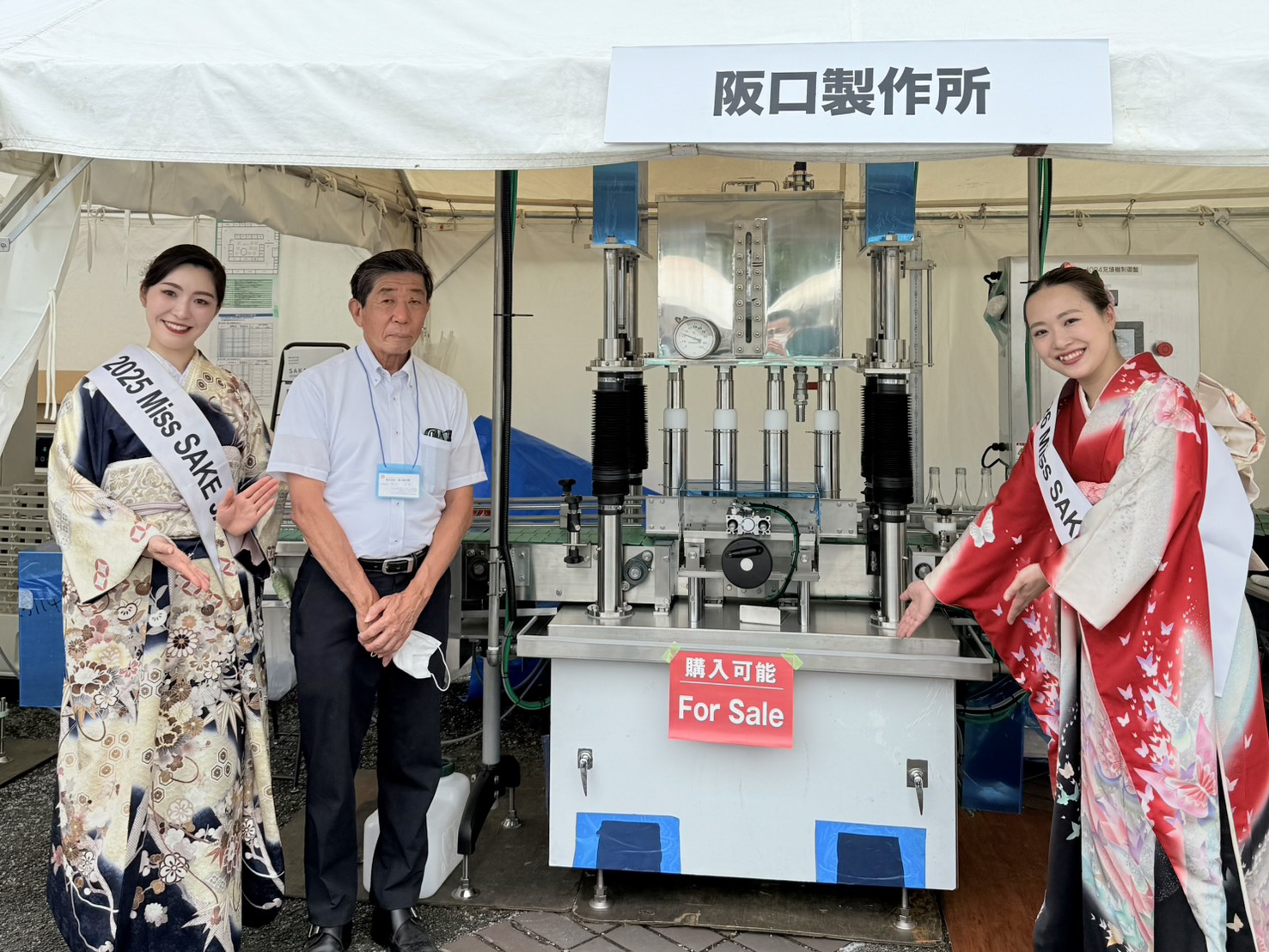
Sakaguchi Manufacturing Co., Ltd.
At the Sakaguchi booth, semi-automatic capping machines and automatic filling equipment were on display. While bottling and capping may appear straightforward, they are essential processes that directly affect product quality. Drawing upon decades of manufacturing expertise, the company continuously improves its equipment based on feedback from brewery workers, helping to reduce labor burdens and improve operational efficiency.
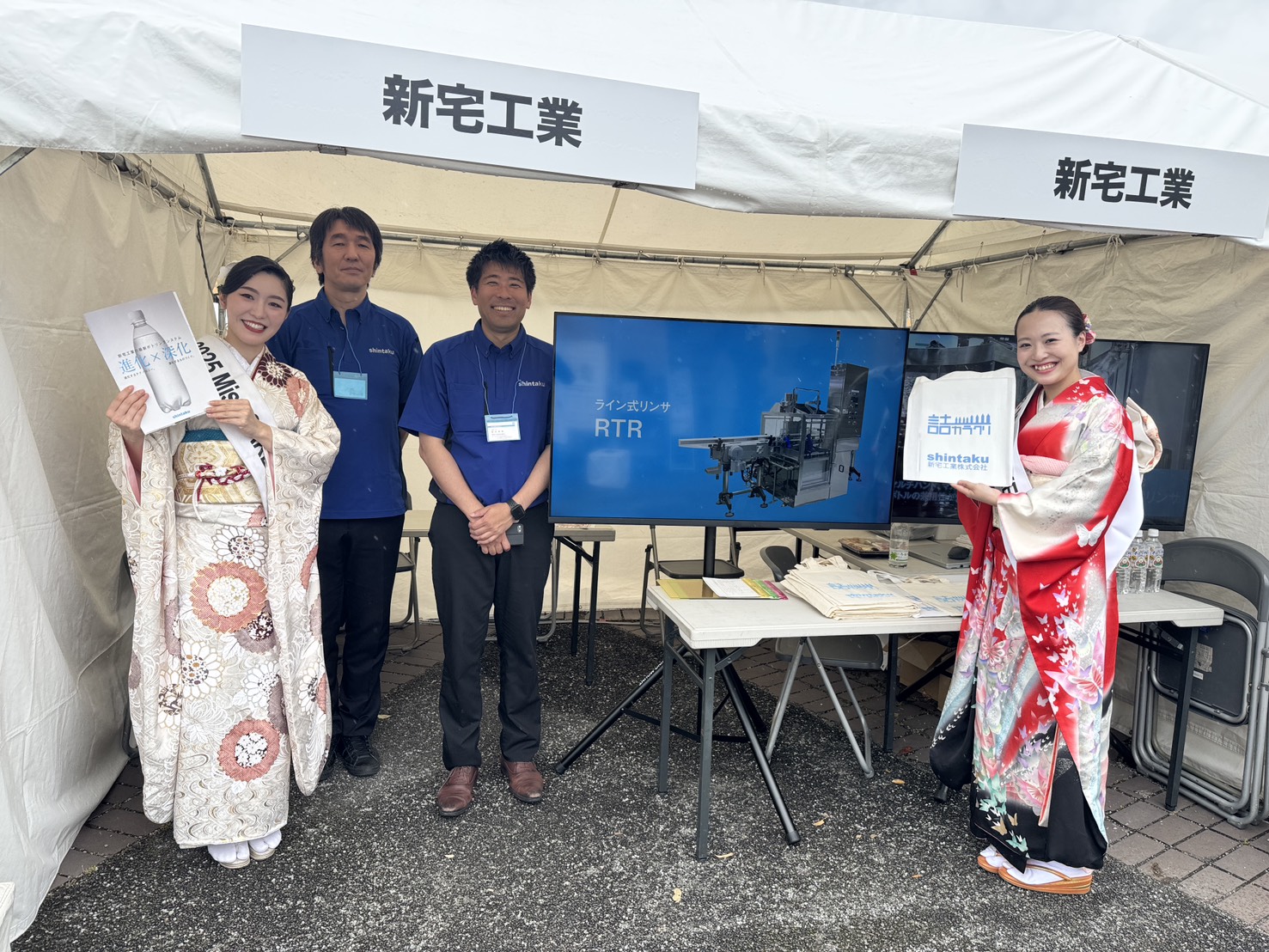
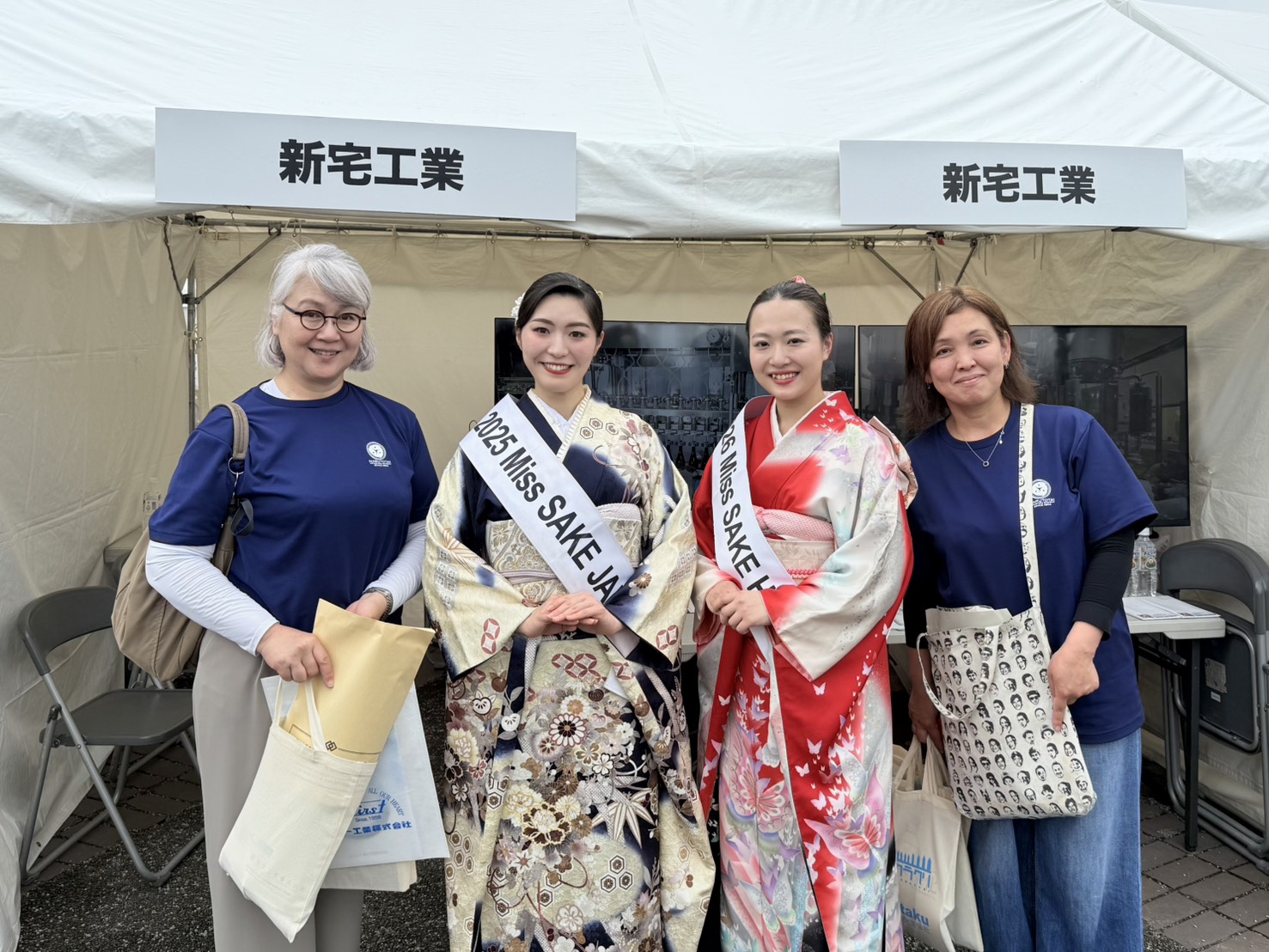
Shintaku Industry Co., Ltd.
Headquartered in Kanazawa, Ishikawa Prefecture, Shintaku Industry specializes in bottling systems and has dedicated itself to perfecting filling technology. Their systems connect every stage of production—from liquid filling to final shipment—through integrated conveyor systems, improving efficiency while maintaining consistent quality with minimal labor requirements. Celebrating its 70th anniversary, the company supports not only sake production but also awamori, mineral water, and a wide variety of beverage industries throughout Japan.
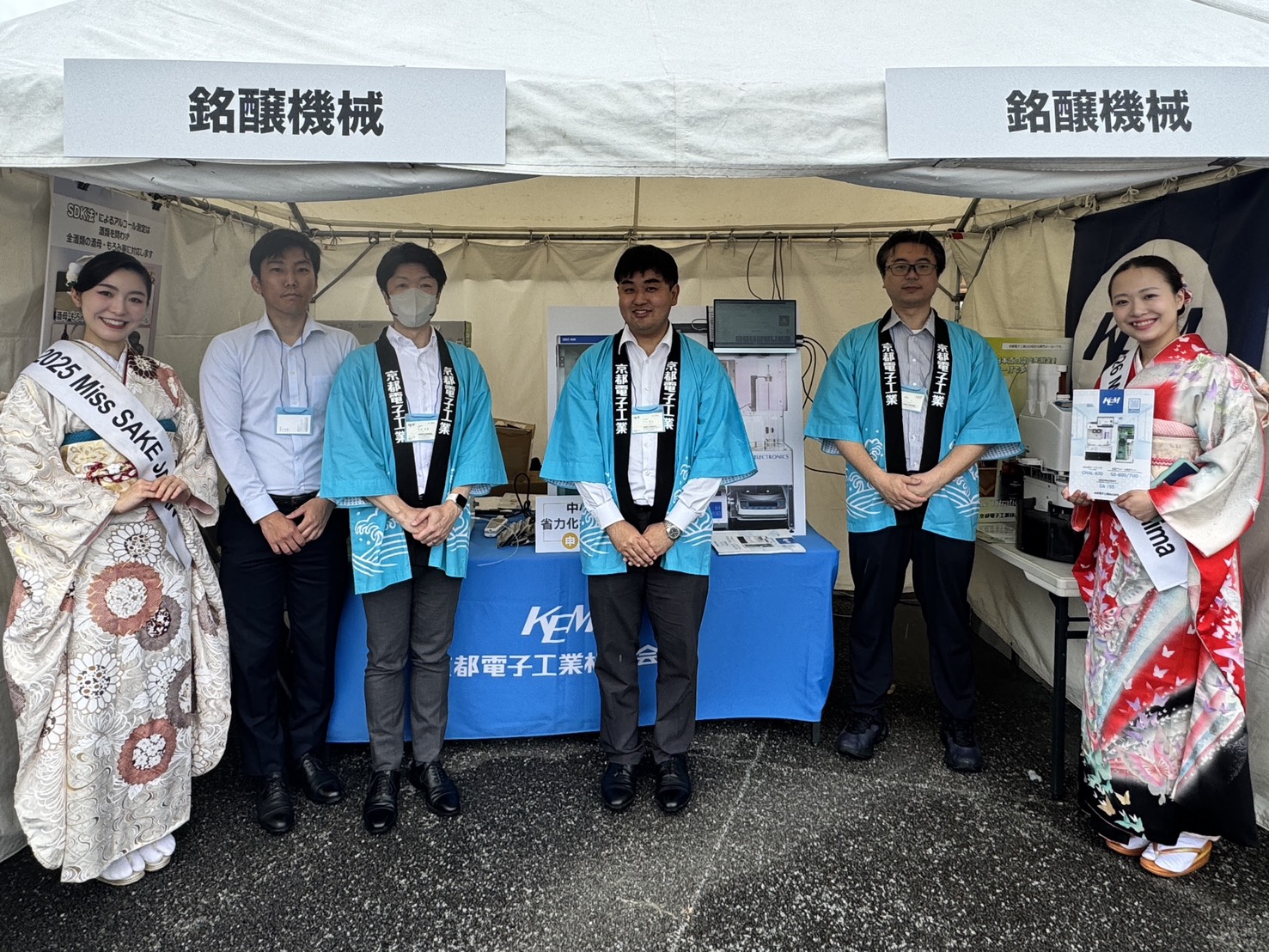
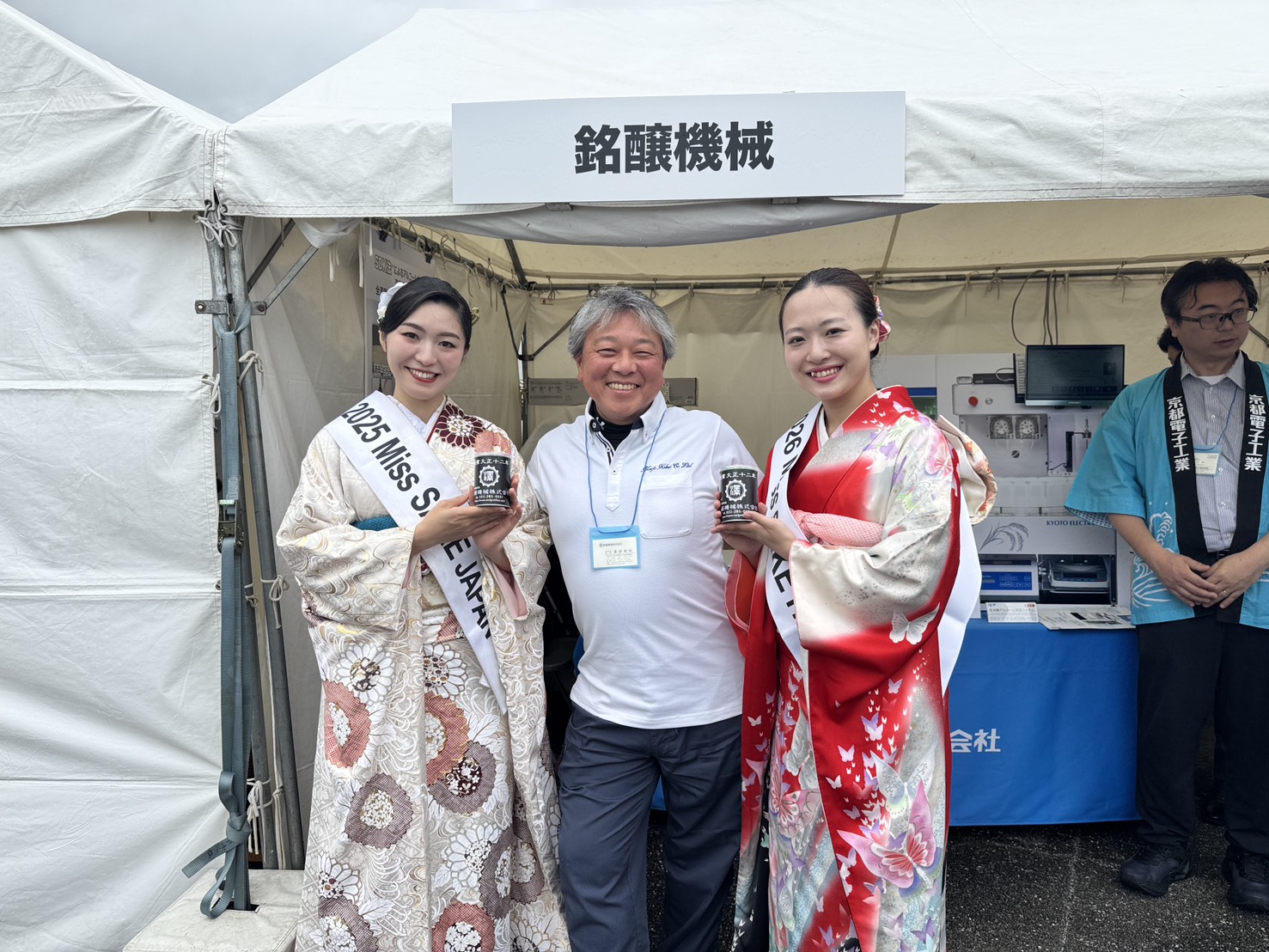
Meijo Machinery Co., Ltd. / Kyoto Electronics Manufacturing Co., Ltd.
At the Meijo Machinery booth, analytical instruments developed by Kyoto Electronics Manufacturing were displayed. These systems analyze fermenting moromi mash and accurately measure alcohol content, sake meter value, amino acid levels, and other key indicators. Analyses that once required considerable time can now be completed in approximately four minutes. The technology serves as a vital quality-control tool, transforming invisible fermentation processes into measurable data that supports consistent sake production.
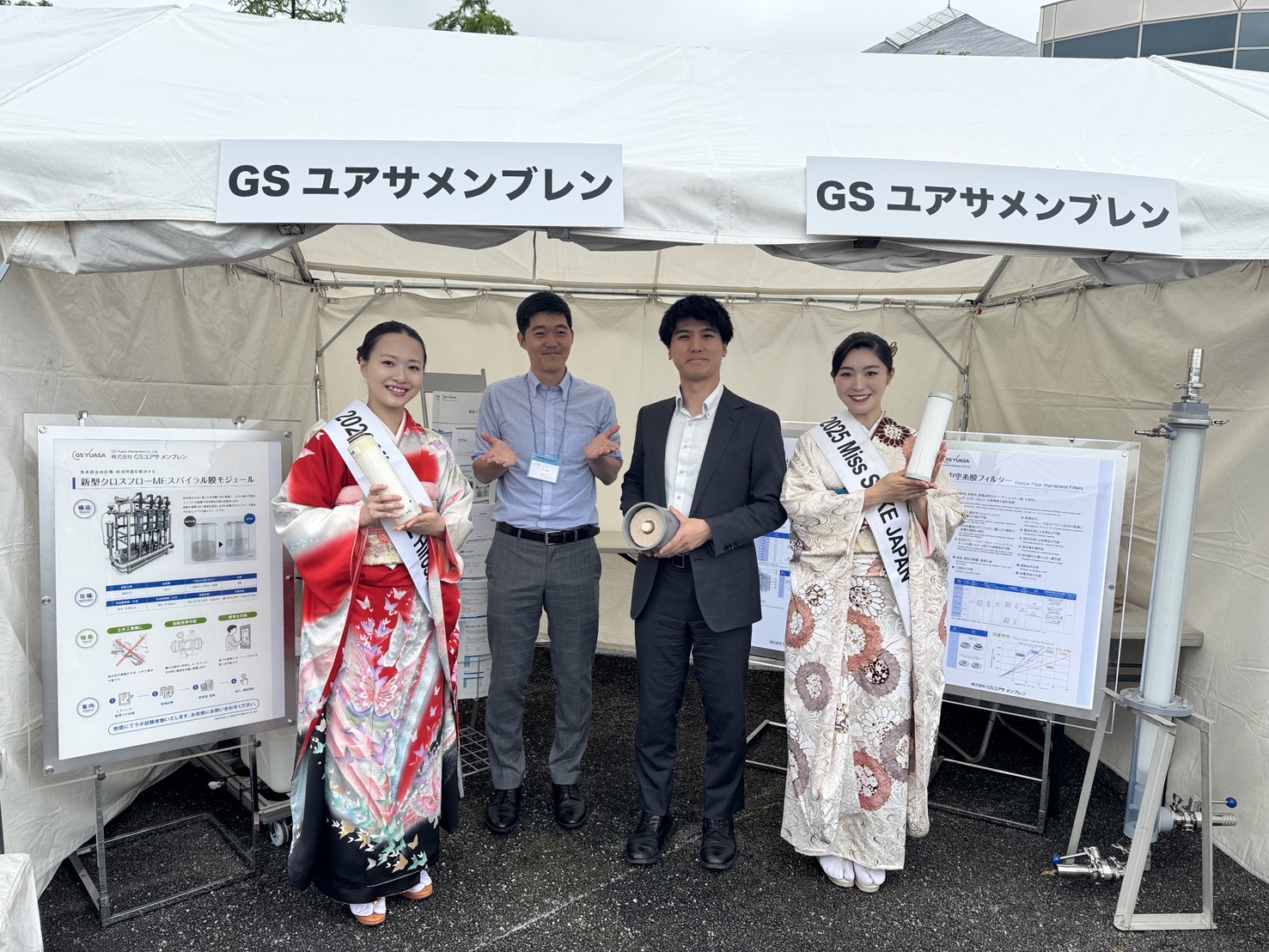
GS Yuasa Membrane Co., Ltd.
The company showcased its hollow-fiber membrane filtration systems, used to filter brewing water and sake prior to bottling. With filtration capabilities as fine as 0.04 micrometers, the systems remove microorganisms and impurities while preserving the original character of the sake. Backed by more than thirty years of development, these filtration technologies quietly support improvements in sake quality and stability throughout the industry.
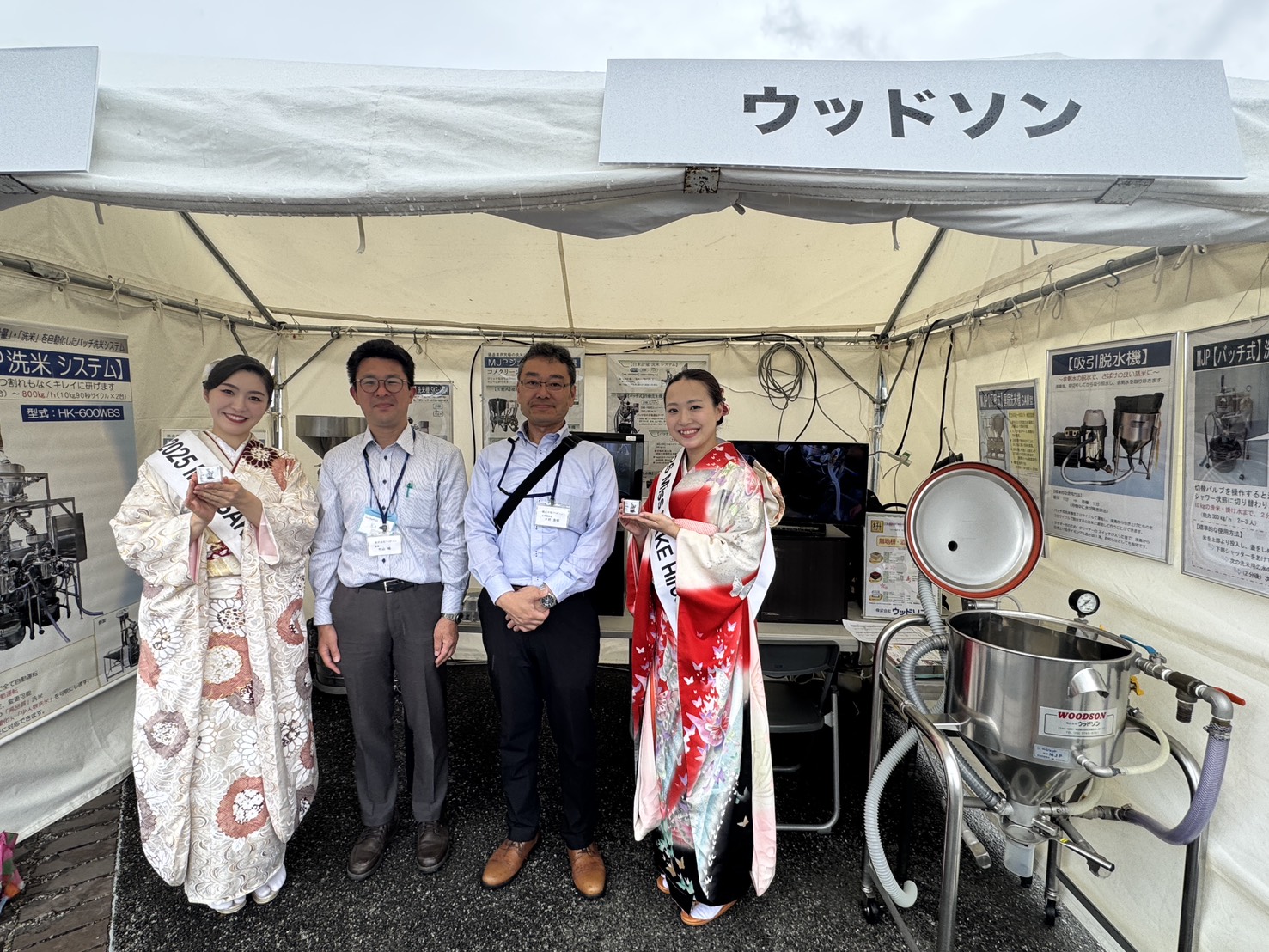
Woodson Co., Ltd.
Woodson, based in Tokyo, exhibited its rice-washing machine, Kome Clean. Effective rice washing is essential after polishing, as brewers must remove rice bran while avoiding damage to the grains themselves. By utilizing jet-bubble technology, the machine achieves gentle yet highly efficient washing. The company also produces custom wooden masu cups, and I received a modern transparent masu during the exhibition. It was an attractive product that combined contemporary design with practicality.
Kiku Plan Do Co., Ltd.
One of the most striking exhibits featured four large tents filled with brewing equipment. The company displayed filtration systems using hollow-fiber membrane technology designed to preserve the fresh character of sake immediately after pressing. The systems incorporate automatic cleaning functions that maintain filter hygiene while minimizing water consumption. The company also introduced collaborative research with Kyushu University exploring filtration technologies utilizing pure gold. According to the presentation, the technology aims to reduce aged aromas while enhancing the crispness and clarity of sake. I was impressed by the company’s commitment to both solving practical brewing challenges and pursuing innovative research.
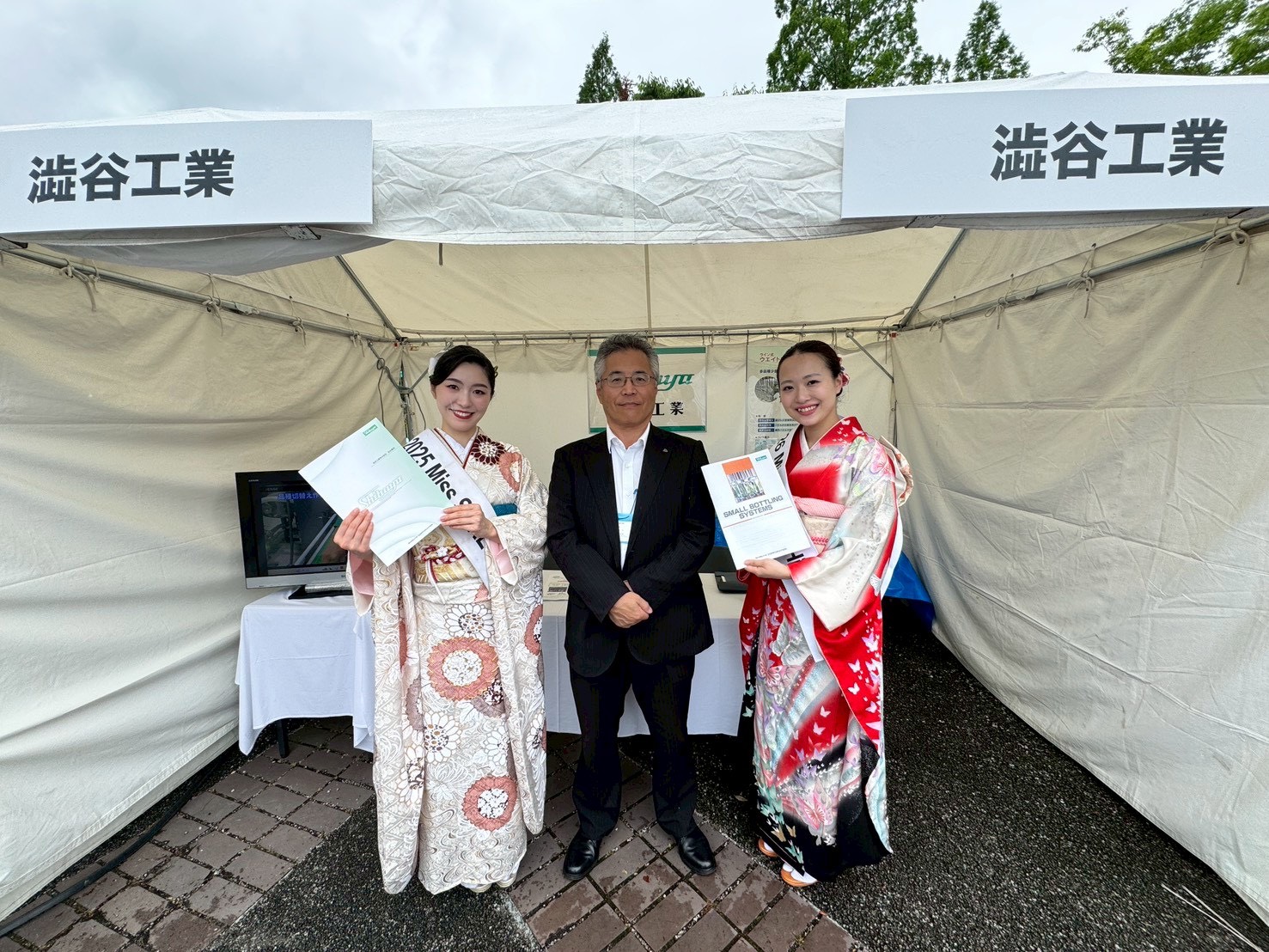
Shibuya Corporation
Founded 95 years ago and headquartered in Kanazawa, Shibuya Corporation is a comprehensive machinery manufacturer. Its strength lies in supporting entire production lines, from washing and bottling to capping, pasteurization, inspection, labeling, and packaging. Beyond sake production, the company also supplies equipment for pharmaceuticals, beverages, and consumer goods, making it a true behind-the-scenes supporter of Japanese manufacturing.
Kita Sangyo Co., Ltd. / Roots Machinery Laboratory Co., Ltd.
Their booth featured a complete range of production-line equipment, including fillers, seamers, and labeling systems. Watching the equipment in operation, I was impressed by how intuitive and user-friendly the designs were, making them accessible regardless of age or experience. In an industry increasingly affected by labor shortages, their focus on practical, operator-centered design felt especially important.


Kitamura Shoten Co., Ltd.
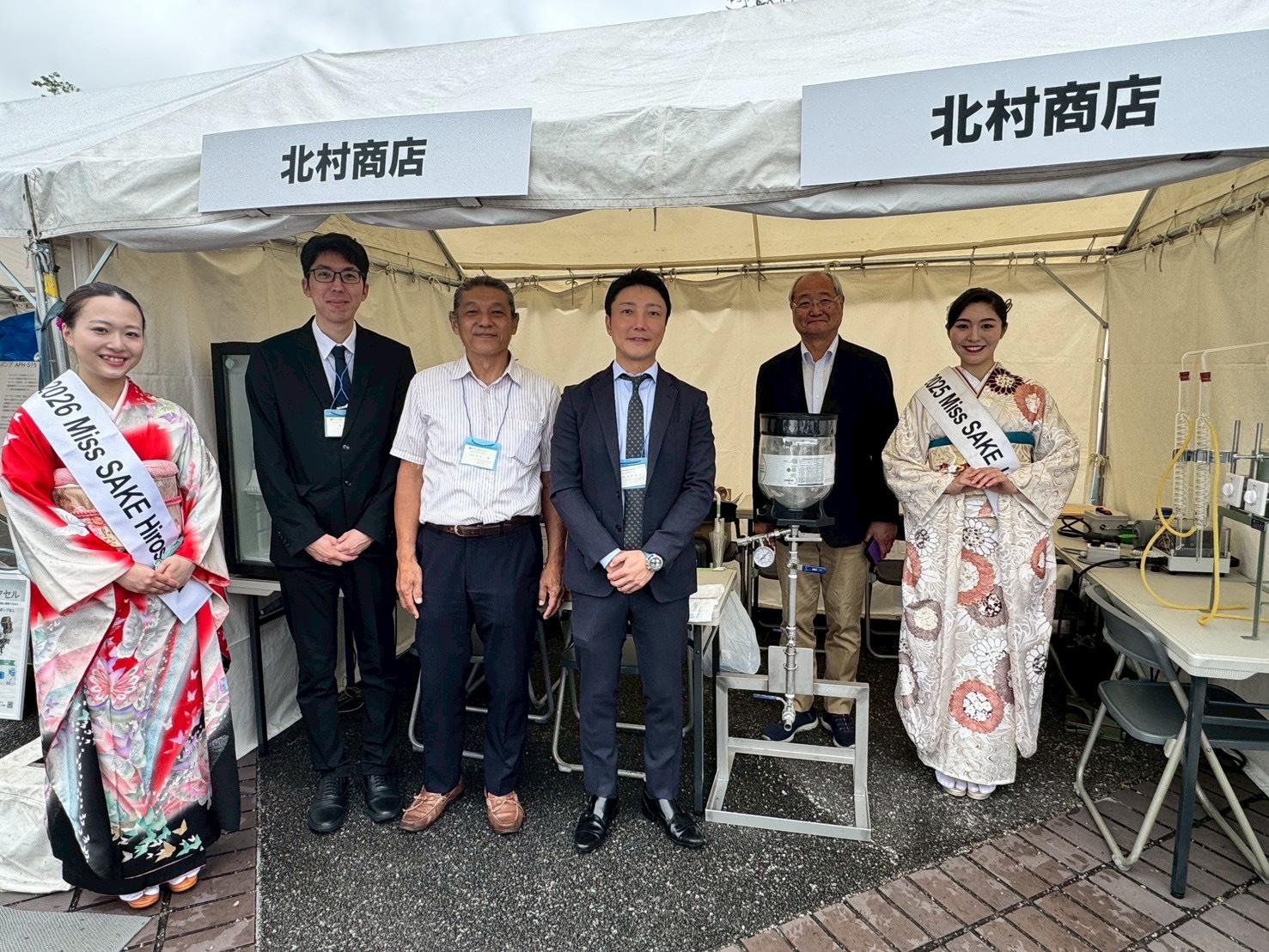
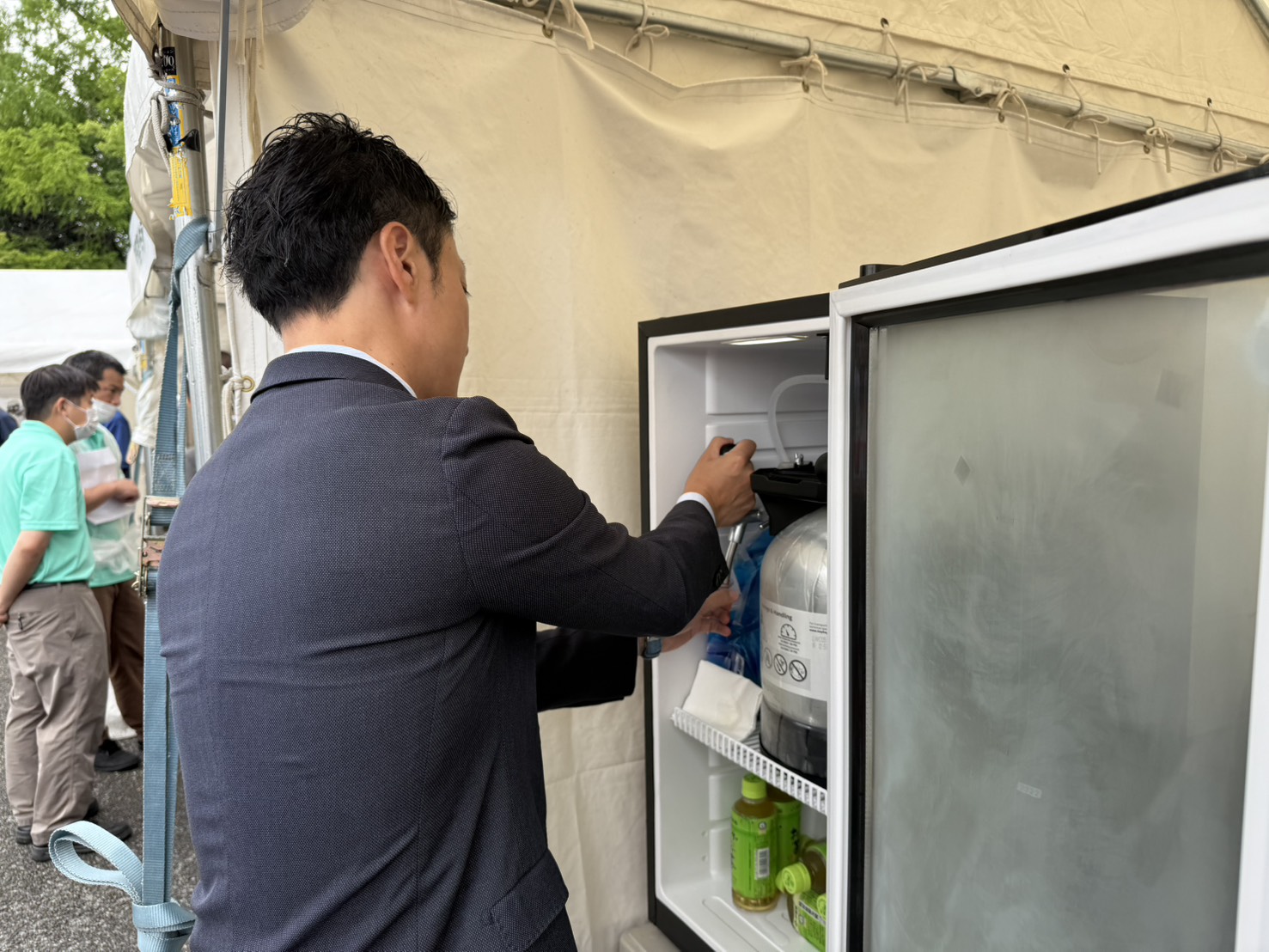
Celebrating its 115th anniversary, Kitamura Shoten displayed the KEYKEG, a keg system designed to preserve the freshness of nama-zake. By minimizing contact with air, the system prevents oxidation and allows fresh sake to retain its original flavor profile. As a comprehensive supplier of brewing equipment and materials, the company also supports the establishment of new breweries and has become increasingly active in the growing craft sake and microbrewery sectors.
Asano Manufacturing Co., Ltd.
Founded in Nagoya and known for its iconic shachihoko logo, Asano Manufacturing attracted considerable attention with its new moromi pump. Designed for transferring fermenting mash, the pump is easy to disassemble and clean while minimizing odor retention. Compact and quiet, it was developed directly in response to feedback from breweries, and many visitors stopped to learn more about it throughout the exhibition.
Onit Co., Ltd.
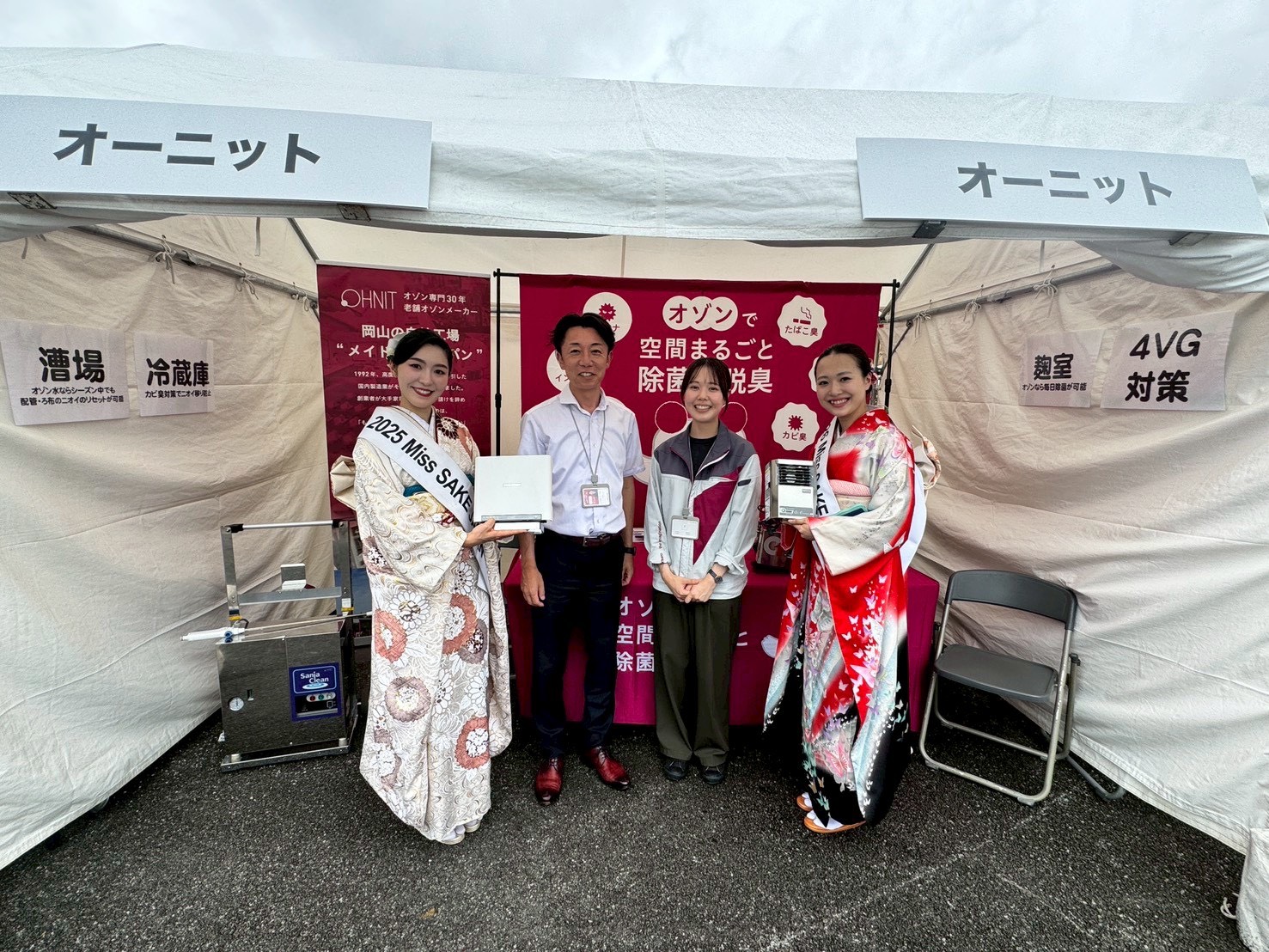
Operating under the concept of “complete sterilization and deodorization through ozone,” Onit exhibited equipment designed to improve air quality. Since microbial control and sanitation are critical in sake brewing, these systems play an important role not only in breweries but also in hotels, childcare facilities, and healthcare environments. Despite their compact size, some units can effectively cover areas of up to 100 square meters, demonstrating impressive technological capability.

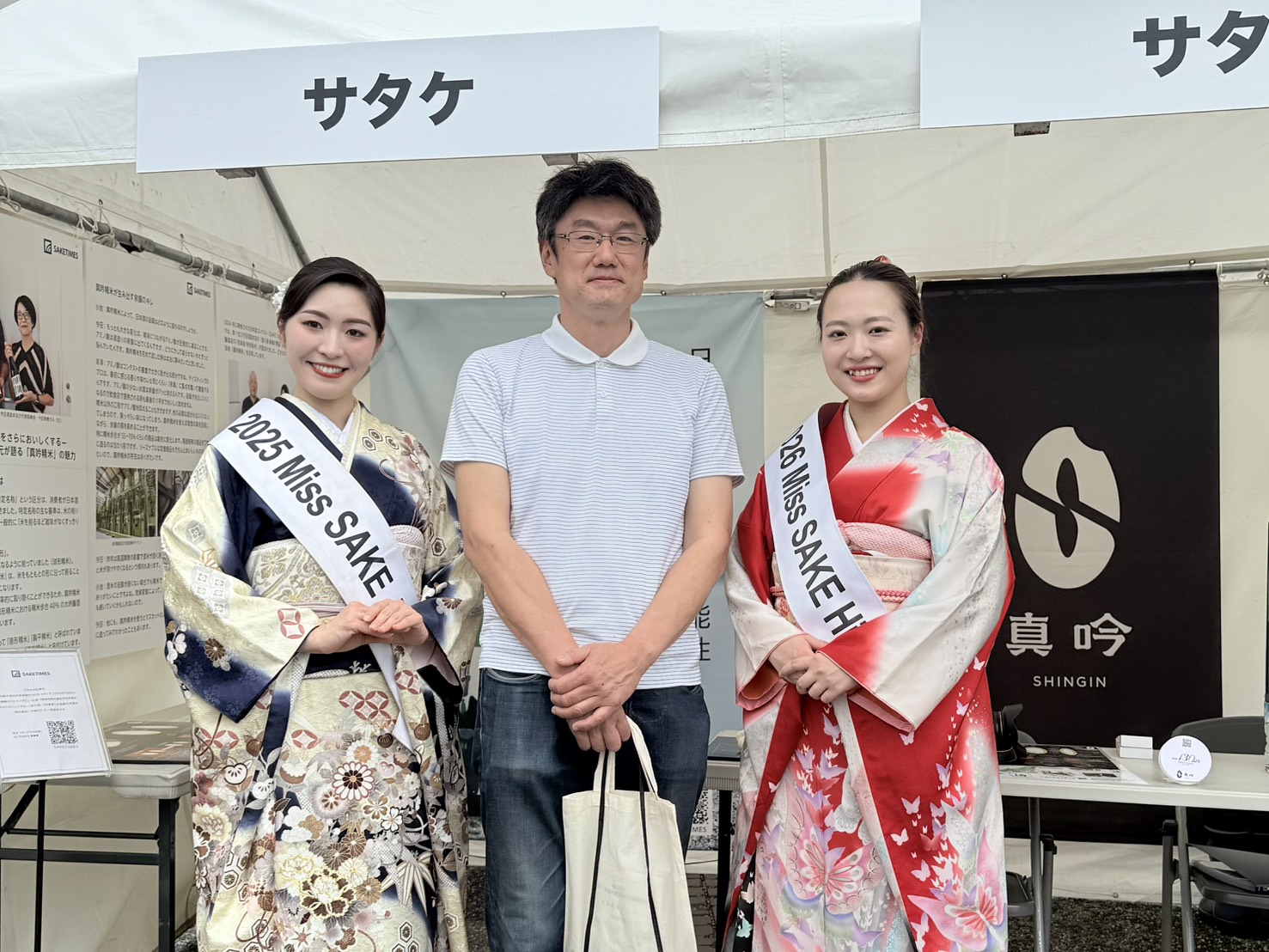
Satake Corporation
Satake is widely recognized for its innovative rice-polishing technology known as Shingin. While conventional polishing removes rice in a spherical pattern, Shingin polishes rice in a flatter shape that more efficiently removes proteins. As a result, protein reduction equivalent to traditional 40% polishing can be achieved at a 60% polishing ratio, significantly reducing both processing time and energy consumption. Reflecting the company’s philosophy of “discovering the true value of rice,” this technology is now being adopted by breweries nationwide and is rapidly becoming a new standard in sake production.
Ohashi Shokai Co., Ltd.
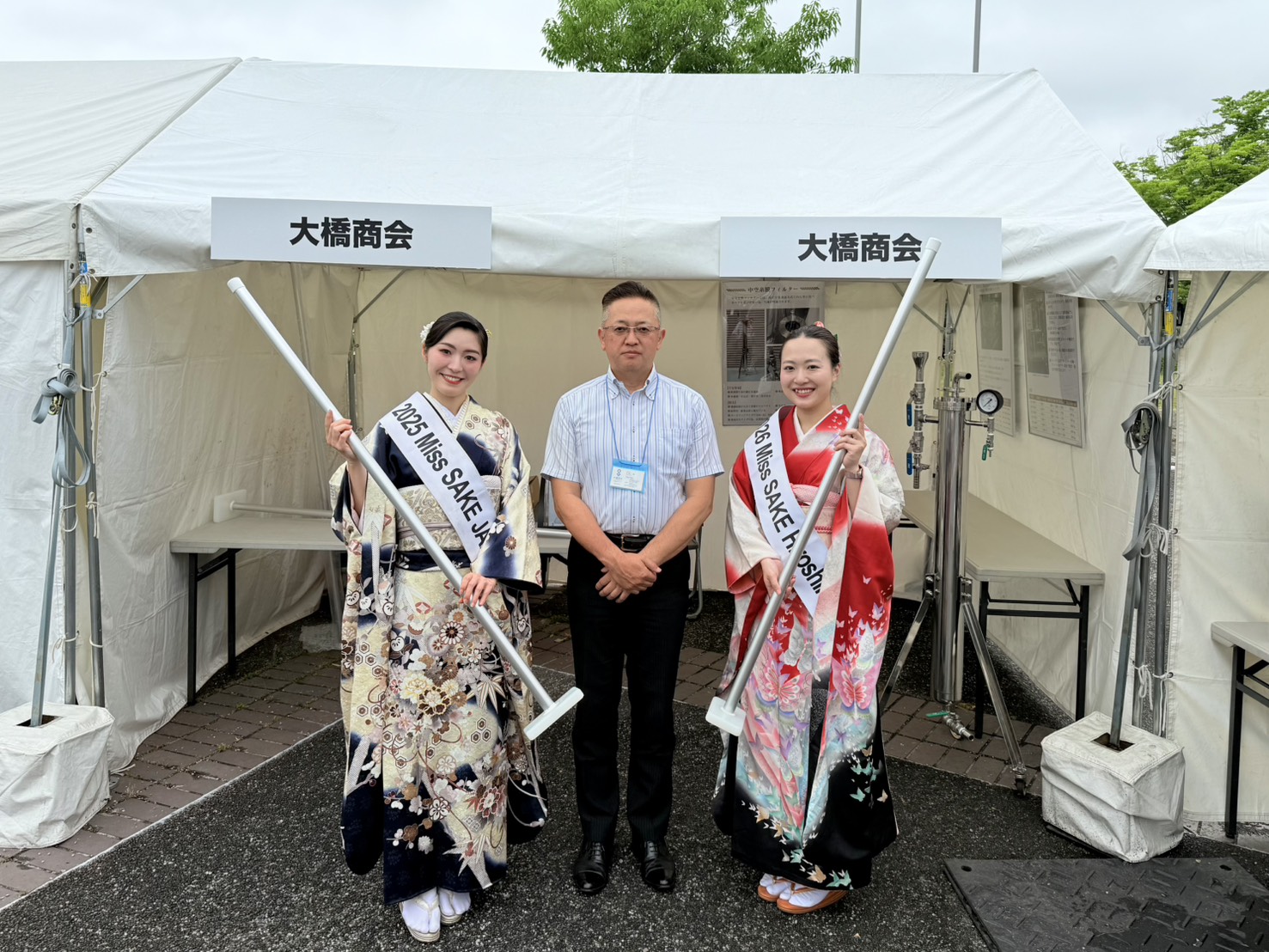
For many years, Ohashi Shokai has supplied tools and materials essential to sake brewing. Among the products on display were various types of kai-bo paddles used for stirring fermentation tanks during different stages of production. Constructed with durable epoxy-glass resin and lightweight aluminum, these tools improve both hygiene and worker comfort. The company’s efforts to balance usability, durability, and cost-effectiveness left a strong impression on me.


The Many Passions Behind a Single Cup of Sake
The exhibition welcomed numerous professionals from across the sake industry, including many participants attending the 2025 National New Sake Awards Technical Research Meeting held simultaneously at the adjacent Higashihiroshima Sports Park Gymnasium.
I was also fortunate to meet several toji and brewery representatives dedicated to creating distinctive sake in their respective regions. Among them were Toji Tomohiro Uchiyama of Shimizu Seizaburo Shoten in Mie Prefecture and Toji Motoko Matsuura of Honke Matsuura Sake Brewery in Tokushima Prefecture. Speaking directly with brewers from around Japan allowed me to experience firsthand their passion for sake and their commitment to expressing the unique character of their local terroirs.
What impressed me most throughout the exhibition was the realization that exceptional sake depends not only on the skill and experience of brewers but also on the machinery, equipment, and analytical technologies supporting them. From koji production and fermentation management to filtration, bottling, and quality analysis, countless innovations developed by specialized companies continue to strengthen the industry. The fusion of traditional craftsmanship and cutting-edge technology is what makes today’s high-quality sake possible.
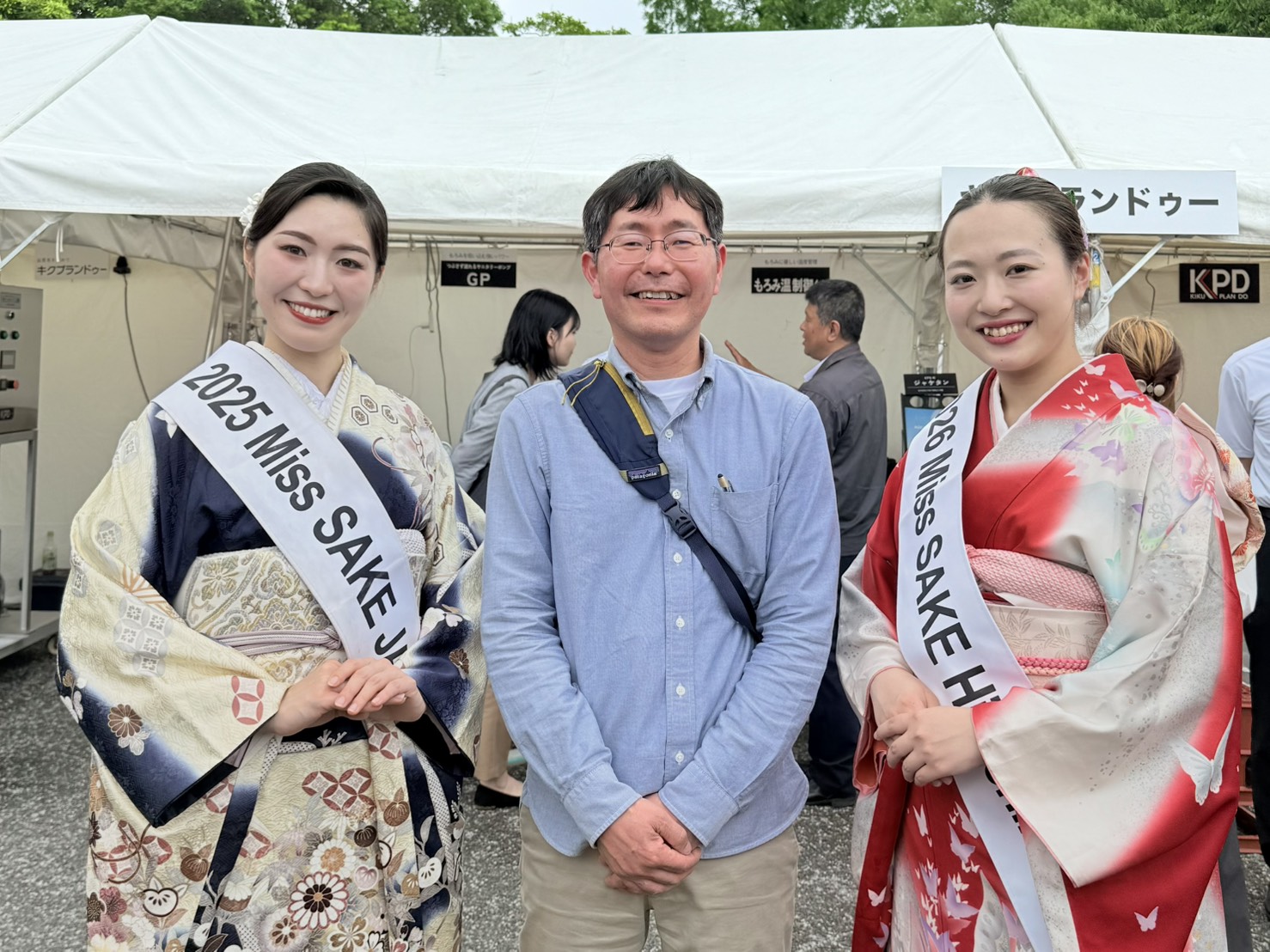

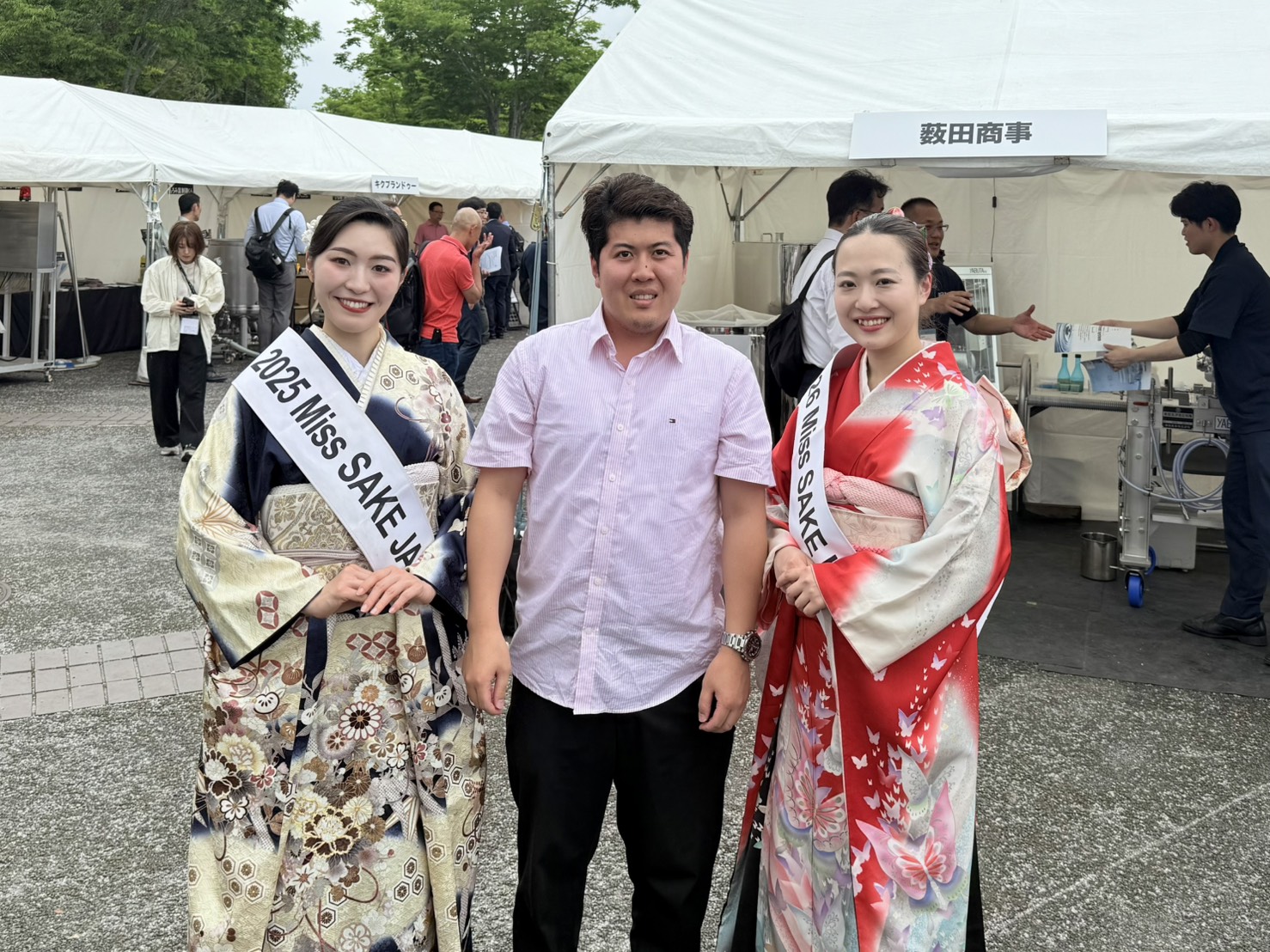
Through the Japan Brewing Machinery & Material Exhibition 2026 in Hiroshima, I gained a deeper appreciation for the many people whose dedication supports every glass of sake we enjoy. Behind each bottle are not only the passion and expertise of toji and brewery workers, but also the tireless efforts of machinery manufacturers, engineers, researchers, and countless others committed to advancing the art and science of sake brewing.
As Miss SAKE, I hope to continue sharing not only the flavors and appeal of sake itself, but also the technologies, craftsmanship, and people that make its production possible. By highlighting the diverse individuals who support Japan’s sake culture, I hope to deepen understanding and appreciation of sake both in Japan and around the world.
Chisato Tateno
2025 Miss SAKE Japan