Hello everyone,
I am Chisato Tateno, 2025 Miss SAKE Japan.
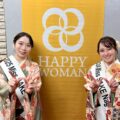
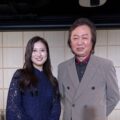
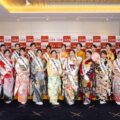
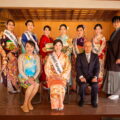
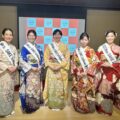
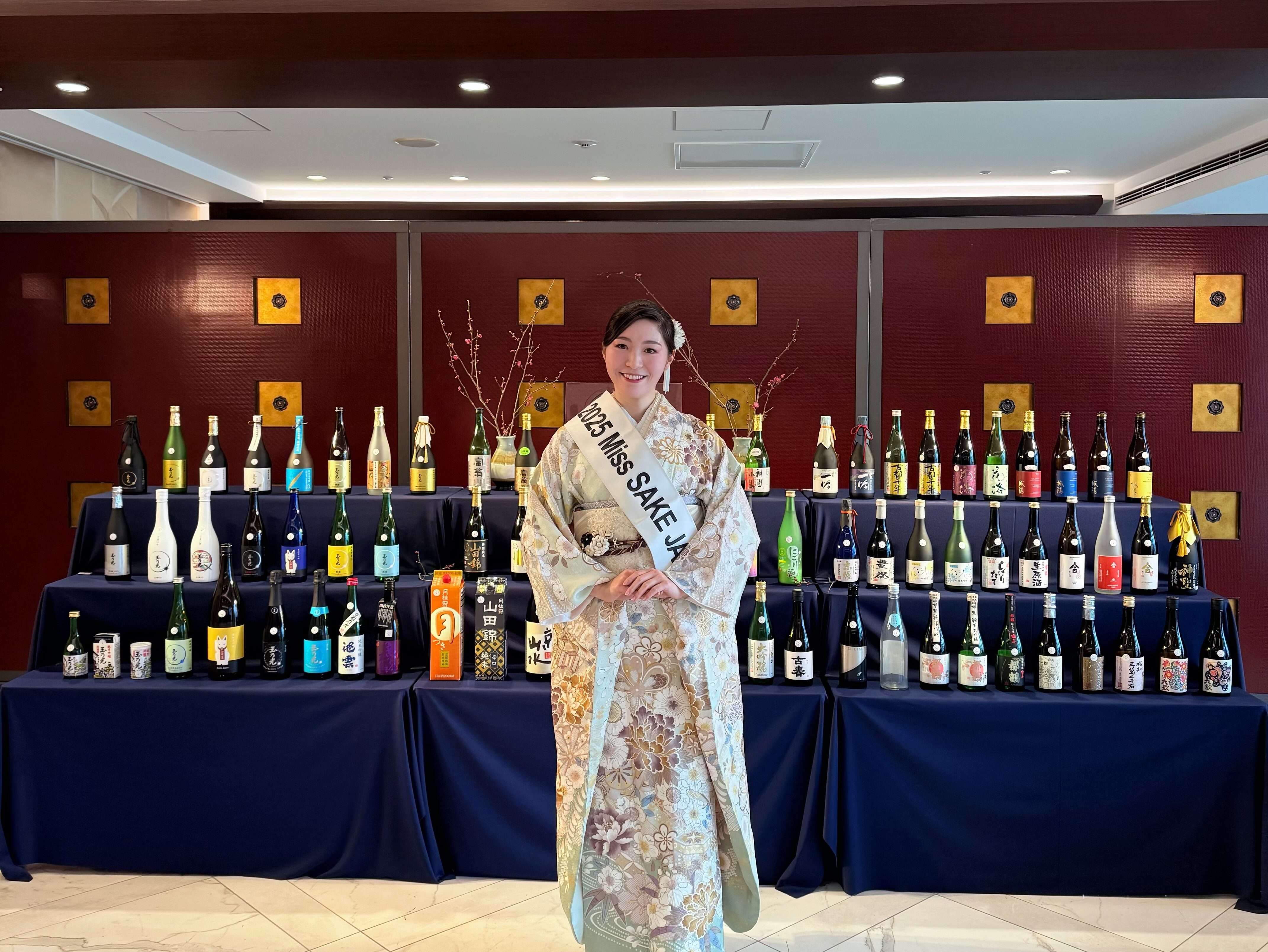
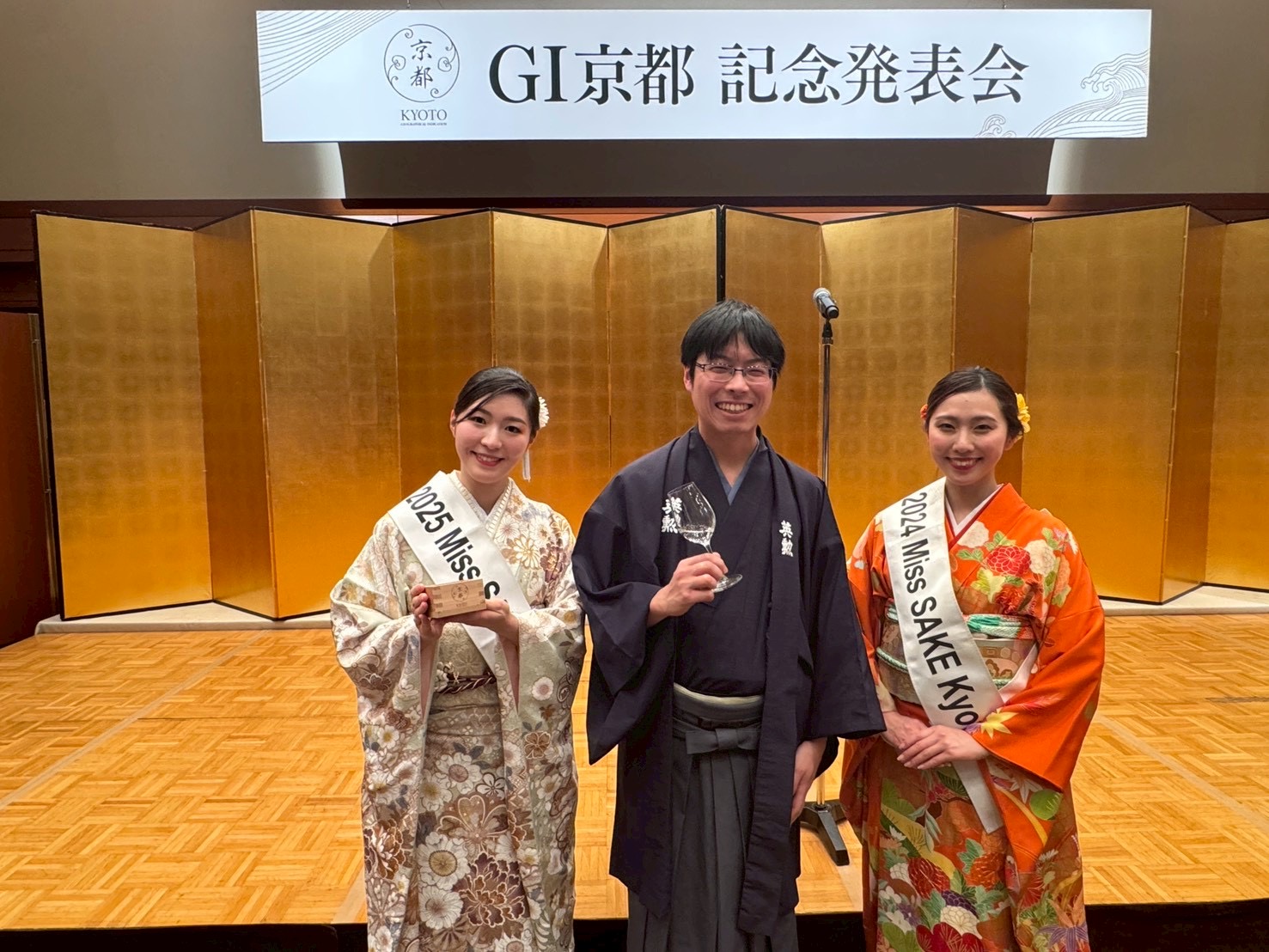
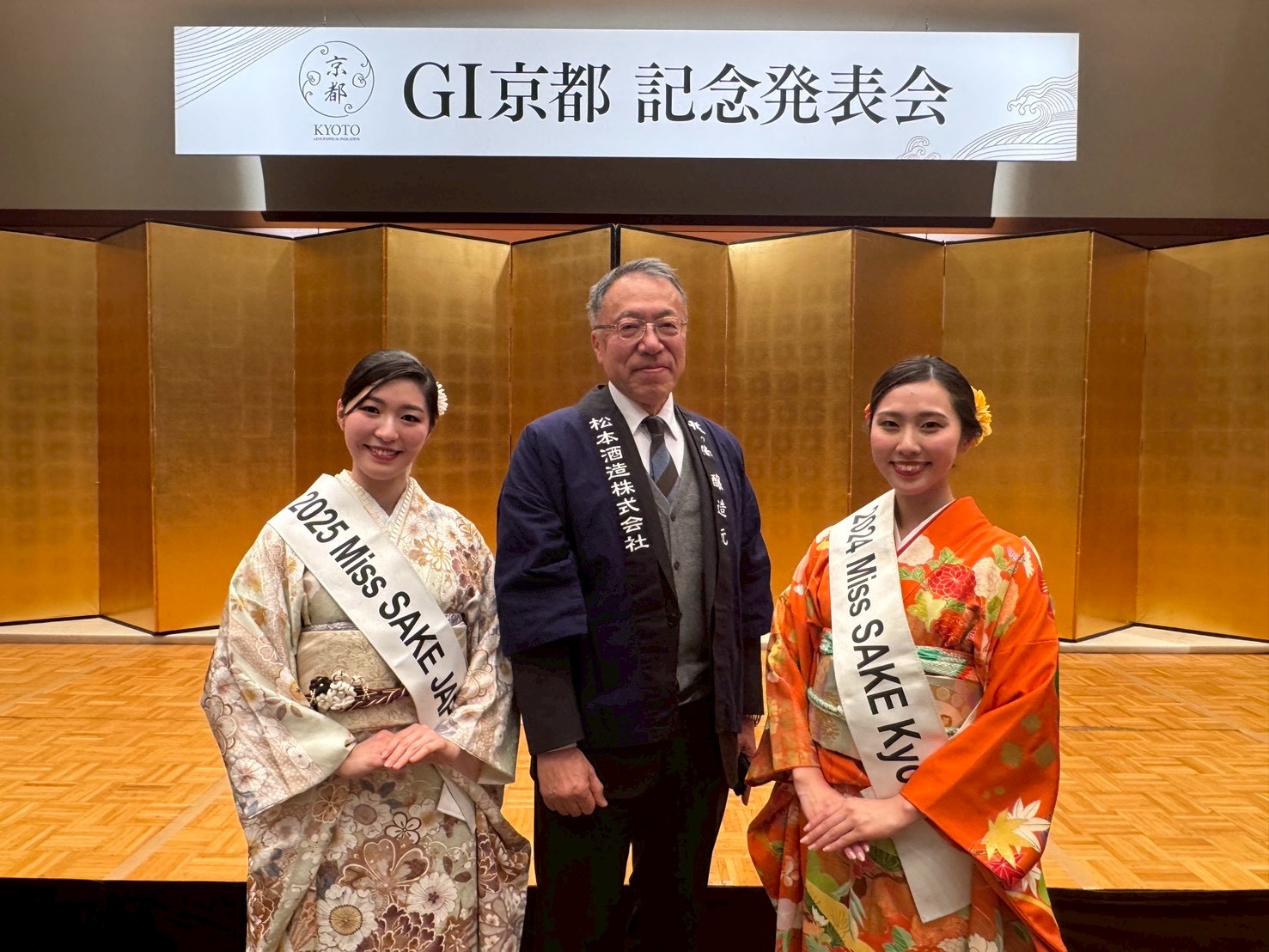
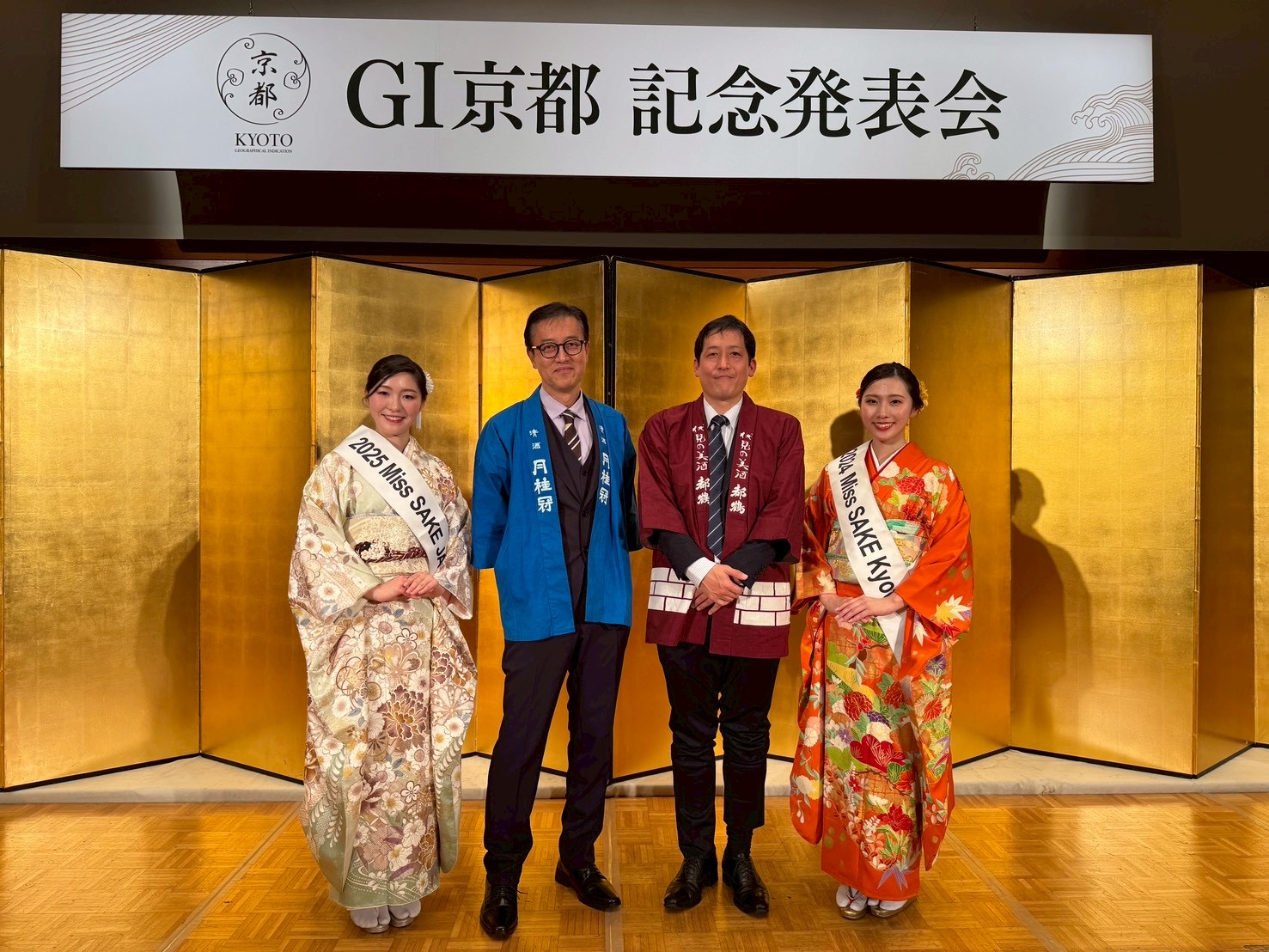
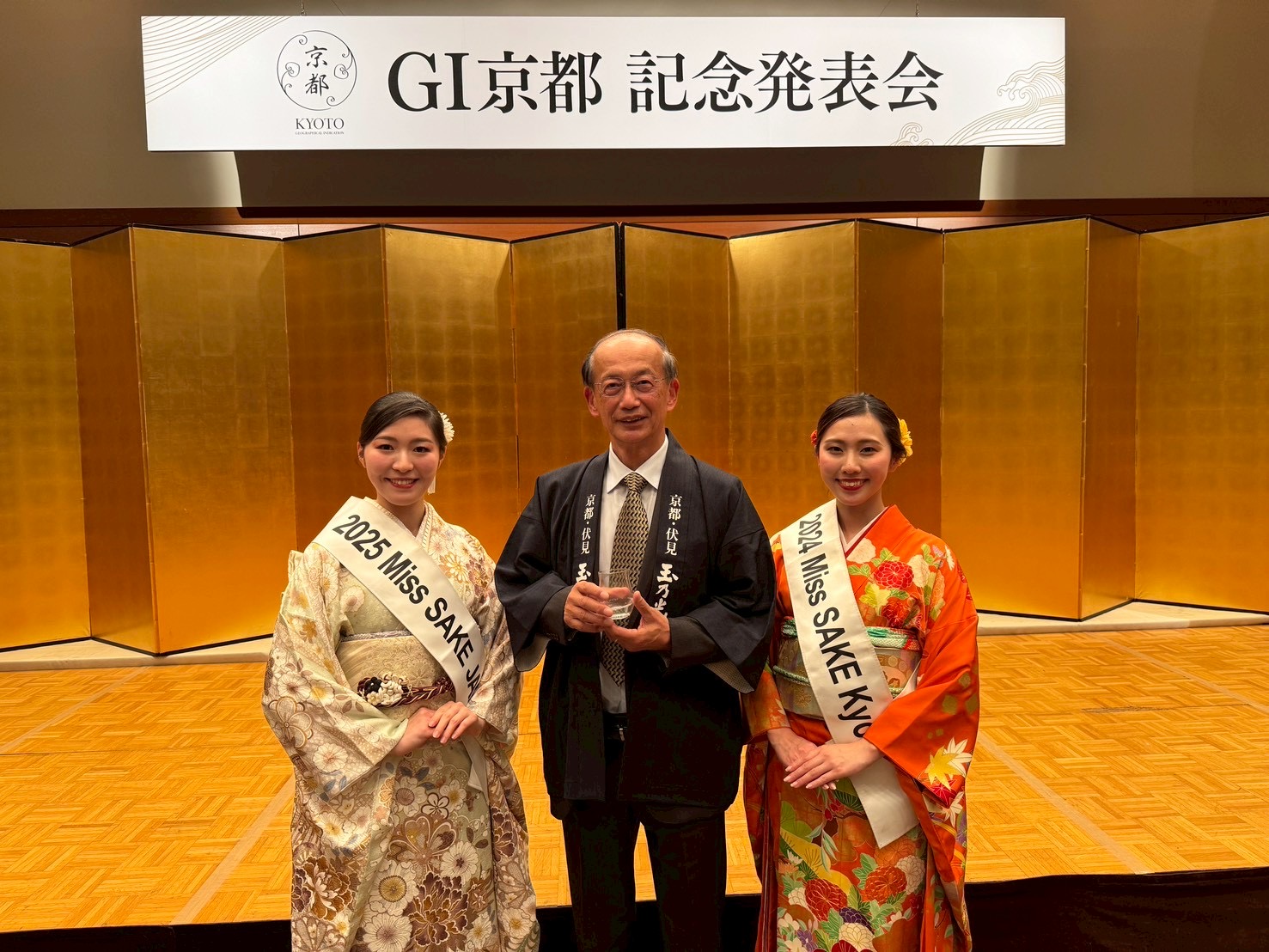
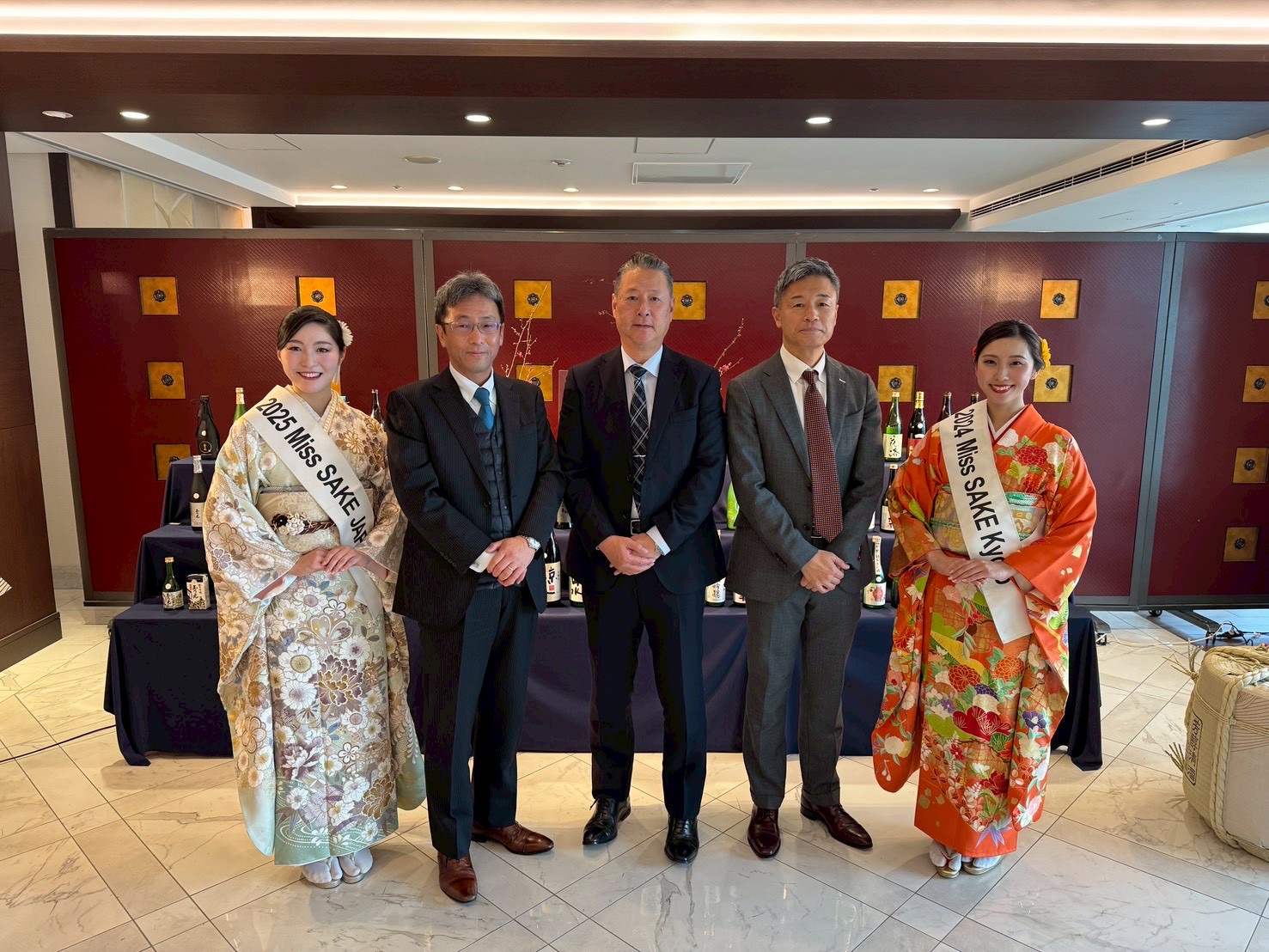
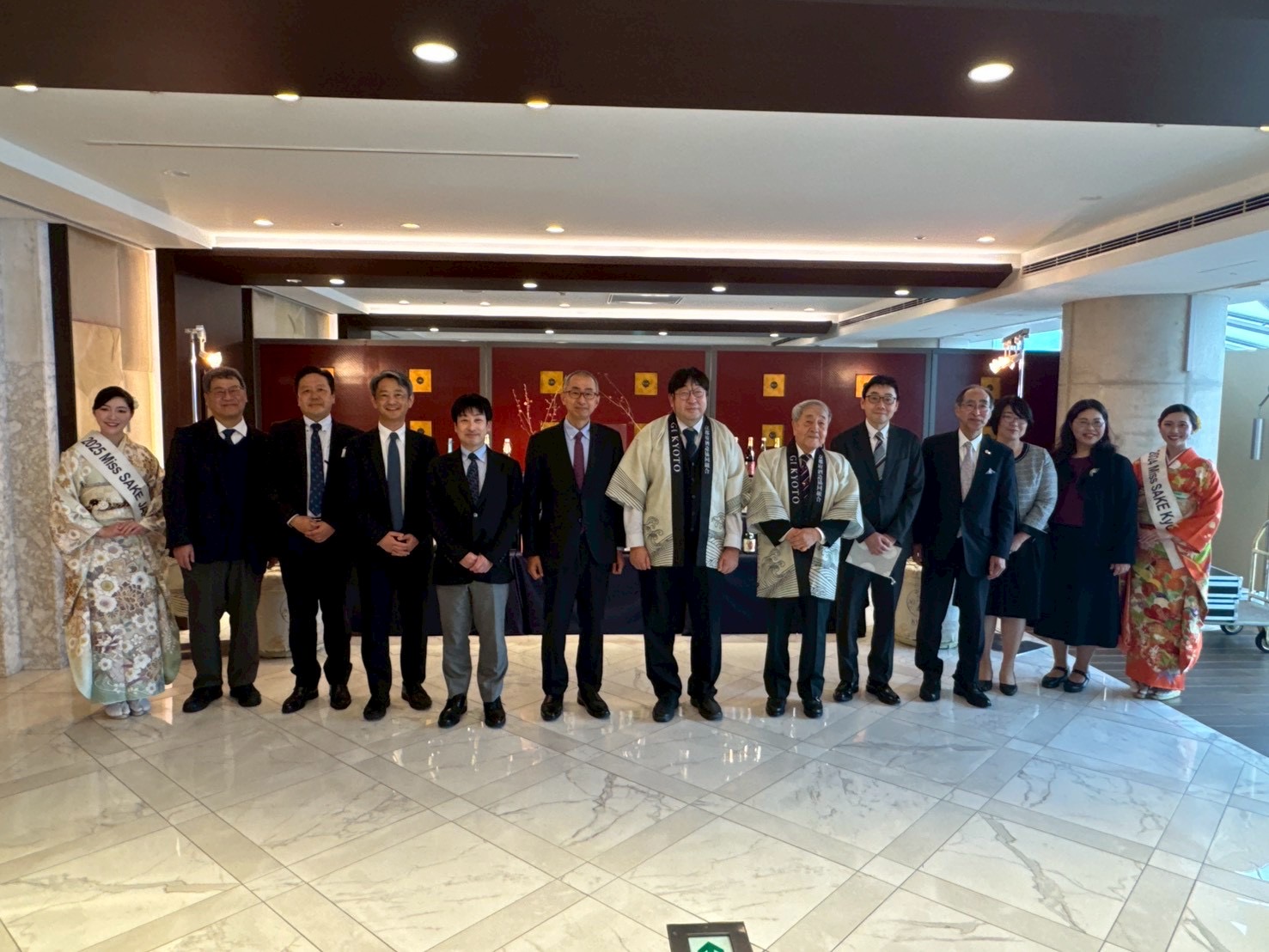
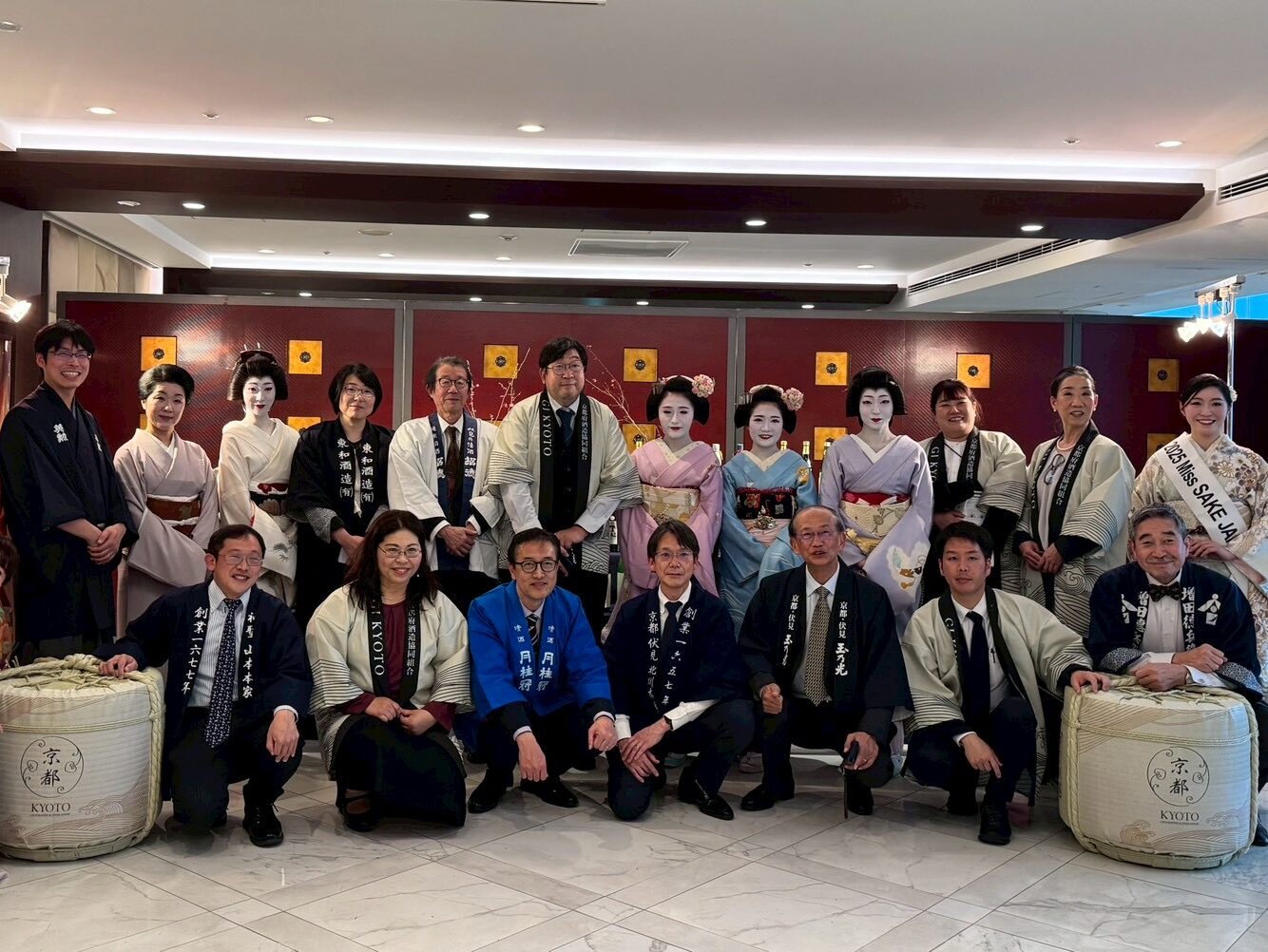
On Wednesday, January 21, I had the honor of attending the “GI Kyoto Commemorative Announcement Event,” hosted by the Osaka Regional Taxation Bureau, held at Hotel Granvia Kyoto (Kyoto City, Kyoto Prefecture), together with Tomoka Tsuda, 2024 Miss SAKE Kyoto. On the day of the event, I participated in a talk session on stage with the distinguished speakers, and also took part in the kagami-biraki (ceremonial sake barrel opening).
About “GI Kyoto”
Geographical Indication (GI) for sake refers to a system designed to protect regional names as shared cultural assets and to properly pass on their value to future generations. Applications are made by the producing region itself, and only sake that meets the prescribed standards regarding ingredients, production methods, and quality—and receives designation by the Commissioner of the National Tax Agency—may use the regional name. Currently, 18 regions in Japan have been designated under this GI system.
Kyoto sake is characterized by its soft, well-balanced, and rounded mouthfeel, which enhances food without overpowering it, allowing both sake and cuisine to complement each other. “GI Kyoto” is a system established to protect and share with the world the value of sake rooted in Kyoto’s natural environment and long history of brewing. Only sake brewed in Kyoto that meets strict standards—supported by Kyoto’s famed natural spring water, its climate with marked seasonal temperature differences, and its refined food culture—may bear the name “GI Kyoto.” More than a simple regional indication, “GI Kyoto” embodies the aesthetics and craftsmanship cultivated in Kyoto, the thousand-year-old capital that forms the foundation of Japanese culture, and plays an important role in passing on regional pride and cultural value to future generations.

-
- {“ARInfo”:{“IsUseAR”:false},”Version”:”1.0.0″,”MakeupInfo”:{“IsUseMakeup”:false},”FaceliftInfo”:{“IsChangeEyeLift”:false,”IsChangeFacelift”:false,”IsChangePostureLift”:false,”IsChangeNose”:false,”IsChangeFaceChin”:false,”IsChangeMouth”:false,”IsChangeThinFace”:false},”BeautyInfo”:{“SwitchMedicatedAcne”:false,”IsAIBeauty”:false,”IsBrightEyes”:false,”IsSharpen”:false,”IsOldBeauty”:false,”IsReduceBlackEyes”:false},”HandlerInfo”:{“AppName”:2},”FilterInfo”:{“IsUseFilter”:false}}
-
- {“ARInfo”:{“IsUseAR”:false},”Version”:”1.0.0″,”MakeupInfo”:{“IsUseMakeup”:false},”FaceliftInfo”:{“IsChangeEyeLift”:false,”IsChangeFacelift”:false,”IsChangePostureLift”:false,”IsChangeNose”:false,”IsChangeFaceChin”:false,”IsChangeMouth”:false,”IsChangeThinFace”:false},”BeautyInfo”:{“SwitchMedicatedAcne”:false,”IsAIBeauty”:false,”IsBrightEyes”:false,”IsSharpen”:false,”IsOldBeauty”:false,”IsReduceBlackEyes”:false},”HandlerInfo”:{“AppName”:2},”FilterInfo”:{“IsUseFilter”:false}}
Sake Culture Nurtured by Kyoto’s Terroir
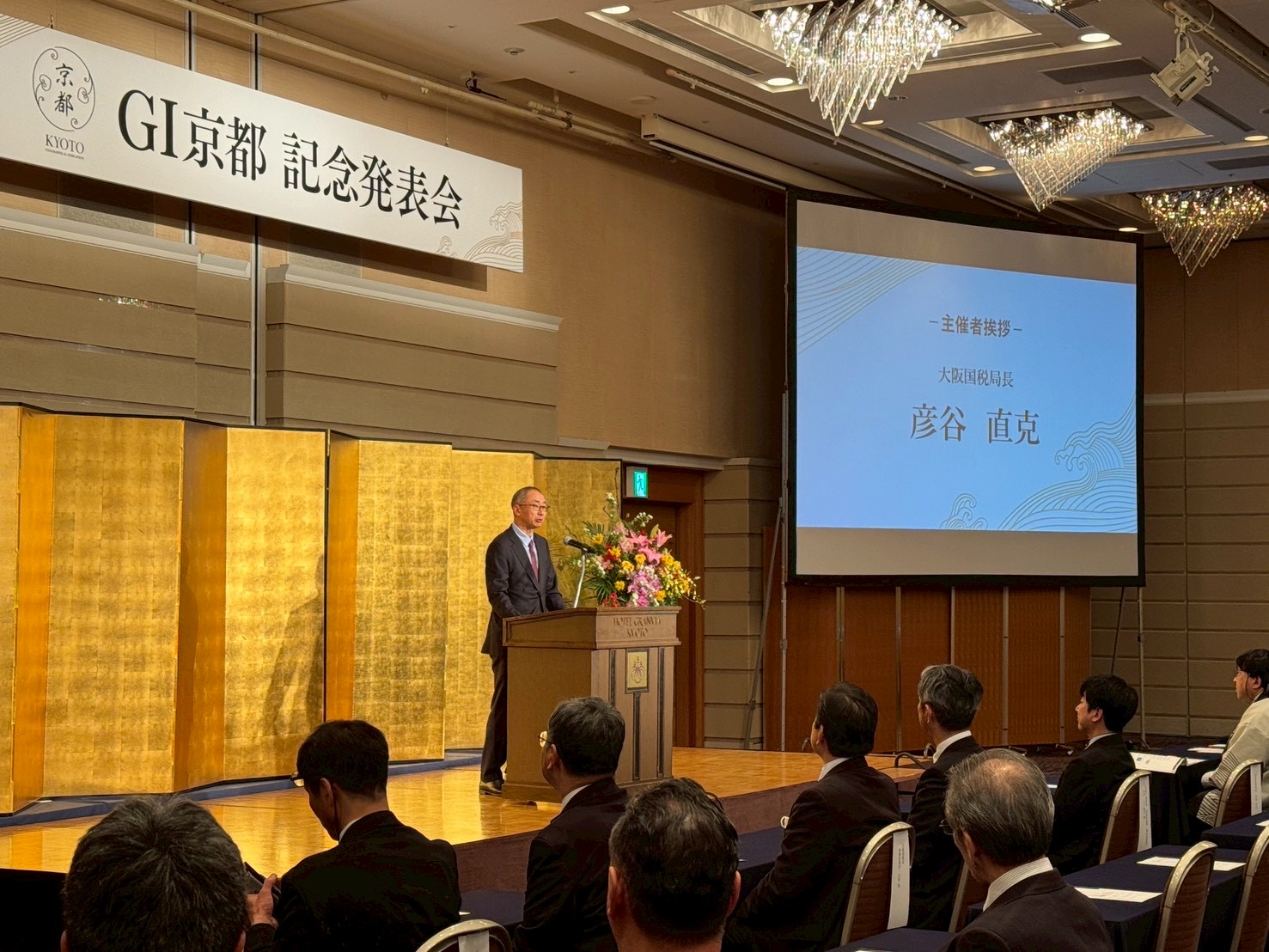
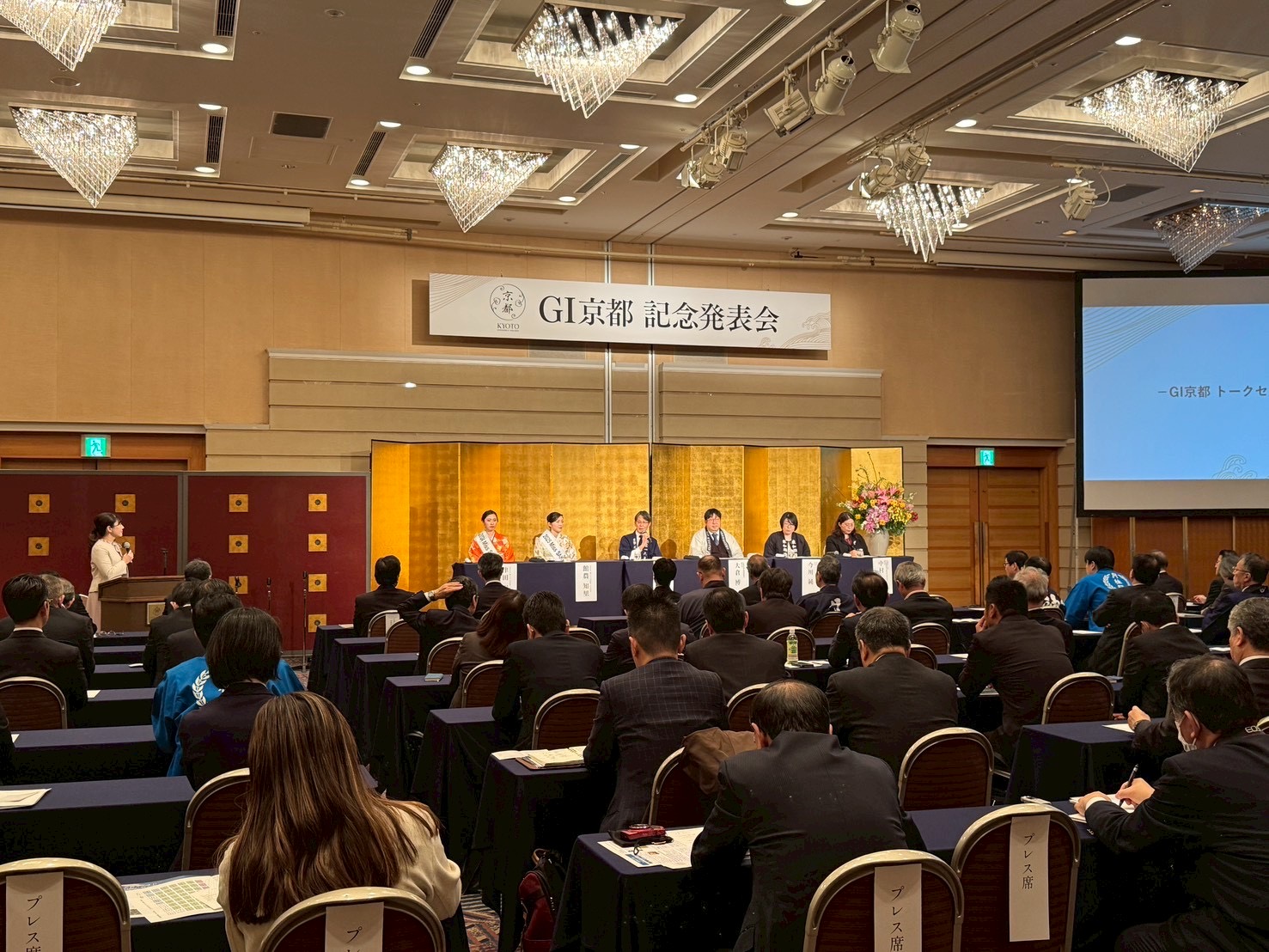
This “GI Kyoto Commemorative Announcement Event” was held with the aim of deepening understanding of Kyoto’s sake-brewing history and culture, raising awareness of GI Kyoto, and enhancing its added value as a regional brand. Opening remarks were delivered by Naokatsu Hikotani, Director-General of the Osaka Regional Taxation Bureau; Hiroshi Okura, Chairman of the Kyoto Prefecture Sake Brewers Association; and Takayuki Muto, Councillor for Living Culture Creation at the Agency for Cultural Affairs. They spoke about Kyoto’s unique brand strength, its deeply rooted traditional culture, and the future potential of “GI Kyoto,” including the harmony between registered intangible cultural heritage “Kyoto cuisine” and Japanese sake.
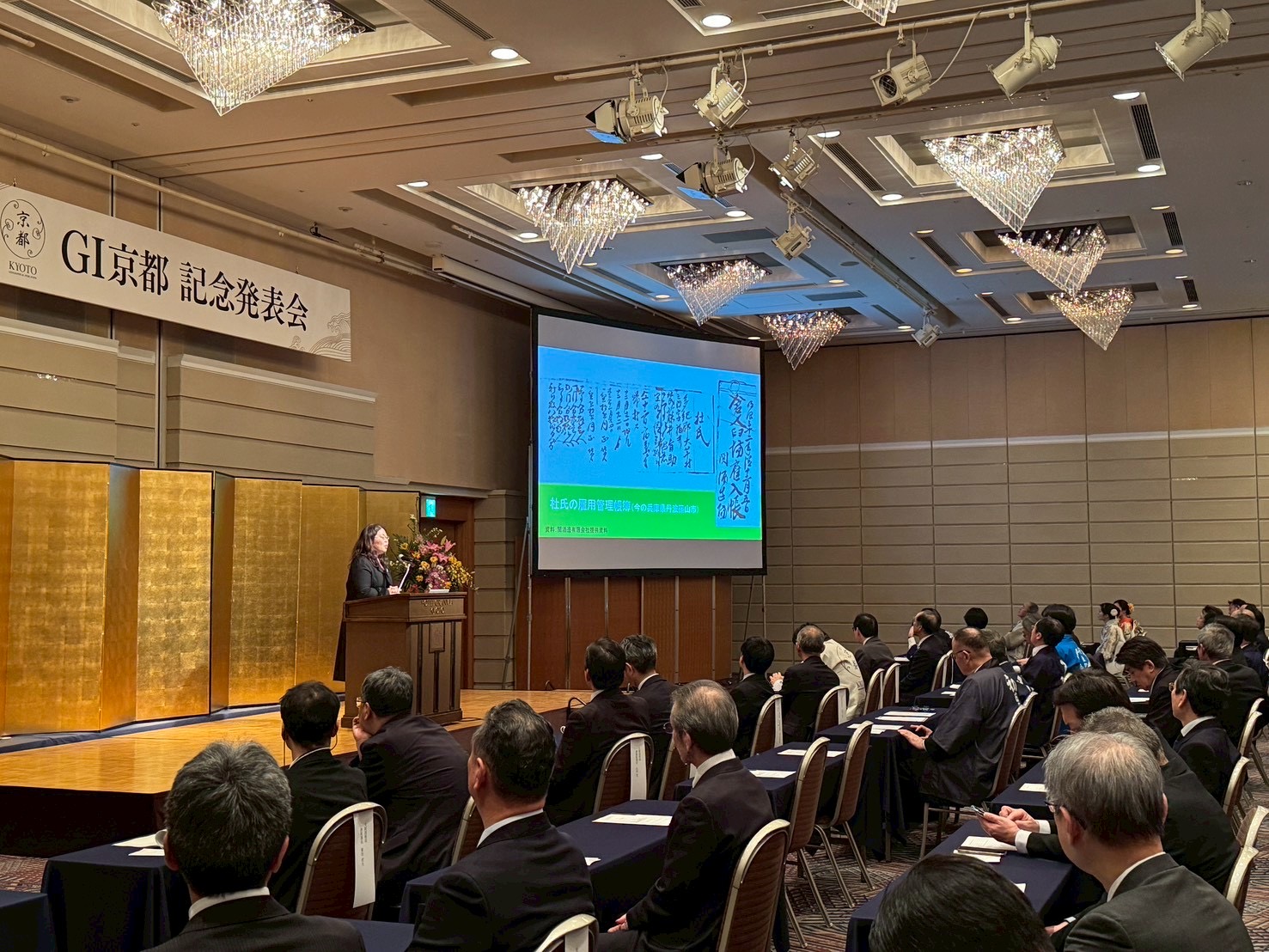
This was followed by a keynote lecture titled “Commemorating GI Kyoto” by Associate Professor Takako Nakamura of the Laboratory of Agricultural Management, Graduate School of Life and Environmental Sciences, Kyoto Prefectural University. Professor Nakamura, who played a leading role in developing the GI Kyoto production standards, described GI (Geographical Indication) as “the creation of exceptional products that refine terroir and nurture love for one’s homeland.”
She also explained that since the establishment of Heian-kyo in the late 8th century, institutions such as the Miki no Tsukasa (Imperial Office of Sake Brewing) had existed in the imperial palace, fostering a long tradition of sake culture in Kyoto. The refined aroma and soft, delicate mouthfeel born from the accumulation of these traditional techniques continue to be cherished as a distinctive expression of “Kyoto-ness,” enjoyed far beyond the region.


Exploring the Potential of “GI Kyoto” Beyond Boundaries
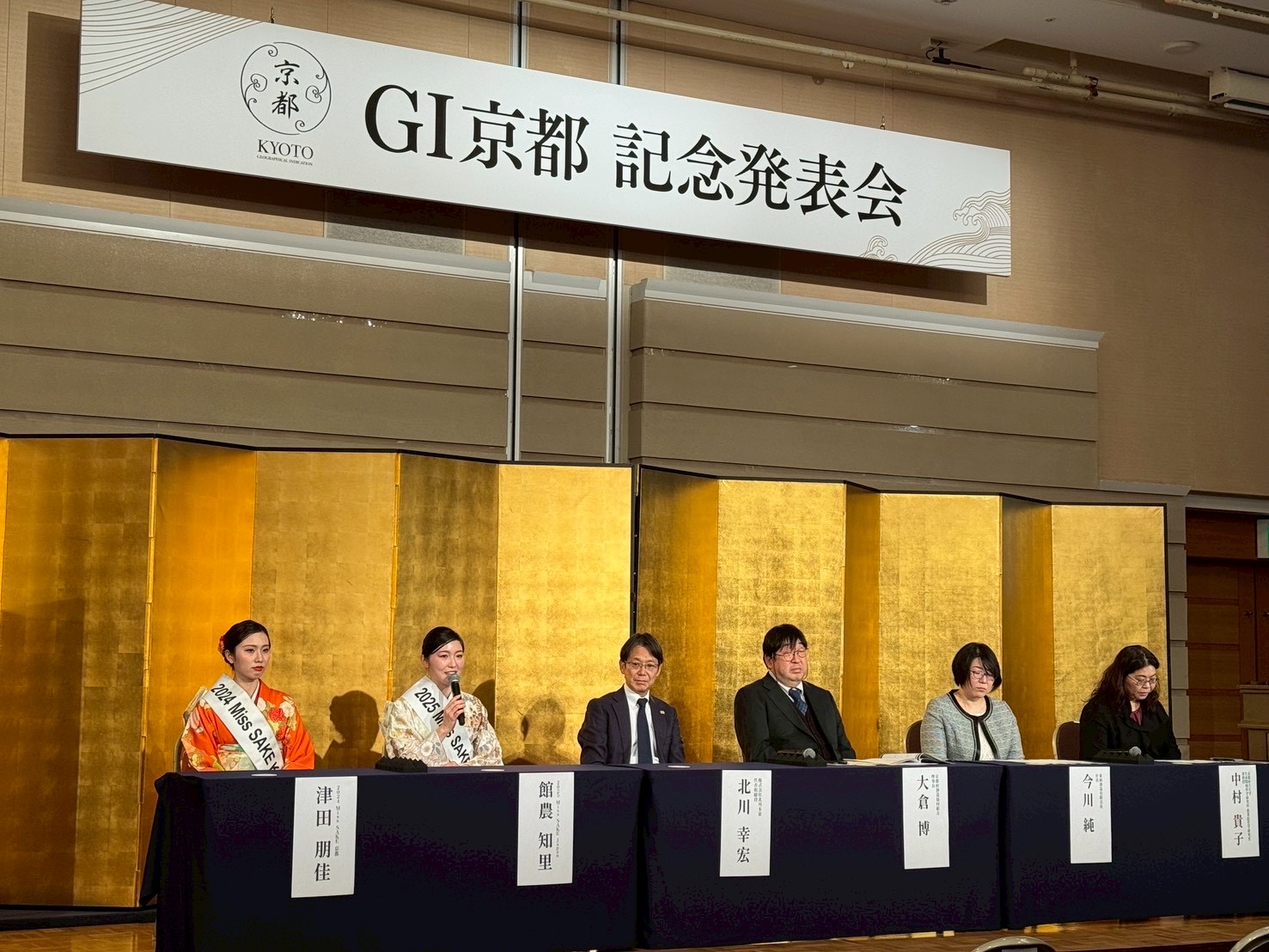
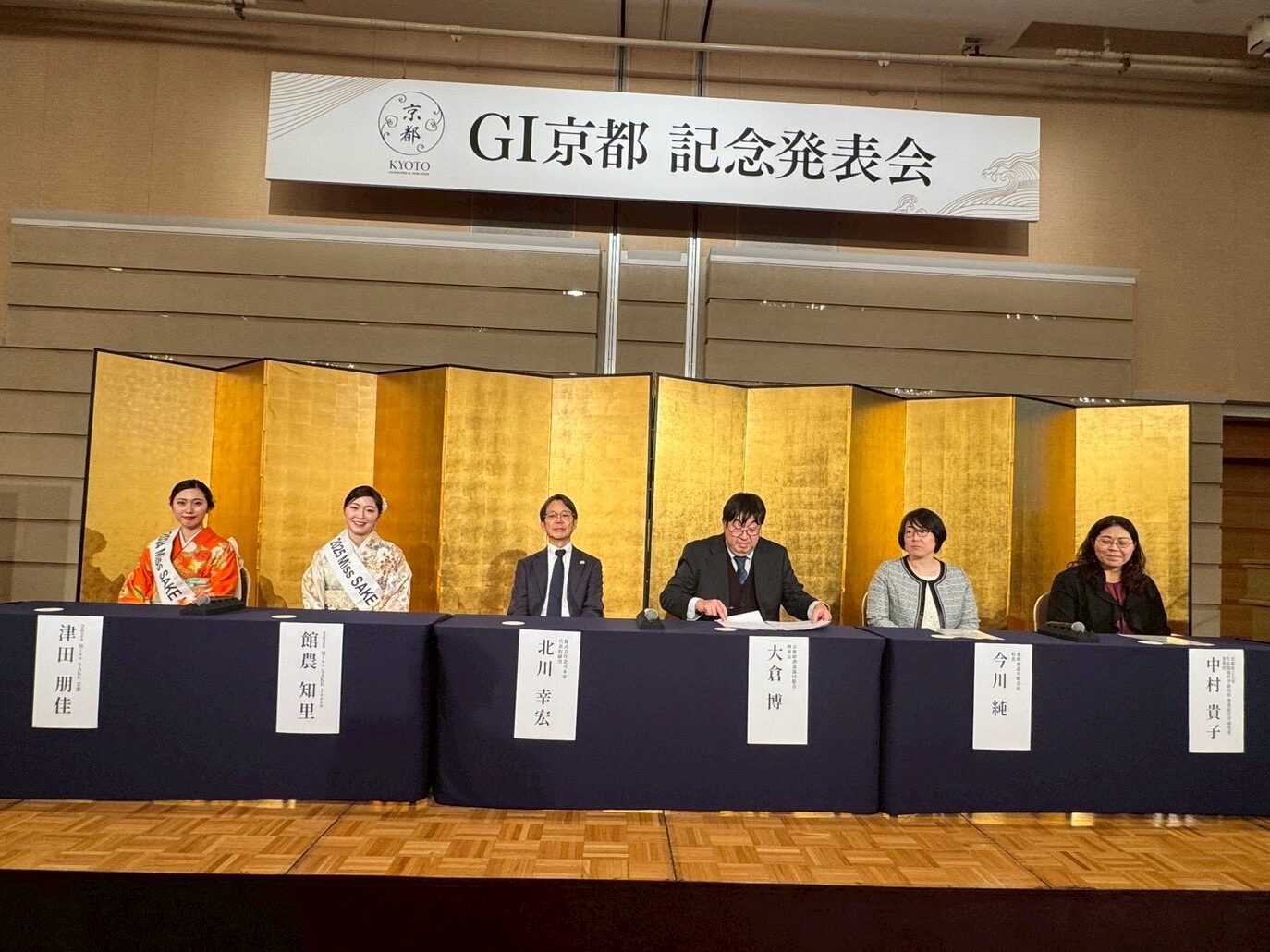
Next, a talk session on “GI Kyoto” was held with six participants from diverse fields and positions. Joining Chairman Hiroshi Okura of the Kyoto Prefecture Sake Brewers Association, Yukihiro Kitagawa (President of Kitagawahonke Co., Ltd.), Jun Imagawa (Toji of Towa Shuzo Co., Ltd.), and Associate Professor Takako Nakamura, we Miss SAKE members were also honored to take part in this special discussion.
We introduced the activities of Miss SAKE and spoke about personal preferences in sake styles, ways of enjoying sake, and Kyoto sake in particular. I shared one approach to enjoying sake by focusing on temperature variation. Especially in the colder seasons, I recommended warm sake (kanzake). One of the unique charms of sake is how dramatically its flavor and aroma change simply by adjusting the temperature.
Kyoto is also home to a rich culinary culture nurtured over centuries. I hope many people will enjoy the diverse expressions of sake created through temperature changes—from chilled, to room temperature, to warm—together with thoughtful food pairings.
A Celebration Framed by Dance and Kagami-biraki
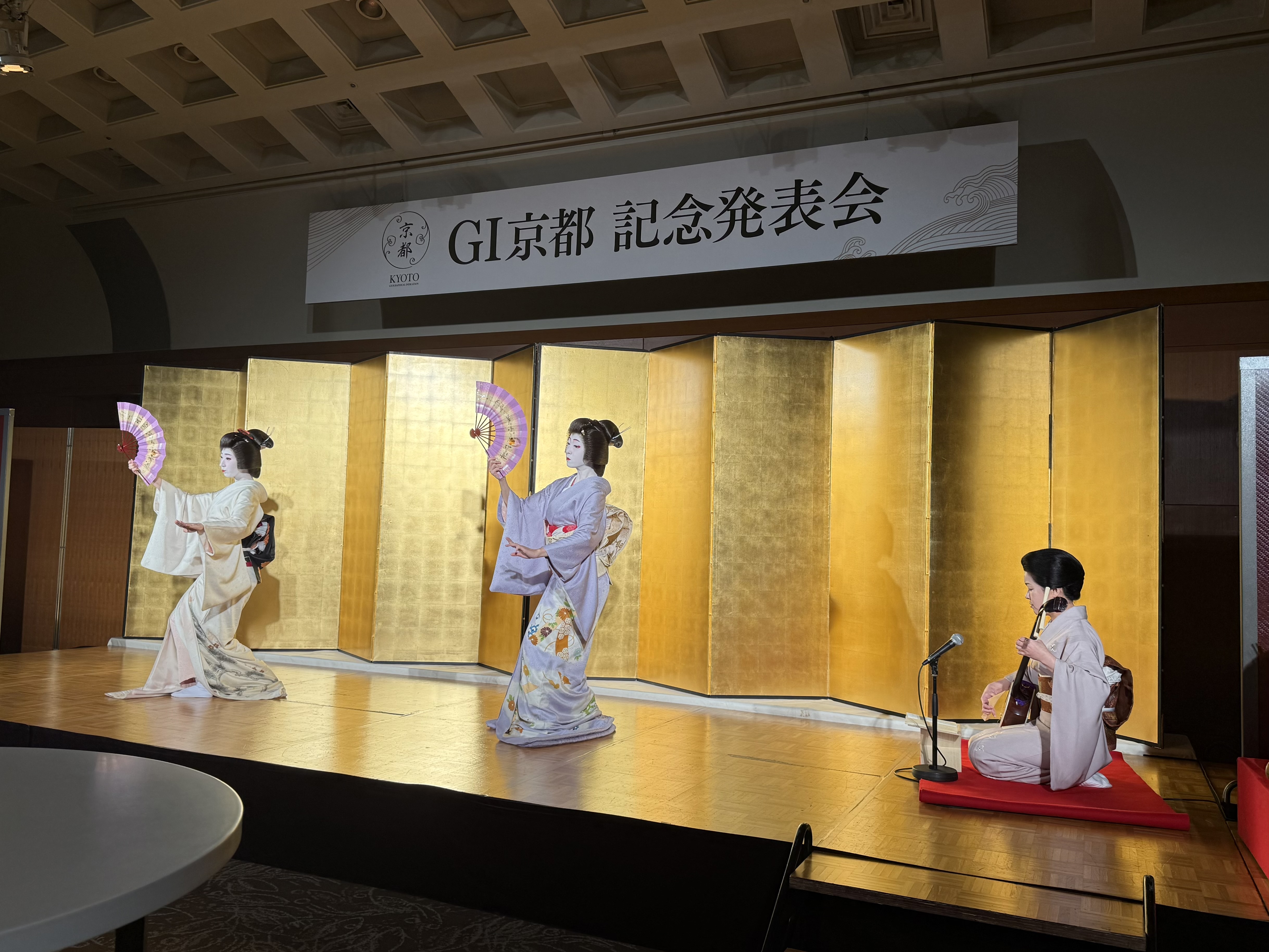
In the second part of the program, performances by geiko and maiko from Miyagawacho—one of Kyoto’s five historic hanamachi with over 300 years of history—opened the ceremony, with the dances “Matsuzukushi” and “Gion Kouta.” Their dignified presence and graceful movements conveyed Kyoto’s unique beauty and tradition, instantly filling the venue with an elegant atmosphere.
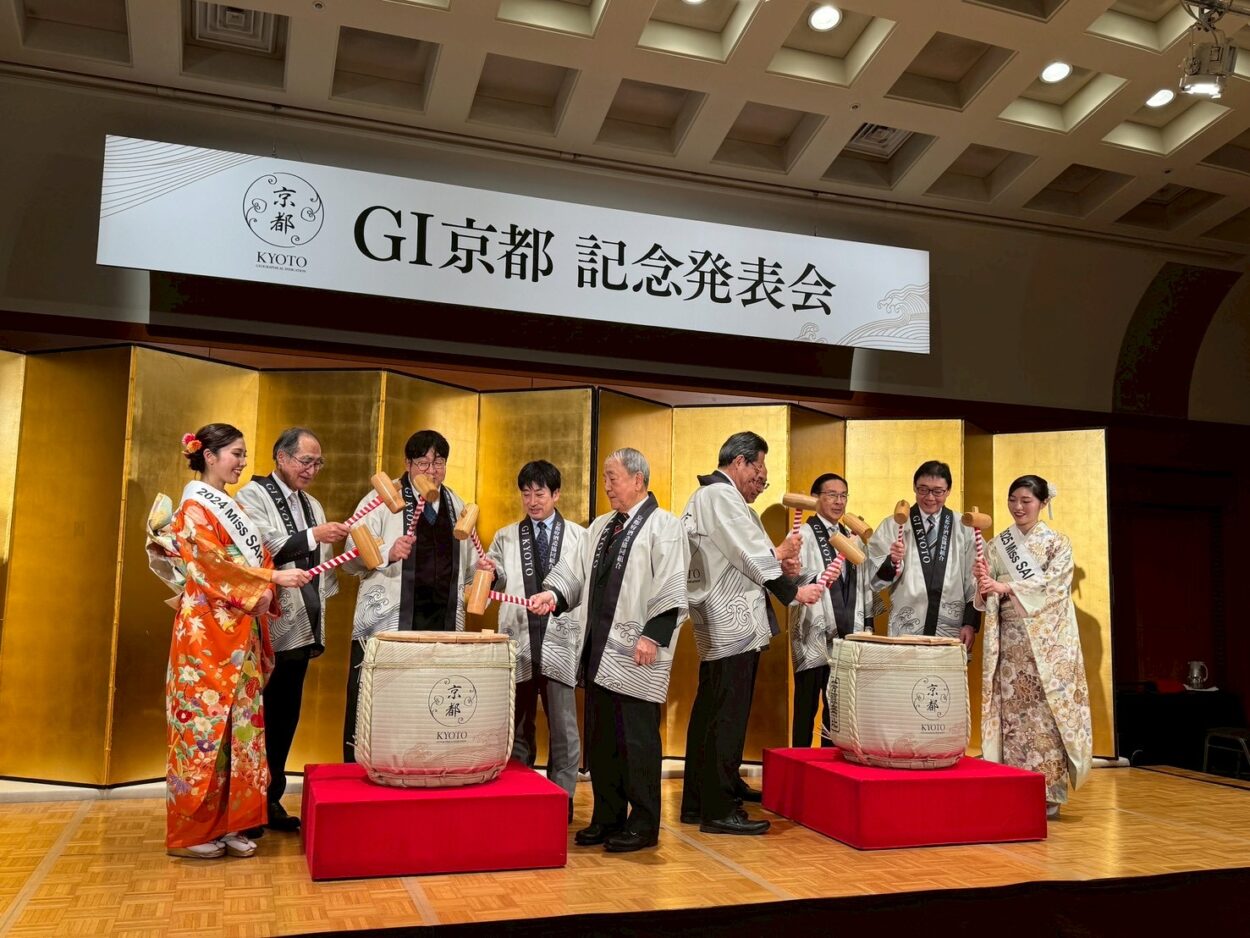
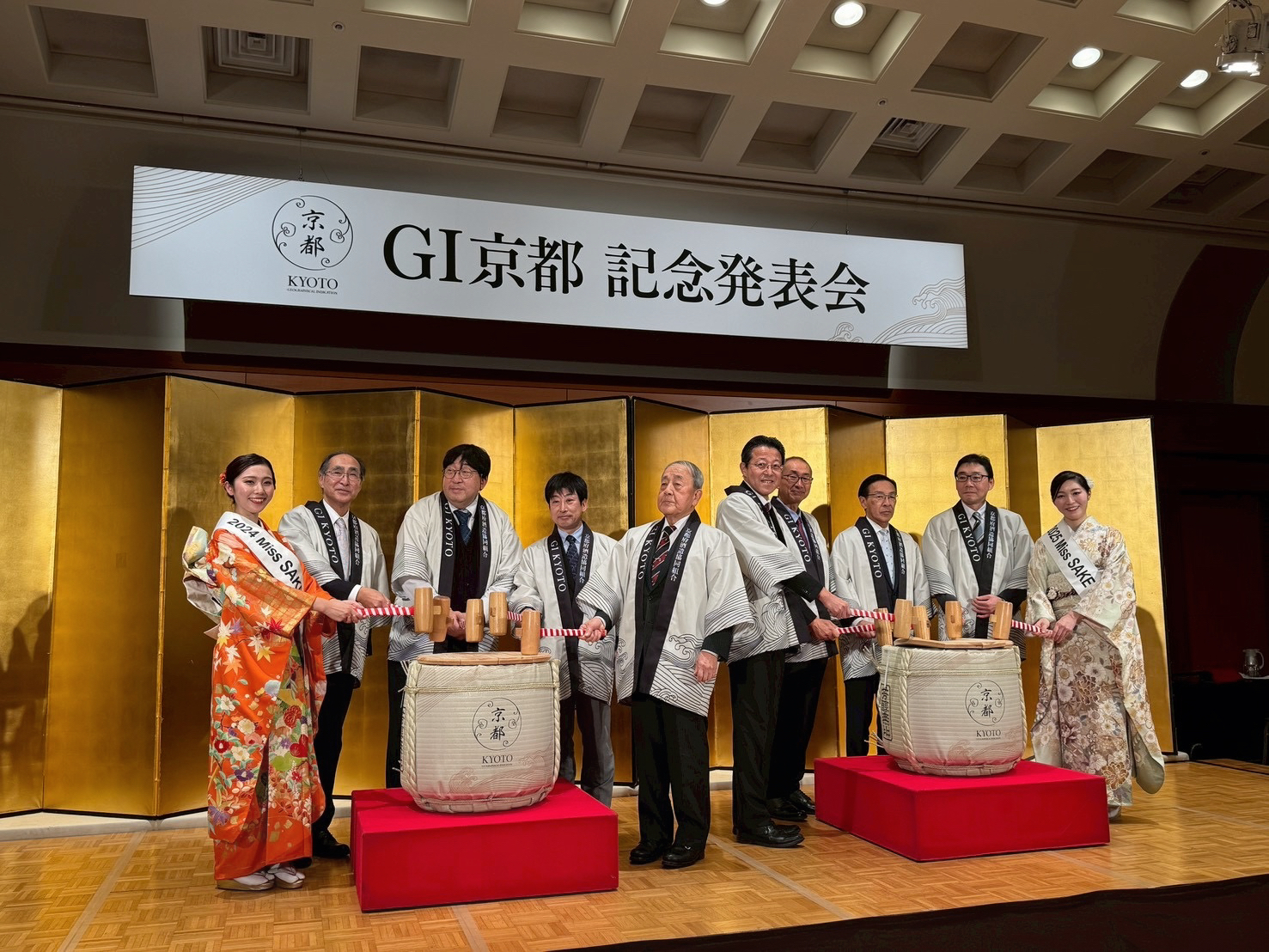
This was followed by the kagami-biraki ceremony on stage. Surrounded and watched over by representatives from the participating sake breweries, I joined the speakers in taking up a wooden mallet to open the sake barrel together. As the energetic chants of “Yoisho! Yoisho! Yoisho!” echoed through the hall, a natural sense of unity filled the space. After the toast, warm applause spread throughout the venue, creating a truly memorable moment.
Around 40 varieties of sake from breweries newly certified under “GI Kyoto” were also gathered at the venue. While greeting each brewery, I had the opportunity to listen directly to the brewers and enjoy their sake along with their stories—each cup leaving a lasting impression.
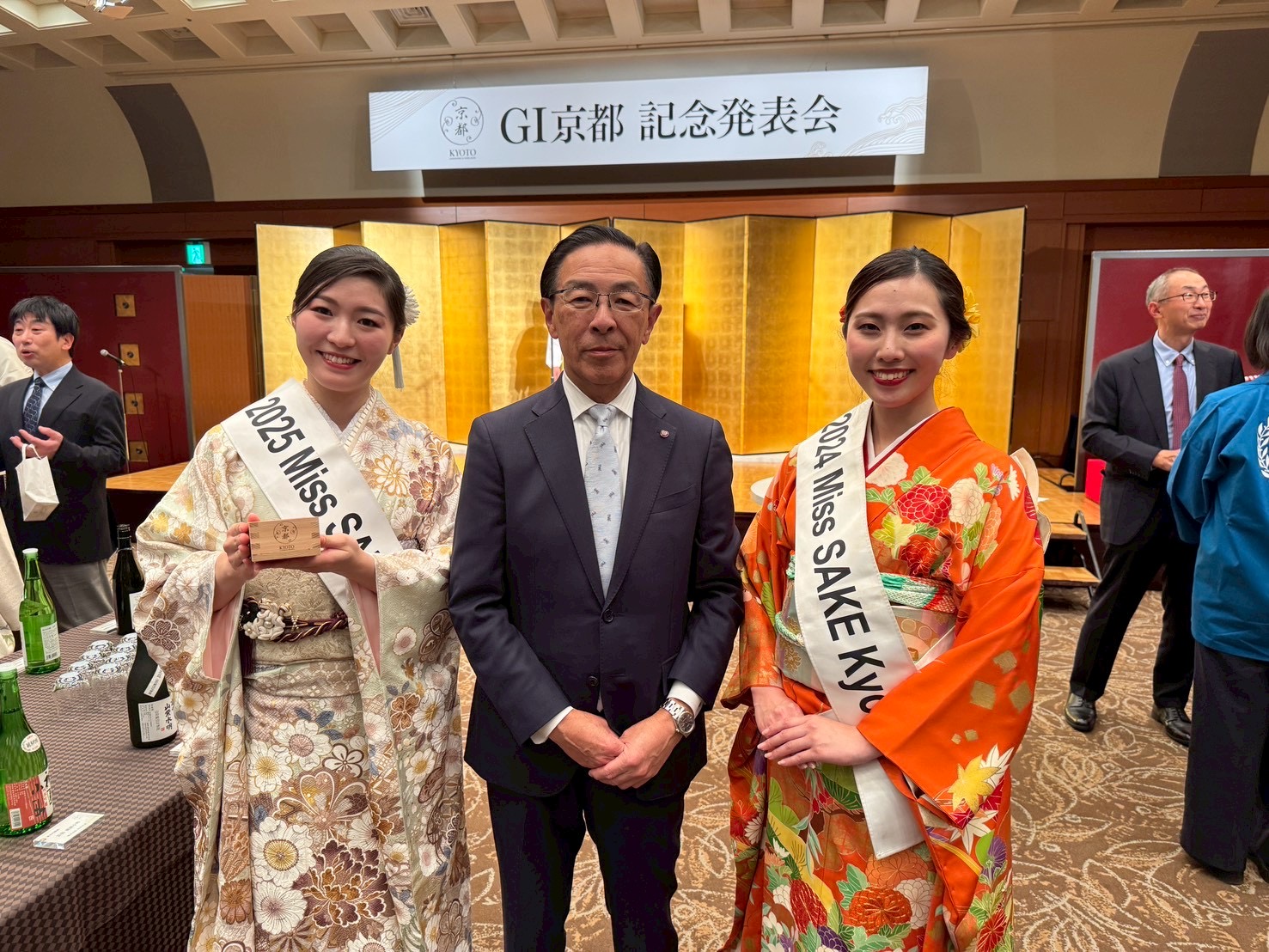
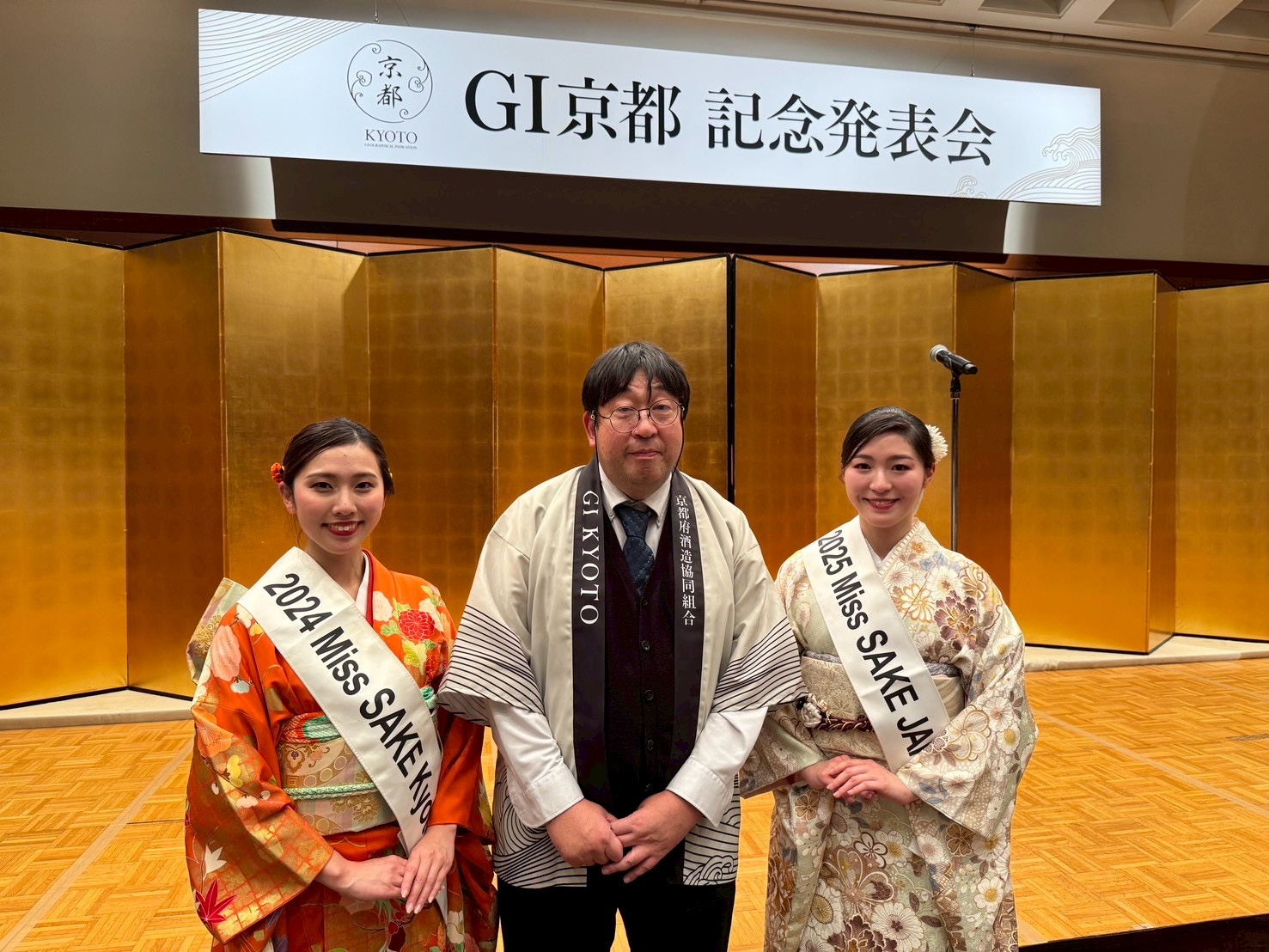
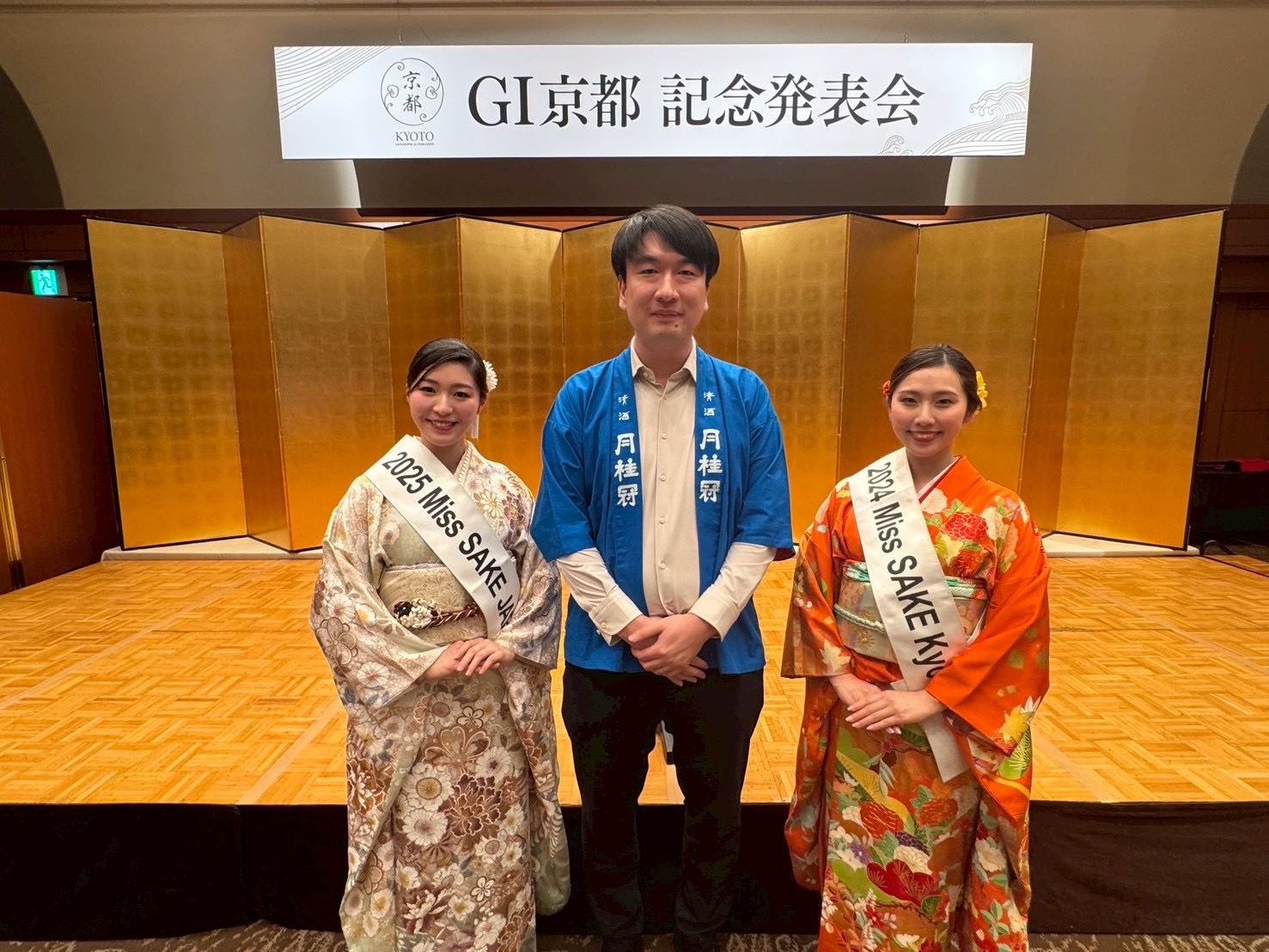
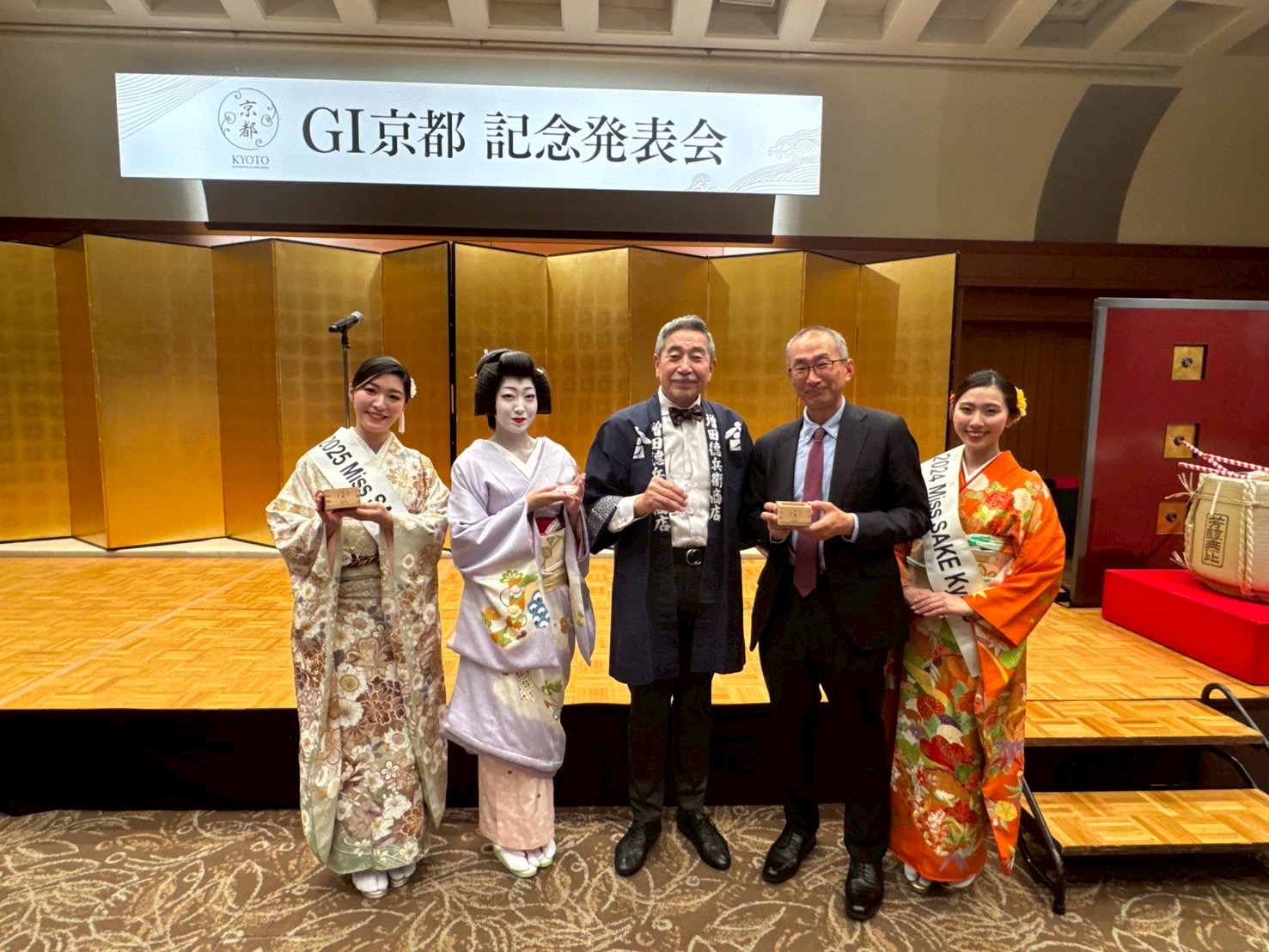
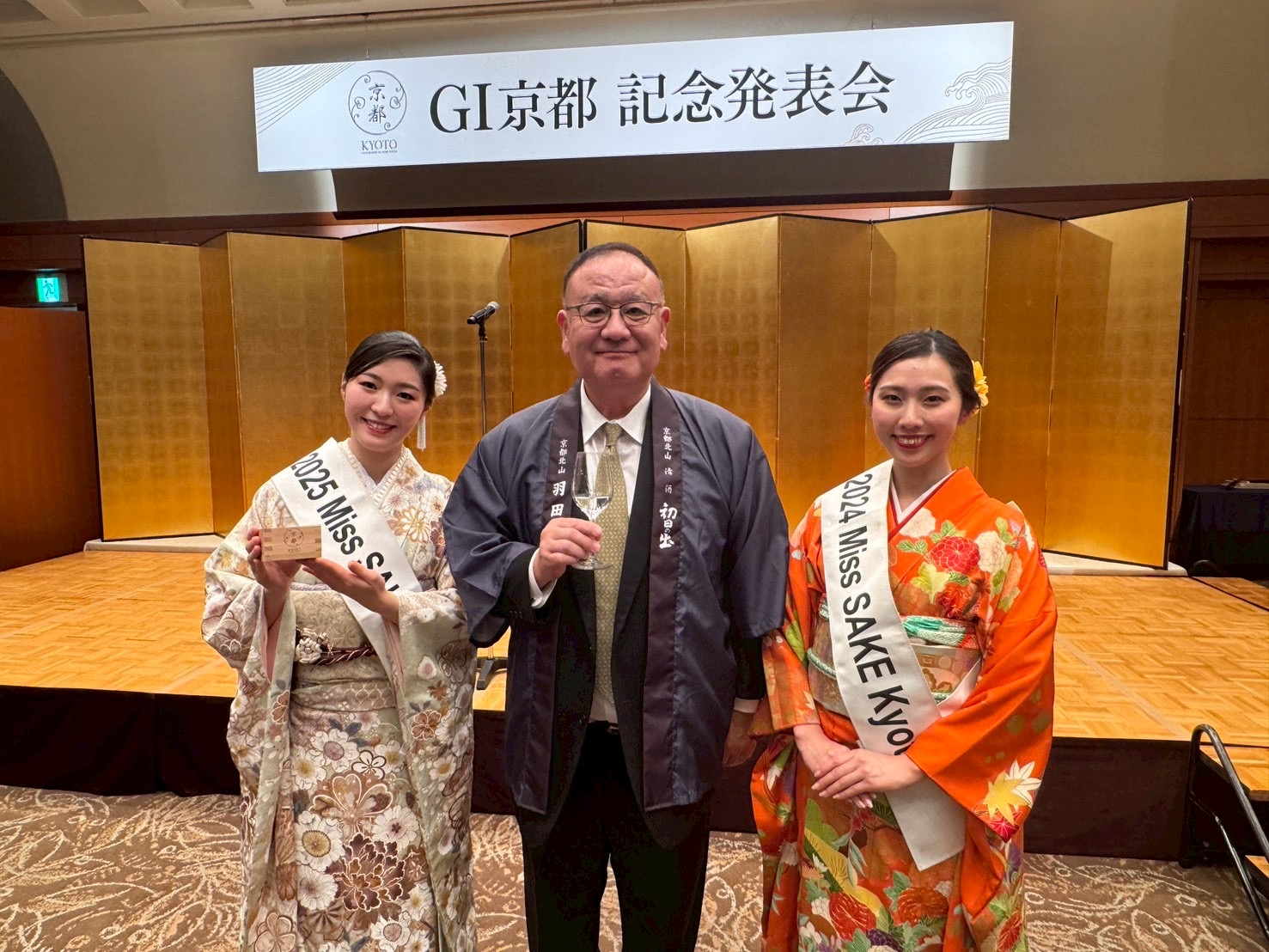
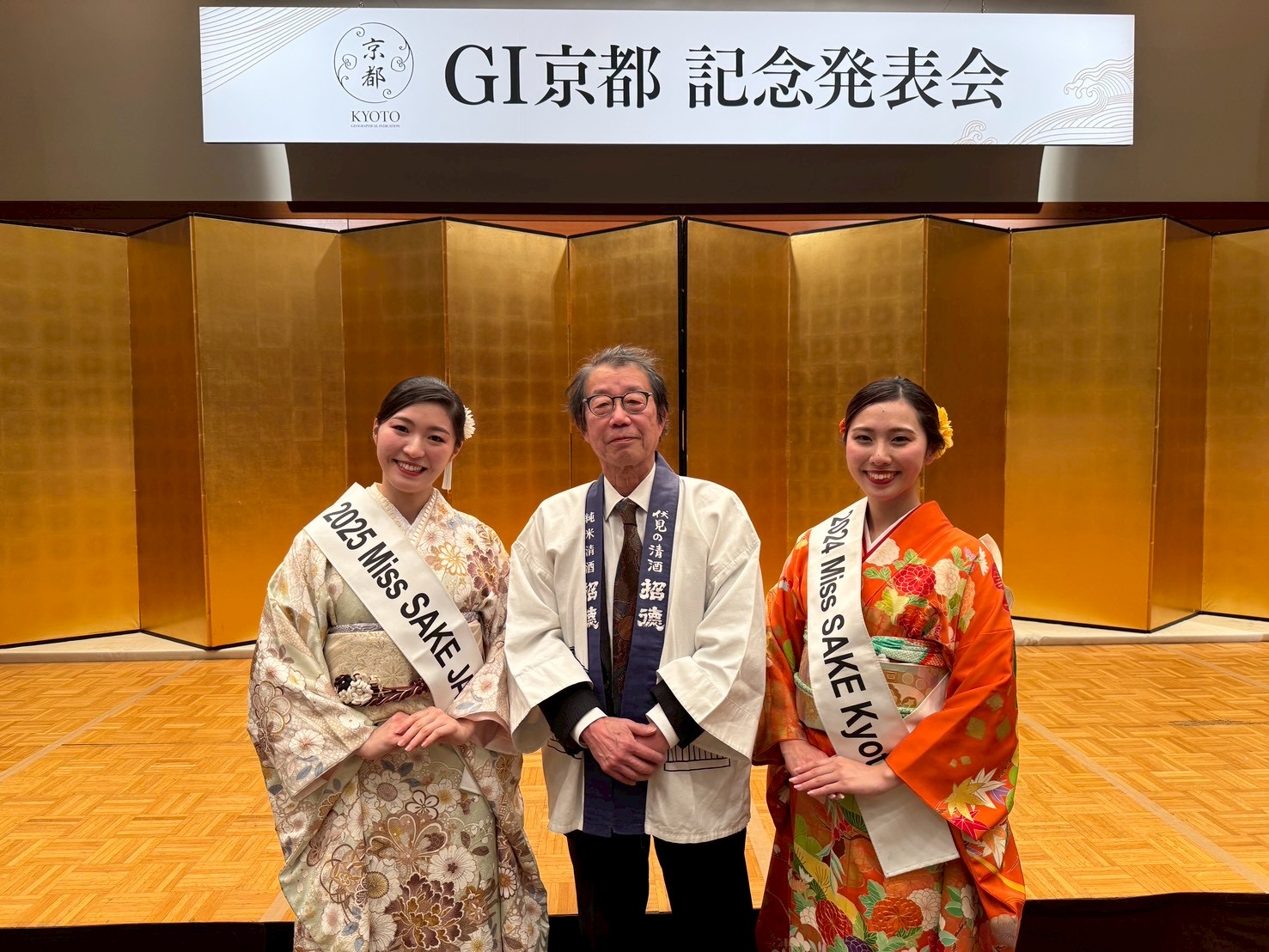
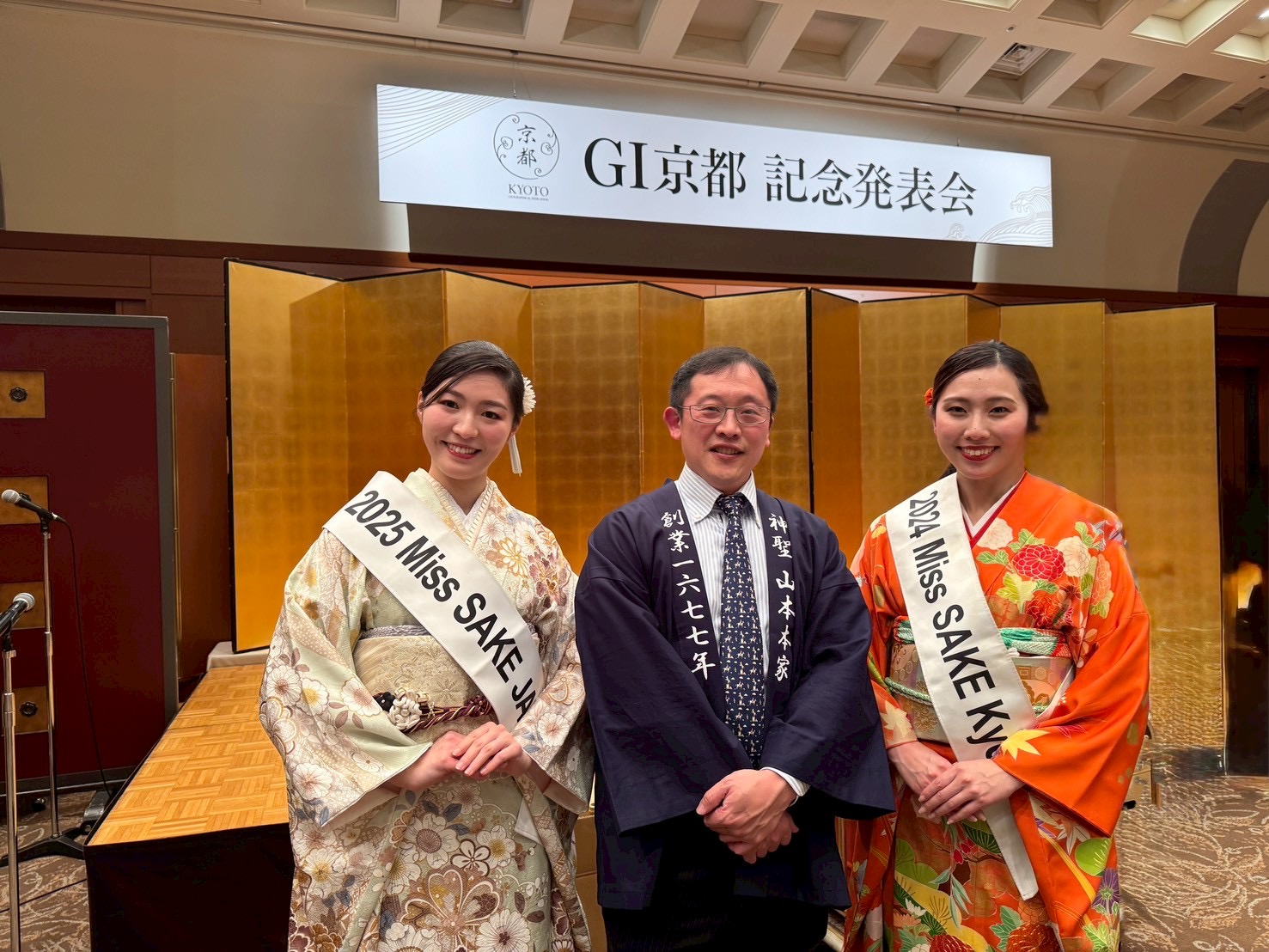
Through this “GI Kyoto Commemorative Announcement Event,” I strongly felt that the long history of sake brewing, the climate and culture of Kyoto, and the dedication of the brewers who have protected and refined these traditions have come together in the form of “GI Kyoto.” It reaffirmed for me that sake is not merely a beverage, but a culture deeply intertwined with the land, its people, and its food traditions.
As Miss SAKE, I have once again realized that sharing the appeal of sake means not only conveying its flavors and ways of enjoying it, but also carefully communicating the regional character, history, and values that lie behind it. Moving forward, I will continue to sincerely share these stories—beginning with the sake of “GI Kyoto” nurtured by Kyoto’s terroir, and extending to the diverse sake traditions across Japan—so that I may serve as a bridge connecting people, regions, and the world.



Chisato Tateno
2025 Miss SAKE Japan