About the Japan–NATO Commemorative Day Reception
This reception was organized to bring together representatives from NATO, Japanese companies, and professionals in the fields of diplomacy and security, with the aim of deepening mutual understanding and strengthening future cooperation between Japan and NATO. In recent years, Japan and NATO have expanded their collaboration beyond security affairs to include areas such as cybersecurity, emerging technologies, and disaster preparedness. Against this backdrop, the reception provided a meaningful platform to showcase Japan’s technological strengths and cultural appeal while fostering new partnerships and deeper mutual understanding.
The event was hosted by Ambassador Osamu Izawa, the first Japanese diplomat appointed exclusively as Ambassador to NATO. Throughout his distinguished diplomatic career, Ambassador Izawa has served in numerous key positions and has worked tirelessly to strengthen Japan’s relationships with countries around the world. As cooperation between Japan and NATO continues to grow in importance, he plays a central role in advancing this relationship and is highly respected within the international community.
The reception itself reflected these efforts, bringing together guests from diverse nationalities and professional backgrounds. Witnessing people engaging in lively conversations across borders and sectors made me keenly aware of Japan’s growing presence in the international community and the expanding ties between Japan and NATO.
Building Connections Through Japanese Food and SAKE
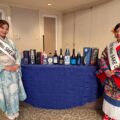
A Japanese sake booth hosted by Dassai Inc., internationally renowned for its premium sake brand “Dassai,” was one of the highlights of the evening. Guests gathered around the booth, enjoying sake while engaging in conversations and building new connections.
Three varieties were served:
- Dassai Junmai Daiginjo 23
- Dassai Junmai Daiginjo 39
- Dassai Junmai Daiginjo 45
Many attendees enthusiastically asked questions of President Kazuhiro Sakurai, demonstrating that sake serves not merely as a beverage but also as a gateway to a deeper appreciation of Japanese culture.
The reception also featured a selection of iconic Japanese dishes, including sushi, onigiri, and karaage. Guests enjoyed pairing these foods with sake while learning more about Japanese culinary traditions. Throughout the venue, people from a wide range of backgrounds naturally gathered around food and drink, creating opportunities for conversation and exchange.
Even in a setting centered on diplomacy and security, food, sake, and culture proved to be powerful tools for bringing people together. This experience reaffirmed my belief that Japanese culture—including sake—has the ability to inspire dialogue, foster mutual understanding, and create meaningful new relationships.


Connecting the World Through “AMI Rice”
During the reception, I also had the opportunity to assist in distributing AMI Rice, an initiative promoted by the Asia Future Cultural Exchange Association.
The organization, led by Ms. Keiko Asano, is dedicated to creating a future in which children around the world can become friends regardless of nationality, language, or cultural background, while supporting one another’s dreams. Through projects related to food, hygiene, and education, the organization works to promote children’s well-being, mutual understanding, and peaceful societies both in Japan and abroad.
AMI Rice is part of the organization’s Ami Project. The word ami means “friend” in French and reflects the project’s hope that children across the world will form friendships that transcend borders and cultural differences. Guided by the belief that “a world where children have enough to eat is a world that moves closer to peace,” the organization uses rice—a food deeply familiar to Japanese people—as a tool for international support and cultural exchange. Previous initiatives have included programs in Senegal where children gathered around Hinomaru onigiri, using food as a means of fostering friendship and understanding.
AMI Rice is therefore more than a food assistance project; it is an initiative that seeks to connect future generations and build bridges toward a more peaceful world.


Japan–NATO Cooperation Toward a Peaceful Future
The venue also featured a variety of exhibits from Japanese companies showcasing initiatives related to defense, security, advanced technologies, and innovation. Throughout the event, Japanese and NATO representatives engaged in active discussions about shared challenges and future cooperation. In today’s rapidly changing international environment, I was impressed by the strong commitment demonstrated by participants to deepen collaboration through the sharing of knowledge, expertise, and technology in pursuit of a peaceful and stable international society.
Another memorable aspect of the evening was a musical performance featuring piano and shakuhachi. While discussions on security and advanced technology took place throughout the venue, it was equally inspiring to see Japanese traditional culture and the arts incorporated into the event. Music has a unique ability to transcend language and national boundaries, touching people’s hearts and strengthening mutual understanding. Watching attendees listen attentively to the performance reminded me that cultural exchange remains an essential component of international relations.
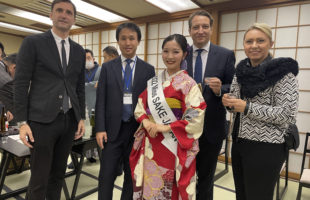
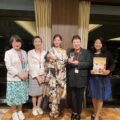
I was also honored to have the opportunity to greet Ambassador Izawa and his wife personally. Through our conversation, I gained valuable insights into the future of Japan–NATO cooperation and the importance not only of diplomatic and security partnerships, but also of people-to-people connections and cultural exchange. It was a meaningful opportunity to reflect on Japan’s role within the international community.

Through attending the Japan–NATO Commemorative Day Reception, I once again realized the remarkable power of Japanese culture—including sake, food, and traditional arts—to connect people across national, cultural, and professional boundaries. Seeing individuals from diverse backgrounds naturally gather around sake and Japanese cuisine, engage in conversation, and build new relationships reminded me of the profound role that culture can play in fostering mutual understanding. This experience also reaffirmed my belief that sake is far more than simply a beverage. It embodies the climate, history, craftsmanship, and spirit of the communities where it is produced.
As Miss SAKE, I will continue to share not only the appeal of sake itself but also the culture, traditions, and values that it represents, both in Japan and around the world. Through these efforts, I hope to serve as a bridge connecting people and nations, and to contribute—however modestly—to a peaceful international society built upon mutual understanding and trust.
I look forward to continuing this journey while cherishing each encounter and connection made through sake.
Chisato Tateno
2025 Miss SAKE Japan