Hello everyone, this is Chisato Tateno, 2025 Miss SAKE Japan.
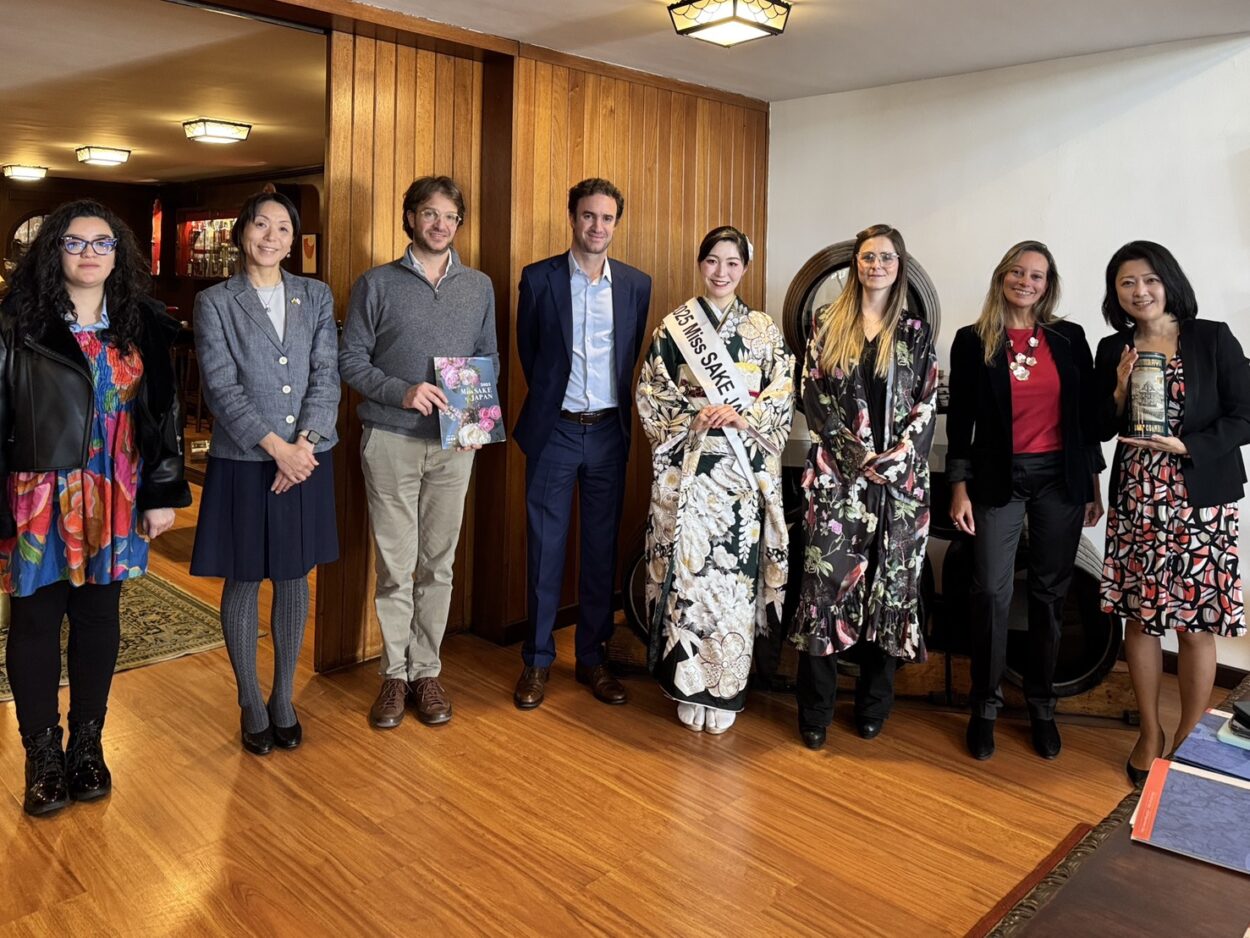
On Thursday, April 24, I had the honor of paying a courtesy visit to Wine & Co. / CASA Domecq in Colombia. During the visit, I joined Mr. Raphael Picciotto, President and CEO of the company as well as Chairman of the CABA (Cámara de Industrias Asociadas de Bebidas Alcohólicas), and other members of the company for lunch and a tour of their facilities.
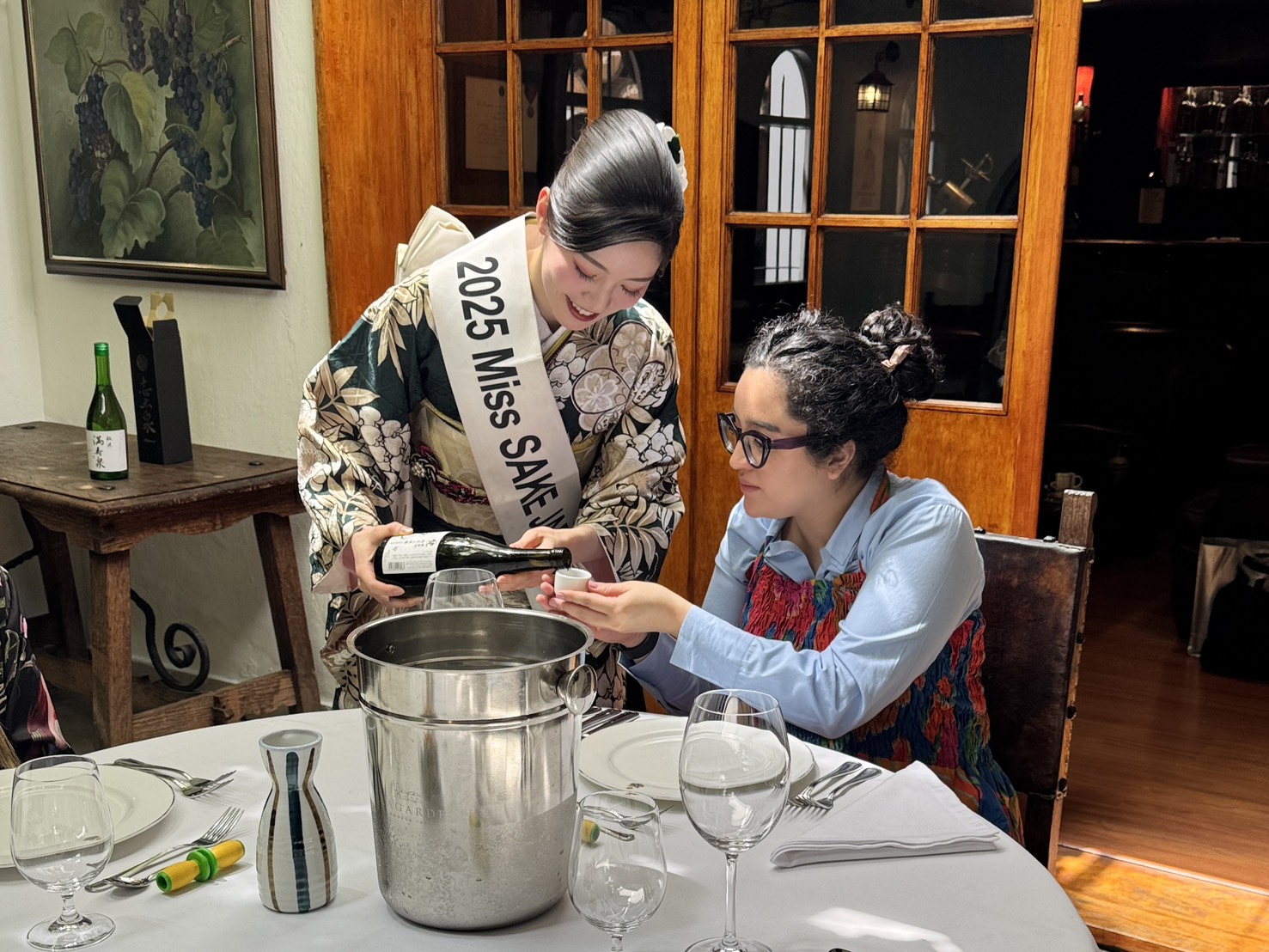
Afterward, I visited the Japanese restaurant NANA, where I had the opportunity to serve Japanese sake to guests who joined us during dinner service.
Ms. Mika Onishi, Representative Director of the Miss SAKE Association, also accompanied me on this visit.
About Wine & Co. / CASA Domecq
Wine & Co. / CASA Domecq is one of Colombia’s leading alcoholic beverage companies.
CASA Domecq operates its own distillery producing the original brandy “Domecq” and has led the Colombian alcohol industry for nearly 70 years as a comprehensive beverage company engaged in production, importation, distribution, and sales.
Meanwhile, Wine & Co., established in 2012, specializes in the import and distribution of alcoholic beverages from around the world and is known for its modern marketing strategies.
Combining the strengths of both tradition and innovation, the company actively imports and distributes carefully selected wines while also supplying restaurants and hotels, in addition to organizing educational programs and tasting events for consumers.
Through these activities, the company continues to contribute significantly to the development of alcohol culture in Colombia.
The company is also known as the first business in Colombia to directly import Japanese sake from Japan.
In the past, it has provided sake for the Emperor’s Birthday Reception hosted by the Embassy of Japan in Colombia, playing a central role in promoting sake culture locally.
During this courtesy visit, while touring the company facilities, we had the valuable opportunity to hear about the current state of sake culture in Colombia as well as its future potential.


Enjoying Colombian Cuisine with Japanese Sake
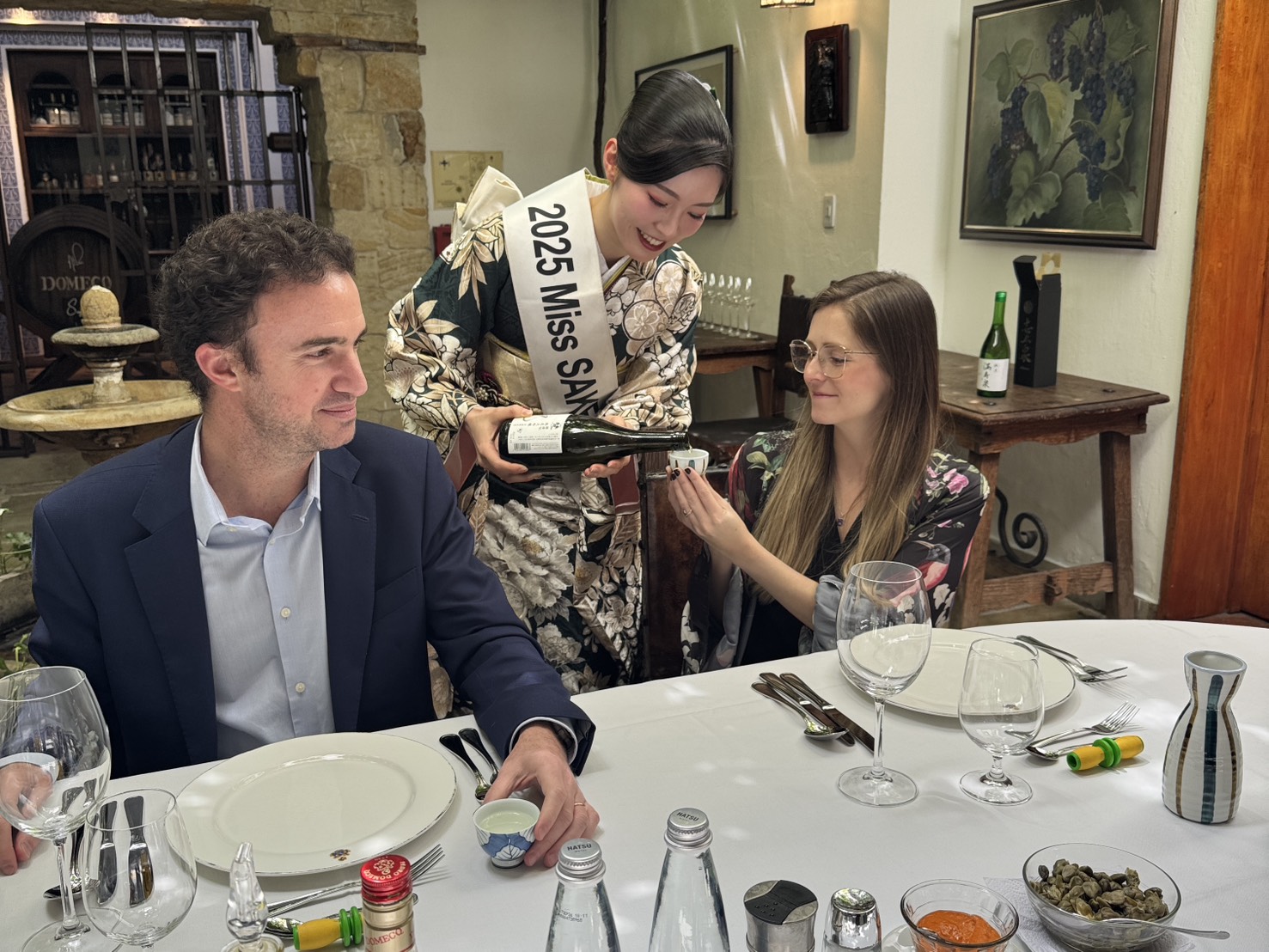
To begin, I joined Mr. Raphael Picciotto, President and CEO of Wine & Co. / CASA Domecq, Mr. Nathan Picciotto, who oversees exports, and other members of the company for a lunch centered around Japanese sake and Colombian cuisine.
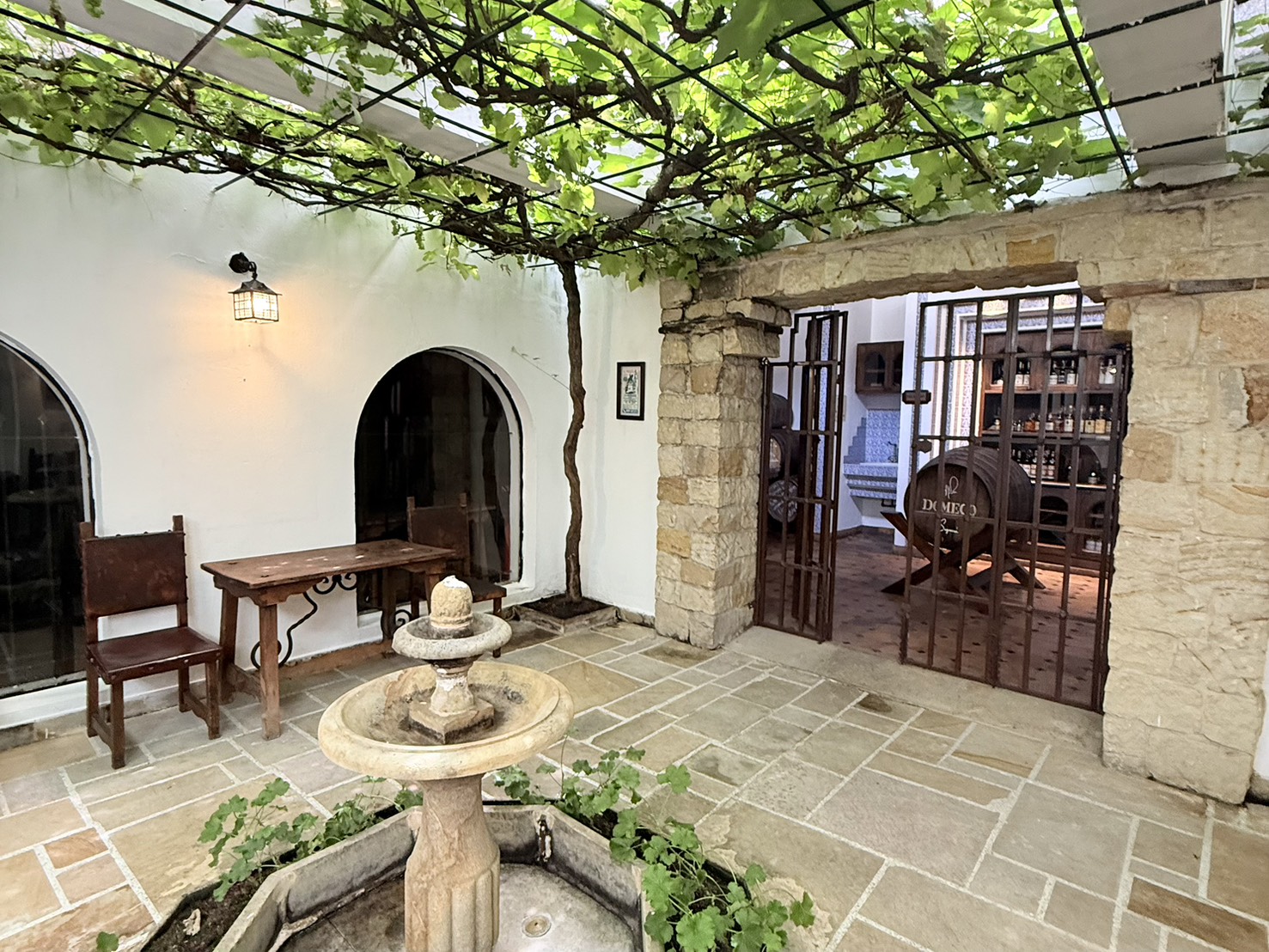
In the courtyard in the company building, grapevines heavy with seasonal fruit stretched across the roof overhead.
Surrounded by this beautiful scenery, we enjoyed lunch together while engaging in lively discussions about the history of the Picciotto family, who have built the alcohol industry in Colombia through generations of family management, as well as the current state of alcohol production and consumption in the country and the future possibilities for sake promotion.
One of the most surprising things I learned was that Bogotá, the capital of Colombia, is a high-altitude city located at 2,600 meters above sea level. Because fruits are difficult to cultivate there, fruit-based alcoholic beverages such as wine are not widely produced locally.
Nevertheless, alcohol is commonly enjoyed alongside meals in everyday life. In particular, Japanese sake has gradually been gaining recognition amid the recent boom in Japanese cuisine and Colombia’s deeply rooted rice-eating culture.


For this occasion, we paired sake brought from Japan with the dishes specially prepared for us.
First, we paired “Born Tsuya Junmai Daiginjo” from Katokichibee Shoten in Fukui Prefecture with “Ceviche,” the traditional Peruvian seafood marinade dish.
The umami of the seafood and refreshing acidity of the marinade harmonized beautifully with the delicate fruity aroma of the sake, creating a remarkable pairing experience. For the event, creamy elements not commonly found in traditional ceviche were thoughtfully added to complement the sake, and I was deeply impressed by the careful hospitality and attention given to the pairing.
Next, we were served “Ajiaco,” a traditional Colombian soup made with chicken, potatoes, and corn. We paired this warm and comforting dish with “Masuizumi Junmai” from Masuda Shuzoten in Toyama Prefecture.
The richness reminiscent of potage soup and the savory flavors of the ingredients blended beautifully with the natural sweetness and depth unique to junmai sake, resulting in a wonderful marriage of flavors.
Through the shared cultures of food and alcohol, this became a meaningful opportunity to connect deeply beyond borders and language.
I once again felt the unique value of “shuen” — the once-in-a-lifetime connections created through sake.


Surrounded by Brandy Barrels
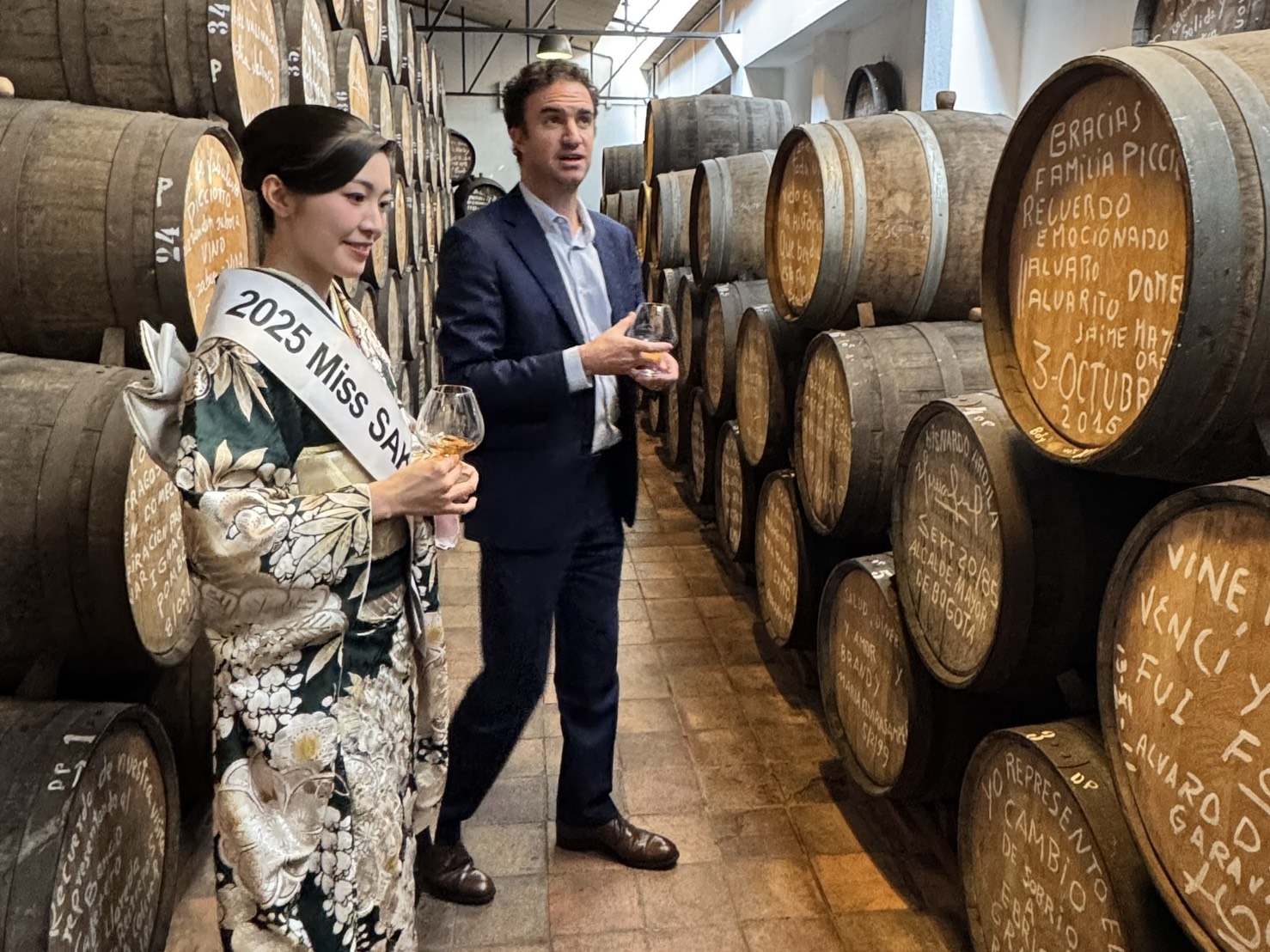
After lunch, we toured the storage cellar for the company’s signature brandy label, “Domecq.”
The sight of countless oak barrels lined up in perfect order was truly breathtaking.
Many of the barrels bore the signatures of prominent Colombian figures, including politicians and artists, allowing us to feel the weight of the company’s long-established tradition.
As we sampled the brandy, we were guided carefully through the cellar and learned about the company’s remarkable journey in establishing a strong presence not only within Colombia but also internationally over its long history.
It was an incredibly moving experience.


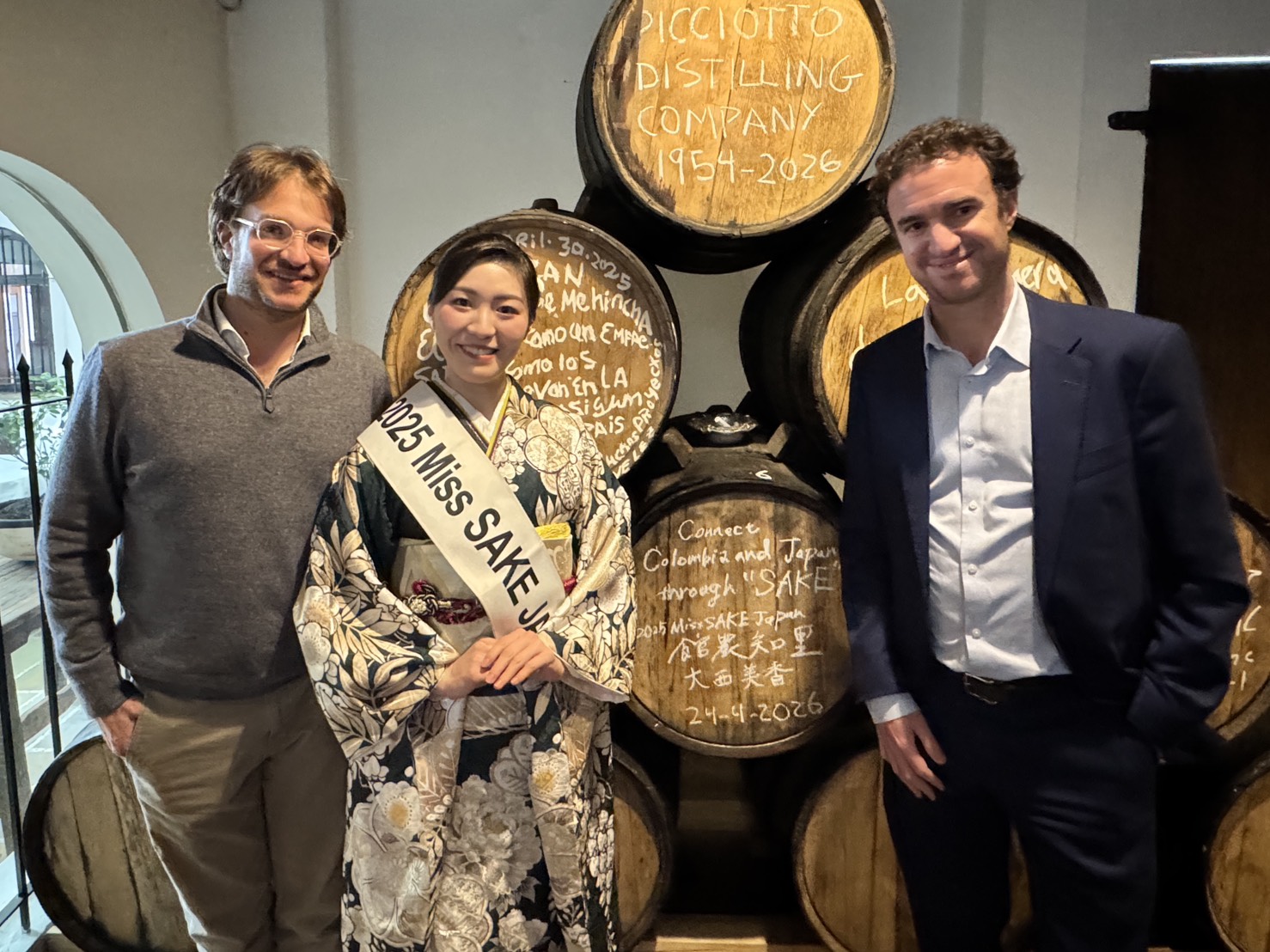
Afterward, we were given the great honor of signing one of the barrels ourselves as representatives of Miss SAKE.
Alongside our signatures, we wrote the message: “Connect Colombia and Japan through ‘SAKE.’”
This moment became a deeply meaningful reminder of my desire to continue spreading sake culture throughout Colombia and around the world.
Before leaving, we were also kindly presented with gifts including “Quimbaya,” a traditional Colombian rum produced using local methods, as well as the company’s signature brandy “Domecq.”


Experiencing Japanese Food Culture in Colombia
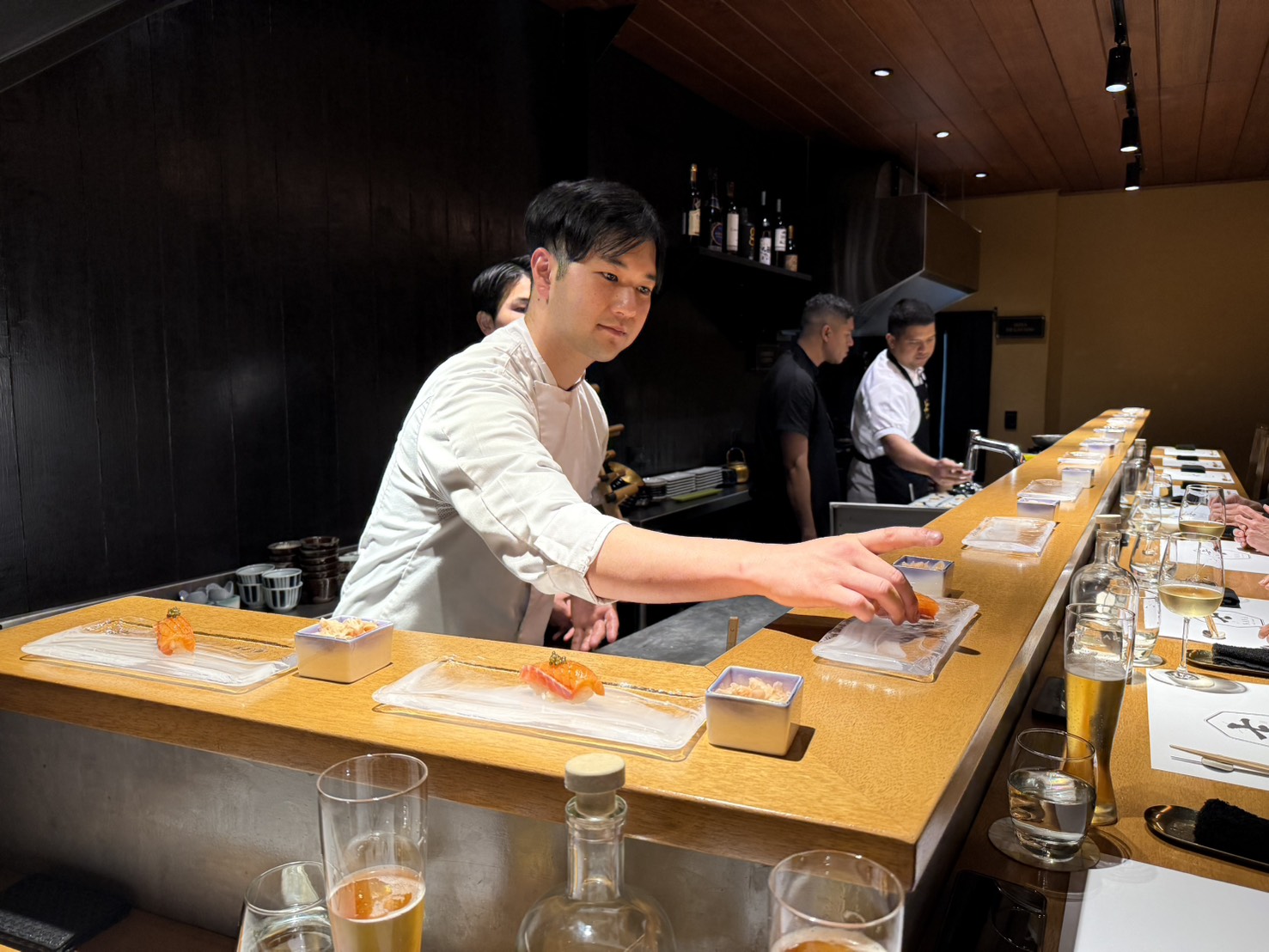
Afterward, we visited “NANA,” one of Colombia’s leading Japanese restaurants.
The restaurant is led by Mr. Koji Ogawa, who has been appointed as a Japanese Cuisine Goodwill Ambassador.
We enjoyed an omakase dinner course featuring creative dishes such as nigiri sushi made with fresh seafood, shabu-shabu, ochazuke, and fritters, each prepared with remarkable care and originality.
During the evening, I also had the opportunity to briefly introduce Japanese sake culture while serving “Hokusetsu Daiginjo YK35” from Hokusetsu Sake Brewery in Niigata Prefecture to the guests dining with us.
I was delighted to see so many people enjoy how the elegant and delicate flavors of the sake beautifully enhanced the umami of the seafood dishes.
Being in Colombia, far from Japan in South America, and witnessing the passion of those who continue to share and promote Japanese cuisine and sake culture was truly inspiring.
It became a precious moment that reminded me once again of the power of Japanese culture to connect people beyond borders.



Through this courtesy visit to Wine & Co. / CASA Domecq / NANA, I deeply felt the significance and profound beauty of how food and alcohol can connect people beyond differences in language and nationality.
As Miss SAKE, I hope to continue sharing the charm of Japanese sake not simply as a beverage, but as a cultural bridge that connects people and food cultures around the world.
At the same time, I was reminded of the importance of respecting the culinary traditions and values of each country while discovering new harmonies and possibilities between sake and local cultures.
Lastly, I would like to express my sincere gratitude to everyone at Wine & Co. / CASA Domecq / NANA for providing us with such a valuable and memorable opportunity.
Chisato Tateno
2025 Miss SAKE Japan